Black Pride Amsterdam: A journey to liberation

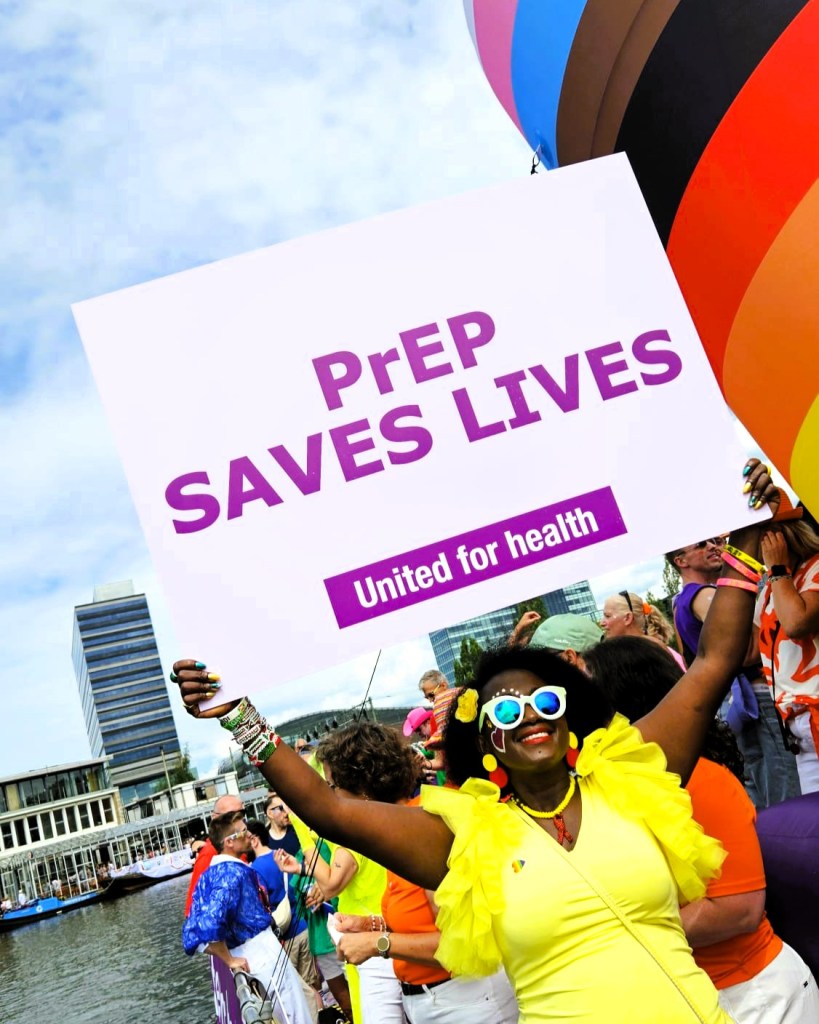
Carrying my message “PrEP saves lives”at WorldPride 2026

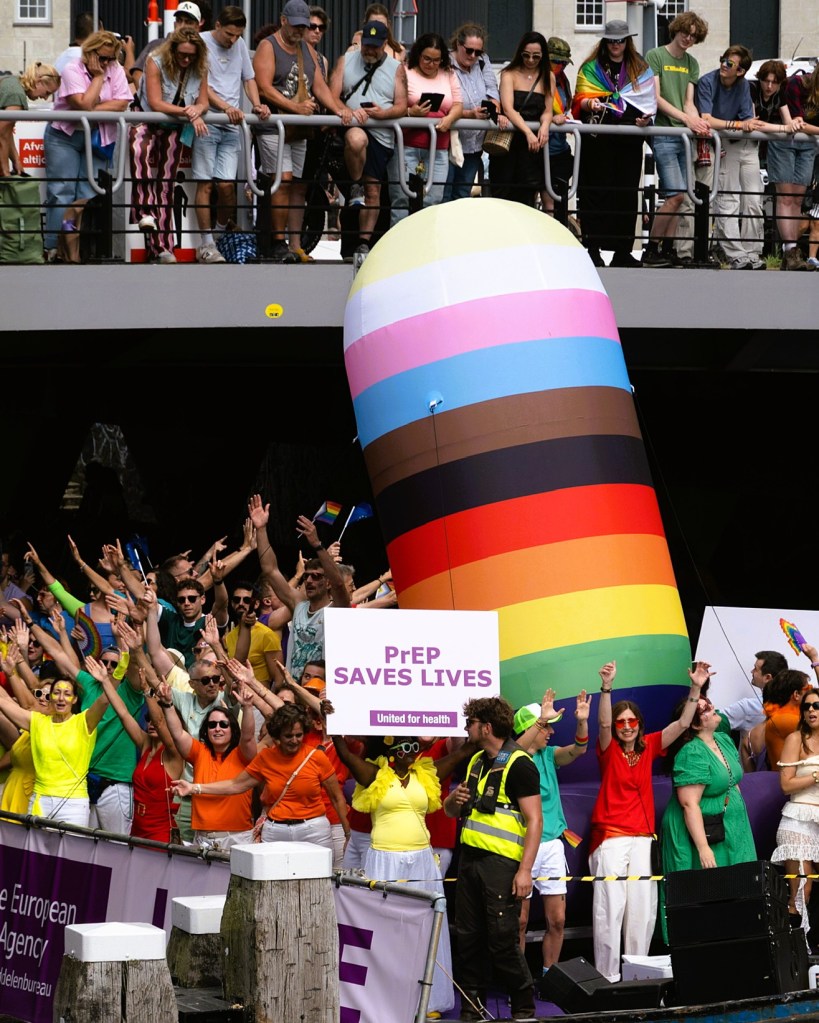
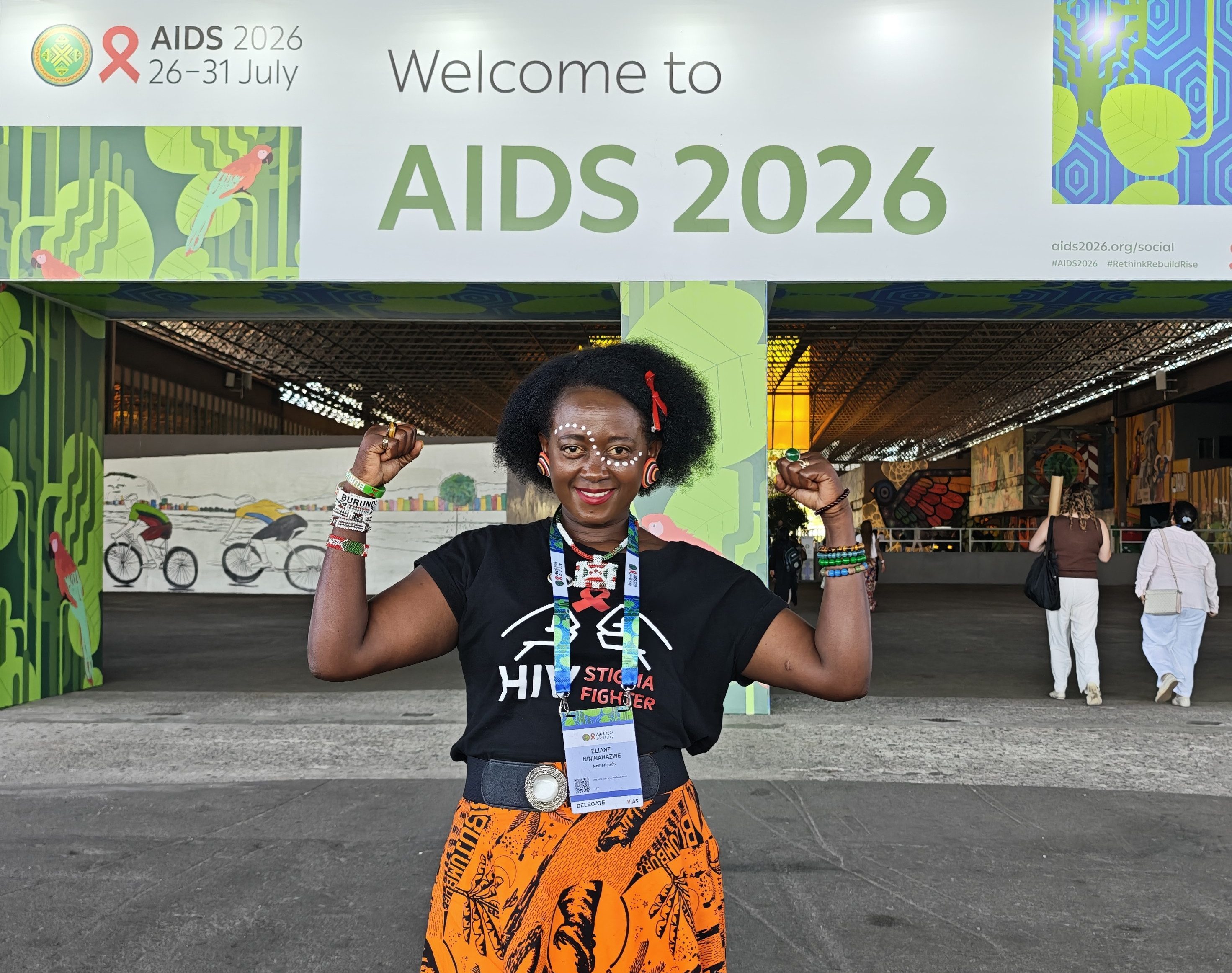
My lovely people, how was your summer? Mine was alive with powerful moments that inspired me deeply. One of the highlights took place in Amsterdam, the capital of the country I call home – The Netherlands – during WorldPride 2026. Fresh from AIDS 2026 in Rio, I stepped onto the Pride Boat, representing EATG aboard the EMA (European Medicines Agency) float. With pride and urgency, I carried my message of HIV prevention and stigma reduction, delivered with the fervour our community deserves.

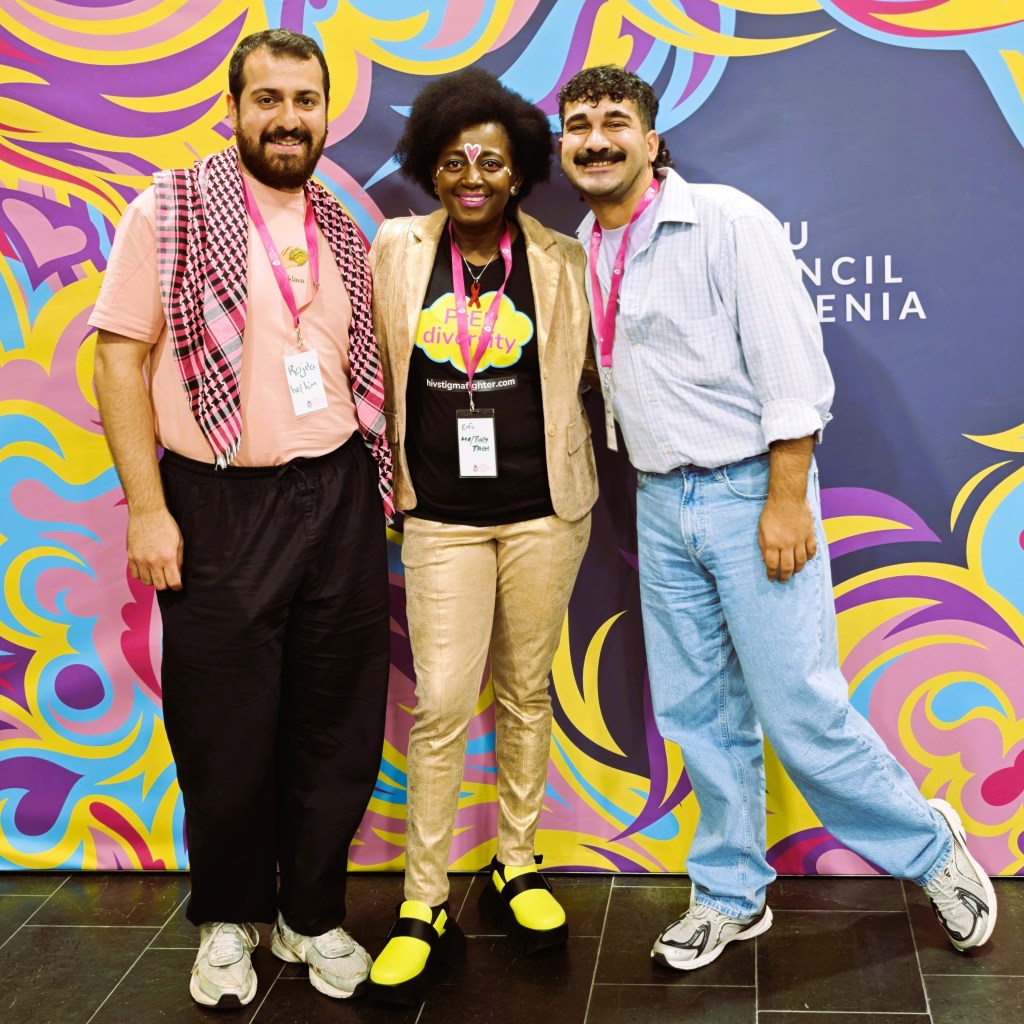
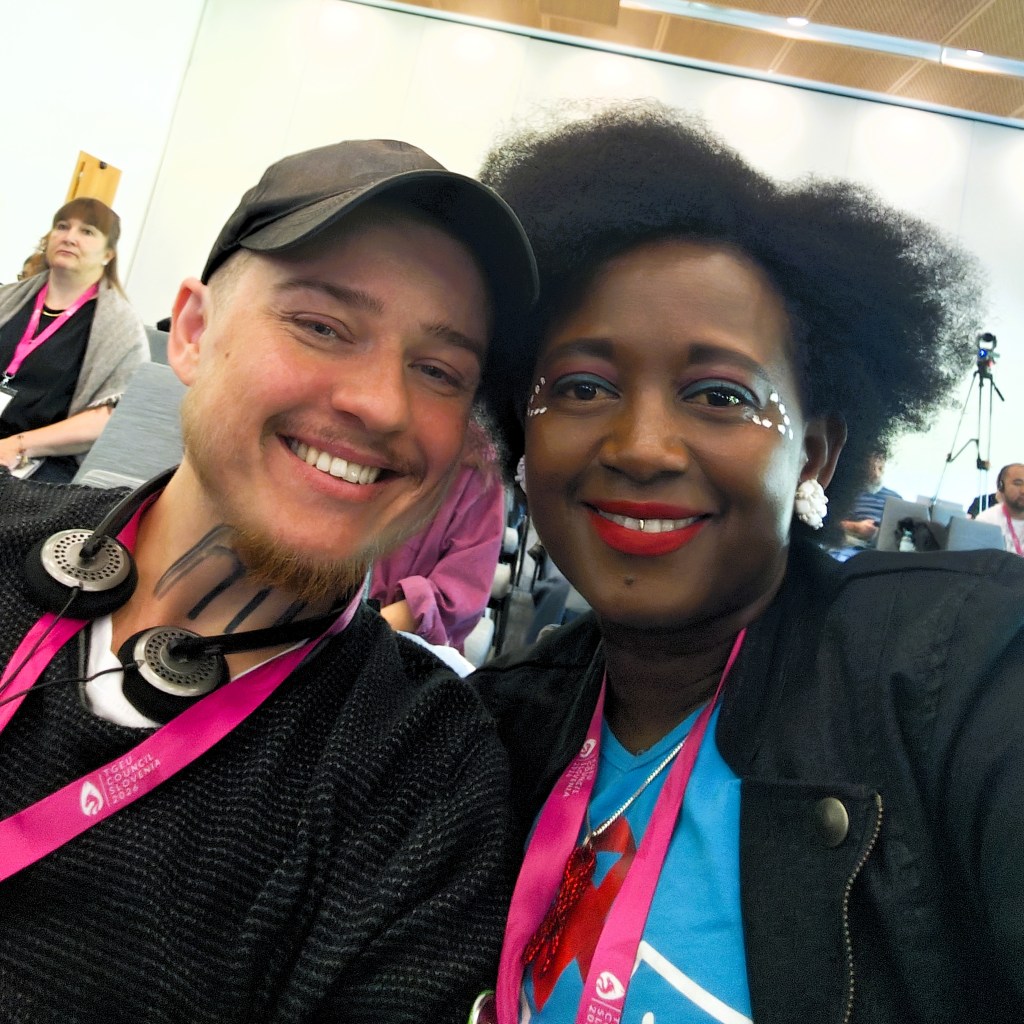
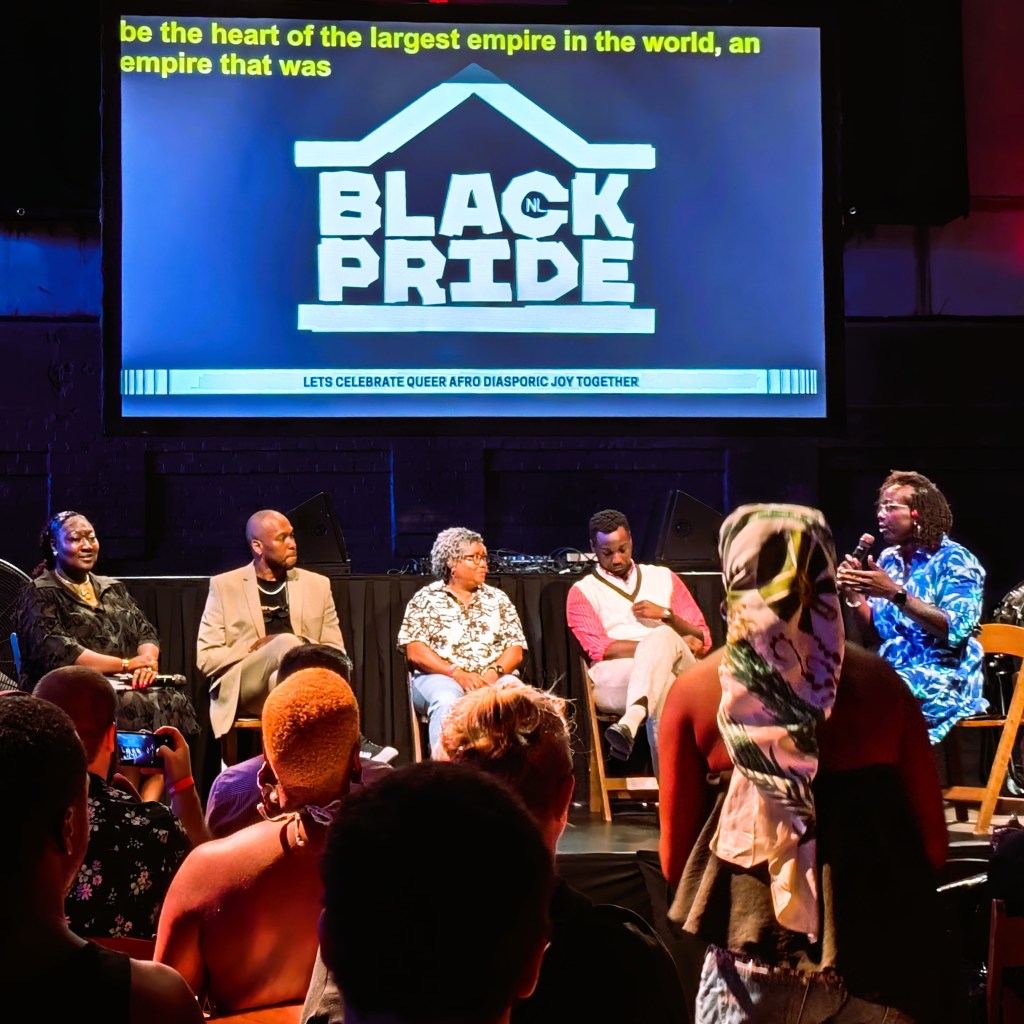
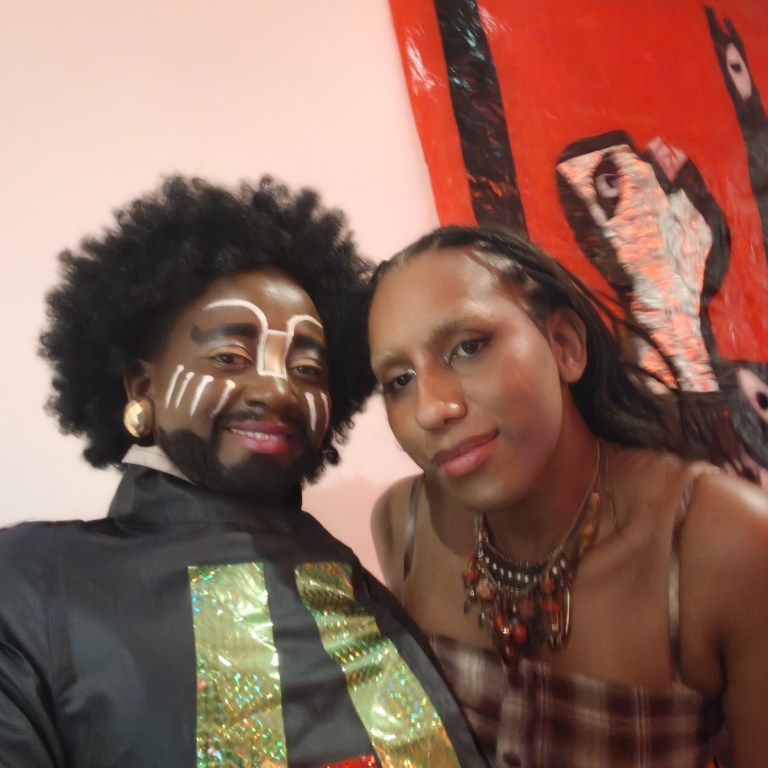
That moment felt like an appetizer for another powerful gathering, the first ever Black Pride Festival in Amsterdam, a parallel event to WorldPride. Black Pride is more than a festival,  it is a movement and a platform rooted in the experiences, histories, and futures of Black LGBTQIA+ communities in the Netherlands. We exist because our community has always created spaces of care, resistance, celebration, and imagination, often without the recognition or resources we deserve.

Through culture, conversation, education, art, nightlife, and collective organizing, Black Pride makes space for Black queer lives to be seen fully in our vulnerability, joy, creativity, spirituality, and FREEDOM.

The event, Blueprint for Liberation through Collective Power, brought together so many inspiring voices:

So many inspiring speakers at Black Pride Amsterdam
  • Lady Phyll, founder and CEO of Black Pride UK, reminded us why Black Pride was born in 2005: “People who were told there was no space for them. Too Black for queer spaces, too queer for Black spaces. We built our own home. Today in Amsterdam we choose joy, chosen family, and we choose to call each other home.”
  • Tieneke Sumter, cultural worker and queer activist for over 40 years, shared Black queer history, honouring pioneers like Tania Leon and others who fought from the beginning of the resistance movement.
  • Kenya Hutton, CEO of the Center for Equity in New York, declared: “Black Pride is FREEDOM.” They reminded us that Pride is not just celebration. It is resistance, advocacy, and solidarity, especially when rights are under attack. His program focuses on HIV prevention, education, and awareness.
  • March Bannor, trans activist and community leader, highlighted the visibility of trans men in the Netherlands. Seeing a trans man present was powerful as representation matters, and it showed that our movement includes everyone in the Black queer community.

During the talks, I raised questions about HIV prevention, awareness, and stigma in our Black and queer communities in the Netherlands. I emphasized that we cannot wait for big organizations, where people of colour are all too often underrepresented, to “save” us. HIV stigma, discrimination, and racism are deeply tied to mental health struggles. There cannot be Black joy when someone is suffering in silence. The speakers thanked me for bringing this crucial issue forward.

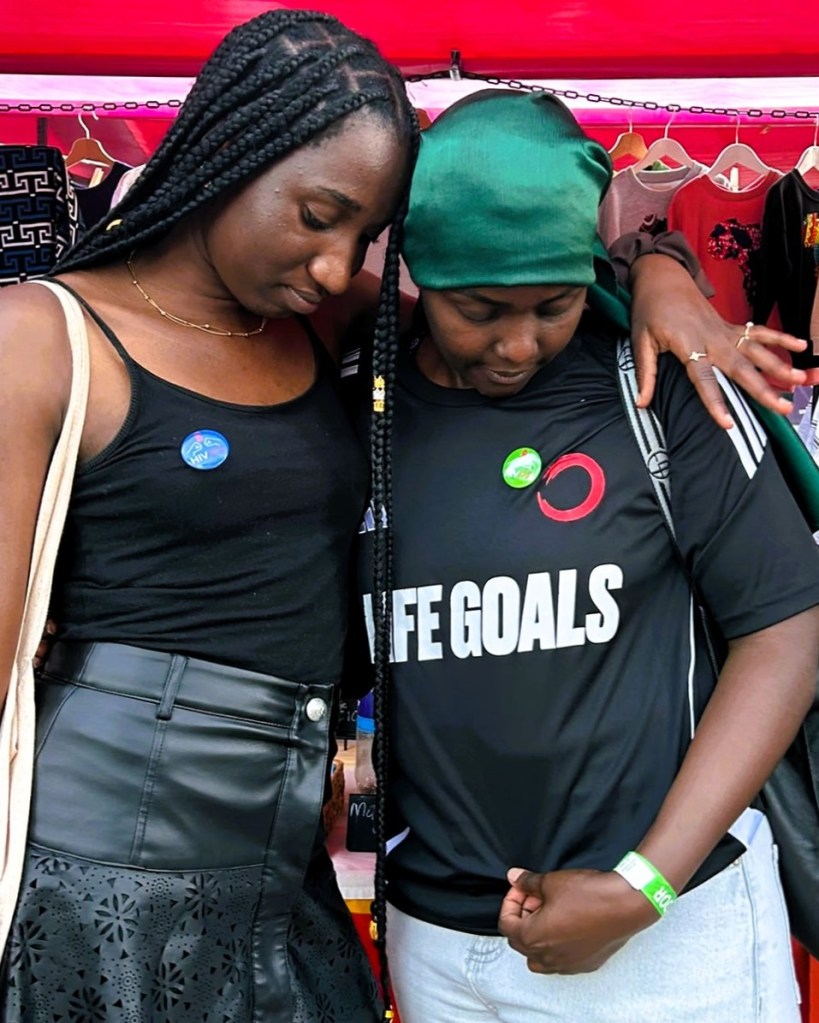
Sharing HIV Stigmafighter pins

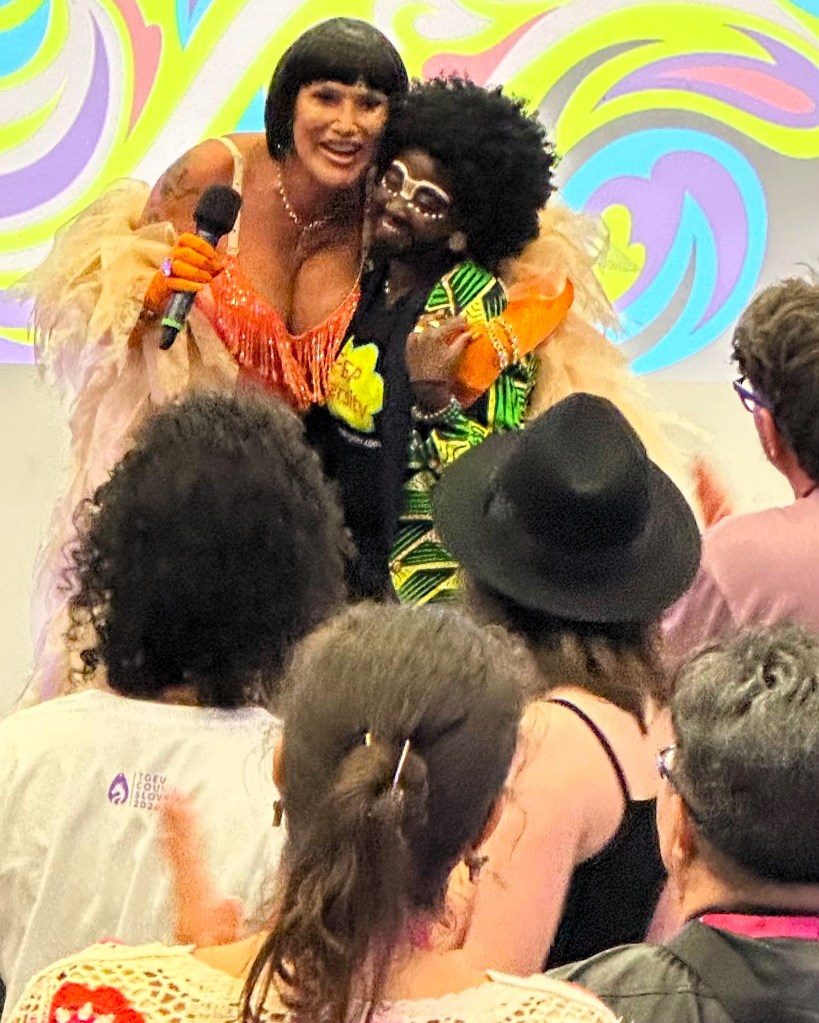
The festival was alive with energy: the queer market, ballroom, tarot readings, exhibitions of queer archives and HIV history in the Netherlands, DJs, MCs, and endless dancing and laughter. At the queer market, I connected with people while sharing HIV Stigmafighter pins with fellow community members.

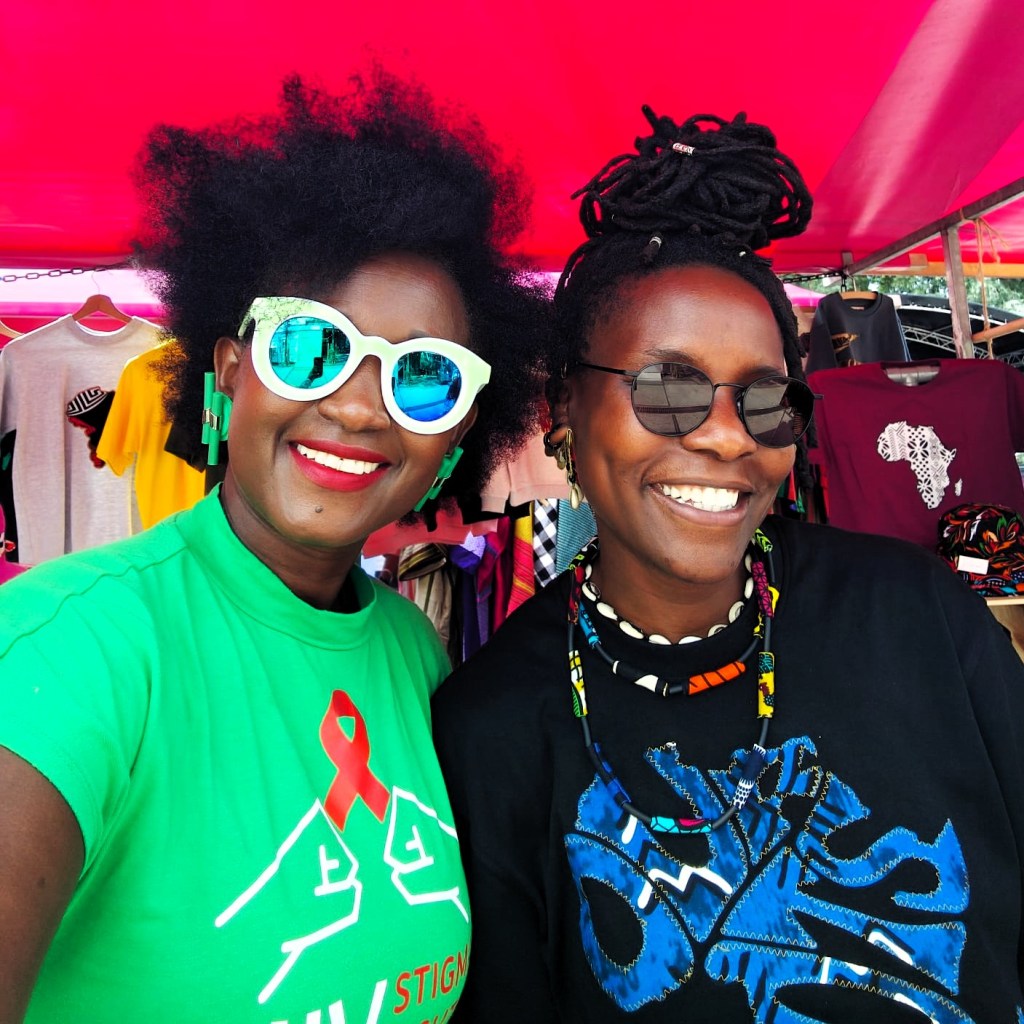
I had a really interesting conversation at the Afrotunda queer market stand where I asked how they felt about Black Pride and I believe their answer sums up the event very well: “Being part of the first Black Pride Festival was so special and empowering. You could really feel the energy vibrating through the community, and the amazing platform given to Black queer creativity. I am super grateful that we got a chance to show up and share our work in a space filled with so much Black joy, representation, and genuine connections.”

Meeting Afrotunda

I couldn’t agree more. This is just the beginning. One day, perhaps, we will host a World Black Pride in Amsterdam, inviting activists and artists from countries where being queer is still criminalized. That dream belongs on the dreamtree of Black Pride Amsterdam.

To my fellow community members: I am Black, I am queer, and I am living with HIV. All three truths can exist in the same body as joy. To find that joy, you must get tested, get treated, and embrace who you are.

Peace,

Eliane

RISE in Rio

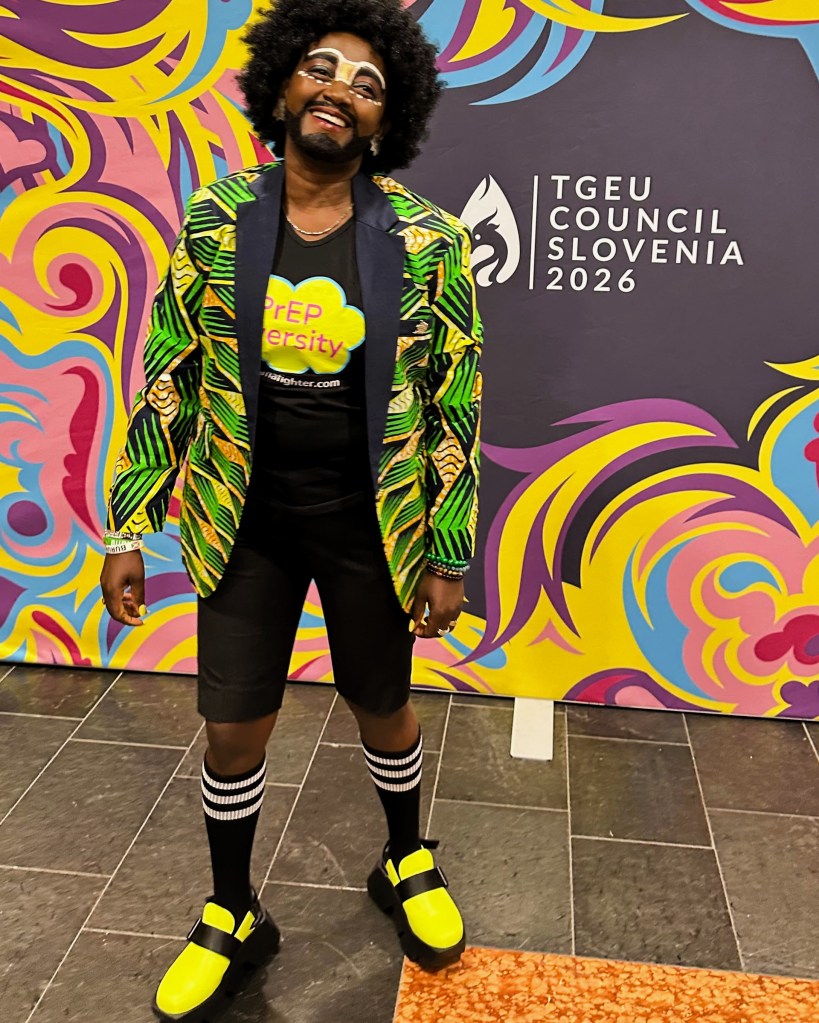
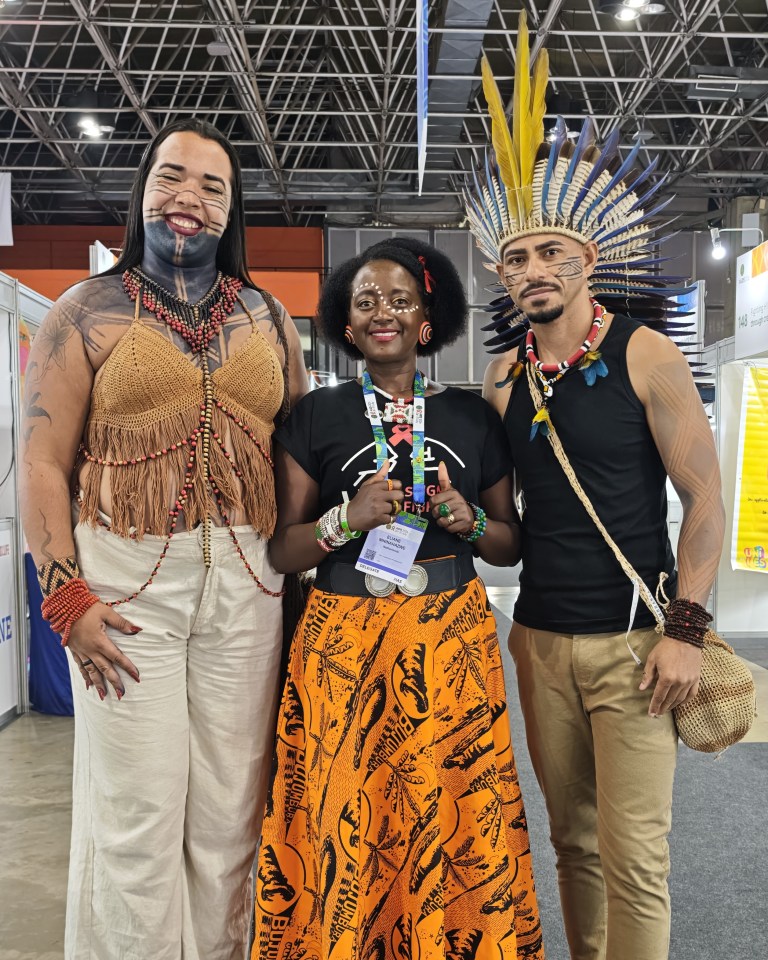
Hello lovely people, earlier this week I was in Rio de Janeiro, Brazil, at AIDS 2026 for less than a week but honestly it felt much longer. From the pre-conference to my final moments, I showed up as HIV Stigmafighter and Eric the Dragking. Rio embraced both sides of my activism.
The Conference

AIDS conferences are always overflowing with sessions, many happening at the same time. I have to pick and choose and hope to land where my voice matters most.

So, I attended some sessions on HIV prevention and access to long acting PrEP. It was painful to hear that after developing injectable PrEP, access is still blocked by bureaucracy and inequality. The shock was real when I learned that Brazil is excluded from generic PrEP enrolment. At a conference hosted in Brazil! This decision fueled anger and protests. It reminded me that policy decisions are still made far away from people who need the medication most.

I joined two sessions focused on women living with HIV. For once, the spotlight was on success and progress. It was powerful to see women celebrated for leadership and resilience. When treatment works, we rise and we bring our communities with us.

In EATG’s Silver Zone, my sisters from The Well Project talked about HIV and menopause. This topic is often avoided by healthcare providers. Women shared experiences that echoed mine. It was healing and necessary. It was also rewarding to finally meet familiar faces I only knew from online meetings. This is what AIDS 2026 is about, connecting with the global HIV community.

The good thing about the location is that I was able to meet activists from Brazil, Haiti, Puerto Rico and many other places we usually do not see at events in for example Europe. In the Global Village, we talked about stigma, access, and equity. I saw the same struggles repeated across borders. Stigma, criminalisation and a lack to equitable health services. So tell me, how are we supposed to end HIV and AIDS in a world that criminalises sex workers, same sex relationships and LGBTQIA+ lives?

There were also again beautiful art expositions throughout the conference space. You know what I say about art. It can carry messages where words failed. I admired paintings, handmade pieces, installations, and shows. The message was clear. Love us. Support us. Empower us.

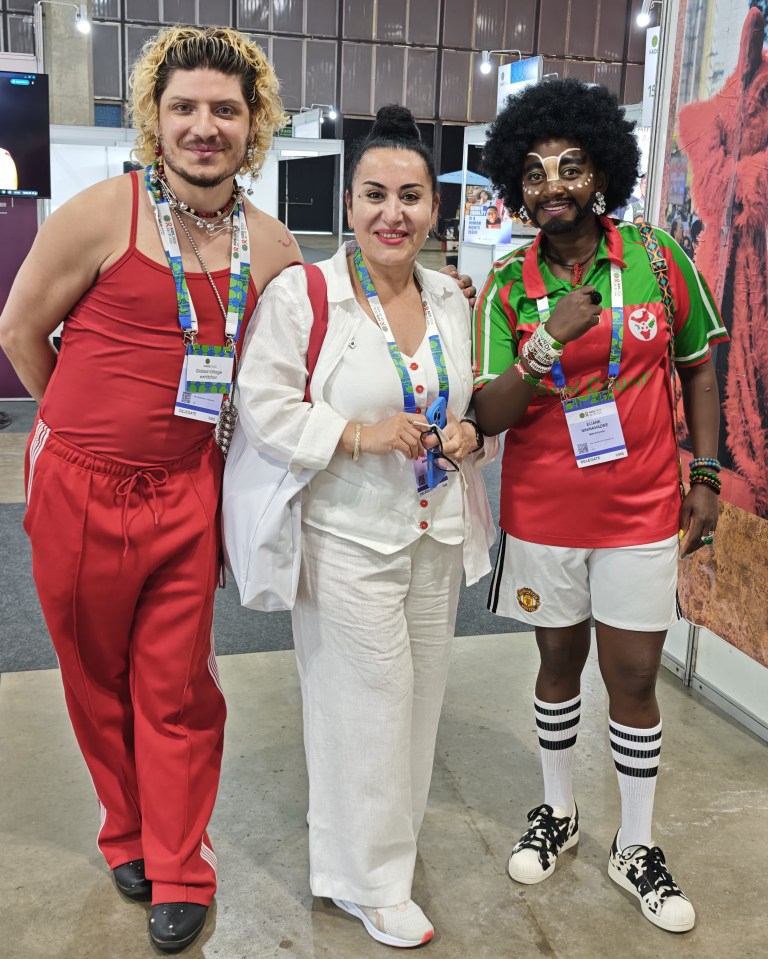
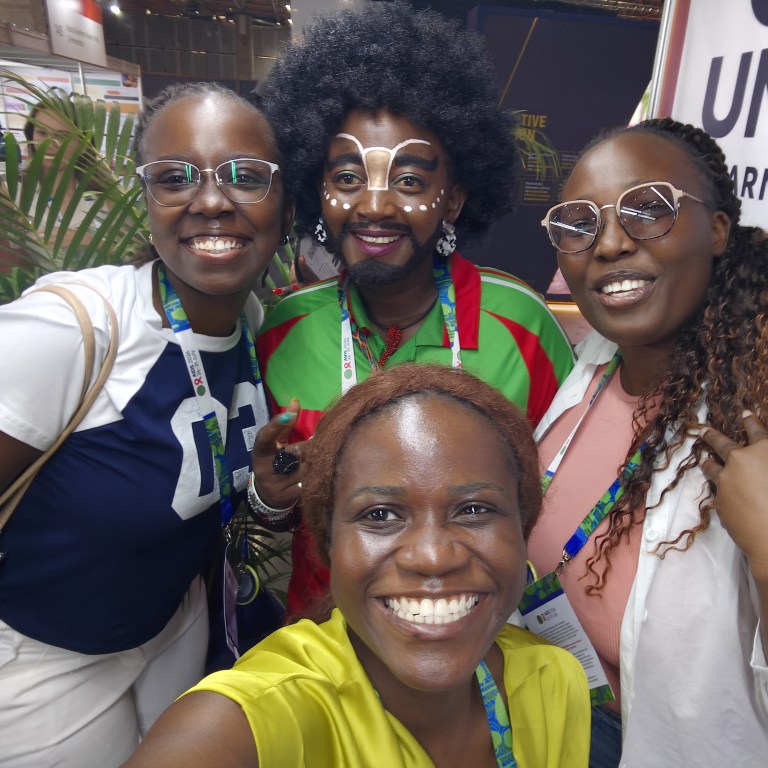
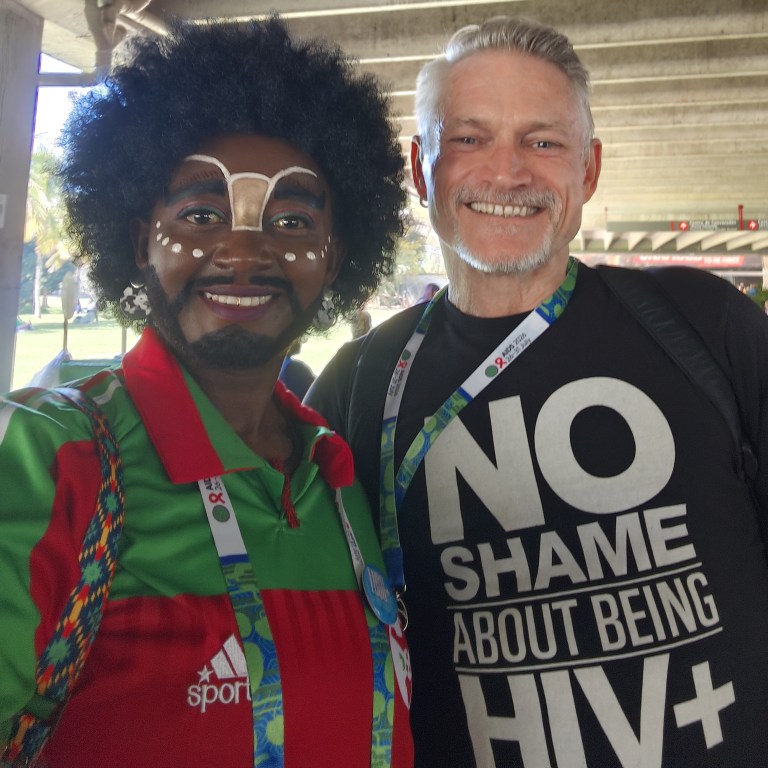
So many stories and artistic messages from our community! Everyone who shared a story from their local HIV communities received a HIV Stigmafighter pin and wore it with pride. Look at these pictures to get a feel of AIDS2026.

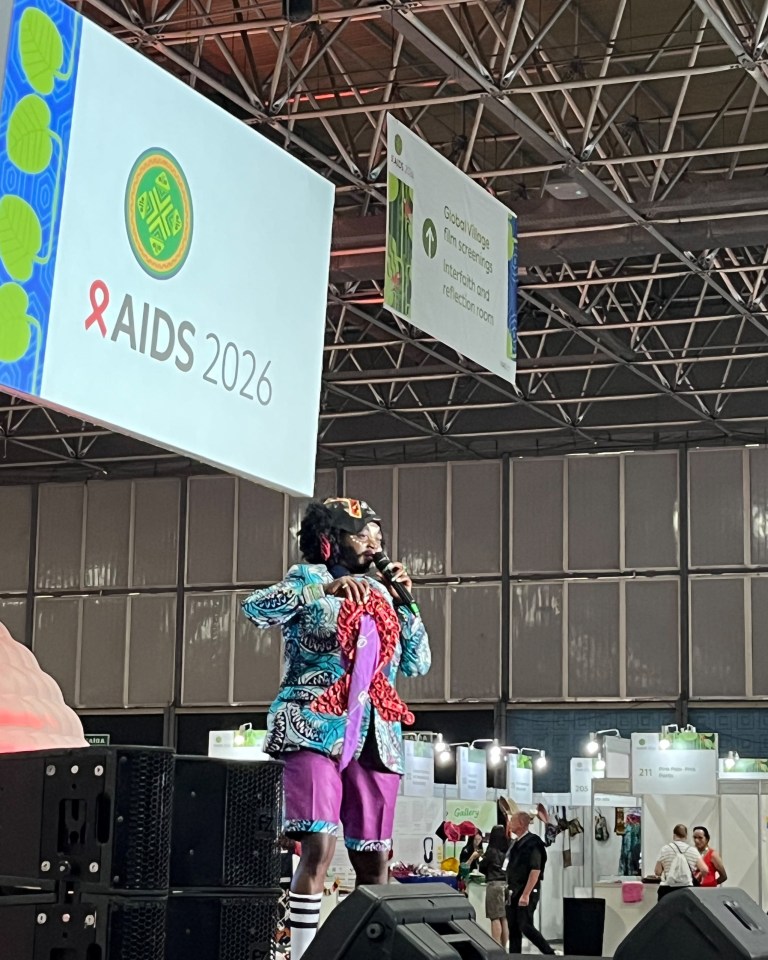
Eric the Dragking at the global village
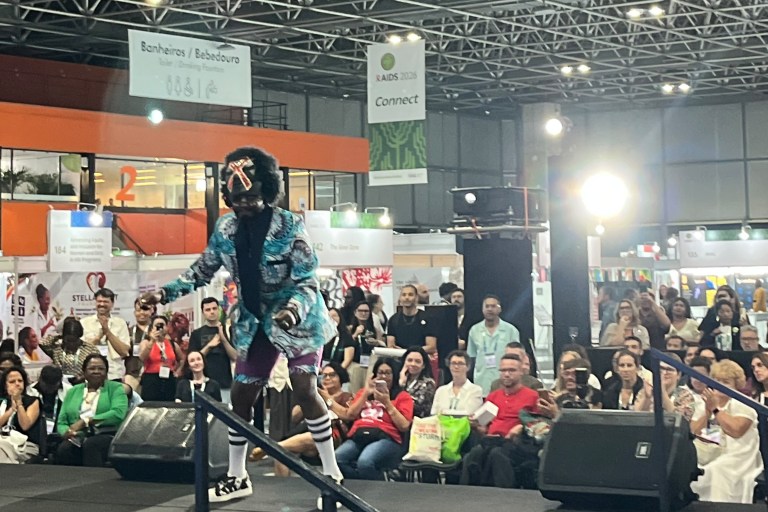
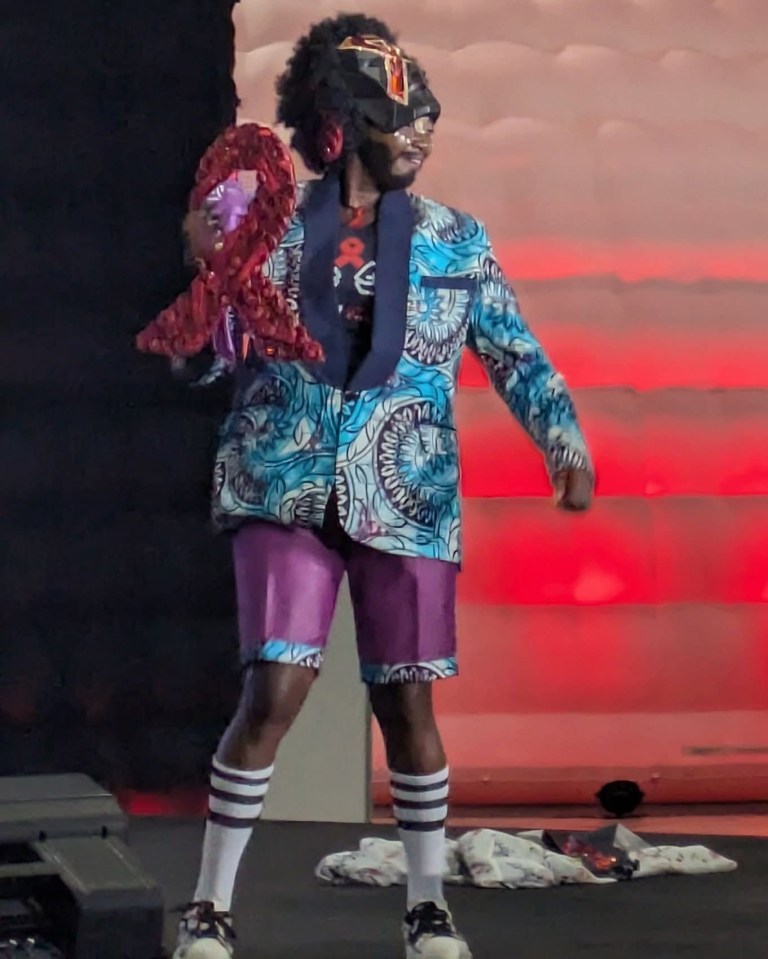
Opening the Global Village ceremony as Eric the Dragking was unforgettable. I have attended AIDS conferences since 2018, and this was the first time a drag king performed on that stage. So, Eric the Dragking did their best to dance HIV stigma away on the stage. We felt proud. We felt seen.
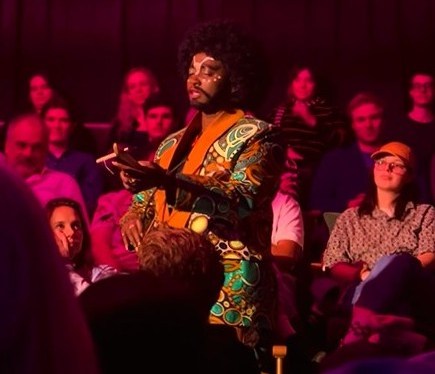
Eric collaborated with a Brazilian artivist and Hero of Hope Adriana Bertina. She crafted a massive beautiful red ribbon made of condoms, HIV test kits and PrEP medication especially for Eric. Revealing it on stage was such an honour. This was a true fusion of art, activism and global HIV community power.
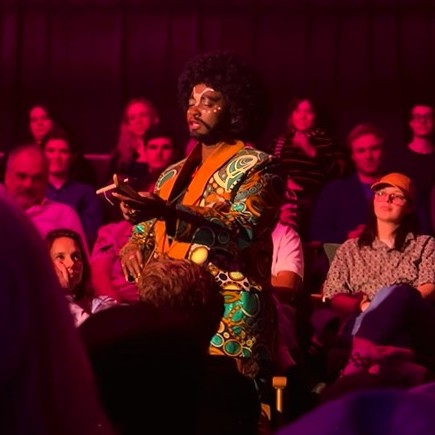
Eric also co-hosted Café Cazuza, an affiliated event to AIDS 2026, where global artivists from places as far as India, Uganda, Burundi and Brazil came together to discuss what truly matters and celebrate our global HIV community. Eric helped to craft messages demanding Cure Now, PrEP access for Black women in Brazil and equity for all. Eric also gave a performance for the audience. The event was beautiful and a good reminder of the power of dragtivism.

Look at these wonderful pictures. People at AIDS 2026 loved Eric. We will be back in two years!

If RISE is about a funding crisis, what was there before?

Now onto a serious topic… RISE was presented as a way to overcome the global funding crisis through community leadership and scientific innovation.

But while listening, watching and feeling the grassroots energy, I kept thinking: We have always been the ones rising, we have always been the innovators, we have always been the leaders.

And we have always done this with limited financing and constant precarity, while establishment actors continue to receive the bulk of the funding. So when RISE talks about overcoming the funding crisis, I cannot help but ask: What crisis, and whose crisis is it? Because grassroots actors hardly access this funding in the first place.

If the money has been flowing mostly to establishment organisations while grassroots groups remain unseen, and if we are still expected to deliver impact without investment, then what exactly has changed for us? I am not cynical, I am just being clear. And clarity is the beginning of accountability.

In the end, Rio reminded me that ultimately the HIV response is powered by people from the many local HIV communities who refuse to disappear. AIDS 2026 is a celebration of our globally connected HIV community. It is a moment where we rise with unity and pride to ensure no one is left behind.

Peace,

Eric & Eliane

Mandela Day 2026 – Stories of Hope 5 years

On Mandela Day, we honour a truth Nelson Mandela carried throughout his life: “It is in your hands to create a better world for all who live in it”.

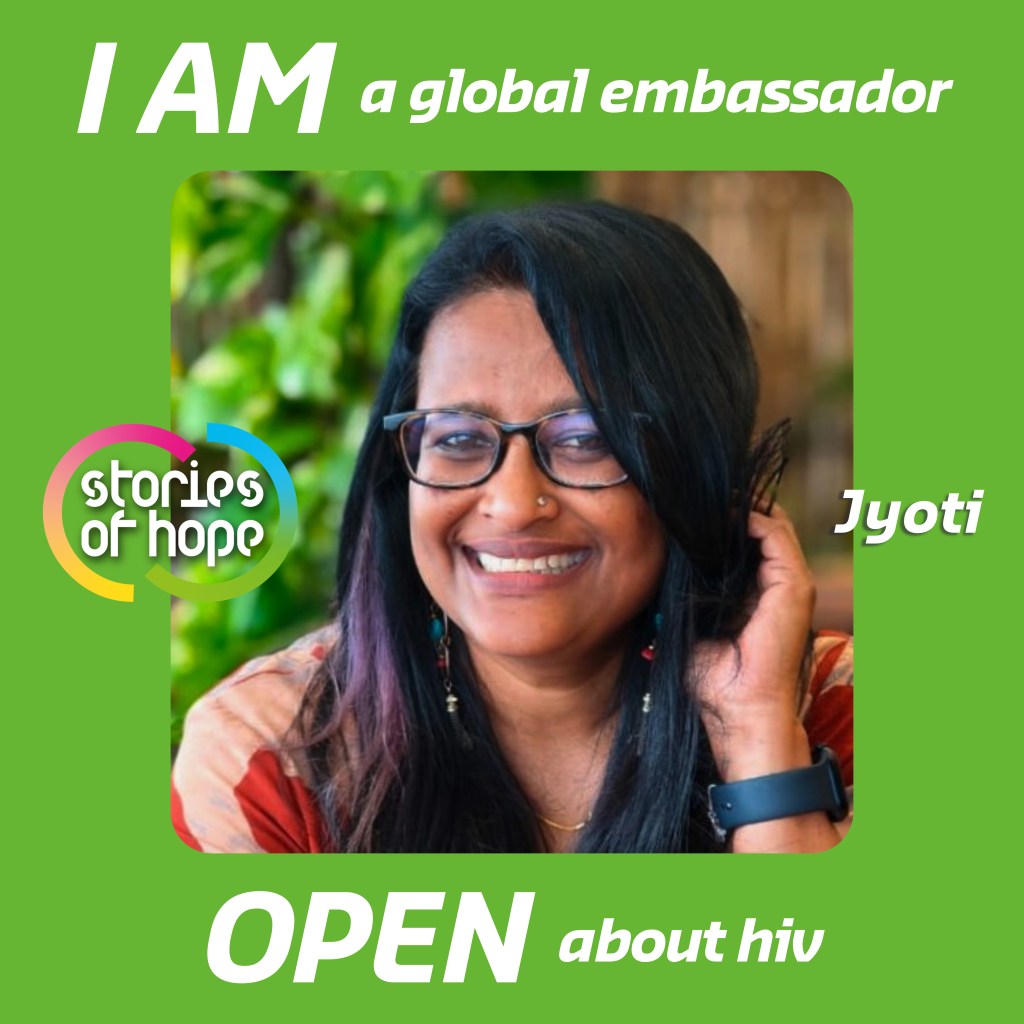
Five years ago Stories of Hope was built on this belief as we continue to honour people who choose extraordinary courage, turning their lived experience into light for others. Today, we celebrate one of those lights.

Jyoti Dhawale stands in the long lineage of people who refuse silence. For more than 20 years, she has lived openly with HIV in a society where stigma still tries to shape destiny. Her choice to be visible was an act of resistance, but also an act of service. She transformed her story into inspiration for others.

Mandela taught us that dignity is a collective responsibility. Jyoti embodies that responsibility. She advocates for women, for people ageing with HIV, for U equals U, and for inclusion of people with disabilities in the HIV response. Every day she acts as a global embassador for those who feel unseen.

Stories of Hope exists as a space for stories like Jyoti’s. It is a reminder that our fight for a world free of stigma is found in the daily acts of courage that change how communities think, feel, and care. Jyoti’s journey shows us that hope is not abstract. It is lived and shared.

On this Mandela Day, we honour Jyoti as our newest Hero of Hope. Her story is a call to action. Her leadership is a reminder that creating a better world is in our hands.

Peace,

Eliane

Rainbow June

My lovely people, how many of you see June as the Rainbow month? Every June, no matter where I am, I celebrate Pride Month with the queer community. For many, it’s the one time of year when the sun shines directly on them. It is a moment of visibility, joy, and freedom. In June I also hold in my heart those communities where Pride cannot be celebrated openly, where rainbow flags remain hidden, and where people dream of a day they can dance, speak their truth, and live without fear of persecution.

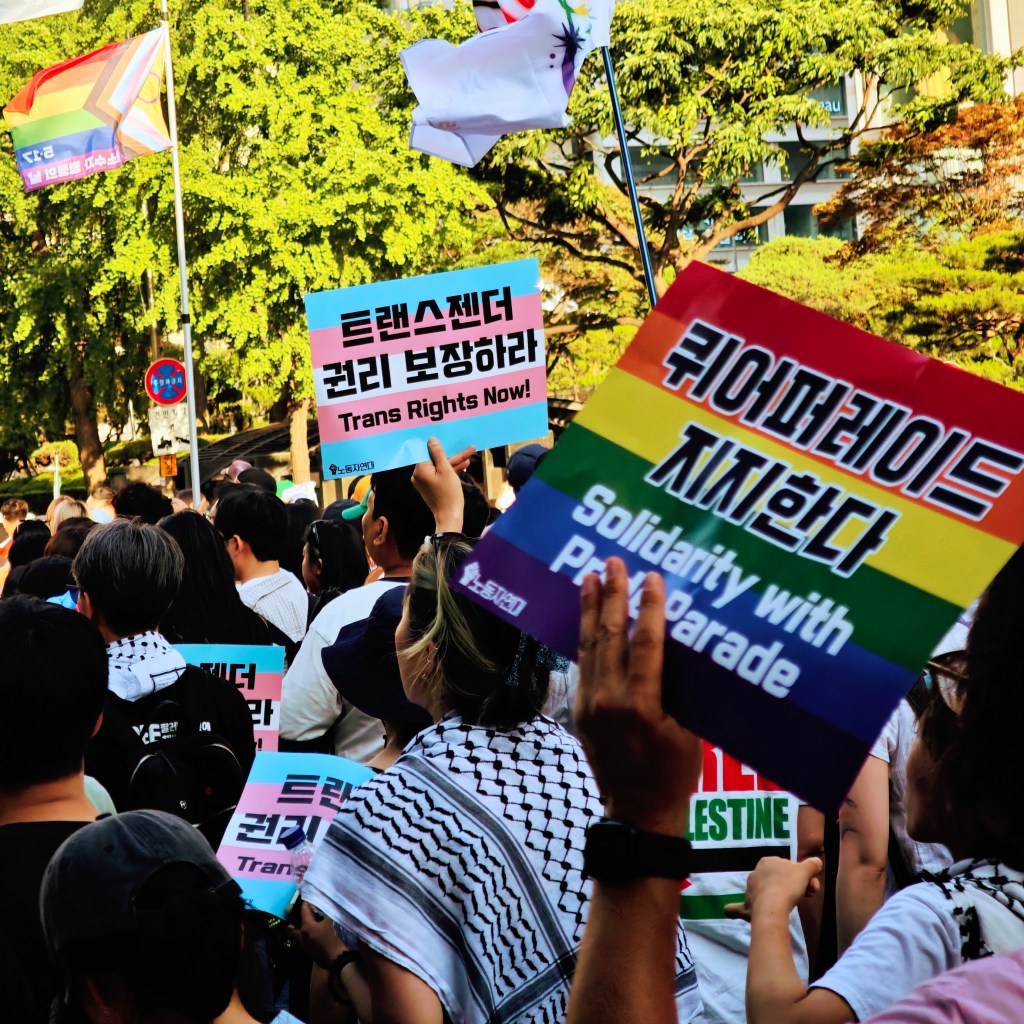
This June, I am fortunate to be in South Korea. Two years ago, I connected with local communities here, and returning now feels like being welcomed home. The celebrations are known as the “Seoul Queer Culture Festival”, but the spirit is the same: Pride. 

For me, Pride month began with a vibrant show led by Korea’s pioneering drag artist, Hurricane Kimchi. Through music and performance, artists reminded us of the importance of being yourself and loving who you are. Though the official name is “Queer Culture Festival,” Kimchi joyfully declared, “Happy Pride!” A reminder that June is our rainbow month everywhere.

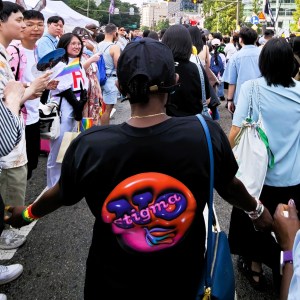
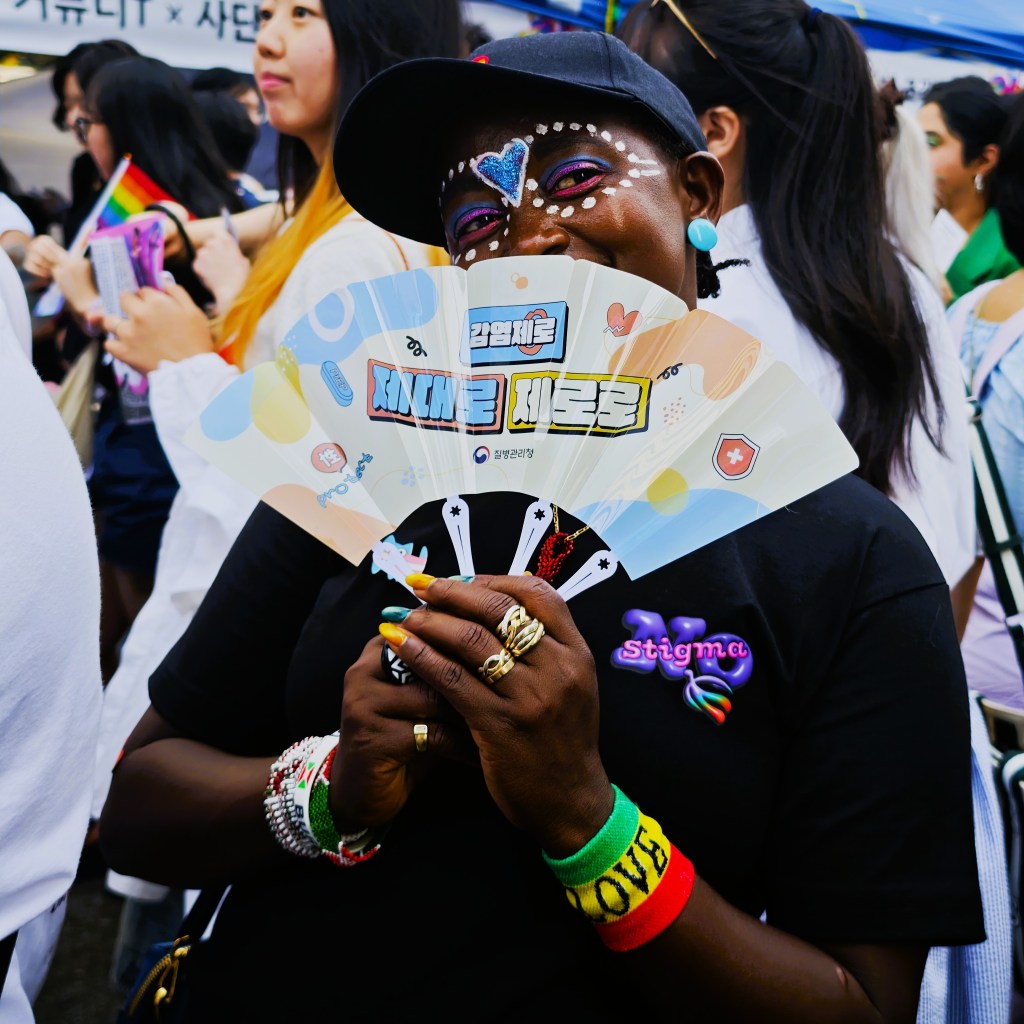
On Saturday, June 13, more than 50,000 people attended the Parade through Seoul. Flags waved, smiles shone, and energy filled the streets. I joined the march with my activist spirit alive, wearing a shirt that read “No Stigma” and sharing my messages on “U=U” and “PrEP Protects”. Advocacy for HIV prevention and stigma reduction must always be part of Pride, because knowing these truths means health and dignity. 

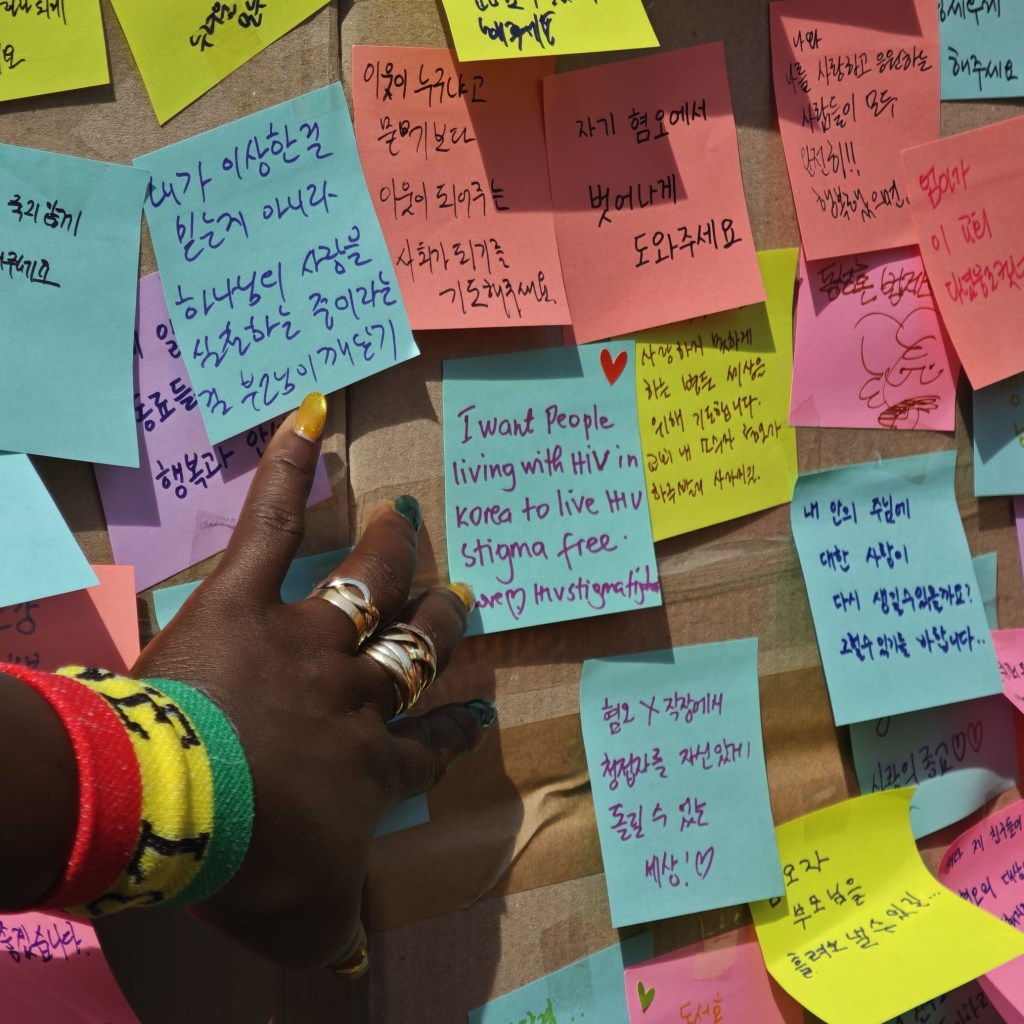
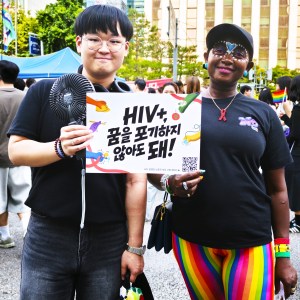
I visited many festival booths where people could write down wishes to be prayed for or have pictures taken within human-sized photo frames with positive messages. My core message was simple as always: a world free of stigma, where people living with HIV can express themselves without fear. One message I saw read: “HIV+ You don’t need to give up on your dream.” That resonated deeply. Activism is about expressing yourself without fear and building dream trees together. 

Not everything was joyful. Along the Pride route there were also religious protesters who held signs saying for example “Homosexuality go to hell” and “Kill all sinners”. As a religious person myself, I reject this distortion of faith. Jesus taught us to love our neighbours, without conditions of gender or race. To use God’s name to harm LGBTQIA+ people is the greatest lie. If God is displeased, let God act. Not humans who twist scripture into weapons.

I believe in God as the father of humanity, and I believe in Ubuntu: “I am because we are.” That’s why I continue to connect with communities needing support. On June 29, Korea marks “Sex Workers Day”, co-organized by groups like Scarlet Chacha and X Youth Sex Labor, and Solidarity Braza. Eric the Dragking is invited to perform, showing how dragtivism amplifies messages about HIV, AIDS, and to remind ourselves that Sex work is work. Let us continue our fight for dignity!

My final days in Korea will be spent with women living with HIV. Many face stigma in prenatal and postnatal care, and isolation prevents peer support. We are exploring ways to help support the building of digital peer networks and eventually peer counseling in hospitals. Strong, empowered women can transform healthcare systems from within. 

My Pride message for this month is: To every queer person, when they pray for you, claiming you are “sick” because of who you are, know this – they are wasting their time. The only healing you need is self-love. Accept yourself, embrace yourself, and shine so brightly that your rainbow beauty blinds ignorance.

Happy Pride,

Peace,

Eliane

Time travel – A honeymoon 23 years later

My lovely people, if you would have a chance to travel in time what would you do? First, make sure you are healthy as you can’t travel when you don’t take good care of yourself.

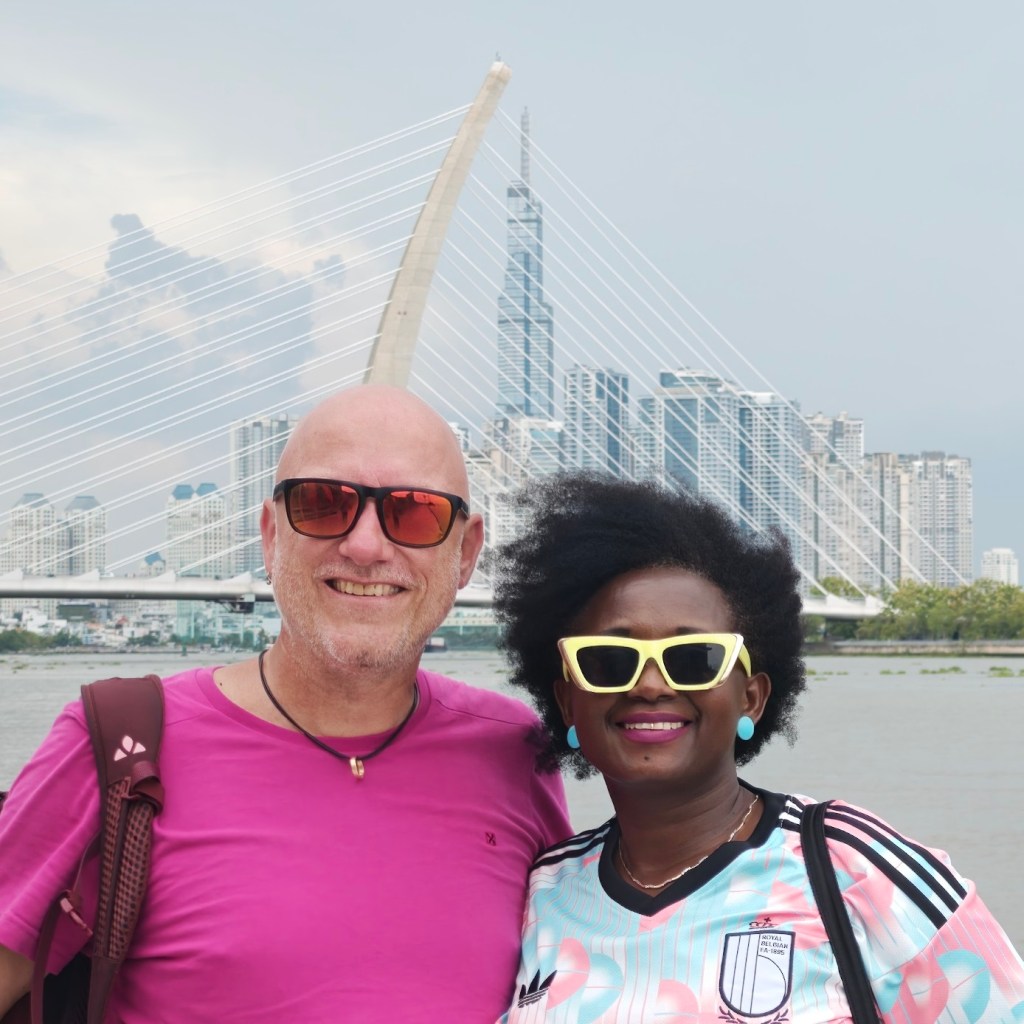
My story feels like time travel, which is not only about machines or science fiction. Sometimes, it is about memory, longing, and dreams that refuse to die. My journey feels like time travel, back to the moment I first missed my husband in Vietnam, and forward to the day we finally lived our honeymoon there, 23 years later.

23 years ago, 2 days before our first ‘separation’

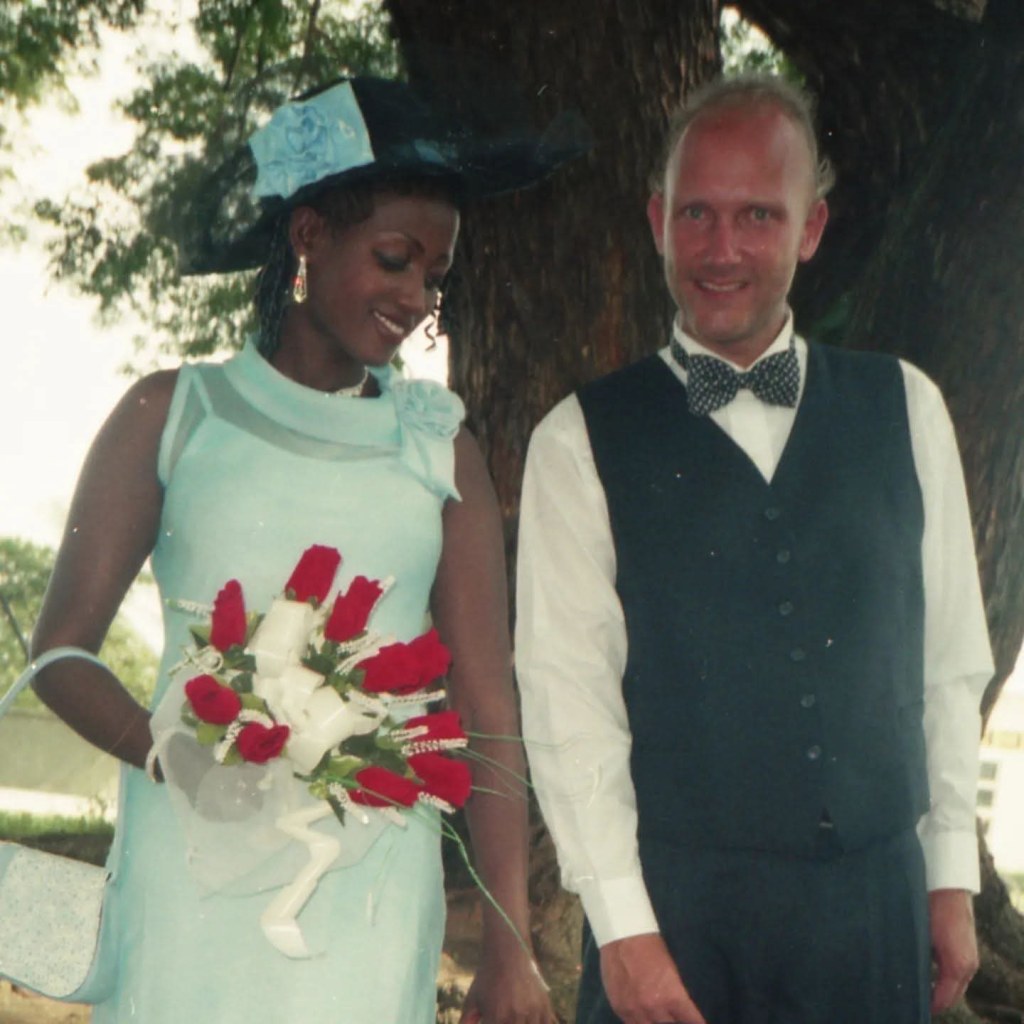
I met my husband in Burundi during the civil war. We were young, fearless, and deeply in love. On Saturday, January 4, 2003, we married. Two days later, he left for a six months work trip to Vietnam. There was no honeymoon, only gossip and doubt from the community. People whispered that he had another wife, that our wedding meant nothing. But I trusted him. In my prayers I said: “Please God, guide him, keep him safe, and return him to me healthy.”

Communication was difficult those times. There was hardly any internet, no whatsapp or facebook. So I began to imagine Vietnam, his favourite food and restaurants, the language, the people. At school we had only learned about the Resistance War against America in the 60’s and 70’s, but I wanted to know how life continued beyond it. That dream became a leaf on my THRIVE dreamtree: Travel in time for a Vietnam honeymoon.

This month, it finally happened. Together we explored Hanoi, Da Nang, Hoi An, and finally Saigon. In Hanoi’s war museum, I felt sorrow for the destruction and admiration for the resilience and compassion of the Vietnamese people. They forgive, but they do not forget. Their kindness to foreigners is a lesson I wish many nations would learn.

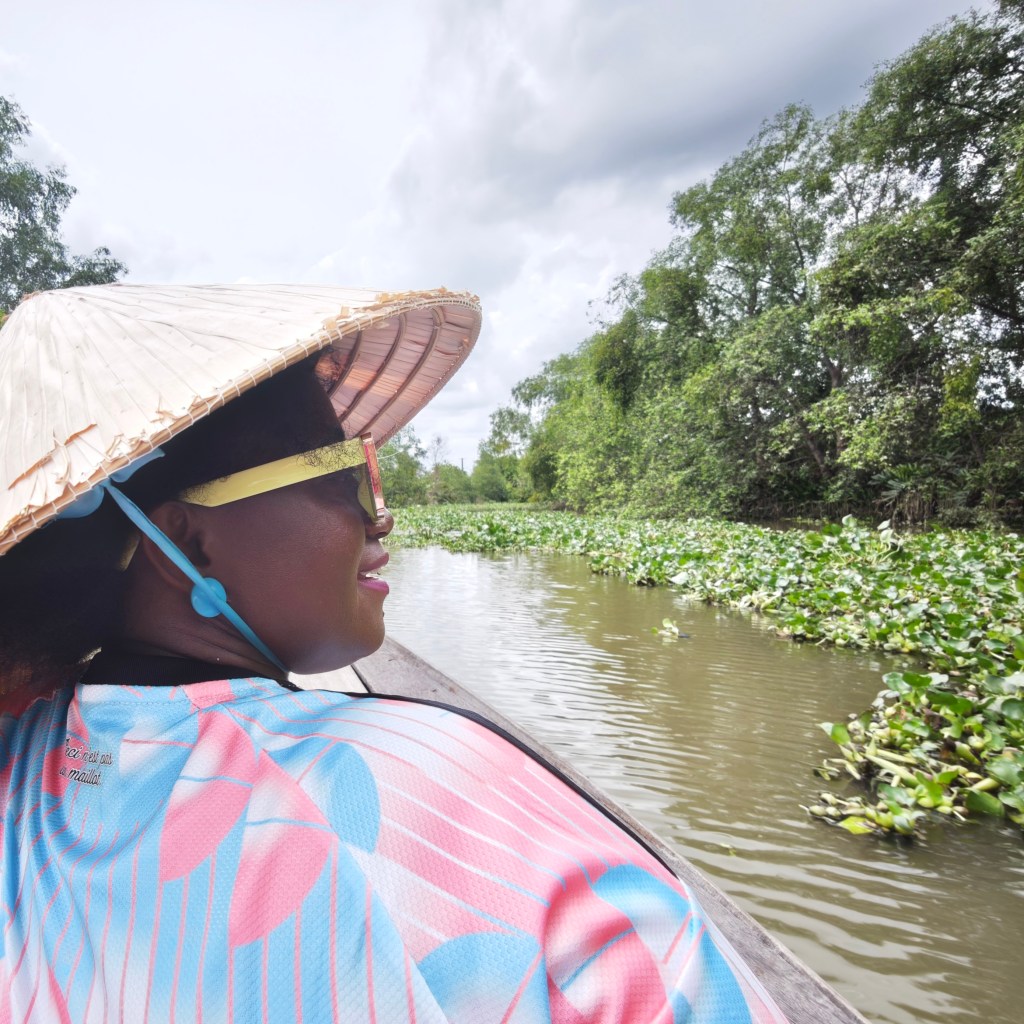
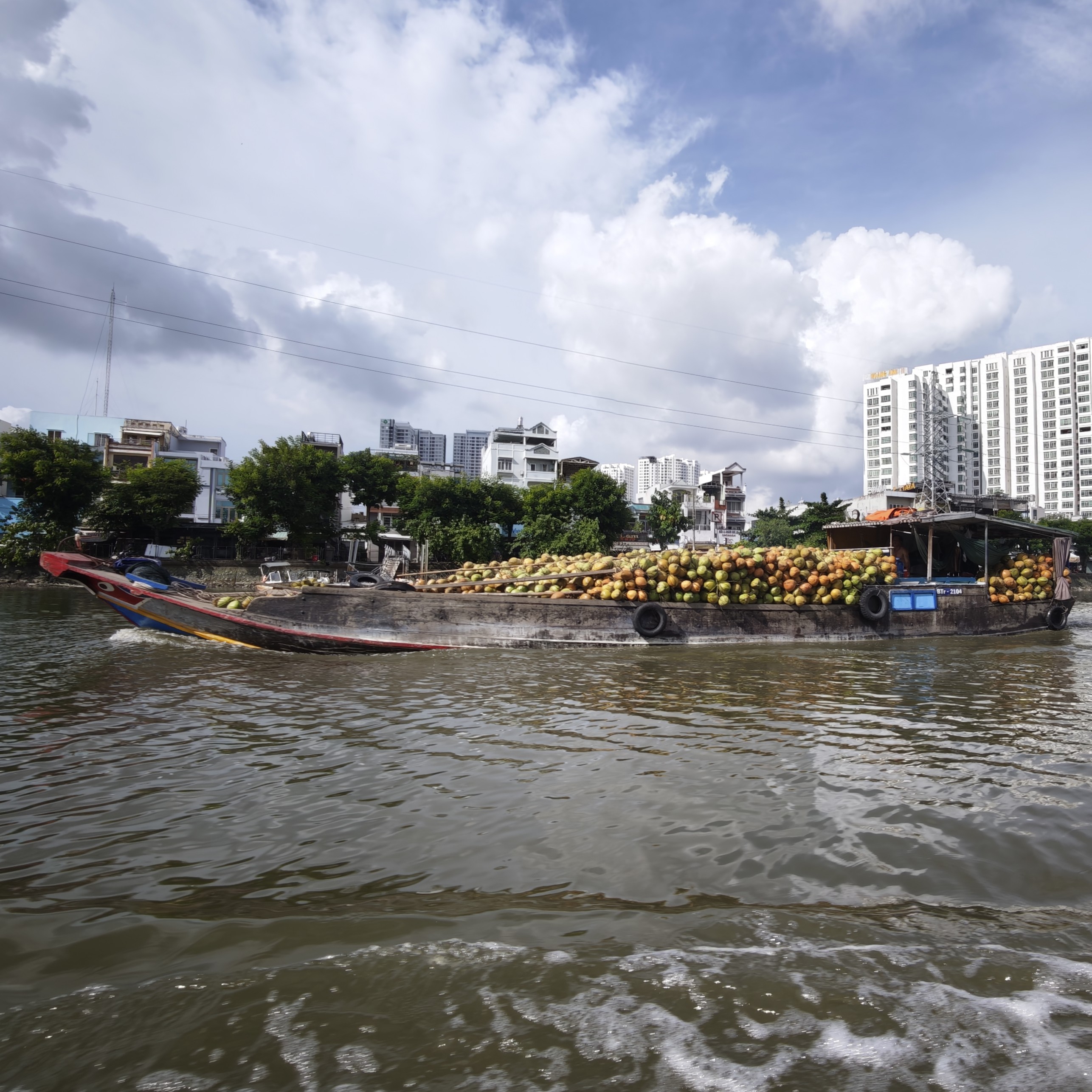
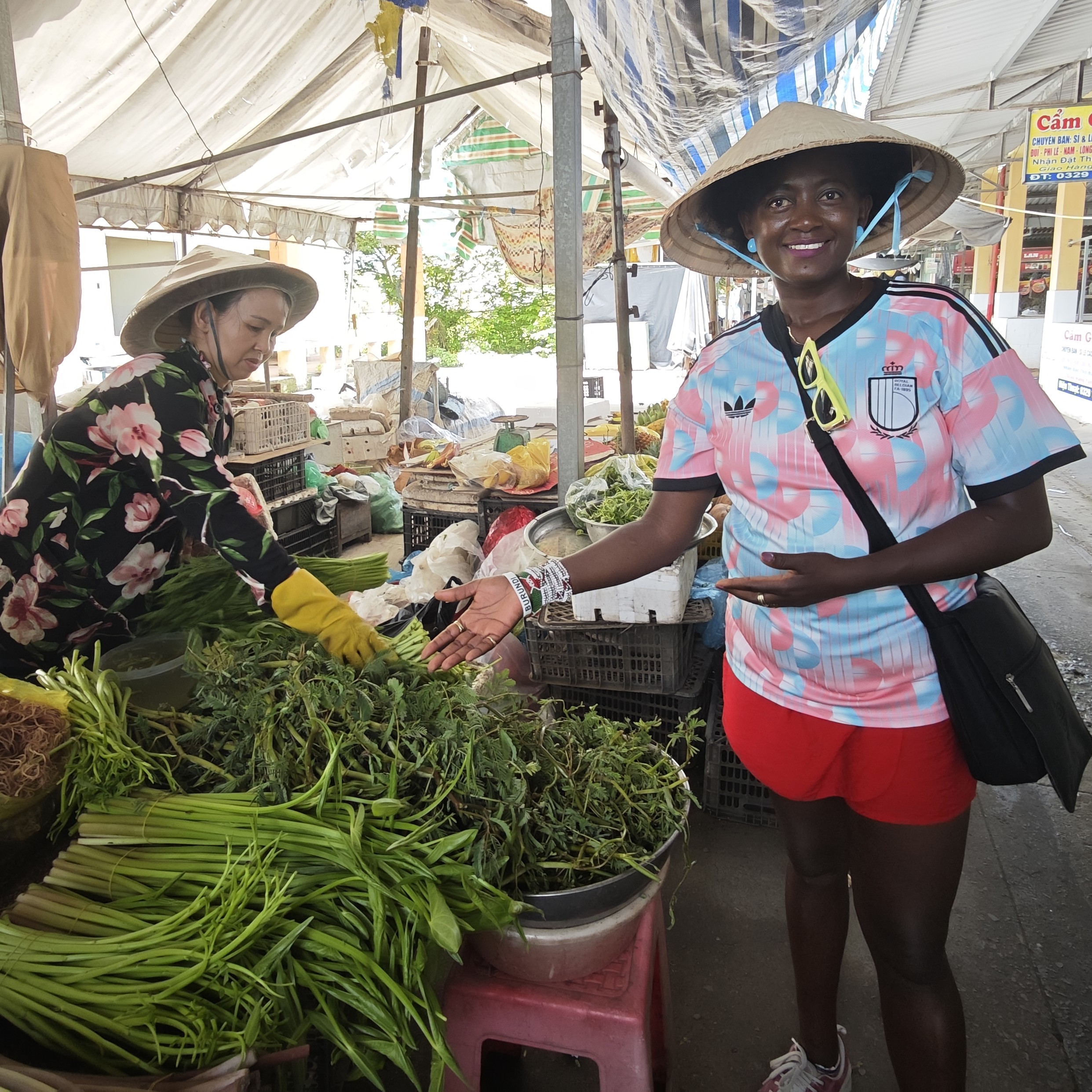
The Mekong Delta, the place where my husband worked for 6 months, was our final destination. A vast labyrinth of rivers and canals, sustaining 18 million people today, just as it sheltered resistance fighters decades ago. We visited villages, markets, and farms, tasting guavas, dragonfruit, and mangoes that reminded me of my childhood in Murira, Burundi. We prayed at the Cao Dai temple which unifies many religions in the world, shared meals from fresh market produce, and glided slowly in a fisherman’s pirogue, touching the water hyacinths like a green carpet. Truly, the Mekong deserves its name: Mother River.

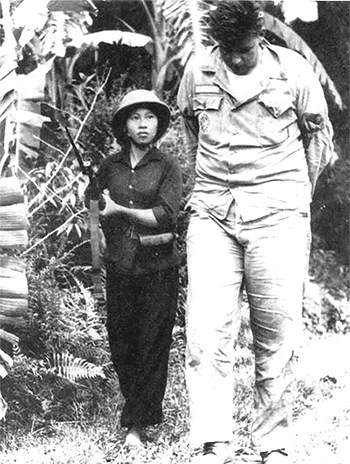
Nguyen Thi Kim Lai pictured by Phan Thoan

I also would like to share one story I learned about Vietnamese guerilla fighter and trained nurse Nguyen Thi Kim Lai at the Hanoi Prison Museum which touched me deeply. One day she captured a badly wounded American pilot who was hiding in the forests around Hanoi. When she saw his suffering, she instantly realised that “at that moment he was not a soldier, he was my patient, and I was his nurse.” So she tucked away her rifle and started tending to his injuries. Her compassion shows that even in war, humanity can prevail.

Vietnam taught me that dignity and forgiveness are possible even in the darkest times. Yet in today’s world, many communities – people living with HIV, sex workers, trans and queer people, people who use drugs – are still denied dignity and punished by unjust laws. Are they not human beings too? Love, respect, and access to health services are basic rights we must continue fighting for.

After 23 years, I finally lived my honeymoon in Vietnam. I did not give up on my dream. As my hero of hope Nelson Mandela said: “A winner is a dreamer who never gives up.” May his words, and Nguyen Thi Kim Lai’s compassion, inspire us all to keep dreaming, keep fighting stigma, and keep believing in peace.

Peace,

Eliane

Our own power

What is your desire? That question guided our Amani weekend at Sint Lioba Monastery, a space where we could finally breathe, connect, and listen to our inner voices.

We all carry dreams and desires, but we also carry the whispers that try to stop us: “No, you can’t”, “you don’t deserve happiness” or “don’t even try.”   These voices are not ours. They are fear. And fear grows when we stay silent.

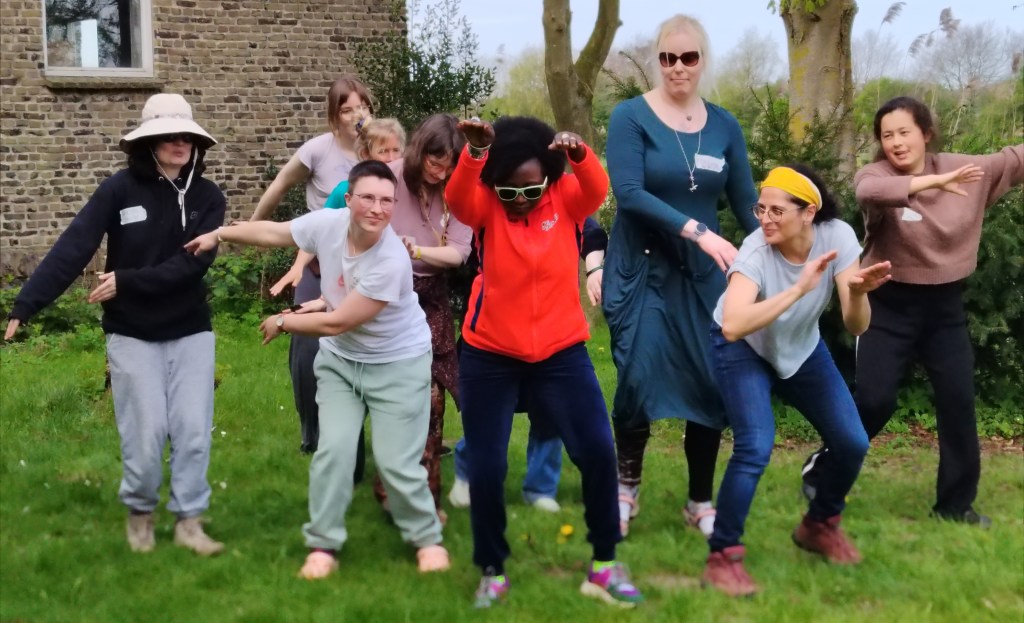
Sometimes we need a little push to share our dreams and desires. At the Amani weekend, we chose connection, building trust, sharing our stories, and discovering how much strength we carry. Even after so many challenges, none of us has given up.

Our mental health matters. To share dreams, we must feel safe, grounded, and alive.

We asked ourselves: What makes me feel alive? What do I desire beyond what society, family, or partners expect from me? The answer was simple: becoming the best version of ourselves.

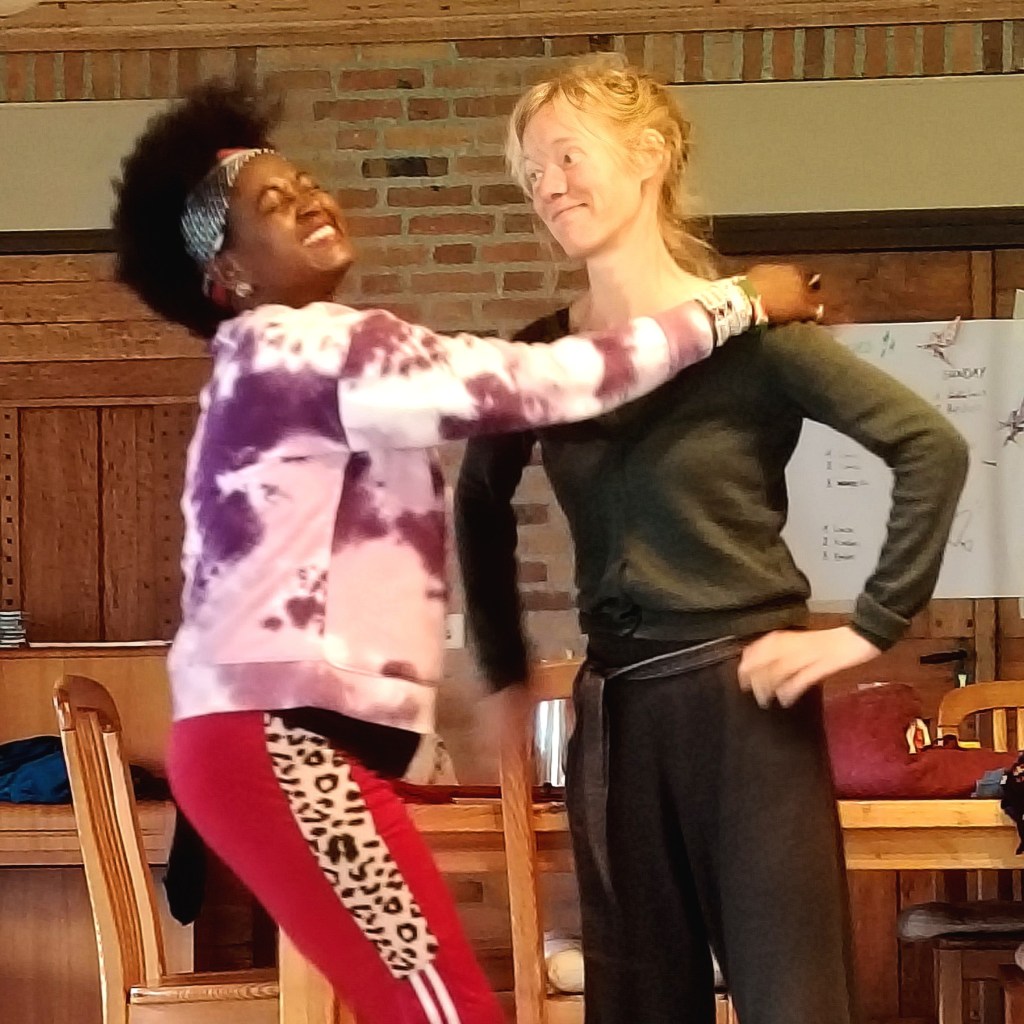
One exercise taught me this deeply. We assumed the formation of a group of geese, taking turns leading and supporting. It reminded us that power is not meant to be held alone. While in real life some people want to keep power for themselves, we learnt that true strength is shared and we need to help each other.

My stone drawng

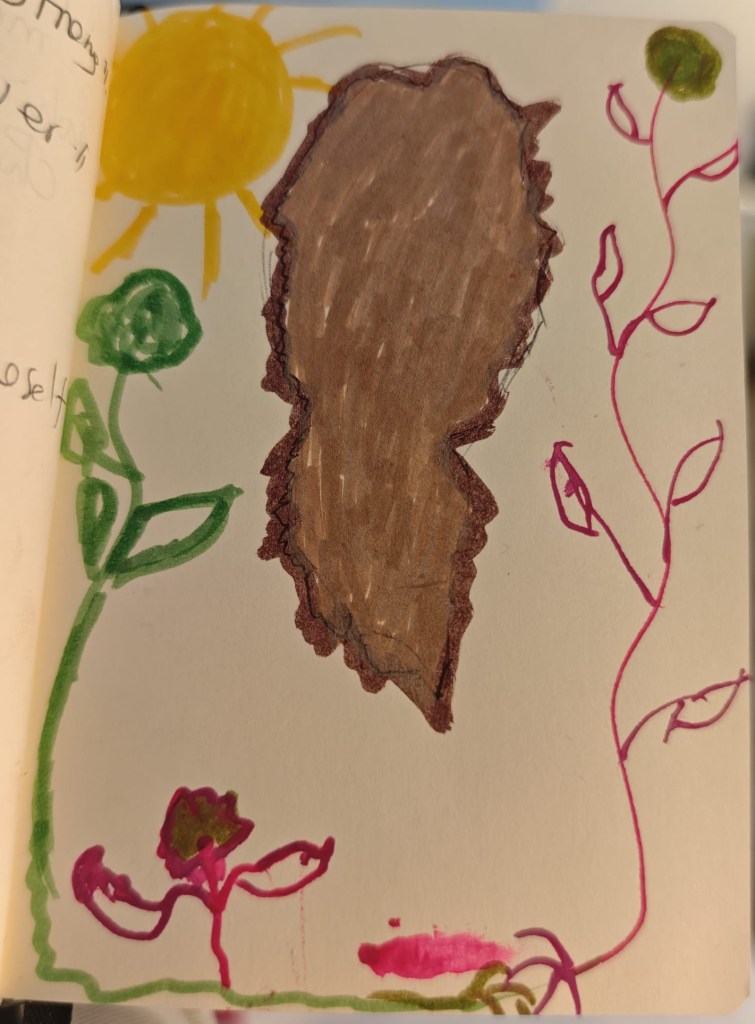
Another exercise asked us to walk in nature and find something that spoke to us. I found a stone between the grass and flowers. I picked it up and noticed it was solid, strong, and unshaken by rain, snow, or burning sun. It reminded me of my own journey: war, hardship, migration, survival… yet still colorful, warm, sharp, proud, and standing strong. My group saw the same in my drawing of this stone. We were connected, even with different backgrounds.

I am grateful for the Amani women. I felt safe enough to share my story. About healthy living, growing positively, and reclaiming joy. Walking on the beach, dancing at sunrise… these were dreams from my dreamtree, and I finally lived them.

Now it’s time to pick my next leaf of my dreamtree: Vietnam. A place my husband worked six months after our wedding, twenty‑three years ago. It took time, but I will finally see Saigon.

We all have inner power. We just need the courage and community to use it.

Peace,

Eliane

(pictures courtesy of Anna Moro)

I am strong!

My lovely people, have you ever witnessed the moment a dreamer finally becomes a doer? That is what my story of today is about.

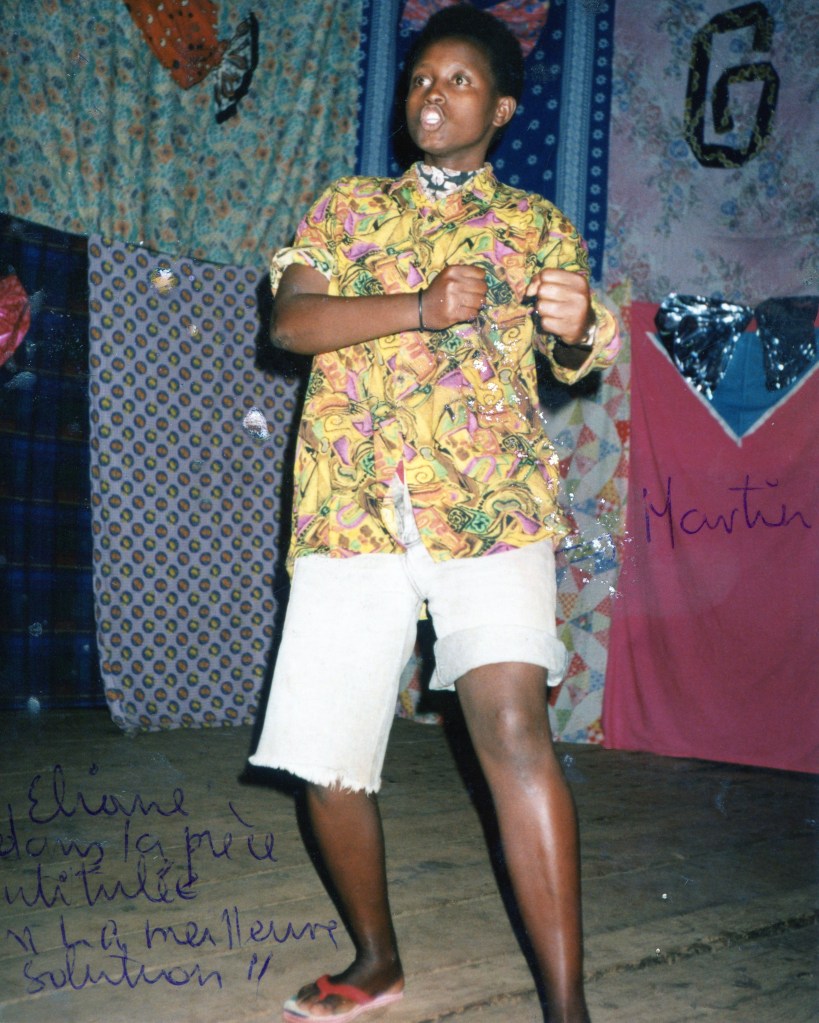
Since childhood, I expressed myself through every art form I could find. By dancing the traditional Umuyebe (a dance intended for Burundian men), drumming in a boys’ groups, or any other way. People told me I was “crazy”, doing things meant only for boys. But my inner voice told me, “Be happy, Eric”. I just could not see any barrier when it came to art!

Thanks to my parents and my school, I was allowed to be myself. So, every time Eliane performed, Eric felt alive too. Even as a child, I knew one day I would show Eric to the world.

When I attended Lycée Étoiles des Montagnes in Jenda village, I joined theatre and played a male role, a chef cook, and I shined! Later, while working at Musée Vivant in 2000, I met a man selling an Indonongo instrument I asked him to teach me to play it. I asked myself: Why don’t girls play this instrument? I knew many female artists, but they only sang, none of them played a traditional instrument like the drums or Indonongo.

When I started performing my Indonongo, compliments were few and insults were many. But the more people tried to stop me, the more determined I became. Eventually, they stopped talking, and I kept playing. I became the first Burundian woman known for performing the cowhorn instrument.

When I moved to the Netherlands, I became known as an African woman teaching African culture. I played mothers on stage, performed Indonongo, and carried my heritage with pride.

But my dream did not end there. As a dreamer and doer, I wanted to keep my promise to Eric and show him to the world. Not just for fun, but with purpose. I wanted Eric to help me fight HIV stigma, break taboos, and raise awareness.

In the beginning Eric was making a lot of noise, stomping HIV stigma away, and then I realised that he could do so much more. So I asked myself, “What if I played the Indonongo as Eric?”, “What if I sang too?”. And wouldn’t it be nice to be the first Burundian Drag King living openly with HIV and performing a traditional cowhorn instrument? Really, how many artists are out there who combine all these talents and share this with the world? Allow me to brag, I worked hard for it!

And that is who I became. Unique, unstoppable, and proud.

Thanks to Girls Won’t Be Girls / Boys Won’t Be Boys, I now tour theatres in the Netherlands, sharing my story and my culture.

Performing as Eric feels like bringing my entire life on stage. My childhood memories, my parents’ encouragement, the journey of Eliane and Eric growing together. I share the hardship, my HIV diagnosis, the moments of darkness, the joy of sharing my status, and the victory of choosing life.

When I ask the audience at my show to repeat…

I am strong like Eric!

I am lovely like Eric!

I embrace who I am!

I never give up!

…it is because someone in that room is fighting their own battle, just like Eric did. Those words are for them.

Allow me, with all my heart, to offer my deepest thanks to Rikkert van Huisstede, Artistic Director of Boys Won’t Be Boys, for believing in my story and recognising its impact. And to the entire BWBB and GWBG community, thank you for your support. Together, we break stereotypes and taboos.

And to all these girls with beautiful dreams in my home village of Murira, Burundi, and beyond I want to tell you that the world is changing. You no longer have to wait for men to decide what you can or cannot do. Look around, find your role model, your inspiration. They will show you what is possible. They make your dreams feel real. And if you can dream it, you can do it.

My lovely community, our work is not done.

We are strong, smart, and resilient.

We will keep showing the world our worth.

Peace,

Eliane (Eric)

Through their eyes: Young women shaping their future

My lovely people, I hope you have all been well. As many of you know, I spent the last three months of 2025 in Burundi, sharing precious time with my family and reconnecting with the communities that shaped me. One of the most meaningful moments of my stay was spending time with my sisters from BAWA (Burundian Association for Women in Action), a grassroots organisation I introduced to you in an earlier blog.

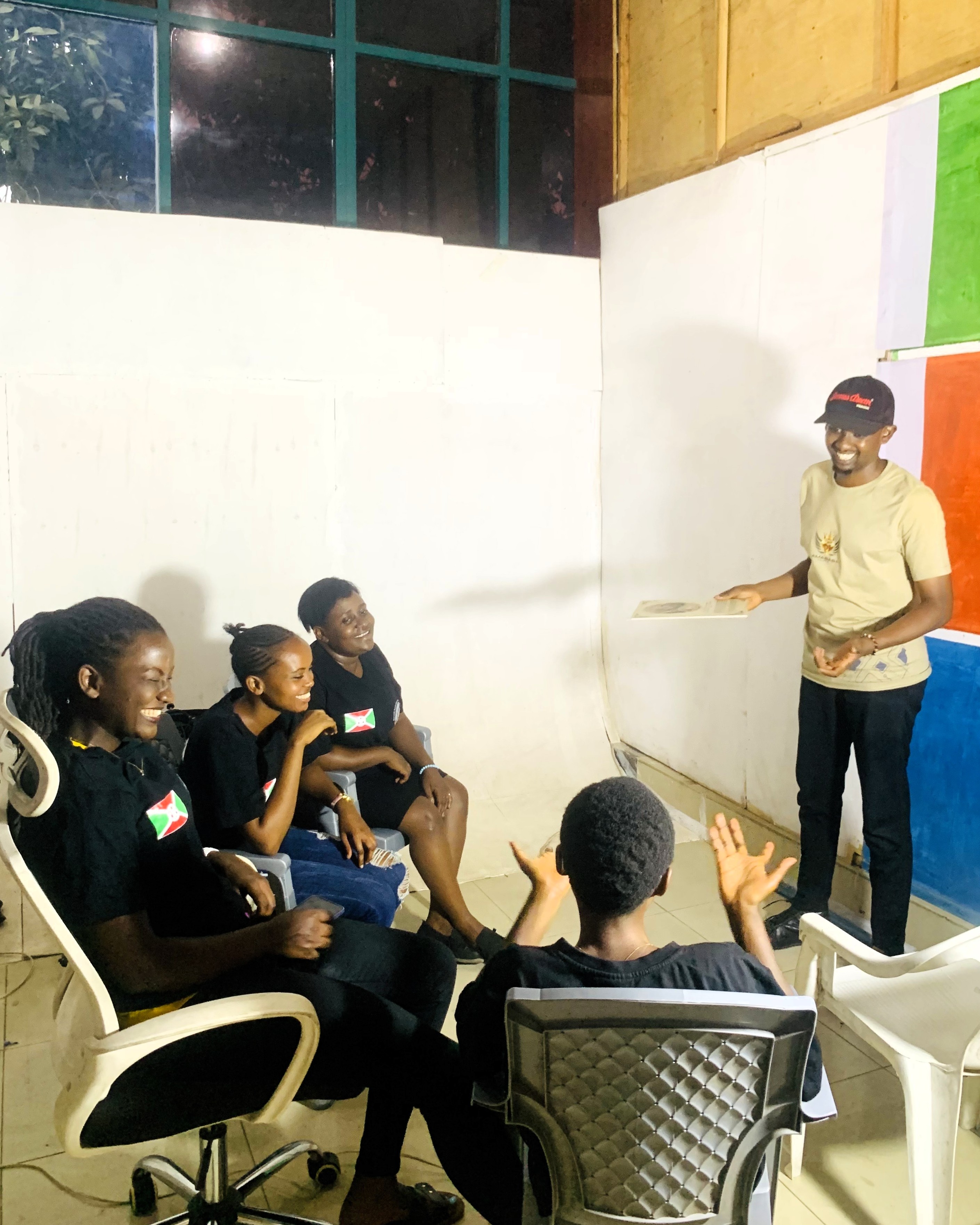
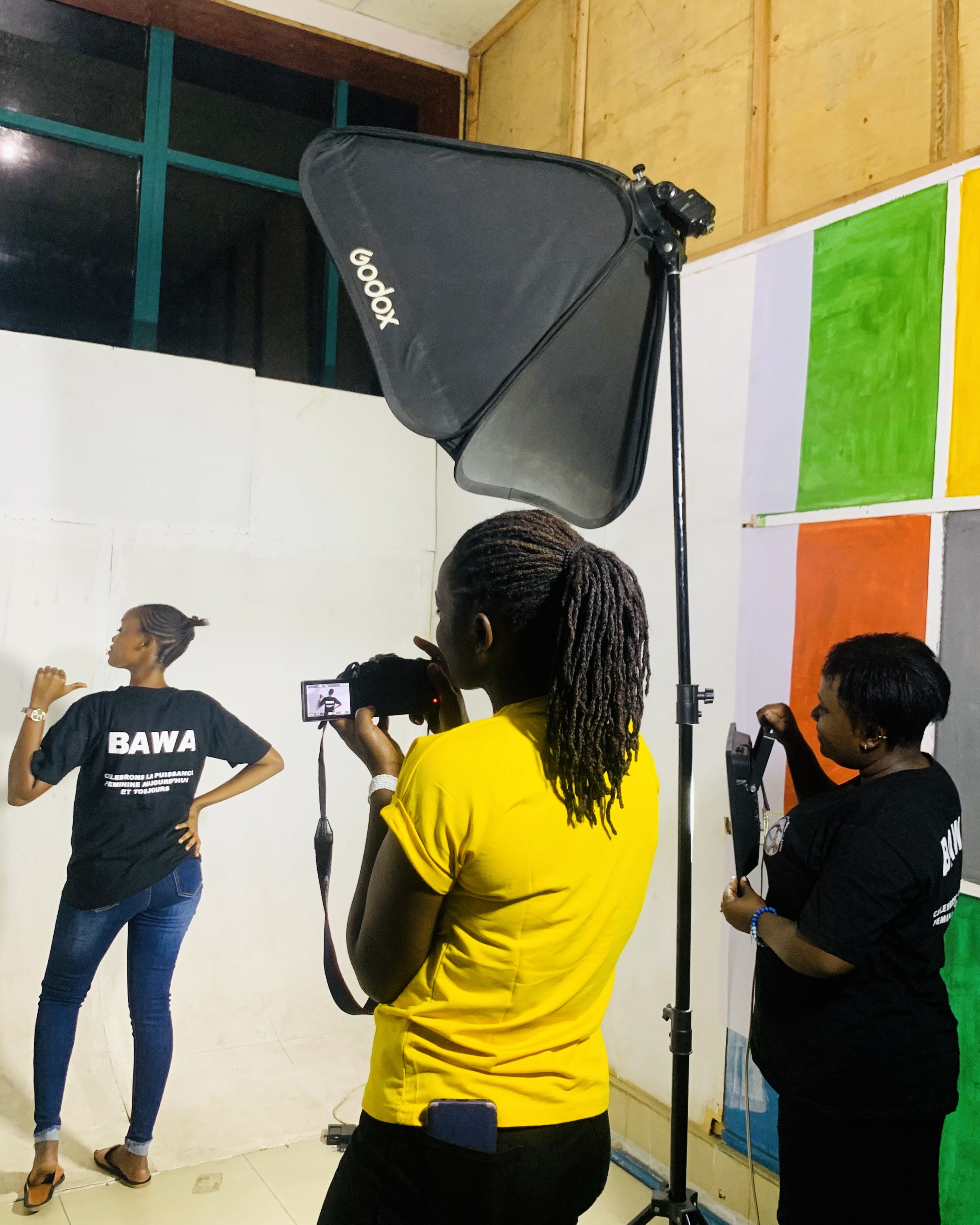
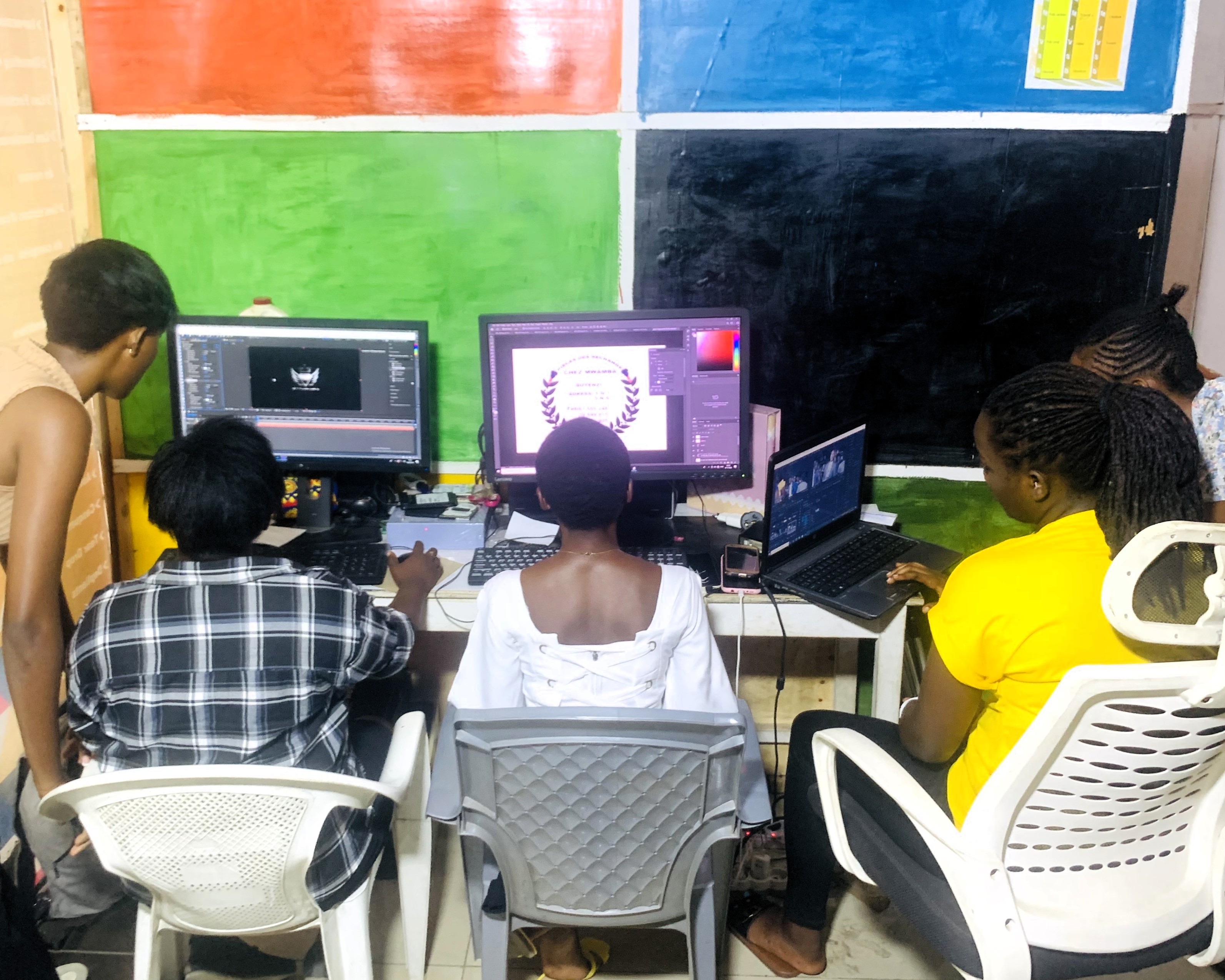
BAWA is a collective of vulnerable women, and among them are young women who urgently need practical skills to build independence and a brighter future. In Burundi, photography is not just a hobby, it is a real profession. With the right skills, a young woman can earn an income, support her family, and take control of her life. That is why HIV Stigmafighter chose to invest in strengthening their capacity in photography, design, and video editing. We believe in the potential of the women behind BAWA!

Creating memories on the streets of Bujumbura

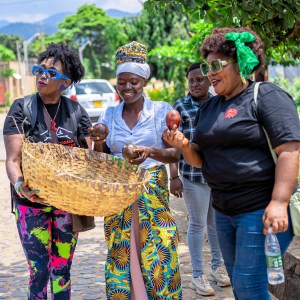
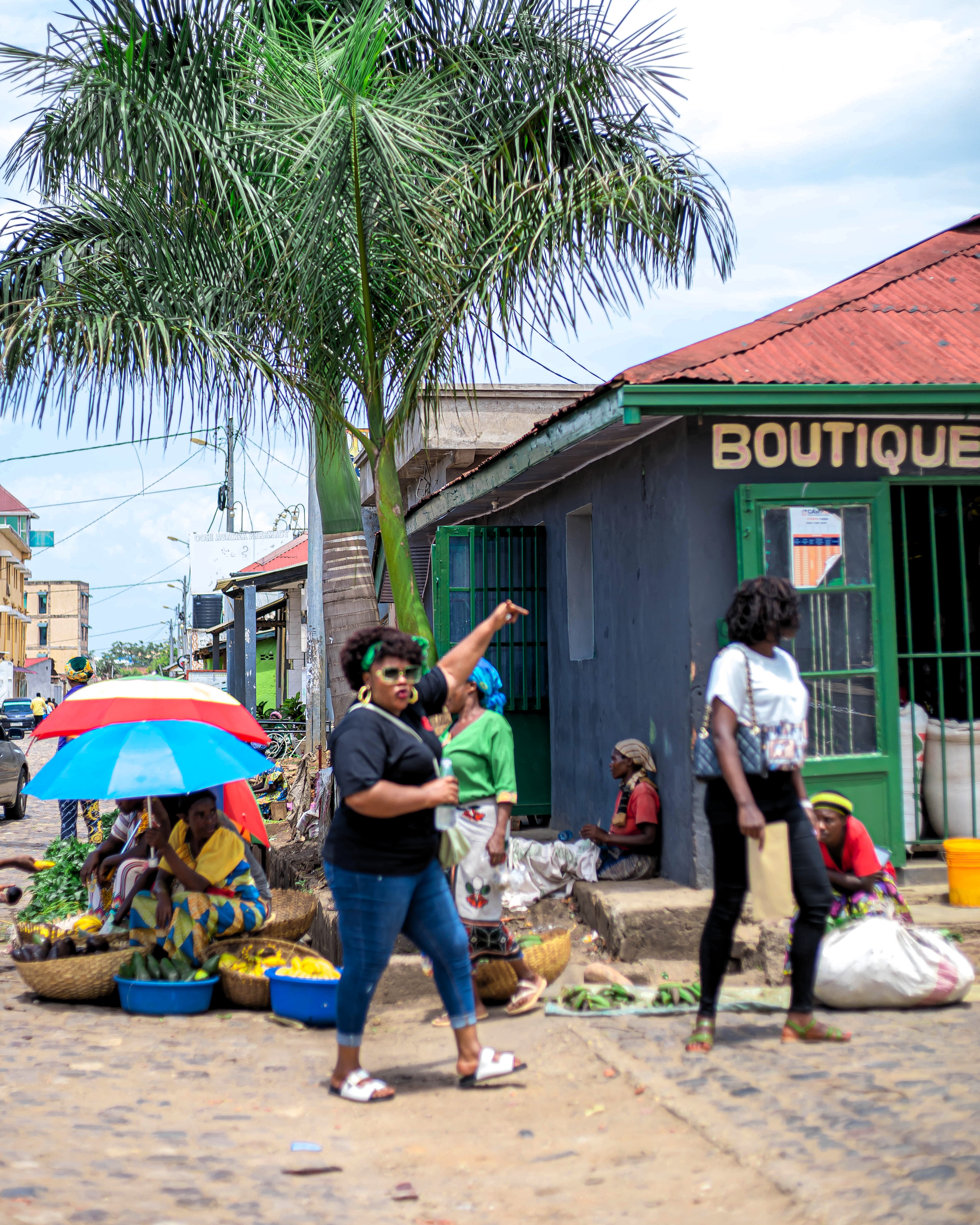
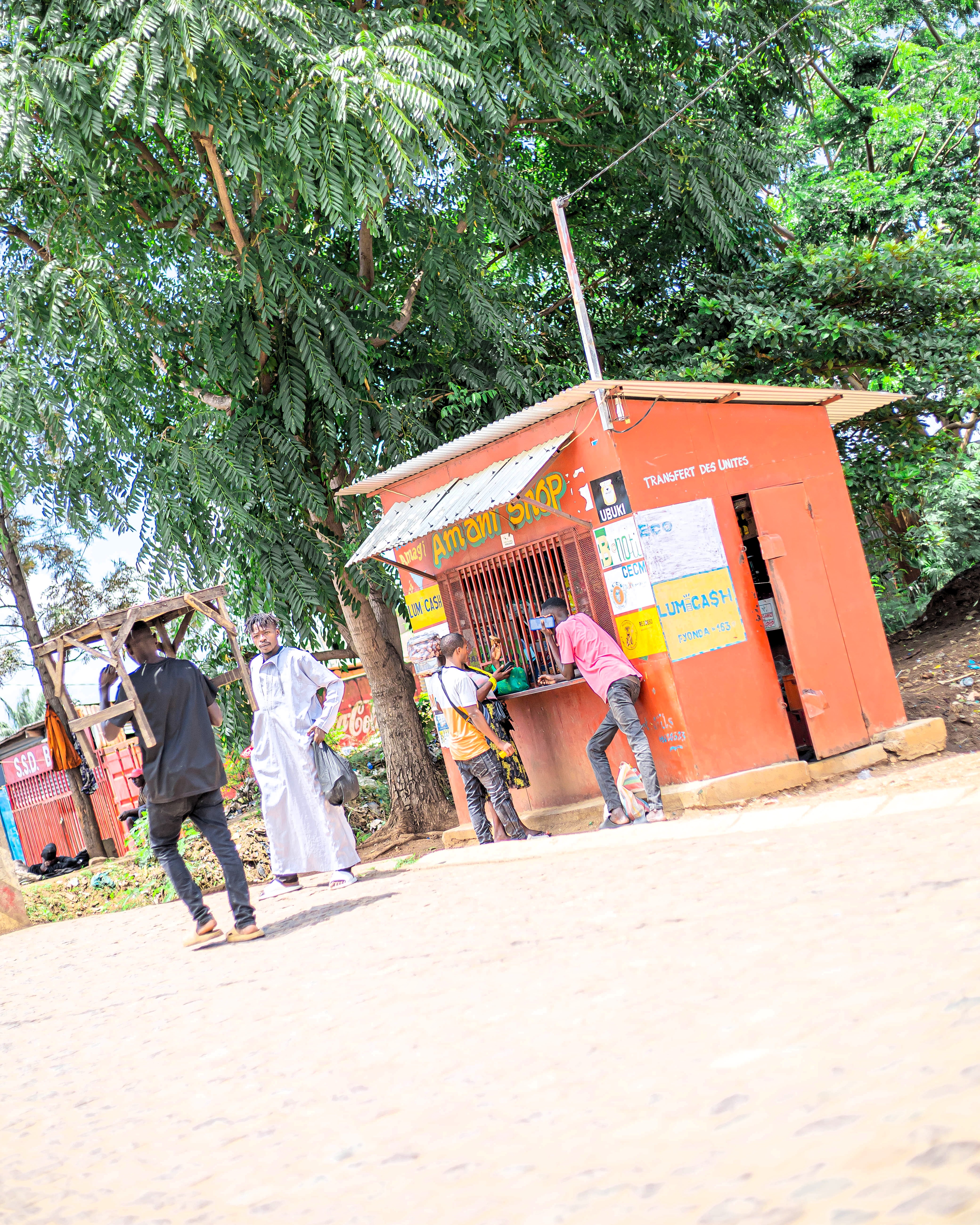
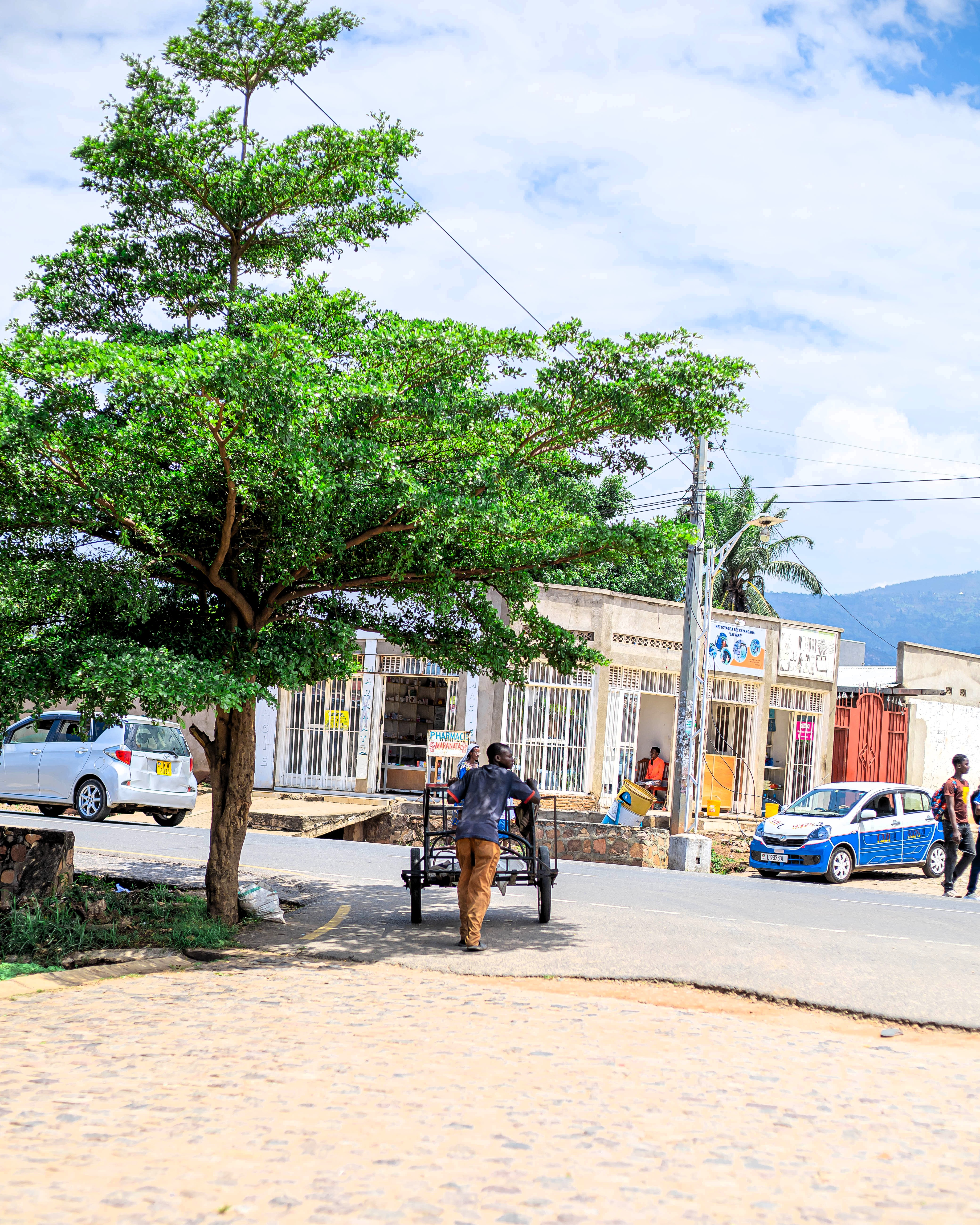
Burundi is full of moments that require a photographer: weddings, birthdays, funerals, school graduations, church gatherings, community celebrations. There is always someone who needs a camera. I had the privilege of joining the women of BAWA during one of their street‑photography sessions. It was incredibly hot, but watching them enjoy that day and grow in confidence and creativity touched me deeply and made every moment unforgettable.

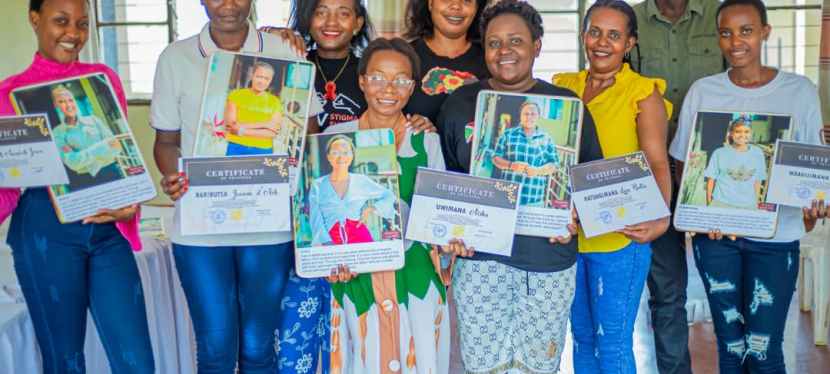
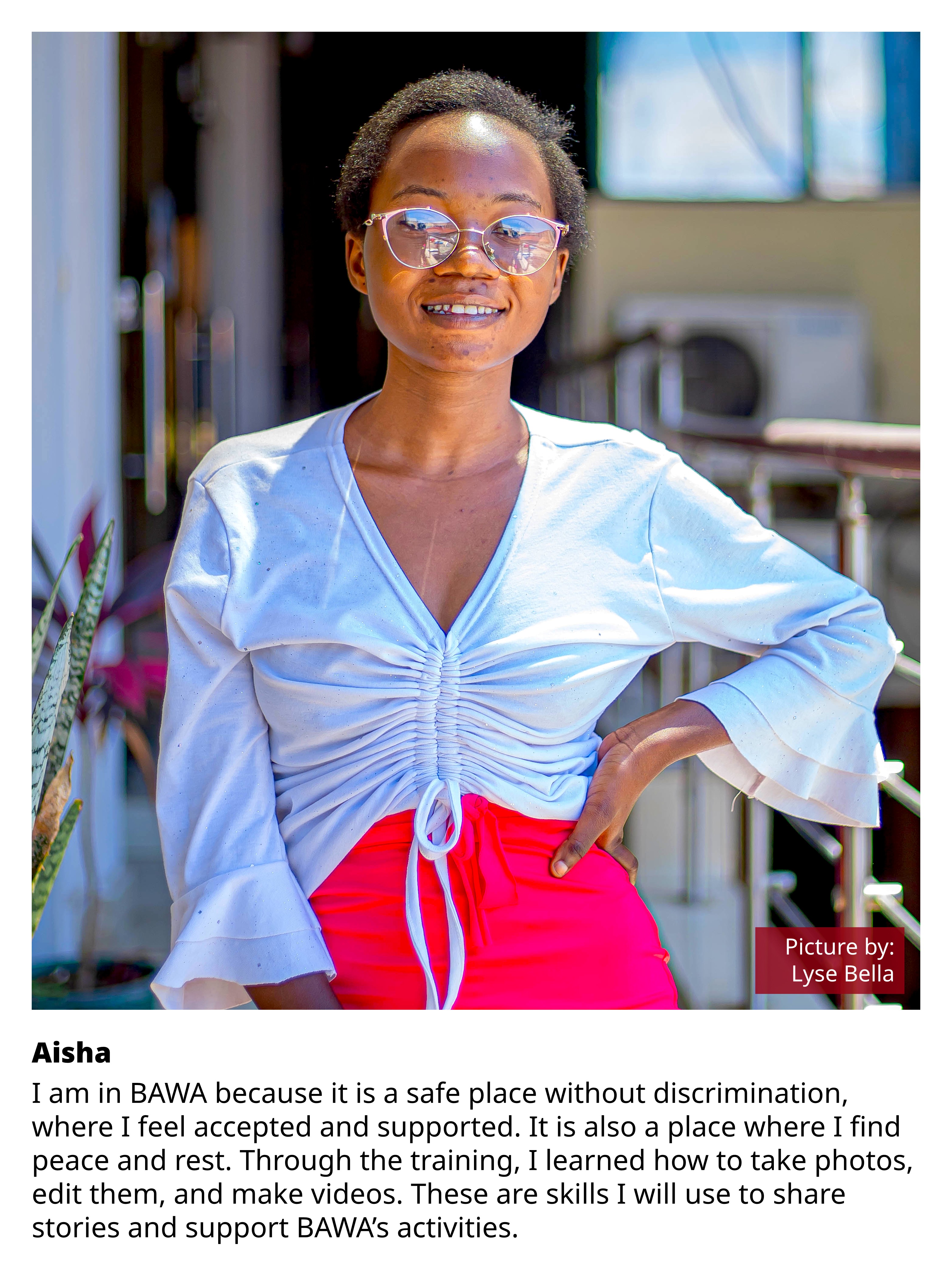
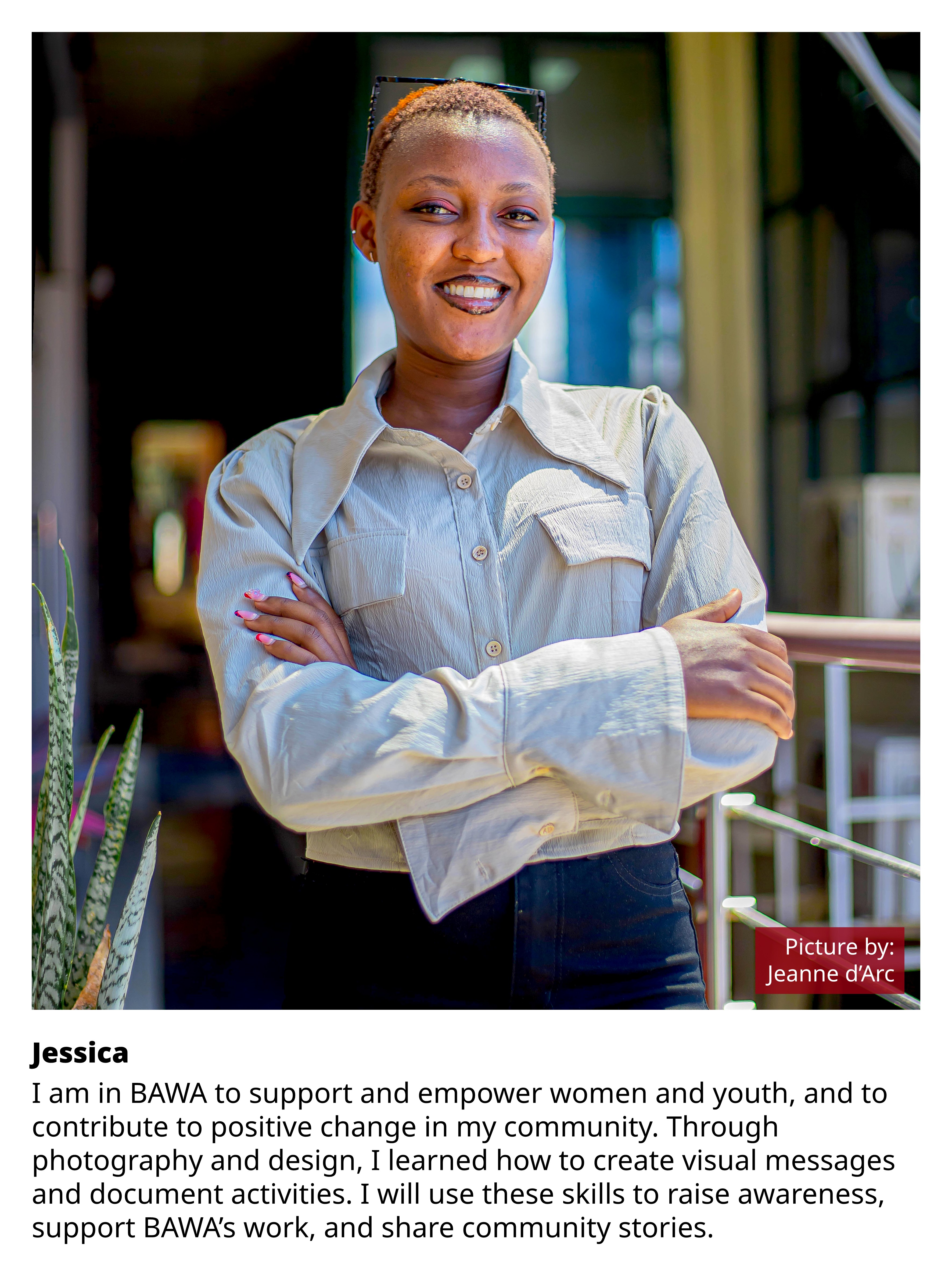
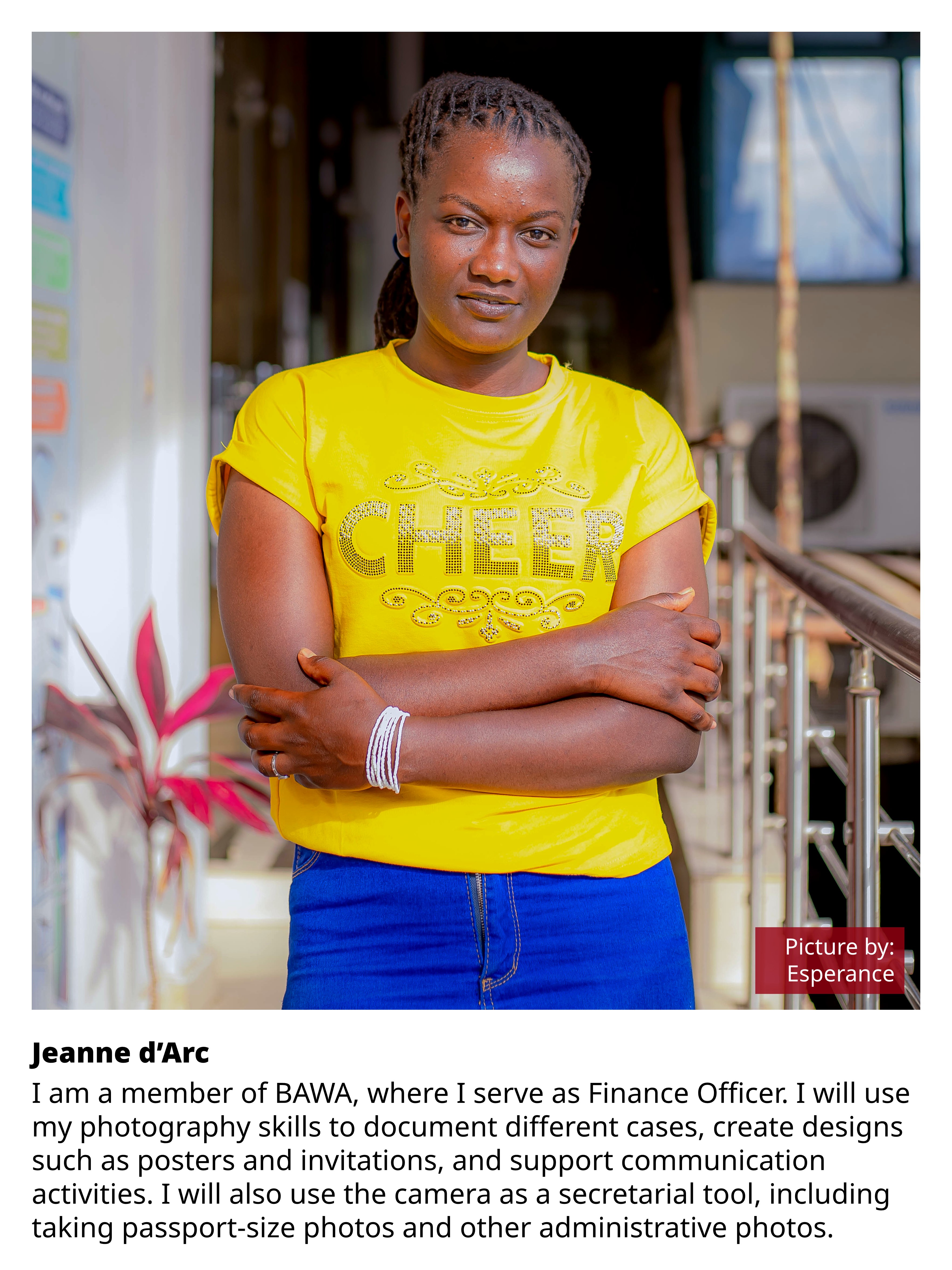
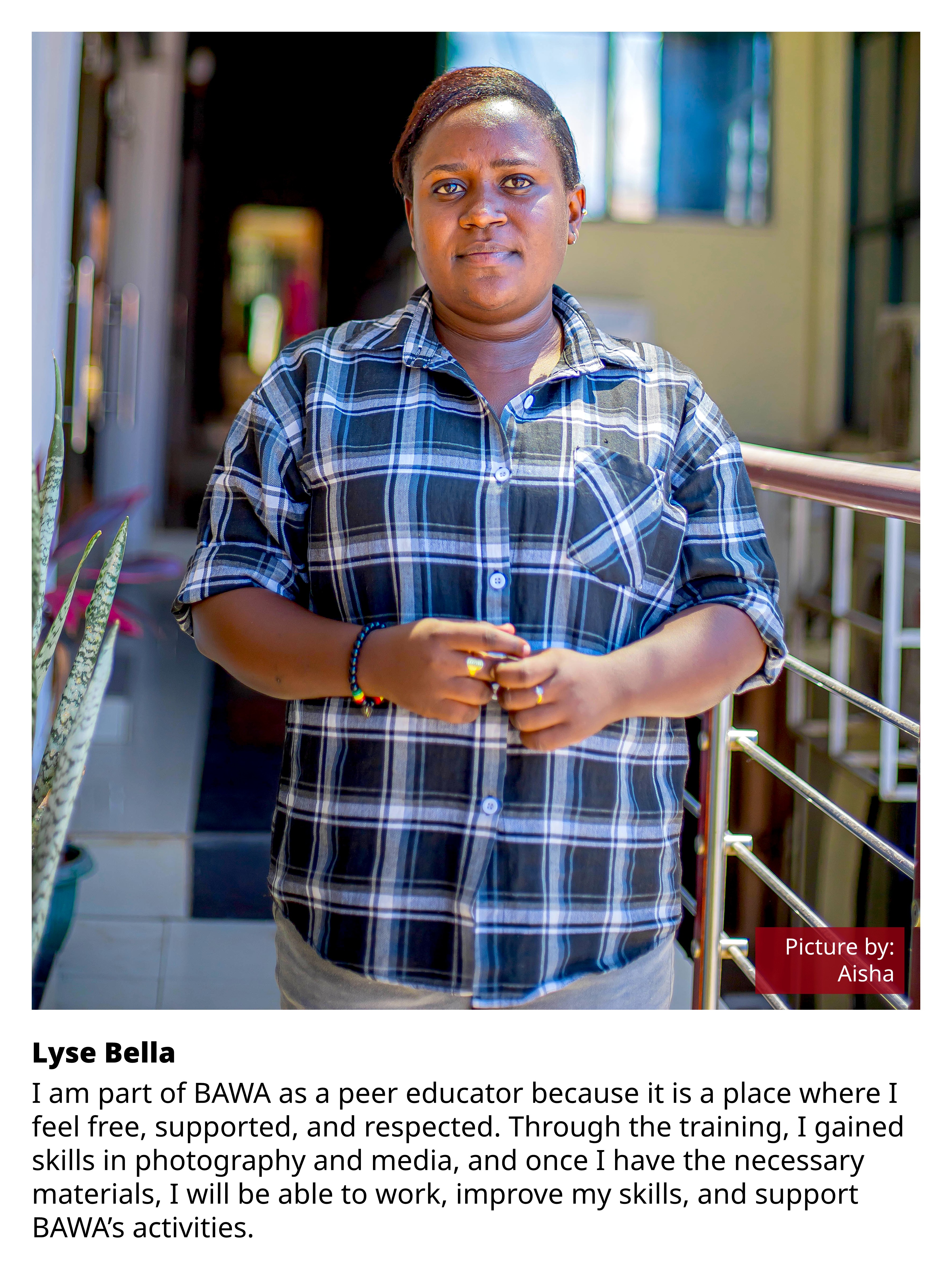
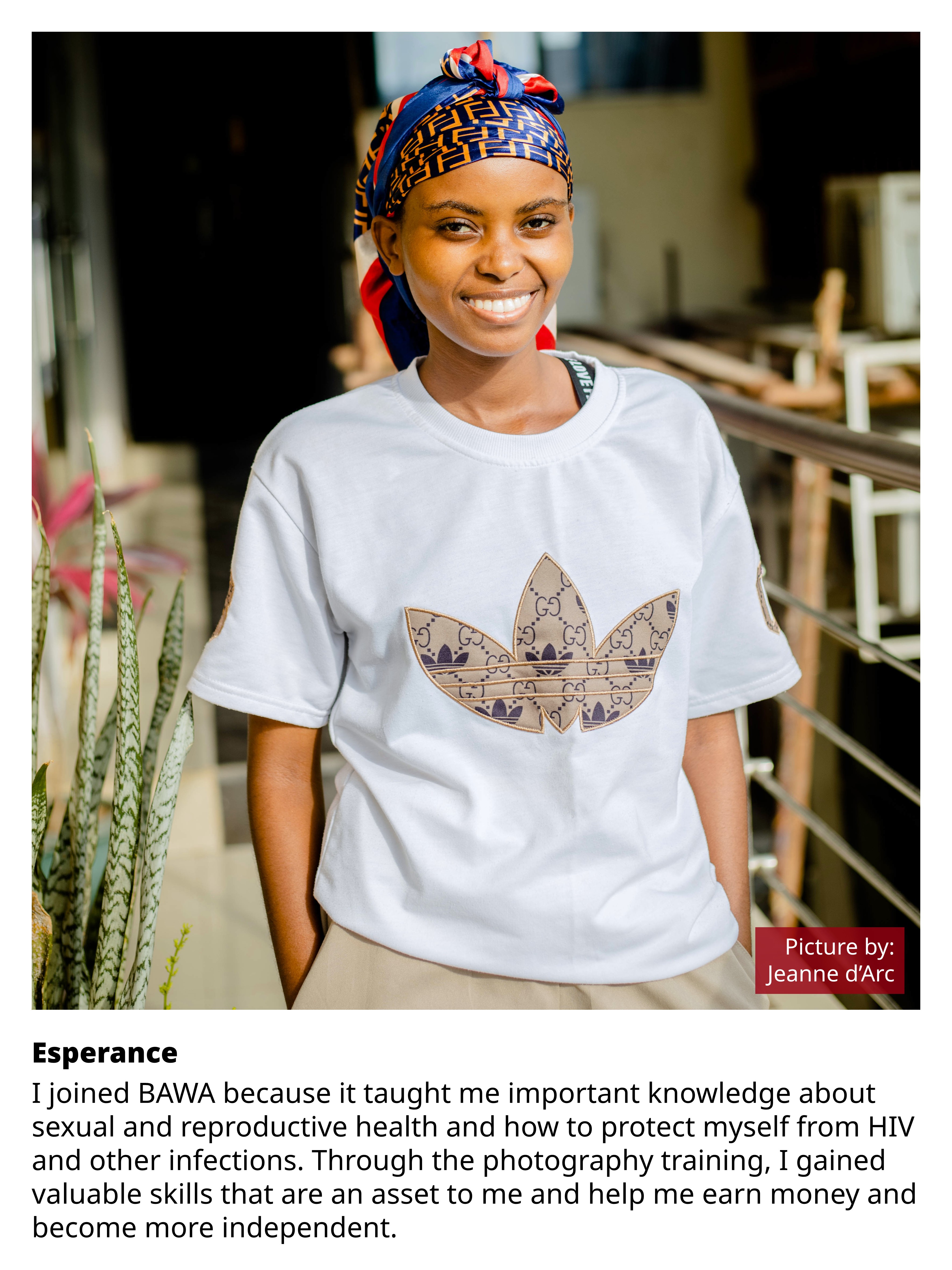
When I see these young BAWA women behind their cameras, I see more than learners. I see emerging storytellers, future professionals, and young leaders. These new skills are opening their eyes to new possibilities, serving as a pathway to dignity, income, and self‑determination. And as you can read from their stories, they are already putting their skills to use: documenting their journey as a grassroots organisation, capturing and sharing local events, and seeing opportunities to earn small incomes to help them shape their own futures.

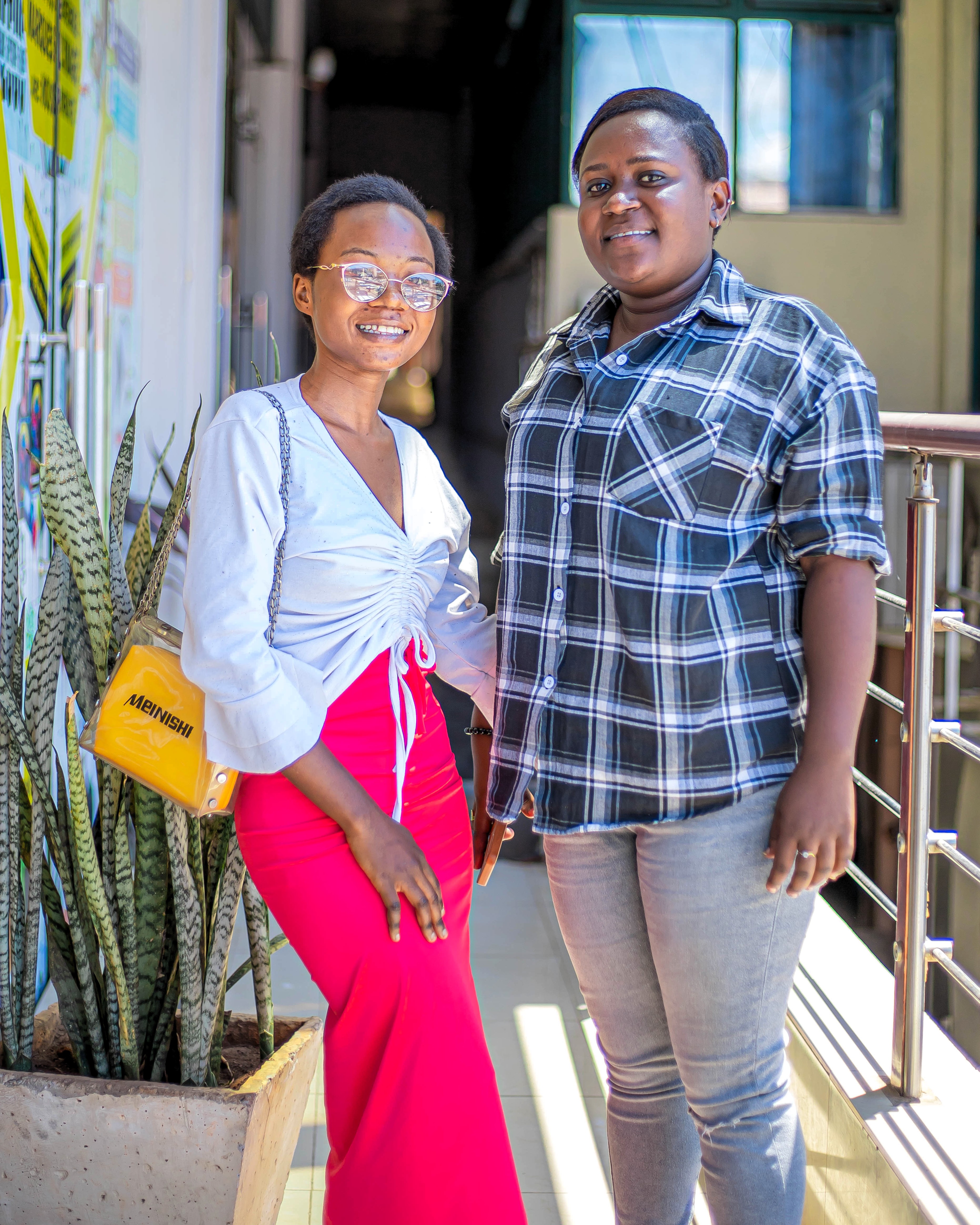
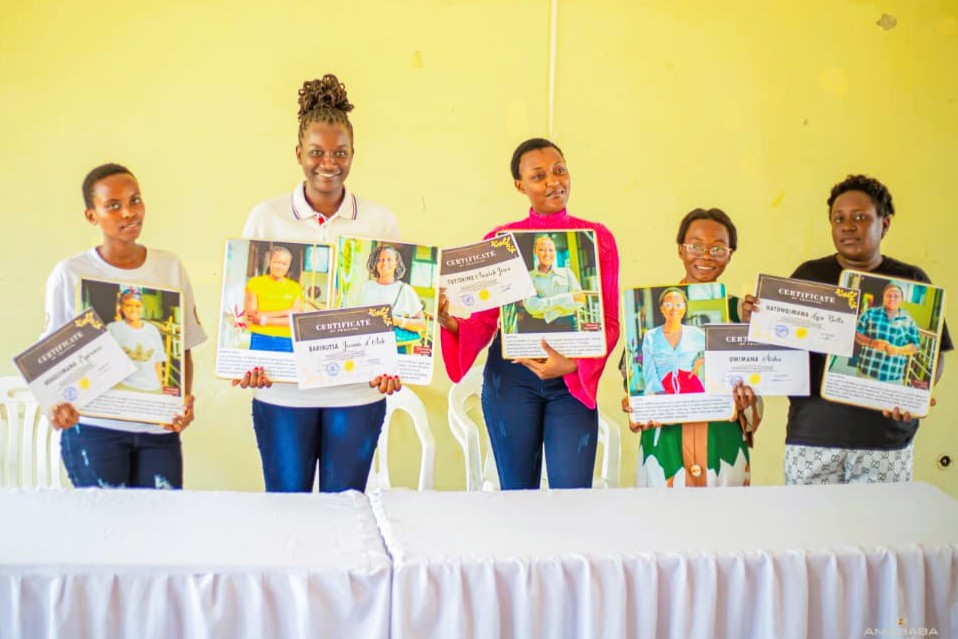
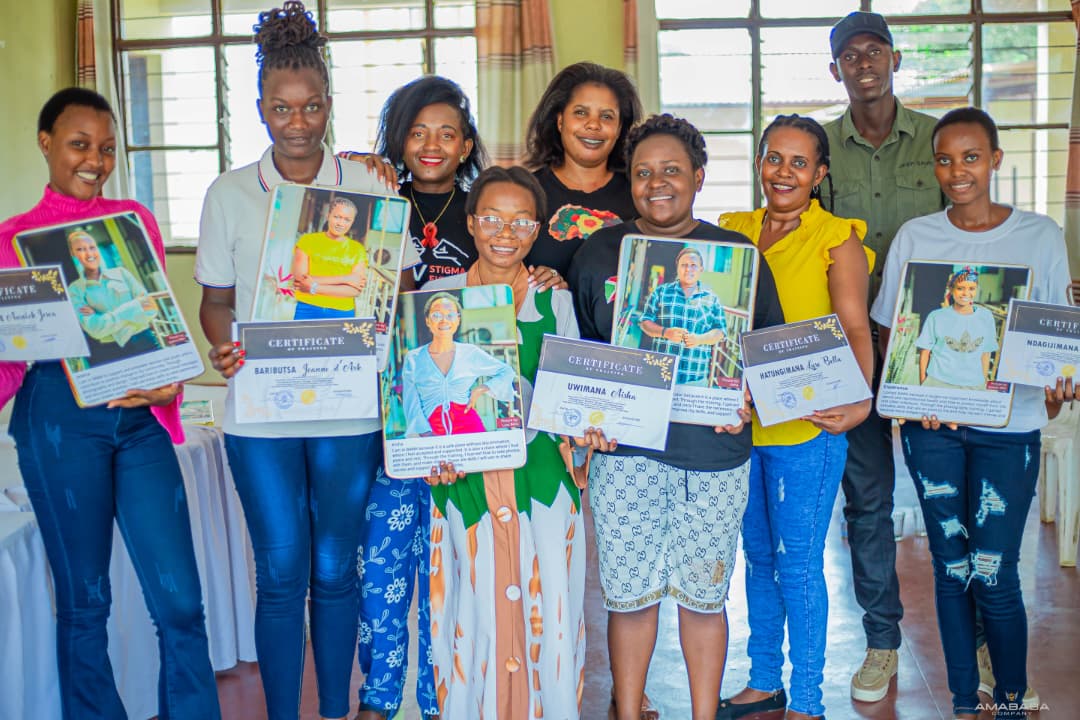
Here are some impressions of the capacity strengthening event and the beautiful pictures captured by our 5 young talents:

I am so proud that HIV Stigmafighter helped make this possible. By offering resources, encouragement, and unwavering belief in their strength, we opened a door. And these young women are walking through it with strength and pride.

Thank you BAWA, and a very special thank you to our five talents: Aisha, Jessica, Jeanne d’Arc, Lyse Bella, and Esperance

Peace,

Eliane

Engage to end HIV stigma

My lovely people, how are you? Do you miss me as much as I miss you?

We are at the end of the year, and what a year it has been! Compared to last year, we have accomplished so much. Around this time in 2024, I was not well as I had an unplanned surgery and ended the year in pain, in the hospital. Thank God, this year has been very productive.

I have collaborated with different organizations in Europe, and in Burundi I proudly celebrated World AIDS Day with my Gihanga community during the 6th edition of the Gihanga Talent Show. The winners of the sketch competition came from a small town called Cabiza, a place with a high concentration of people living with HIV and home to vulnerable groups such as sex workers and people who use drugs. Cabiza is also a diverse community with refugees from Congo, and people from Rwanda and Tanzania.

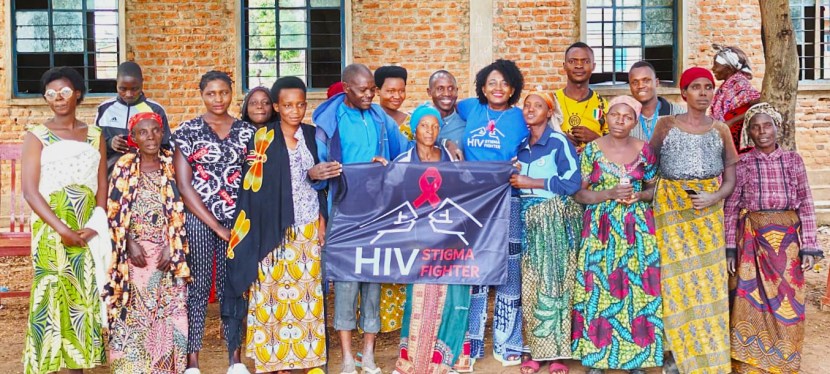
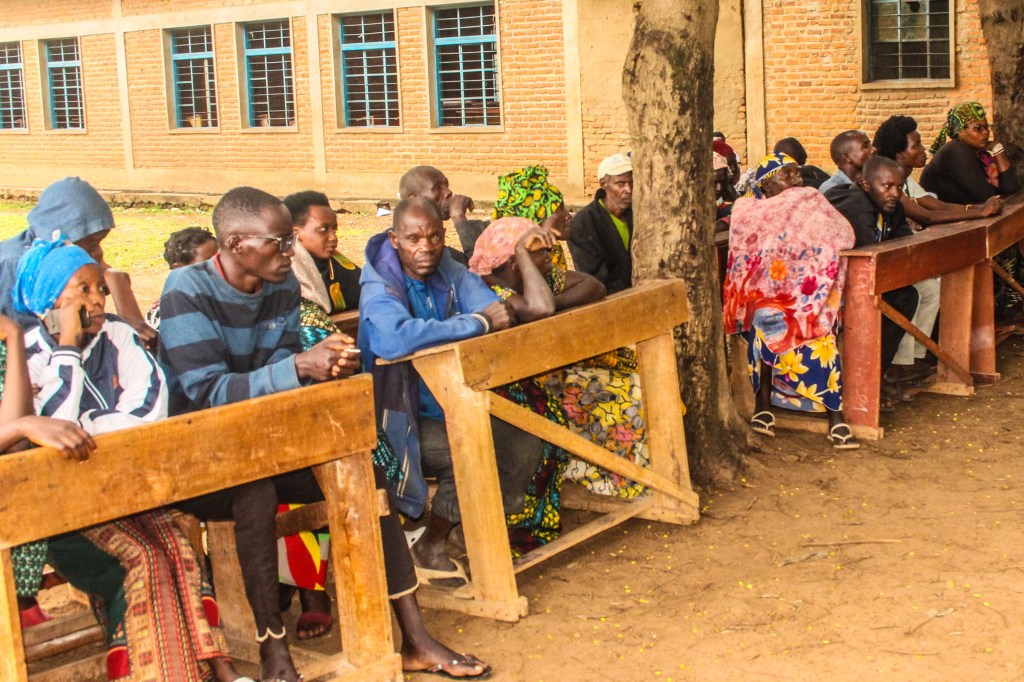
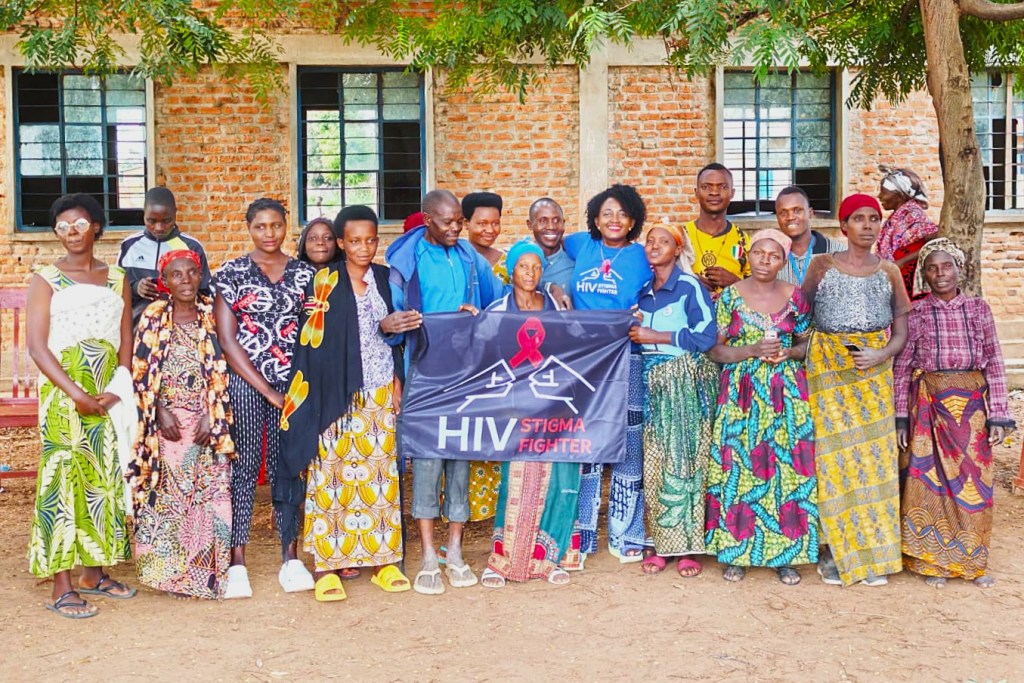
Together with Irene Kundubumwe from Inyambo Stars, we spent these last days of the year with this community to engage on HIV and prevention. Irene, an experienced HIV educator, explained about HIV and AIDS, how infection might occur, how to prevent it and how to seek assistance when needed. People of all ages – youth, adults and the elderly – were attending the sessions organised.

There were many interesting questions, showing how much this information was needed and appreciated. Community members also shared challenges they face, such as alcohol abuse – many people admitted that when they drink heavily, they lose control and do not think about HIV risks during sex. Also, Janviere, an elderly woman, recalled receiving HIV education when she was young, including how to use female condoms. She requested access to female condoms again to protect women and girls.

Together, we addressed myths about HIV and condom use, and Irene took time to answer all questions. As for me, I spoke about healthy living, growing up positively, and fighting HIV stigma through talent. A healthy person can make a great contribution to their family and country. I highlighted how stigma causes pain and isolation for people living with HIV. But if we work together and support each other, stigma will melt away. People will no longer fear HIV testing, they will start treatment, and they will live healthy, productive lives.

As Nelson Mandela once said: “Education is the most powerful weapon which you can use to change the world.” We still dream of a world free of HIV stigma. To achieve this, we must educate everyone in our communities without leaving a single soul behind.

Cabiza TV Group made a great contribution through theatre and comedy before and after the program. I am proud they are part of our Inyambo Stars club culture. If anyone needs peer educators who use their talents through theatre and comedy, they are amazing entertainers – get in touch with them!

We would like to thank the Cabiza Chef de Colline (community administrative representative) for supporting this activity and the Cabiza community for responding positively to our program.

Stigma will end if we all work together. HIV and AIDS will end if stigma is destroyed.

Let’s kick HIV stigma out as we enter 2026!

Peace,

Eliane

United through art: Celebrating Gihanga’s 6th talent show

My lovely people, how are you? It has been a while, but I have not forgotten any of you. Many of you remember where I spent World AIDS Day last year and the excitement I felt watching the young talents of Gihanga during the 5th edition of the Gihanga Talent Show. This year, for the 6th edition, I rejoiced in being back in Burundi and joining Inyambo Stars to organise this event. It took place on Saturday, 29 November, during the same week as my 49th birthday.

In celebration of World AIDS Day 2025 in the Gihanga community, we continue our mission of reducing stigma. We organised the 6th edition of the Gihanga Talent Show under the theme “Let’s stand together against HIV stigma.” This event remains one of the best opportunities to educate young people and raise awareness about HIV and AIDS.

As always, at Inyambo Stars and HIV Stigmafighter, we give space to any young talent who wants to share their arts to help break stigma. We have such a diversity of young people from all communities in Gihanga, including youth from the Batwa (pygmee) community and people with albinism. It is a positive step that encourages the community to recognise their talents and embrace them fully. We stand together against stigma.

Mr. Shaddy

Mr. Shaddy, also known as Shadrack Nahumuremyi, opened the competition with a beautiful reggae‑style song. The local authorities were represented by the Communal Counseller of Gihanga Zone. They delivered a powerful speech encouraging the young talents of Gihanga to continue their amazing work by raising HIV awareness and educating both youth and adults through their artistic expressions.

This year’s show included singing, traditional and modern dance, comedy/sketches, and catwalk. I am proud to see so many young talents in Gihanga. The winners made me proud. As a member of the jury, it was difficult to choose the first place in each category because so many participants delivered beautiful and powerful messages.

I hope that in the next edition we will receive more support so we can offer prizes for second and third place instead of first prize only. I had dreamed of including an HIV testing team at the event, but I learned that in Burundi testing is no longer done at events as people must go to designated testing locations.

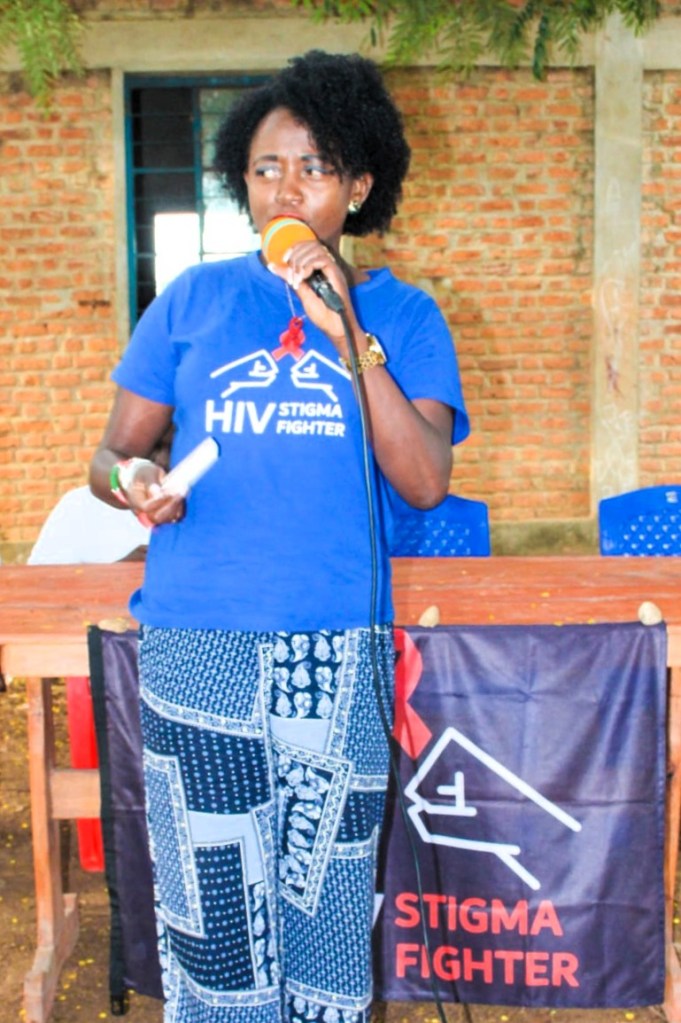
Still, I am very proud of the progress in our community. Every year, I see a change in attitudes toward people living with HIV in Gihanga. Since the beginning of this event in 2020, the goal has been to normalise HIV. Seeing a young person confidently wearing a T‑shirt that says “People living with HIV are like us, don’t stigmatize them” or watching a sketch explaining that “Women who take HIV medication during pregnancy are protecting their unborn babies” shows how impactful the Gihanga Talent Show has become.

I had the opportunity to share my story and remind people living with HIV that taking medication and staying healthy is essential. Looking after ourselves, accepting our diagnosis, and living beyond it is what matters. I reminded everyone why we must end HIV stigma, because stigma is now the biggest killer. It is the reason people fear testing, the reason some believe HIV is gone. Silence keeps stigma alive. If we do not speak out, fight back, and educate others, we will spend another 40 years facing the same challenges we faced 40 years ago. We have the tools, and the Gihanga Talent Show is one of them. Let us continue, we are moving in the right direction!

We would like to thank our local authorities for supporting us and allowing this event to continue for the past six years. We thank all jury members – Enos Pro, Pisco, Landy, and Eliane – for your hard work.

Congratulations to the winners:

  • Singing: Stide
  • Modern Dance: Gwezo – Team A
  • Modern Dance: Inyambo Stars Abasangwabutaka
  • Sketch: Cabiza TV
  • Catwalk: Kenthia

Here you can enjoy a few more pictures of the talent show:

We thank all participants who shared their talent. Your contribution to combating HIV stigma is valuable to the Gihanga community, to Burundi, and to the world. As the Burundian proverb says, “Haburana babiri hagatsinda umwe”- in a competition, only one can win. Keep sharing your talents to fight HIV stigma, maybe next time you will be the one.

Thank you to our amazing MC Machad de la Capital, to Irene Kundubumwe from Inyambo Stars, to Remegie and Yves Don Darcy for coordinating logistics, and to BAWA for providing a person living with HIV to share their testimony.

To all the amazing young artists of Gihanga: you are an inspiration. Let us continue this great work with positive energy and hope to end HIV. This is how we transform the HIV response.

Peace,

Eliane