Equality in HIV response

My lovely people, how have you been? These days it feels very fashionable to talk about equality in HIV action in many parts of the world, including the Netherland. Lately I have been wondering if people, especially our HIV allies, understand what equality means to people living with HIV with a migrant background.

For me, equality is about the state of all people living with HIV being equal in status, representation, rights, and opportunities to prioritise, co-design and act upon addressing HIV-related issues. While we have made great strides towards empowering people living with HIV (PLWHIV) in places such as the Netherlands, PLWHIV with a migrant background continue to be hardly seen or heard. Let me take some time to explain why I believe there is no equality in HIV action yet in the Netherlands and what we can do to change this.
Every year around this time, statistics about HIV in the Netherlands are published in quite an excellent report. Already for years it is confirmed that about 42% of PLWHIV in the Netherlands have a migrant background. PLWHIV with an African background make up about 8% of the total.

I am not a data scientist, but these numbers tell me that there are over 8,300 PLWHIV with a migrant background in the Netherlands of which at least 1500 (!) people are from my beloved continent Africa. These numbers highlight the significant impact of HIV on migrant communities in the Netherlands and underscore the need for targeted and culturally appropriate support for us, PLWHIV with a migrant background.

So, now let me move on to what is being done by and for them here in the Netherlands. Considering we are well represented in the statistics over the past many years and to stay on topic, namely equality in HIV action, you would expect we deserve quite some attention from our HIV allies in the Netherlands HIV community, right?

So far I have observed that, despite some efforts made to reach out to PLWHIV with a migrant background, we remain largely unheard in the Netherlands HIV community. In fact, this was recently acknowledged by the Netherlands HIV association, one of the ‘big five’ organisations in the National HIV alliance, who stated that one of their aims for 2025 is to improve their engagement with people they haven’t engaged with sufficiently, including people living with a migrant background.
Yes, our faces and stories are always there in the glossy magazines made by some of the big five, we are always mobilised to appear on stage at big HIV-related events, and we are pampered at nice retreats organised for us. But in the end what matters is how many of us are holding positions of power in these organisations. After all they are the recepients of considerable funding from sister NGOs, government institutions, private donors and big Pharma. And unfortunately, money translates into power and responsibility.

So, I challenge the big five and others, how many of us are empowered to push the priorities of PLWHIV with a migrant background into strategies and workplans, decide upon the means needed to take culturally appropriate HIV action, and work with us on migrant-lead HIV actions? Are we equally represented in the operational centers and boardrooms of the big five? From what I can see it is not even close to 42%…
May this be driven by stereotyping of people with a migrant background, including belief that we are not capable to actively co-lead change in the Netherlands HIV community? Sure, some of us take part in these organisations and manage to influence the agenda for PLWHIV with a migrant background in the Netherlands. Yet, if we represent 42% of the total population living with HIV in the Netherlands, then don’t we deserve a bigger say about what should happen in our Netherlands HIV community?
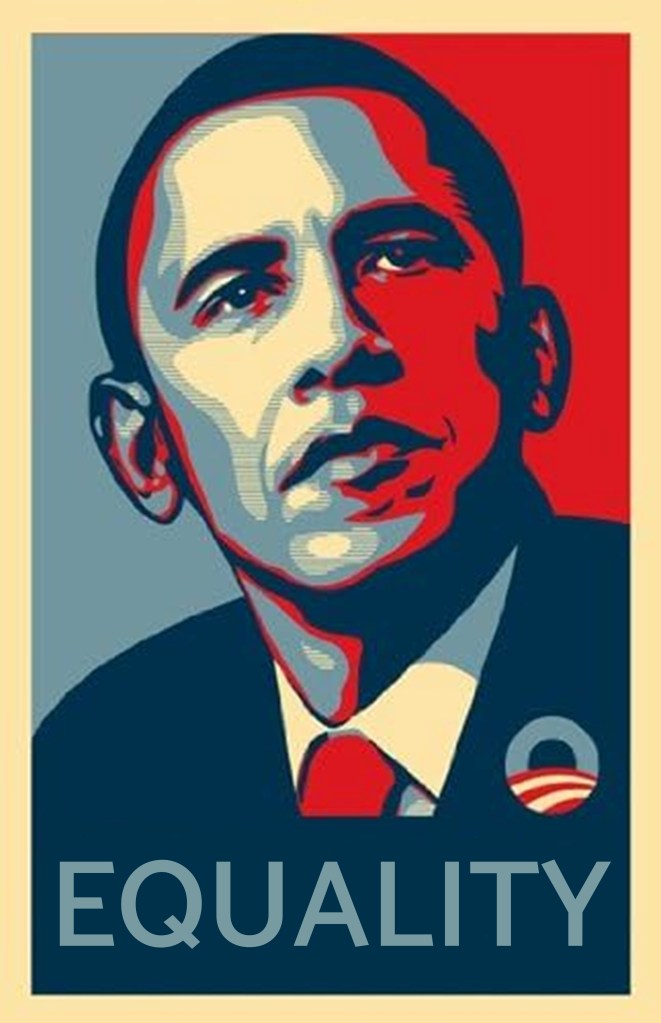
I firmly believe we deserve more equality. To eliminate this, let us instill a “Change we can believe in” attitude such during the Obama campaigning days in 2008. And let us draw inspiration from an organisations such as the Africa Advocacy Foundation (AAF) playing such an inspiring role in the UK HIV community. They are a community-led initiative aiming to equip diaspora communities and marginalised people with the tools they need to find better health, safety, prosperity and opportunity to lead fulfilling and happy lives.
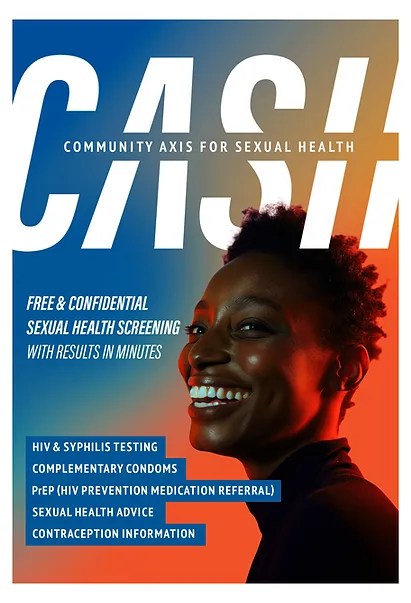
I am very inspired by an AAF initiative called Community Axis for Sexual Health. “CASH aims to engage Black communities in HIV awareness, prevention, testing and treatment. Management of HIV risk is not restricted to PLWHIV and includes those who are HIV negative but identified as being at higher risk of exposure to HIV. More broadly, the aim of the service is to tackle the stigma surrounding HIV and the barriers to engaging with HIV testing, treatment and prevention services experienced by Black communities”.

Comparing to AAF’s CASH programme, we are lagging far behind in the Netherlands. I admire how outspoken AAF is about the huge need to reach PLWHIV with a migrant background and how they take action by designing migrant-centered services that are culturally appropriate whilst making sure these are delivered by people with a migrant background.
I applaud their courage to stand up for the needs of PLWHIV with a migrant background and my dream is that one day we will be at a point in the Netherlands where we also have a Movement led by people with a migrant background that represents both the needs of our 42% of the HIV community as well as for people with a migrant background that are HIV negative.

In the beginning I mentioned the importance of ensuring equality across the Netherlands HIV landscape. We need change in so many ways: In the way the big five organise themselves to ensure people with a migrant background are better represented, the way PLWHIV with a migrant background are given opportunities to lead HIV action, and the way healthcare providers deliver culturally appropriate services for PLWHIV with a migrant background.
These changes can only come if people who are currently dominating our HIV community see us as equals, if they listen to our needs and wants, if they share power and resources with us, and if they provide more space in the HIV community for us. If we keep being seen as recipients of aid instead of equals in our fight against HIV, then some battles against HIV may be won but we shall never be victorious!

We have been ready for a long time, are you ready to join us?

Peace, Eliane

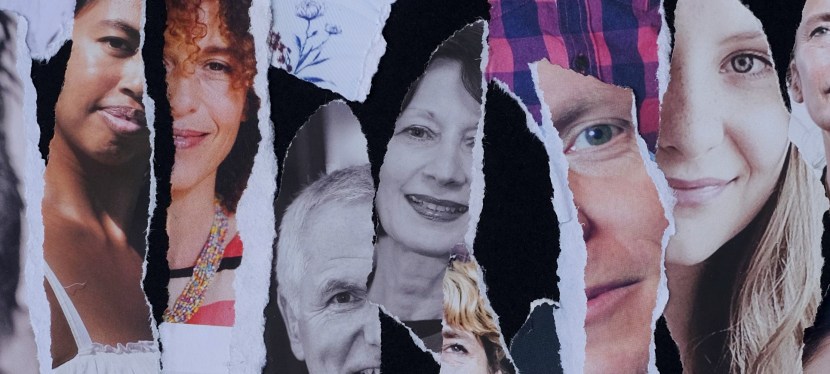
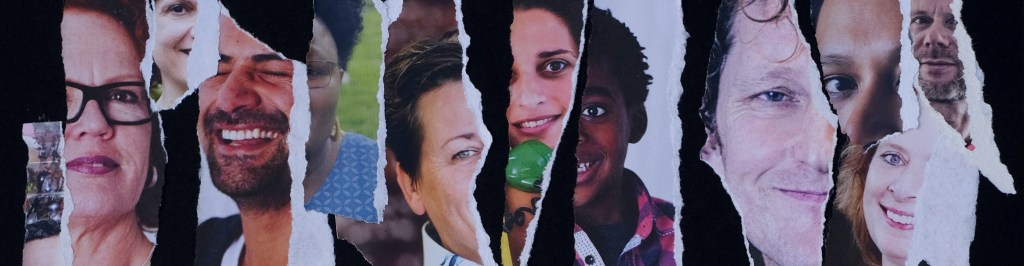
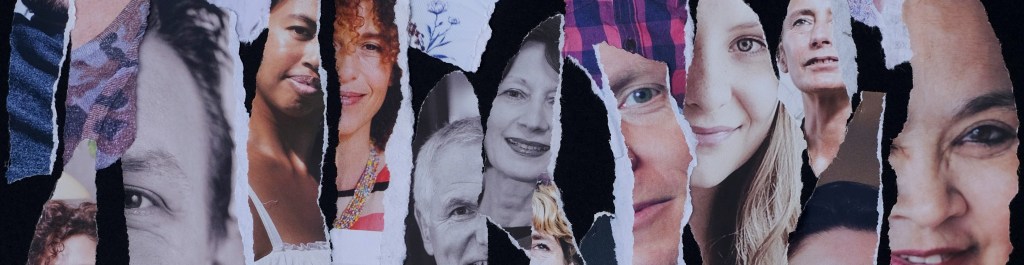
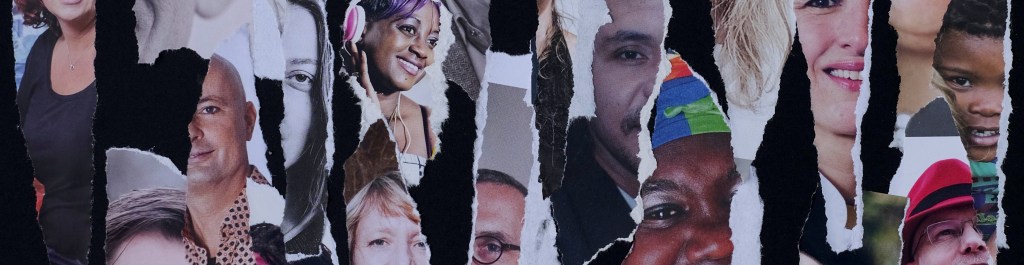
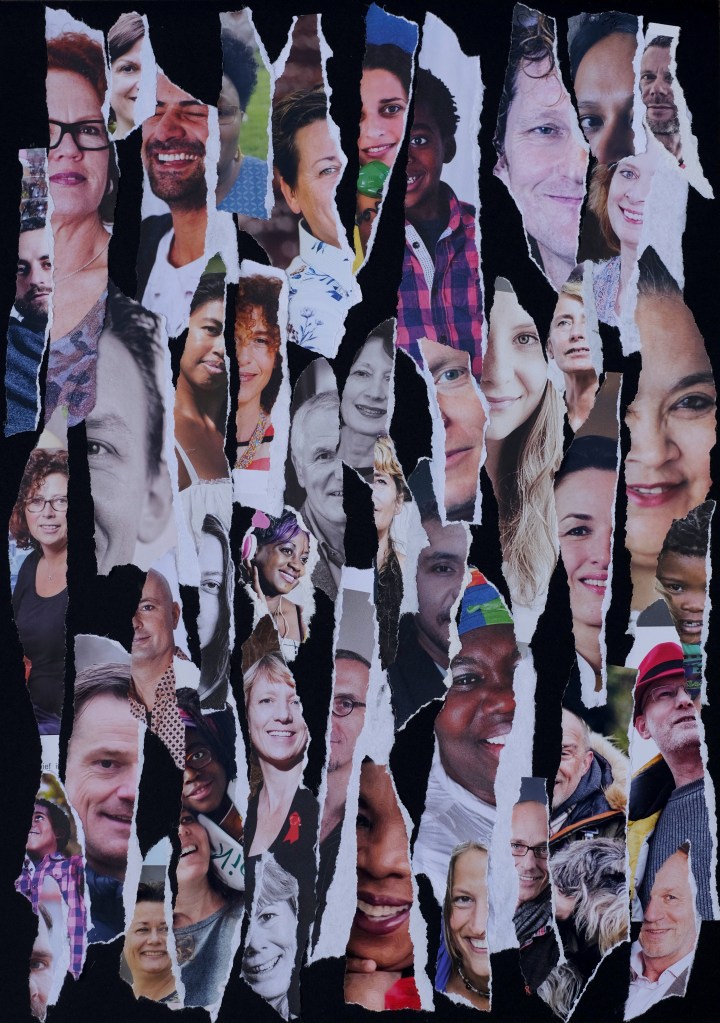
P.S. do you recognise these faces from the Netherlands HIV community? They have all appeared in over a decade of glossy magazines on HIV, so I made a collage of them as a reminder of our precious community. Some of them are not with us any more in our fight against HIV, let us remember them for always. Now let’s bring equality for PLWHIV with a migrant background!
Connected communities

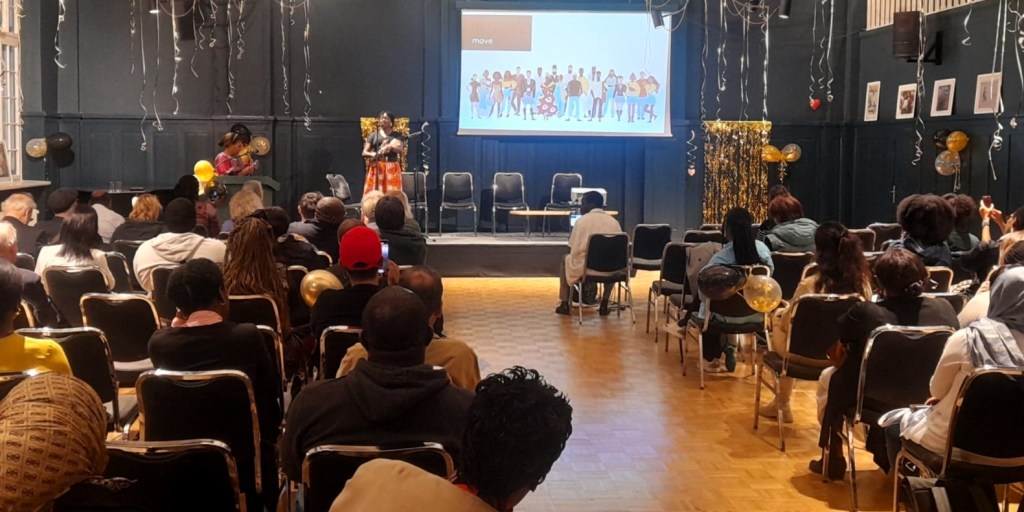
As many of you know, I always like to show my passion of fighting HIV stigma through many different talents. On the 13th of september it was time for me to express myself as a HIV artivist as I was invited to join a very special celebration of ‘Projekt Afrikaherz’ based in Berlin, Germany.

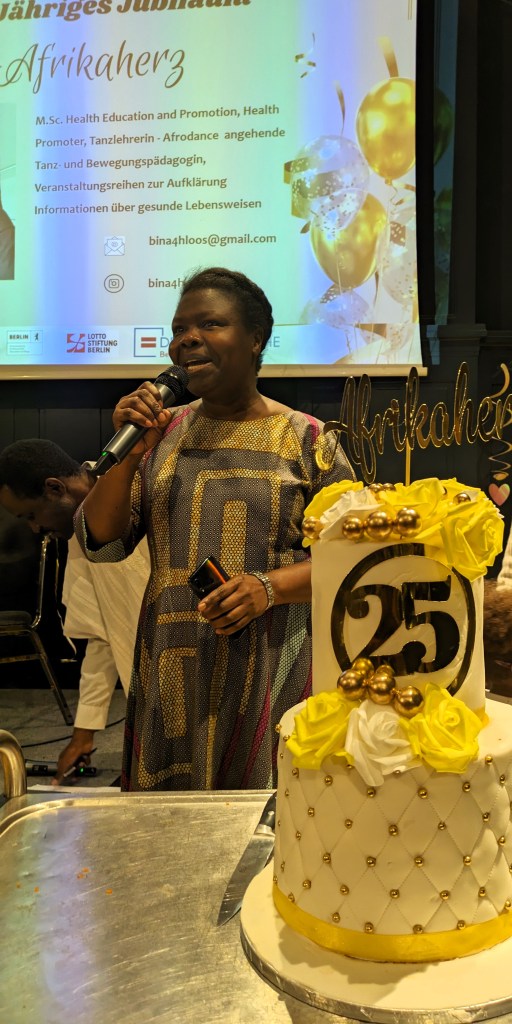
Already for 25 (!) years Afrikaherz (‘African Heart’) is fighting to improve access to health services for African migrants, with a focus on HIV/AIDS as overall there is limited access to health care, especially for migrants without formal residence status.

I was excited to meet other people from the African community living in vibrant Berlin and to share my passion for African music making, playing my indonongo instrument, singing and dancing with them. Helping to make sure they have an unforgettable experience so they can recharge in their fight against HIV stigma in their local HIV communities.

There were so many HIV-related issues to cover during this marvelous event. History has shown that when we are fighting for our right, we should not give up so easily, no matter how hard things are. I learned that especially in the beginning Afrikaherz went through a hard time with a lot of rejections and disinterest by the health system in Berlin. However, they persevered and through their hard work and insistence, gradually they were able to create a solid name in health & HIV response, also making sure to address the stigma surrounding those living with or affected by HIV and AIDS.

Listening to testimonies of fellow members of the African community in Europe, I realised that eventually they managed to navigate their journey through the German HIV and healthcare system, even if it took them 25 years to make that journey easier for people with an African background in Berlin. They did not give up! This is a truly great achievement worthy of celebration.

After these speeches I was invited to share my personal experience of living 21 years with HIV. I call this urugendo which means life journey. Those of you that know me longer may have already seen me perform urugendo, it is a fun way for me to share my ups and downs and highlight the work I am doing to improve access to health & HIV care and fighting HIV stigma. By the way, if you don’t know urugendo, contact me, I am happy to perform it for you one day 🙂

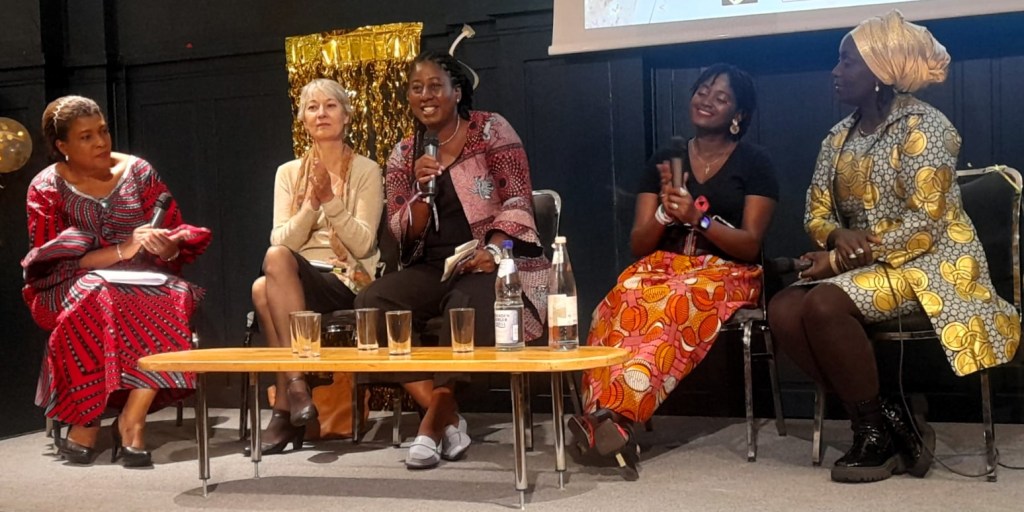
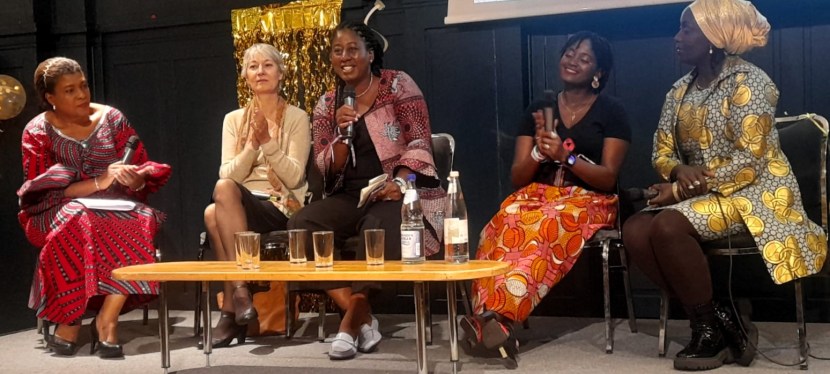
Immediately after my performance I joined the stage for a panel discussion with fellow HIV activist from Germany Lilian Petry from Deutsche Aidshilfe, Elizabeth Beloe from Federal Association of Migrant Organizations and Susanna Kahlefeld from the Green Party. For me a question that intrigued me was the one about the future of Afrikaherz in 10 years from now. My wish for them is to be able to connect even more with other local HIV organisations and health services in other states in Germany, and even reaching out to organisations in surrounding countries such as those in the Netherlands. Because we all know that the African migrant community is very well connected throughout the whole of Europe and the rest of the World. Organisations such as Afrikaherz are essential to bring positive messages to the African community about access to health & HIV care and fighting HIV stigma. And their message will be so much more powerful if it is amplified to people with a migrant background in the other 15 states of Germany, the Netherlands and other countries. Connected we are stronger!

During the course of the event I realised that there is something we still lack a lot both in Germany and the Netherlands and we must address urgently; When we talk about HIV prevention, PrEP awareness and access must also be actively promoted in migrant communities! While here in the Netherlands great work is done by organisations such as PrEPnu, with a particular focus on Men who have Sex with Men (MSM), and while Afrikaherz does promote the use of condoms, African migrant communities are still left behind when it comes to PrEP. The harsh reality is that there are way too few organisations in our HIV community that are actively promoting PrEP access. So, how can African migrant communities know about PrEP? I cannot repeat often enough how important it is that we take more co-ordinated action to ensure PrEP access for key and high-priority populations.

Rosaline M’Bayo

We will not end HIV and AIDS when we continue ignoring African migrant populations in countries such as the Netherlands and Germany. They have equal rights to good healthcare and HIV prevention services while tailored to their specific needs. Please learn from the example that Rosaline M’Bayo and Stephen Amoa from Afrikaherz are setting and make sure they receive the support needed to do their health & HIV outreach for the African migrant community in Germany!

Back to sharing urugendo and some tunes on my indonongo, I got a lot of positive compliments. People told me that my HIV journey and music inspired them, and that I am a powerwoman. Who doesn’t like receiving such beautiful compliments at times? For me the biggest reward was to connect with people from the migrant community and their HIV allies. I am so proud to listen to their inspiring stories to fight HIV stigma.

Through every connection we realise and cherish, we will make our HIV community stronger. Together we will win our fight against HIV and AIDS!

Peace,

Eliane

One big HIV family

My lovely people, have I already told you how glad I am to be open about my status? I get to know more and more fabulous people in our HIV community wherever I go. And I love the way my HIV community keeps on growing. When we fight HIV stigma we need as many allies as possible.

In January this year I got in touch with a photographer from Dublin, Steven Doyle. He is not HIV positive, but he was a nurse in Romania during the height of AIDS epidemic in the 90’s where he worked with many children living with HIV and AIDS abandoned by their parents. Steven was taking care of them in hospitals and even adopted one of them, Nicu.

My HIV ally Steven

Eventually Nicu died at the age of 27. Ever since Steven’s work in Romania, he is vigorously fighting HIV stigma and discrimination through his activism and photography. His story moved me and we have so many things in common, see for example my story on HIV medication exchange for people living with HIV in Romania.

Inspired by Steven’s story I decided to join his project where he is collecting stories and portraits of people living with HIV all over the World. I consider Steven my newest HIV STIGMA family member.

So, in May Steven invited me and my husband for the photo exhibition in Dublin, Ireland. I was very excited and also curious to get to know the other HIV models. And I found that at least 3 of them are my EATG colleagues, what a small World!

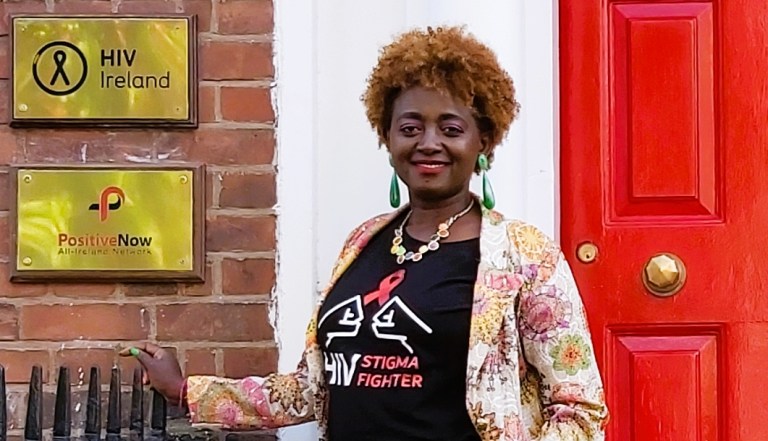
In Ireland I was able to connect with new people like wonderful Gerald, who introduced me to the big HIV network in Ireland, for example HIV Ireland. One day he also showed us around in his family’s  magical garden where he told us so many stories about edible and medicinal plants, what an experience! He showed us the beautiful Kildare Cathedral where I learned much about Saint Brigid of Kildare, a very important Irish Female Saint. Gerald is truly doing a lot for the HIV community in Ireland.

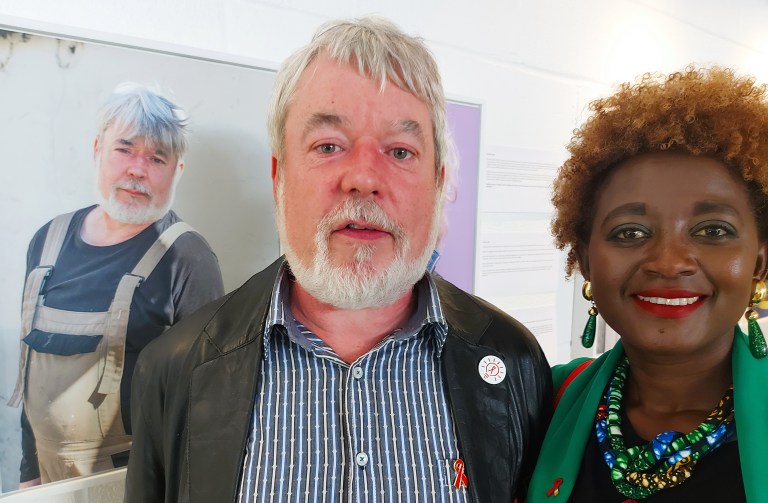
Enjoying the photo exhibition with Gerry

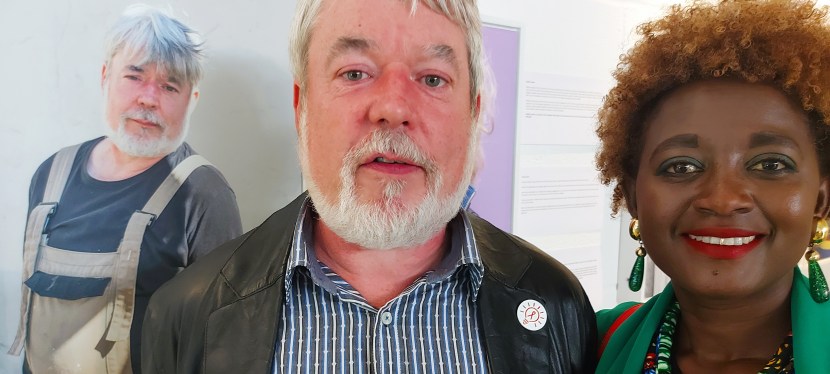
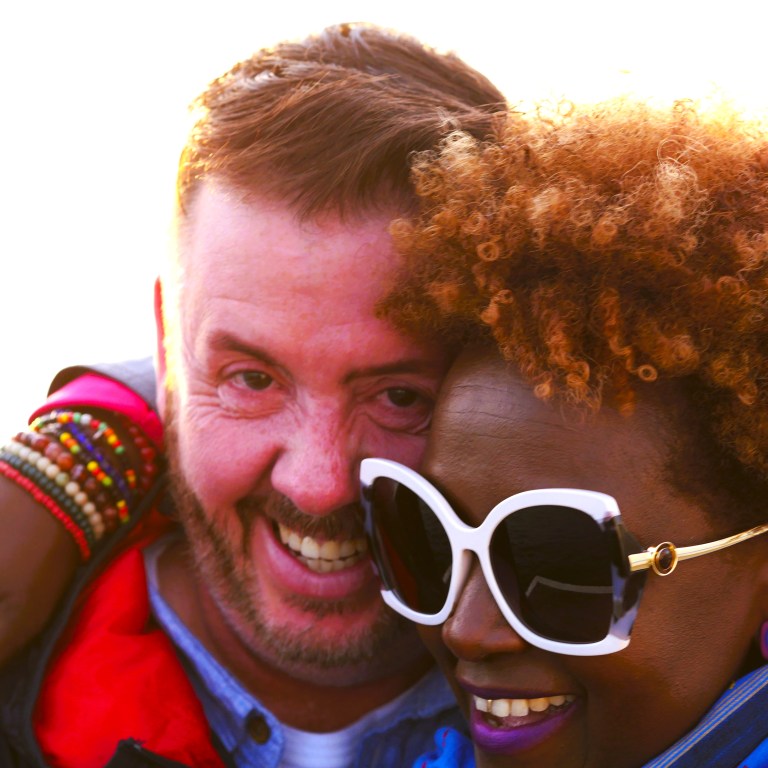
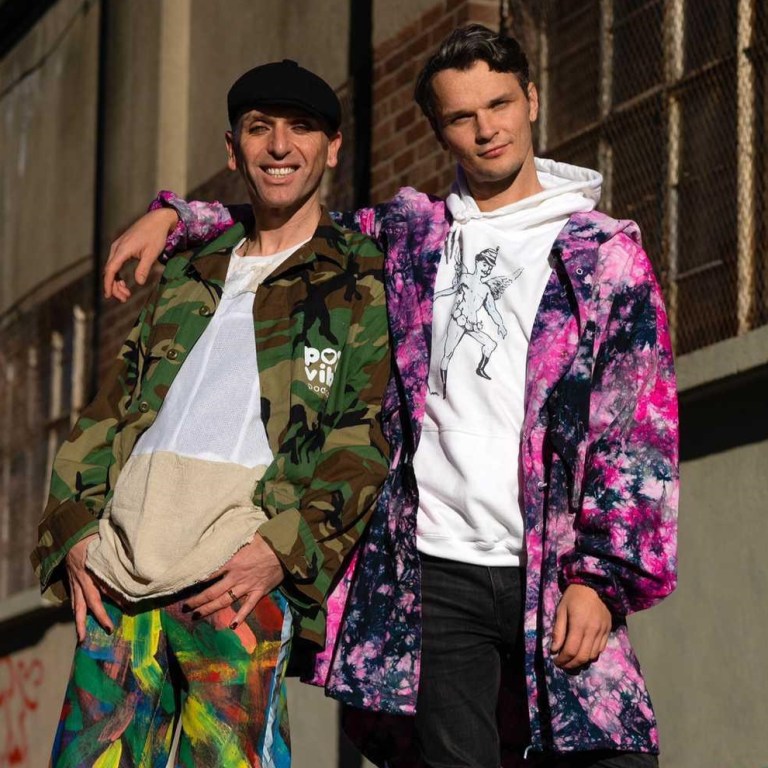
And then came the surprise invitation of Robbie and the Fabulous Drag Queen Veda Lady who are the hosts of the Poz vibe Podcast for people living with HIV, their friends, family and allies. There I also met Jordie, and my ally Steven was also part of the podcast. While all our stories are unique and inspiring, we are all connected by beating our common enemy “HIV STIGMA”. We shared many tears and laughter that afternoon. Overall, through our common experiences we realised that we are heading into the right direction and that our efforts are not in vain. Talking about HIV openly is definitely the right way to normalise HIV.

Veda Lady and Robbie

Yet, I would like to say one word of caution as, to me, the migrant HIV community is still not vocal enough, whether in Ireland or my own country the Netherlands. So I do hope my and other stories will keep on inspiring them to join us.

I would like to thank Steven for introducing me to my allies in Ireland and helping the HIV community to share our stories through our beautiful faces. Also hugs and kisses to Veda Lady and Robbie Lawlor for working so hard to make sure the positive voices of people living with HIV are being heard by the World. And Jordi, thank you so much for inspiring the young and queer world to living a fabulous positive life. Last but not least, I am thanking generous Gerald for his contribution to HIV Stigmafighter’s work in Burundi!

Let us keep up the good work, the world needs more people like us. Feel welcome to join our battle because HIV STIGMA MUST FALL!

Peace,

Eliane

Going global at AIDS2022

We proudly announce that Stories of Hope will be part of the Global Village at AIDS2022 in Montreal, Canada, which will be held between 29 July and 02 August 2022.

So, nearly one year after our launch, succesfully collecting and showcasing the stories of 11 Heroes and distributing exclusive Stories of Hope postcards through various healthcare providers in the Netherlands, Stories of Hope will go global!

At the Global Village we will:

  1. Showcase three original portraits of our Heroes of Hope, and share the Stories of Hope concept with the wider HIV/ AIDS community
  2. Share sample health cards with Global Village visitors and discuss roll-out of more versions in other countries
  3. Organise rapid story telling workshops to record more inspiring stories of talented People Living with HIV/ AIDS visiting the Global Village
  4. Create new Stories of Hope to be launched during AIDS2022

If you will be visiting AIDS2022 and are interested to share your Story of Hope or want to learn more about how you can contribute to reducing HIV stigma in your country, get in touch!

Talented migrant

My lovely people, can you explain to me why white people coming to Africa are quickly called “experts”, but people of African descent in Europe are often called “refugees, migrants, or illegals”?

After I married my husband, in the different countries in Africa we lived in I became the “expert’s wife”, Mrs. Becks. Although I always felt this title to be wrong, at the same time at all these places I was also recognised for my talents as an artist and appreciated as a human being, part of society.

The talented Mrs. Becks in South Africa

The ugly divide that the color of a skin can cause became evident to me in South Africa… I was 29 by then and I just bought my first house in Pretoria. Still, whenever a white South African appeared at our gate, for example for a delivery, I was always seen as the cleaning lady working for the landlord. Why? Because black women were supposed to be doing cleaning jobs in the suburb where we lived. They simply could not believe that I owned that house. So many times they refused to hand over my package, arguing they were only allowed to hand it over to the home owner! You should have seen their shock once Mrs. Becks showed her ID to them.

So, when we moved to the Netherlands, my husband kept his expert title, and me? From the cleaning lady I became the migrant, refugee or illegal. I was shocked to be labelled so strongly by so many in my adopted home. Mind you, I am proud to be called an African migrant, and I am really not bothered when people think I am a refugee as it is not a crime being a refugee.

But I am amazed by the prejudice that is part of these simple words. Despite me being Dutch and contribute to our economy through my business for more than 10 years now, you will be surprised at how quickly people are able to make up their mind about you, only based on the color of your skin!

But I am not harsh to them, a mistake can be made, right? But what bothers me is that still many people, instead of facing the truth, start a rant about that they are allowed to say what they think as they have ‘freedom of speech’. And to make matters worse, start pointing out the fact that I am not originally from this country and that I should know my place. Really?

An extreme story to illustrate this is one time when a dog was barking furiously at me. And the owner of that dog was getting very angry at me and told me in my face that I made her dog behave aggressively because I was black! I was speechless, but luckily my husband was with me and told the woman: “Does the dog see people in color? Only people see each other in different colors, for a dog every person is alike”.

Back to the expert/migrant issue; In fact we are both migrants as 1) my husband is not originally from Amersfoort and 2) his great grandfather settled in the Netherlands from Germany. So if you dig deep enough, you may discover that your roots are also somewhere else. And on being an expert, my talent is to be living for more than 18 years with HIV now, and I am also the first female in the World to play my Indonongo. So even if people try to label me, I know who I am and I am very proud of myself!

People may judge me based on the color of my skin or my African surname, but my actions always speak for themselves! So let’s all agree to love each other for the way we are and focus on using our talents to make this beautiful country an even better place. I thank all Dutch people who are giving their everything to make this happen, especially my lovely husband whom I love dearly.

Peace,

Eliane

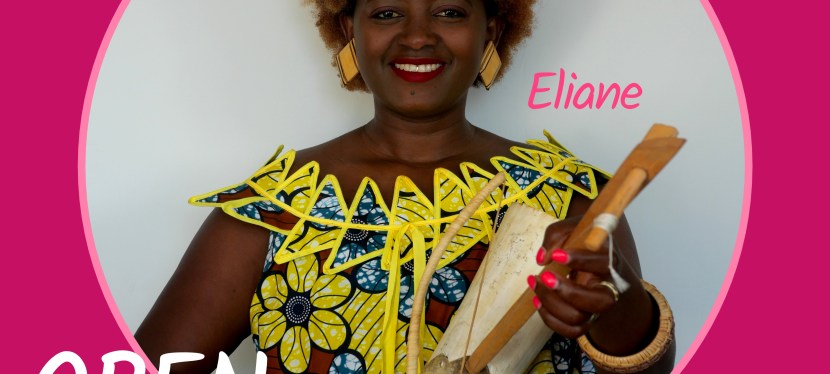
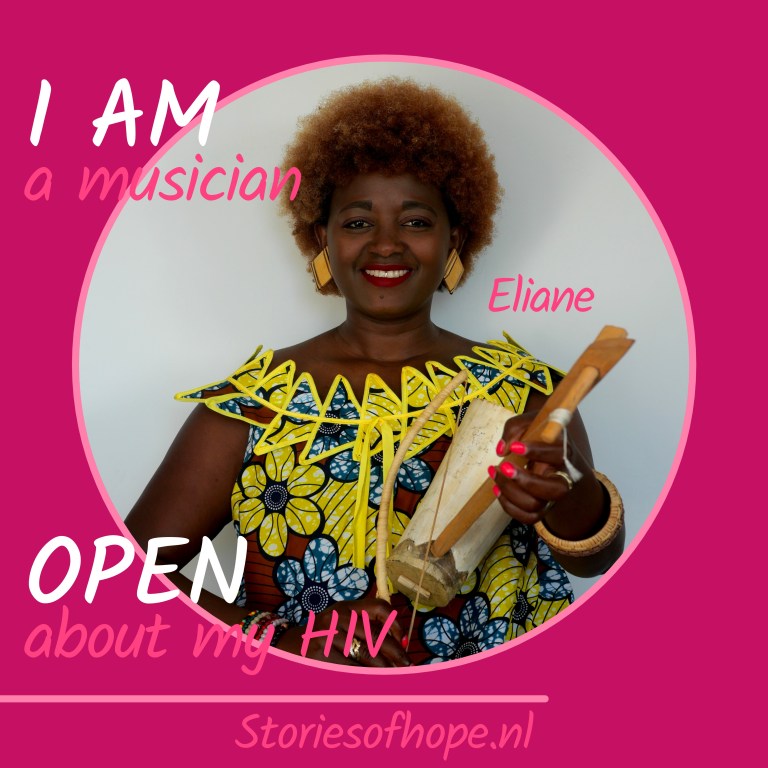
I AM… OPEN

Hello my lovely people. It is always great to have something to keep you positively busy during these strange Covid times. So I am very excited to share a new initiative called stories of hope with you. I will be leading this for the coming 4 months.

Just a little background: I was lucky to follow the STEP- UP training organised by the European AIDS Treatment Group (EATG). Together with many other HIV activists and advocates I gained a lot of extra knowledge on HIV. EATG also gave us the opportunity to pitch a project we are passionate about and I decided to share my dream of reaching out to people living with HIV with a migrant background with them.

And guess what? My project was selected and I received a small grant to launch stories of hope! This is such a great opportunity because as HIV stigmafighter I dare to speak out against anyone who stigmatises or discriminates people in my city Amersfoort, the Netherlands and Worldwide.

I love Amersfoort and during my time here, I experienced stigma from healthcare providers, people on the street and employers. It happens everywhere, right now! So I want other talented people that never let stigma stand in their way to join me and inspire people still facing stigma today.

My journey will start in Liendert, an urban area with more than 7,500 people of which 52% has a migrant background. I want to reach out to them and provide a safe space for them to process and share stories related to stigma in our community. Through my partners Het Huis van Bartels, a green oasis in the heart of Liendert, I will work with people with a migrant background and tap into their unique talents to open up and share their story.

And I have evidence this works! What would I have done without my talent as an artist? It helped me to accept my hiv status and focus on positive messages of hope for the hiv community. Even before I was diagnosed with hiv I already shared my talents and I realised that hiv did not change who I am. Through the support of organisations such as hello gorgeous, hiv vereniging and many others, I regained my identity and came out stronger than ever before. Now it is time for me to take action and inspire change in my community.

And you can be a local hero too! If you like my poster, get in touch and join my growing pool of talents through your own poster!

Are you getting excited as well? Join me through my facebook page or the weblink.

Have a great weekend.

Peace ,

Eliane

Stigma at times of COVID-19

Before we even heard of COVID-19, people living with HIV or AIDS were already facing stigma and discrimination as I experienced and shared with you regularly with healthcare providers throughout the years. Many more people started facing stigma when COVID-19 came along in many ways, and this made things for people living with HIV or AIDS even worse.

I would like to share my experience during this period and how I overcame the stigma and help the healthcare provider to open up her eyes and take into account what her actions can mean for others. In January I needed to do a CT scan and they happened to find a something on one of my lungs. For my entire life I never had to see a pulmonologist (lung doctor) before, so on 12 February I met one for the first time.

I was nervous and curious the same time. I am used to visit hospitals for many checks up and doctors always welcomed me through a hand shake. It was at a time when in the Netherlands there were no rules yet on how to behave in these different times. So we all still went about our business as usual and every doctor I met was still shaking hands. So I had quite a big expectation of warm greetings from this doctor since it was our first meeting.

When I gave my hand, she rejected me by saying “Oh no no, I don’t shake your hands, there are many viruses around. I don’t dare to be infected!“ I immediately felt confused and started thinking and asking myself what she meant by many viruses? I don’t have Corona, I don’t have flu, the only virus I have is my HIV. Since she read my medical file she knew what kind of virus I have. So this made me start doubting her words. Why would she talk to me as if I am very dangerous to her? Did she mean that my virus would jump to her by shaking hands? I really needed to find the reason behind her behaviour.

A week later some hospitals started introducing information on not shaking hands. But there was still not yet a strong medical protocol in place. So I went back to see my HIV Doctor, and this was also a new person as my previous doctor had left recently. So on 28 February I met her for the first time, and I was not expecting to shake hands. But, when she introduced herself, she said “Hello, I am not suppose to shake hands but since this is our first meeting I make an exception and I feel comfortable about it”. This is when I explained my experience with the lung doctor and how hurt I felt. So, she advised me to better talk to her again.

Afterwards, this whole episode with the lung doctor kept on playing in my mind; how she did not show empathy during our conversation, and how she also failed to really answer any questions on the diagnosis. I went completely crazy, and I decide to see my GP first to explain the results of the scan better to me. My GP explained very clearly and then I shared with her how I felt about the lung doctor, and she also advised me to go back and talk.

I waited until May, and I finally got an appointment this week. I was very calm, and not angry but curious. I told her that the main reason I came back was to talk to her how I felt last time we met. I asked her what she meant by saying “Many viruses”. I explained that by the time we met I did have only one virus, HIV. That sometimes I get discriminated in hospital because of that. She was completely in shock and said “I am sorry I meant to say flu, corona virus, not HIV”. then I said “Well, you should have been specific, because telling somebody with the HIV virus that you don’t shake hands because of many viruses, from experience I immediately understood that you meant HIV virus since I did not have corona, or flu”. She said 5 times sorry, “I am sorry I was not aware that people can get it wrong when I say virus. But you are right, I should have said flu or corona”.

I explained that we often face stigma as some people still believe they can get HIV virus by shaking hands, that what she said really bothered me. But that I did not want to accept this, and I needed to find out what she meant. She thanked me and said “You are a strong woman to come back and talk about this with me, you taught me a lot and I am going to use it with the next patients”. I told her that I did not do it for myself, I want to prevent this from happening to other patients like me. Not everyone will dare to challenge a doctor on this, especially my Africans migrants. And they will go home and feel bad, confused and get depressed by this. But I choose to clear my path before I move on. I need us to be clear and make sure we understand each other.

An important lesson learnt for her is that language matters. I am sure next time she will take into account which words to use when communicating with patients like me so then they don’t feel offended!

Peace, Eliane