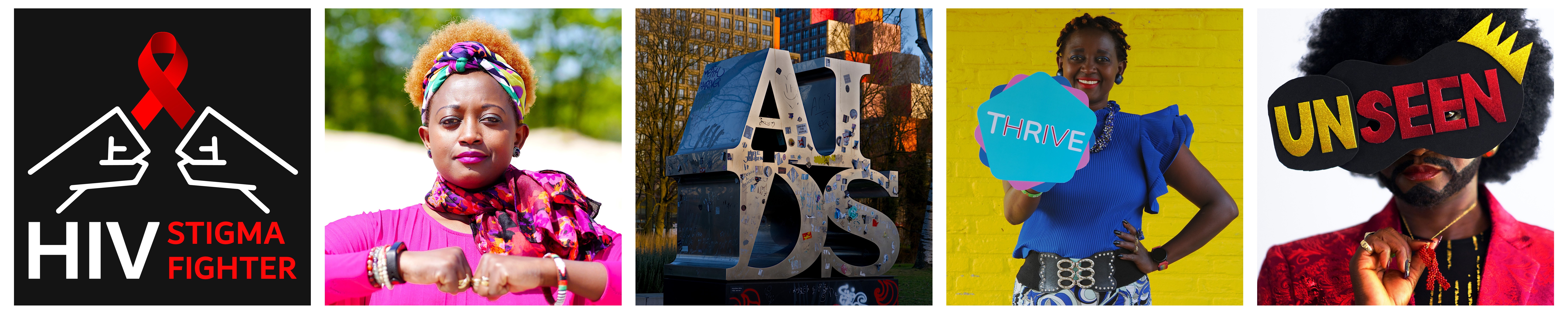
I am strong!

My lovely people, have you ever witnessed the moment a dreamer finally becomes a doer? That is what my story of today is about.

Since childhood, I expressed myself through every art form I could find. By dancing the traditional Umuyebe (a dance intended for Burundian men), drumming in a boys’ groups, or any other way. People told me I was “crazy”, doing things meant only for boys. But my inner voice told me, “Be happy, Eric”. I just could not see any barrier when it came to art!

Thanks to my parents and my school, I was allowed to be myself. So, every time Eliane performed, Eric felt alive too. Even as a child, I knew one day I would show Eric to the world.
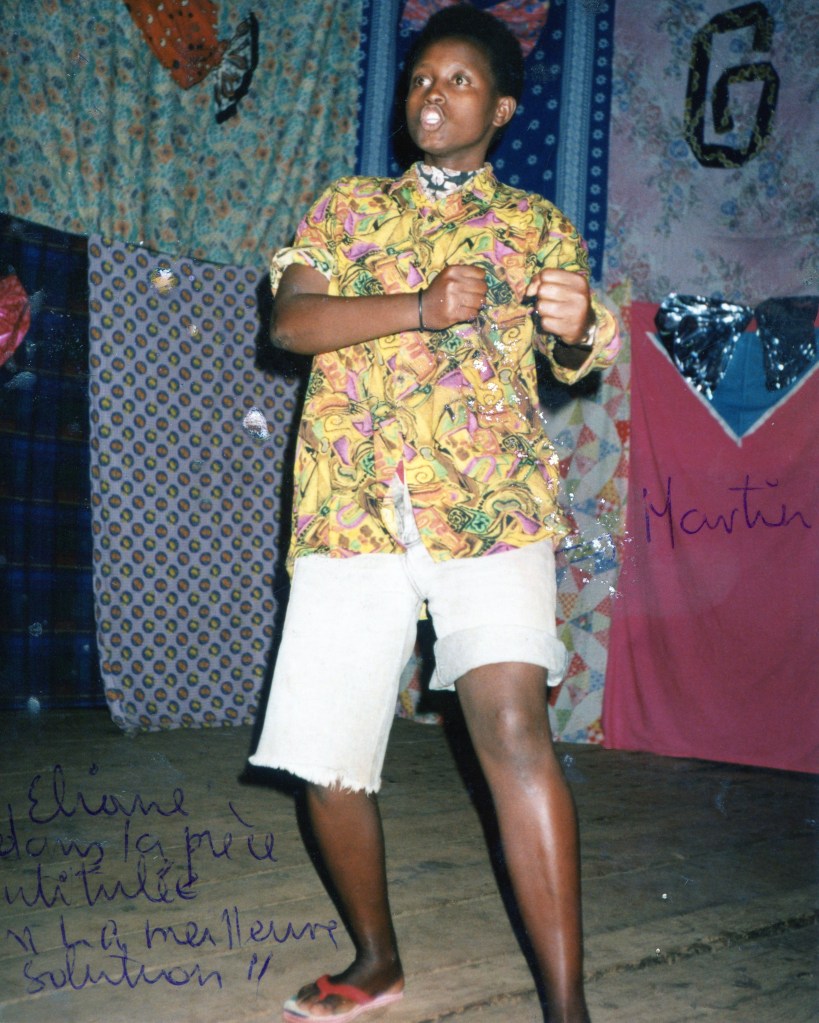
When I attended Lycée Étoiles des Montagnes in Jenda village, I joined theatre and played a male role, a chef cook, and I shined! Later, while working at Musée Vivant in 2000, I met a man selling an Indonongo instrument I asked him to teach me to play it. I asked myself: Why don’t girls play this instrument? I knew many female artists, but they only sang, none of them played a traditional instrument like the drums or Indonongo.

When I started performing my Indonongo, compliments were few and insults were many. But the more people tried to stop me, the more determined I became. Eventually, they stopped talking, and I kept playing. I became the first Burundian woman known for performing the cowhorn instrument.

When I moved to the Netherlands, I became known as an African woman teaching African culture. I played mothers on stage, performed Indonongo, and carried my heritage with pride.

But my dream did not end there. As a dreamer and doer, I wanted to keep my promise to Eric and show him to the world. Not just for fun, but with purpose. I wanted Eric to help me fight HIV stigma, break taboos, and raise awareness.

In the beginning Eric was making a lot of noise, stomping HIV stigma away, and then I realised that he could do so much more. So I asked myself, “What if I played the Indonongo as Eric?”, “What if I sang too?”. And wouldn’t it be nice to be the first Burundian Drag King living openly with HIV and performing a traditional cowhorn instrument? Really, how many artists are out there who combine all these talents and share this with the world? Allow me to brag, I worked hard for it!
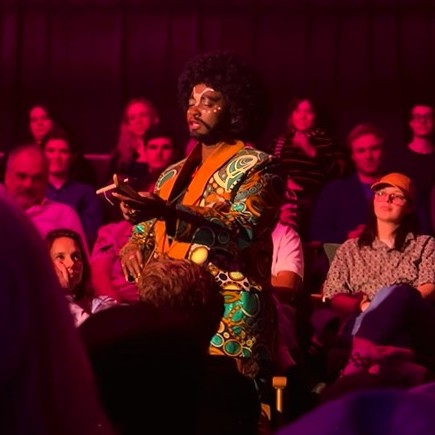
And that is who I became. Unique, unstoppable, and proud.

Thanks to Girls Won’t Be Girls / Boys Won’t Be Boys, I now tour theatres in the Netherlands, sharing my story and my culture.

Performing as Eric feels like bringing my entire life on stage. My childhood memories, my parents’ encouragement, the journey of Eliane and Eric growing together. I share the hardship, my HIV diagnosis, the moments of darkness, the joy of sharing my status, and the victory of choosing life.
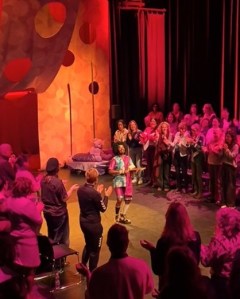
When I ask the audience at my show to repeat…

I am strong like Eric!

I am lovely like Eric!

I embrace who I am!

I never give up!

…it is because someone in that room is fighting their own battle, just like Eric did. Those words are for them.

Allow me, with all my heart, to offer my deepest thanks to Rikkert van Huisstede, Artistic Director of Boys Won’t Be Boys, for believing in my story and recognising its impact. And to the entire BWBB and GWBG community, thank you for your support. Together, we break stereotypes and taboos.

And to all these girls with beautiful dreams in my home village of Murira, Burundi, and beyond I want to tell you that the world is changing. You no longer have to wait for men to decide what you can or cannot do. Look around, find your role model, your inspiration. They will show you what is possible. They make your dreams feel real. And if you can dream it, you can do it.

My lovely community, our work is not done.

We are strong, smart, and resilient.

We will keep showing the world our worth.

Peace,

Eliane (Eric)
LGBTQI+ health matters: A journey of advocacy and action

Dear HIV community, how have you been?

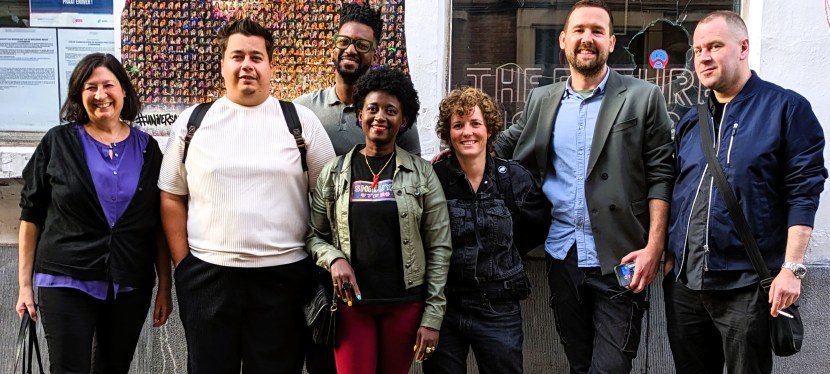
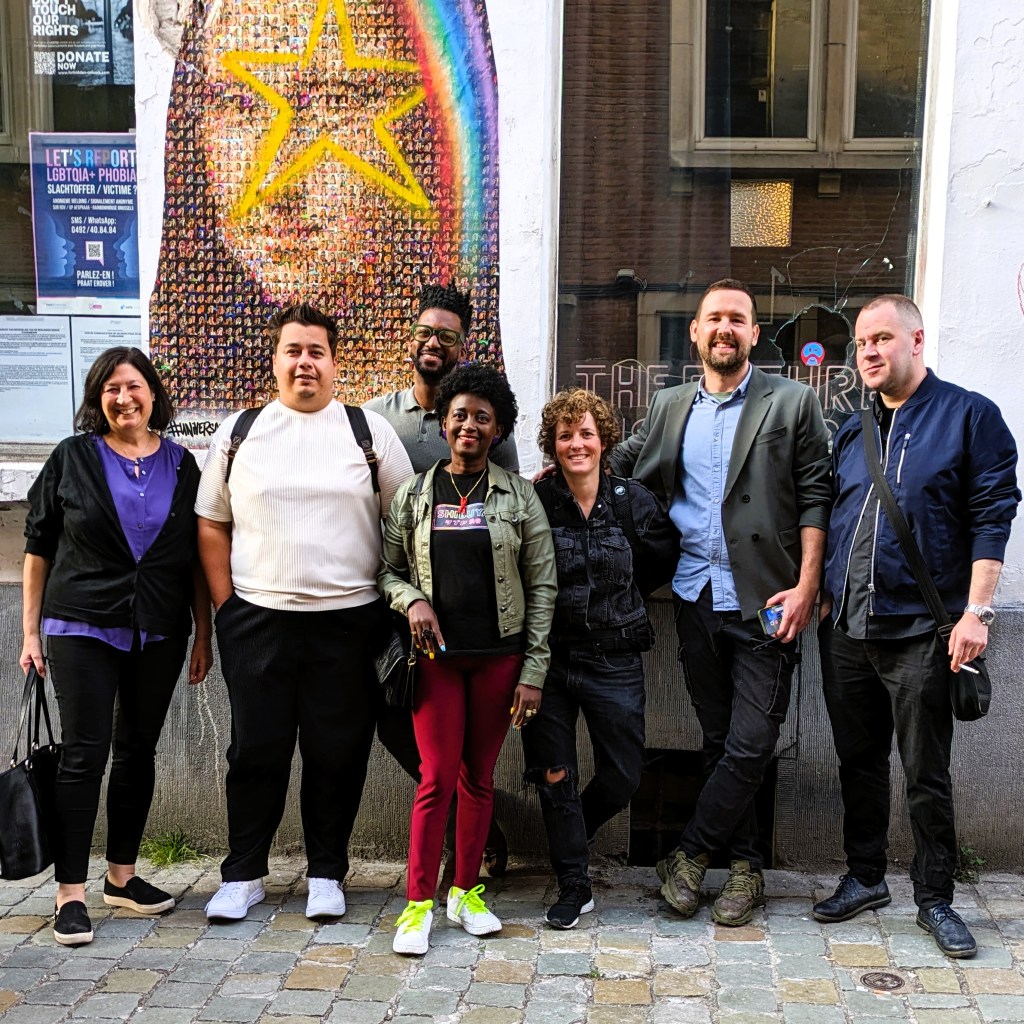
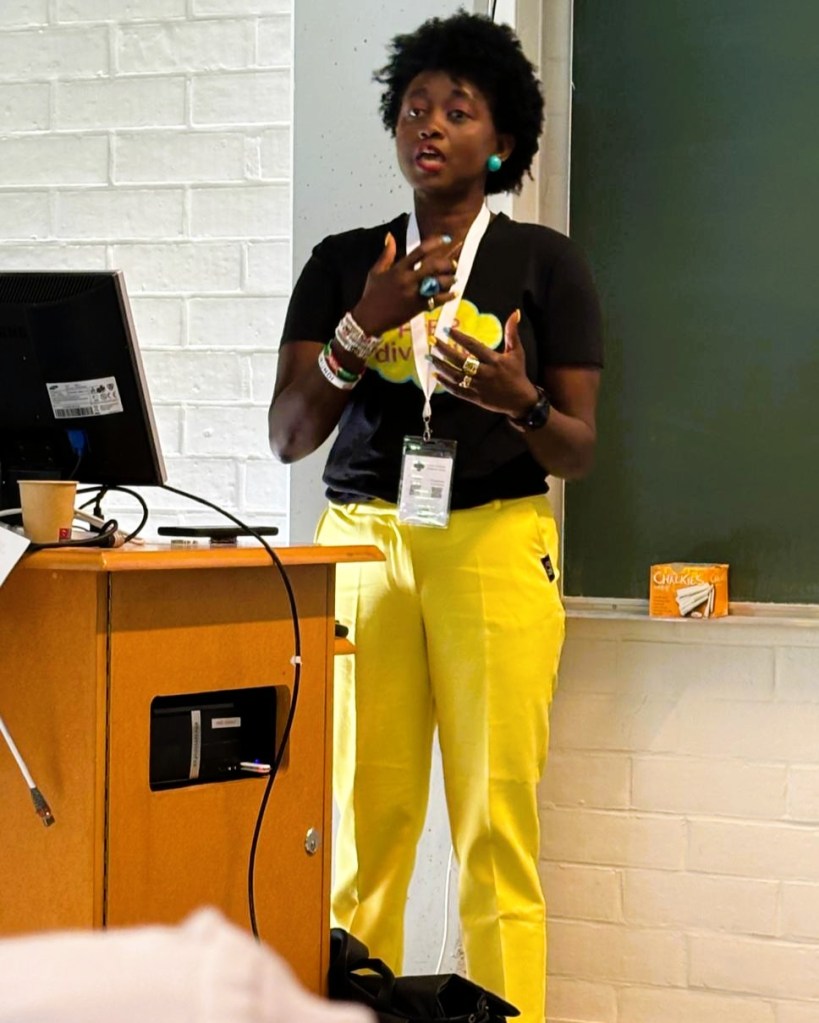
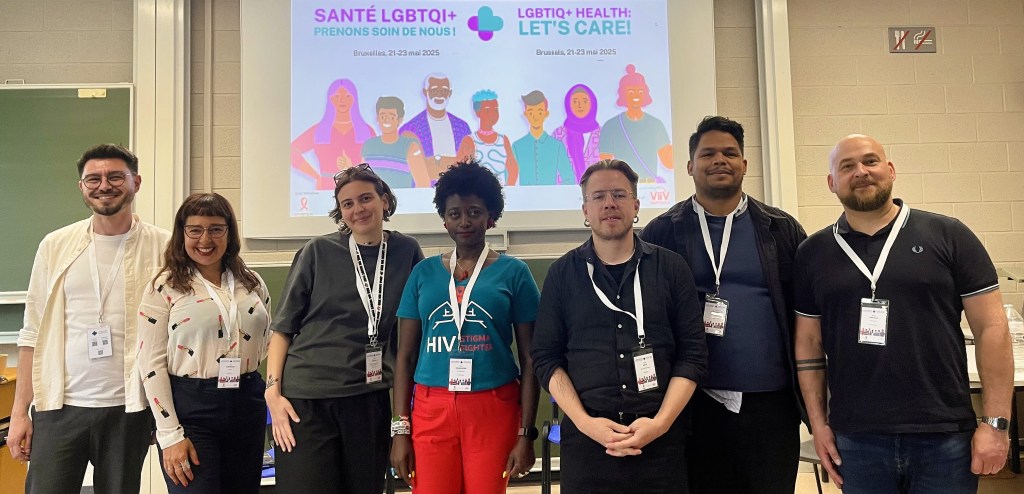
I was honoured to speak at the second European LGBTQI+ Health Conference in Brussels—a vibrant gathering of activists, healthcare professionals, researchers, community organizations, and affected individuals from across Europe. The event was filled with incredible discussions, inspiring stories, and groundbreaking initiatives. Here are some impressions, hope you like them!

Addressing stigma through community-led harm reduction initiatives

During this session, my contribution focused on broad spectrum harm reduction Initiatives in the LGBTQI+ context. I shared my personal journey overcoming HIV stigma, highlighting how our talents may transform us into community icons. As one of the initiators of local grassroots initiatives driven by migrants living with HIV, I spoke about the impact of sharing lived experiences and empowering local HIV communities. I also shared my experience as a PrEP advocate and volunteer, working with local organizations such as PrEPNu to ensure access to PrEP as an essential preventive tool.

We also heard from Ismal from AIDS Action Europe, who discussed harm reduction in the chemsex context. Their organization provides training manuals and best practice guidelines for delivering health services tailored to chemsex users. They conduct trainer workshops, facilitate knowledge exchanges, and offer grants for translations and webinars, ensuring widespread accessibility of resources.

Another inspiring initiative came from Osmely José of Accion Triangulo, who uses art and cinema as educational tools through Pride Positivo. Their film screenings actively combat stigma, and they’ve developed an innovative concept—the PAE pill—as a symbol of HIV destigmatization, based on real-life experiences of stigma in healthcare and community settings.

PrEP access & prevention strategies

One of the most crucial discussions revolved around PrEP accessibility. As a volunteer at PrEPnu, I shared our digital outreach strategies, which allow people to access services through PrEPNu’s online platform. Additionally, our outreach teams engage with the LGBTQI+ community at festivals, pride walks, workshops, parties, saunas, and health clinics, ensuring widespread awareness. Unfortunately, PrEP is currently only available at a cost (+/- 30 euros per month) in the Netherlands, which remains a significant barrier.

Other European organizations shared their approaches:

  • Romania: Mihai from Checkpoint ARAS who opened six PrEP checkpoints under the Checkpoint ARAS Network. These community clinics, situated within hospitals, create safe, non-intimidating environments for key populations. PrEP is also not free in Romania.
  • Serbia: Duga Association, an LGBTQI+ community-led organization, launched the First Checkpoint offering free HIV testing, doctor consultations, and psychological support. This effort counteracts stigma, geographic barriers, and fragmented services that often discourage people—especially those outside big cities—from seeking care. While PrEP is available in Belgrade pharmacies, it costs €43 per month, making accessibility difficult.

Do you remember the Barcelona checkpoints I visited last year? All these initiatives really create a momentum around PrEP in Europe. I sincerely hope that one day we will see these community-led checkpoints in the Netherlands as well, they are really complementary to the great work already done by PrEPNu! So let us keep fighting for PrEP diversity!

HIV dragtivism

Throughout the conference I had already been highlighting how through creative activism, including HIV dragtivism, we are able to challenge political and healthcare perceptions, pushing for inclusive policies.

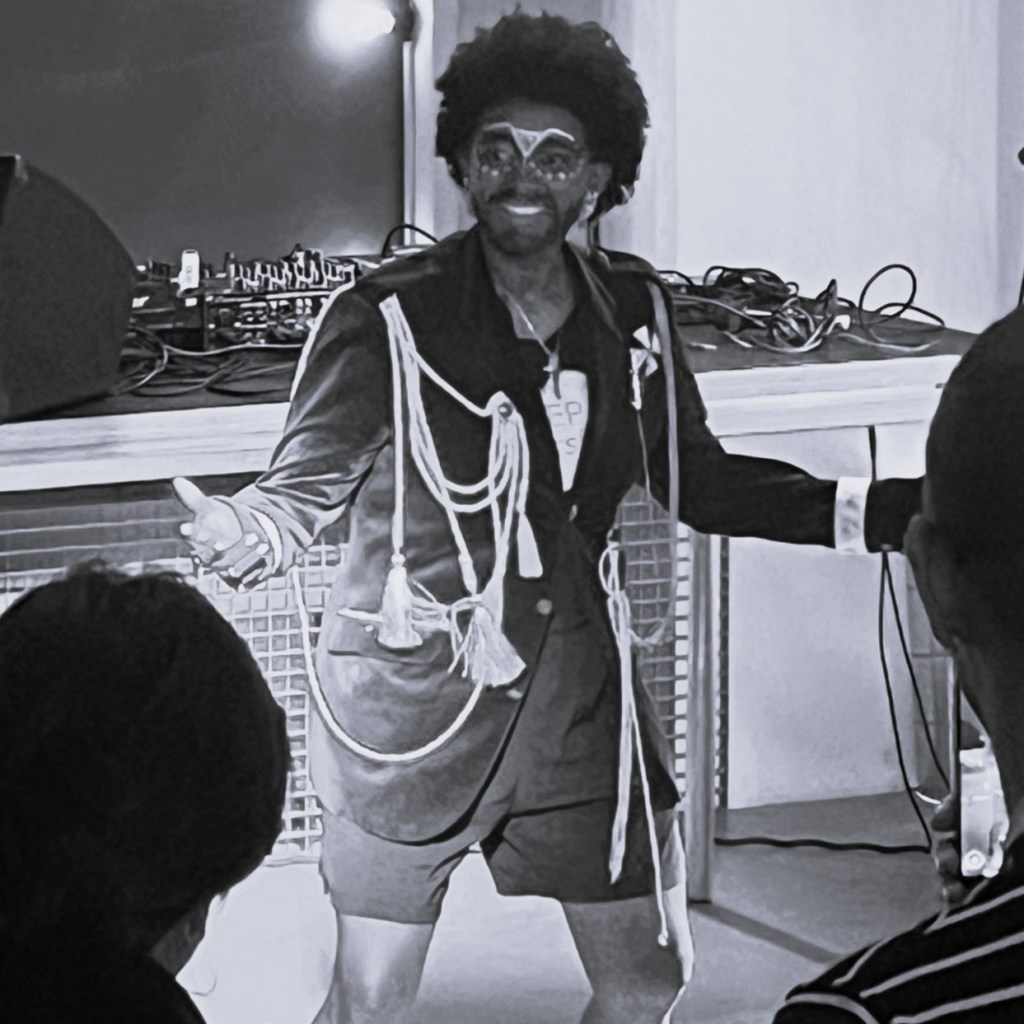
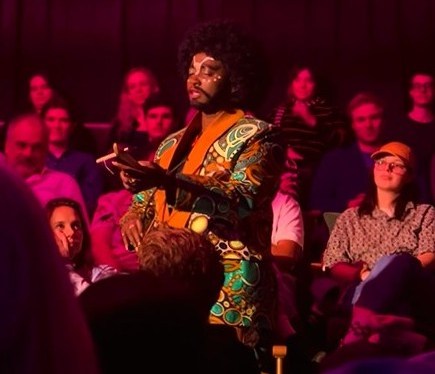
Somewhat unplanned, but always ready, I was asked to perform as Eric the Dragking. So on the closing night, participants were able to experience Eric the Dragking stomping HIV stigma alongside them—a symbolic and empowering moment that energized many attendees. In fact, numerous organizations expressed enthusiasm about inviting Eric to their countries to further break HIV stigma and raise PrEP awareness!

The urgent need for global action

While UNAIDS and numerous organizations continue advocating to end HIV and AIDS by 2030, the reality remains troubling: prevention tools exist, yet communities still struggle for access due to political hurdles and greedy pharmaceutical interests. Health is a human right, yet so many LGBTQI+ individuals lack the protections they deserve. So is this target still realistic and how will we reach it? I am convinced that conferences such as these contribute by creating the much-needed space for collaboration, knowledge-sharing, and empowerment. Let’s hope the Netherlands HIV community is listening to their European neighbours!

Let’s hear a few powerful reflections I collected from fellow participants:

> “In times of increasing polarization and prejudice against LGBTQI+ people, institutions, healthcare providers, advocates, and scholars must unite to promote health for all. This conference catalyzed new efforts, bringing together passionate individuals from across Europe and beyond. Let’s work together to foster well-being for everyone!” > — Tabea Hassler, Researcher at the University of Zurich

> “It was incredible to network with so many changemakers improving LGBTQI+ health across Europe. The passion, enthusiasm, and energy of attendees were truly inspiring, and I have no doubt that real action and collaborations will emerge from this event.” > — John Gilmore, University College Dublin

> “The 2nd European Conference on LGBTIQ+ Community Health definitely brought together the best LGBTIQ+ thinkers and practitioners from across Europe at such a crucial time as this, to form new alliances, strengthen our vision, and refine our collective focus.”> —Dr Harvey Kennedy-Pitt

United, we will win this fight

The fight for health equity and LGBTQI+ rights is ongoing—but together, we are strong. Through collaboration, activism, and unwavering determination, we will dismantle barriers and demand accessible, stigma-free healthcare for all.

I urge you to have a look at the manifesto we drafted together during the conference: The manisfesto recognises that LGBTQI+ communities continue to face systemic inequalities, institutional violence, and barriers to essential healthcare. In the manifesto we state that we refuse to accept a system that neglects lived experience, silences community-based knowledge, and denies universal access to care. We demand the recognition of peer support as legitimate healthcare, PrEP access for all, the integration of LGBTQI+ realities in medical training, structural support for community health centers, and our rightful place in public health decision-making. Justice in healthcare is not optional – it’s a necessity. Stand with us. Sign the manifesto. Be part of the change!

Thanks Stephen Barris from Ex Aequo for organising this wonderful conference and looking forward to the next edition!

Let’s keep pushing forward. We are the working force, and our voices matter.

Peace,

Eliane