LGBTQI+ health matters: A journey of advocacy and action

Dear HIV community, how have you been?

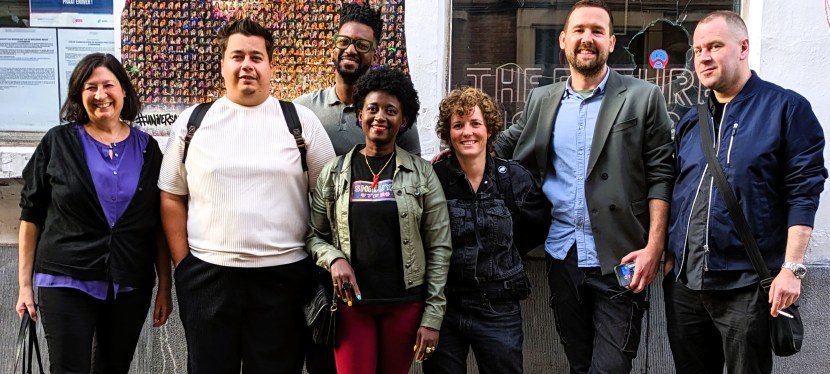
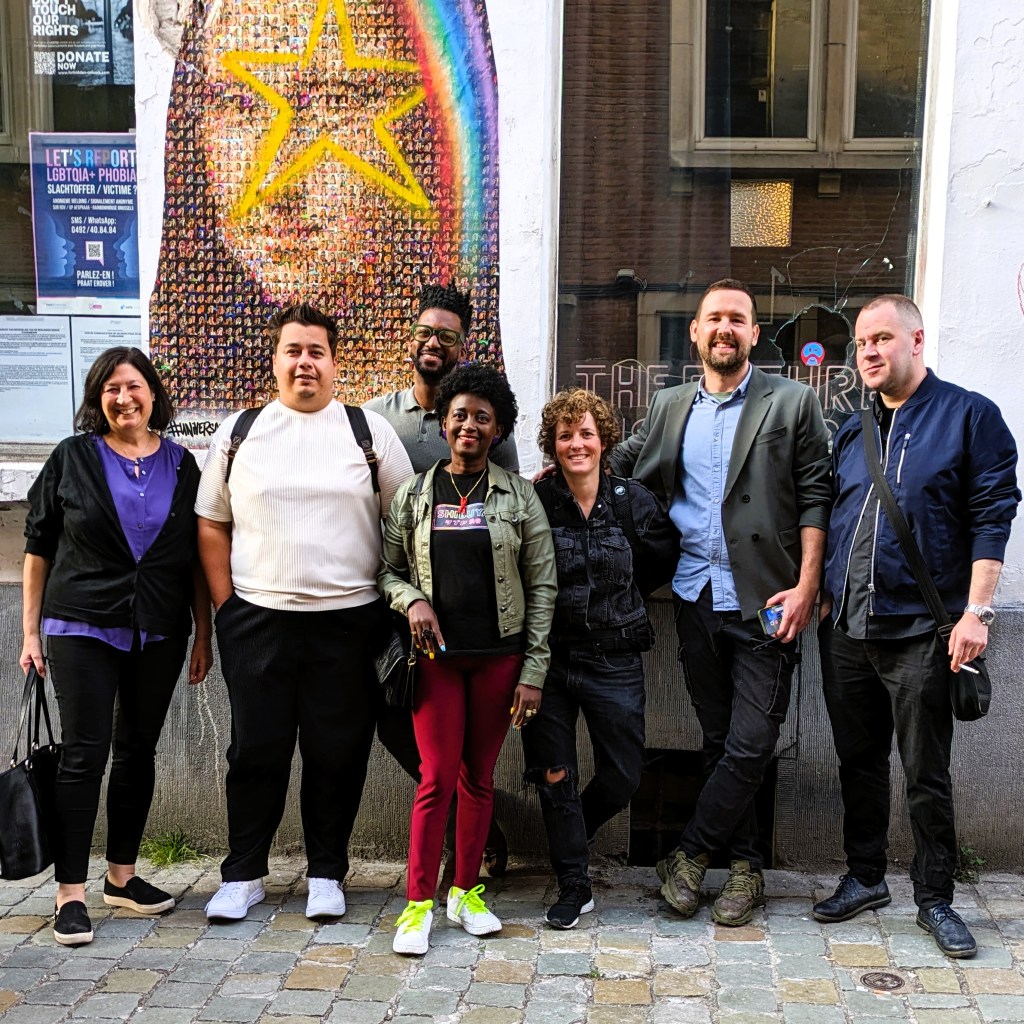
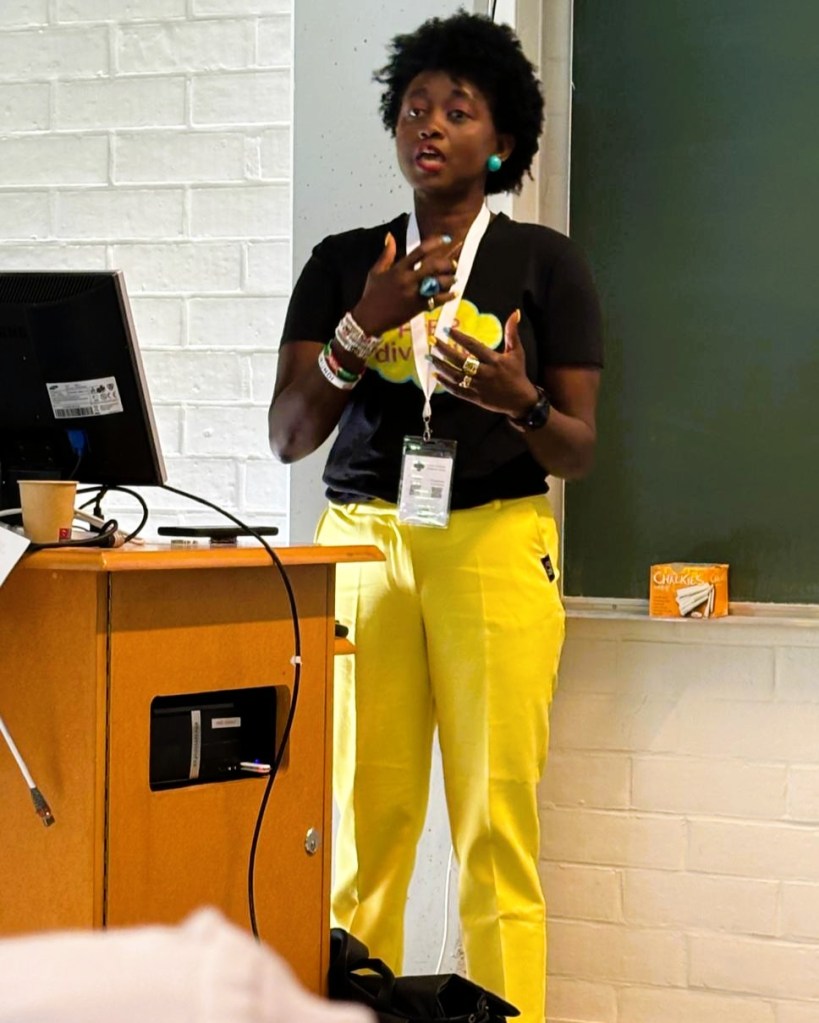
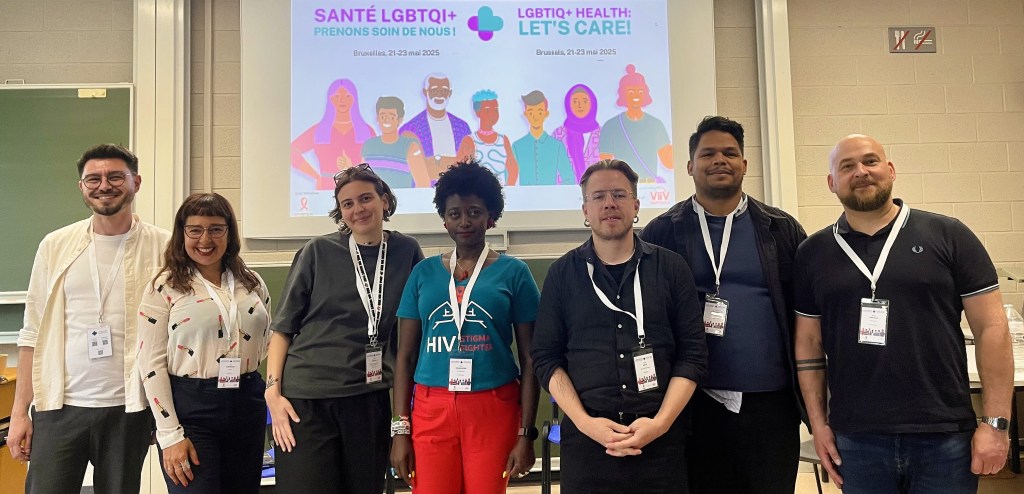
I was honoured to speak at the second European LGBTQI+ Health Conference in Brussels—a vibrant gathering of activists, healthcare professionals, researchers, community organizations, and affected individuals from across Europe. The event was filled with incredible discussions, inspiring stories, and groundbreaking initiatives. Here are some impressions, hope you like them!

Addressing stigma through community-led harm reduction initiatives

During this session, my contribution focused on broad spectrum harm reduction Initiatives in the LGBTQI+ context. I shared my personal journey overcoming HIV stigma, highlighting how our talents may transform us into community icons. As one of the initiators of local grassroots initiatives driven by migrants living with HIV, I spoke about the impact of sharing lived experiences and empowering local HIV communities. I also shared my experience as a PrEP advocate and volunteer, working with local organizations such as PrEPNu to ensure access to PrEP as an essential preventive tool.

We also heard from Ismal from AIDS Action Europe, who discussed harm reduction in the chemsex context. Their organization provides training manuals and best practice guidelines for delivering health services tailored to chemsex users. They conduct trainer workshops, facilitate knowledge exchanges, and offer grants for translations and webinars, ensuring widespread accessibility of resources.

Another inspiring initiative came from Osmely José of Accion Triangulo, who uses art and cinema as educational tools through Pride Positivo. Their film screenings actively combat stigma, and they’ve developed an innovative concept—the PAE pill—as a symbol of HIV destigmatization, based on real-life experiences of stigma in healthcare and community settings.

PrEP access & prevention strategies

One of the most crucial discussions revolved around PrEP accessibility. As a volunteer at PrEPnu, I shared our digital outreach strategies, which allow people to access services through PrEPNu’s online platform. Additionally, our outreach teams engage with the LGBTQI+ community at festivals, pride walks, workshops, parties, saunas, and health clinics, ensuring widespread awareness. Unfortunately, PrEP is currently only available at a cost (+/- 30 euros per month) in the Netherlands, which remains a significant barrier.

Other European organizations shared their approaches:

  • Romania: Mihai from Checkpoint ARAS who opened six PrEP checkpoints under the Checkpoint ARAS Network. These community clinics, situated within hospitals, create safe, non-intimidating environments for key populations. PrEP is also not free in Romania.
  • Serbia: Duga Association, an LGBTQI+ community-led organization, launched the First Checkpoint offering free HIV testing, doctor consultations, and psychological support. This effort counteracts stigma, geographic barriers, and fragmented services that often discourage people—especially those outside big cities—from seeking care. While PrEP is available in Belgrade pharmacies, it costs €43 per month, making accessibility difficult.

Do you remember the Barcelona checkpoints I visited last year? All these initiatives really create a momentum around PrEP in Europe. I sincerely hope that one day we will see these community-led checkpoints in the Netherlands as well, they are really complementary to the great work already done by PrEPNu! So let us keep fighting for PrEP diversity!

HIV dragtivism

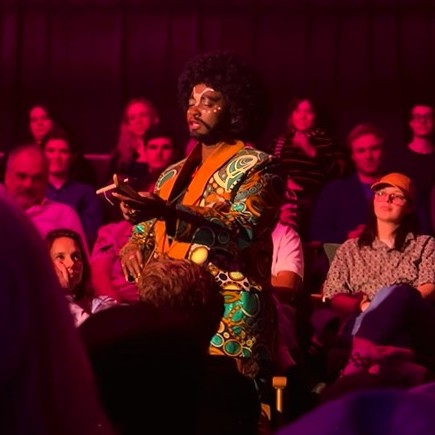
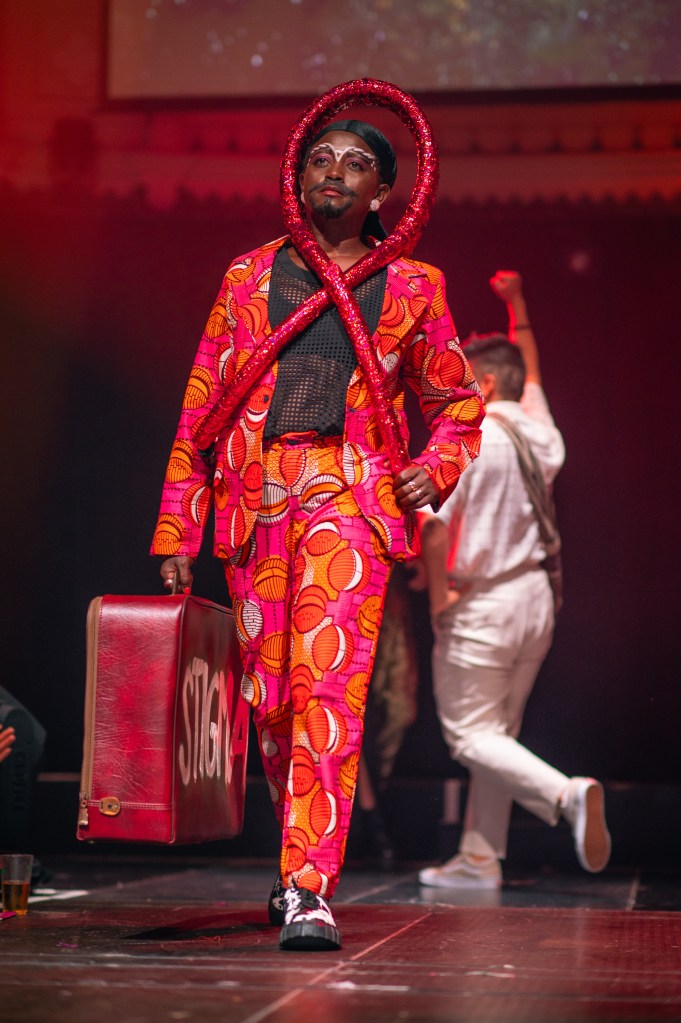
Throughout the conference I had already been highlighting how through creative activism, including HIV dragtivism, we are able to challenge political and healthcare perceptions, pushing for inclusive policies.

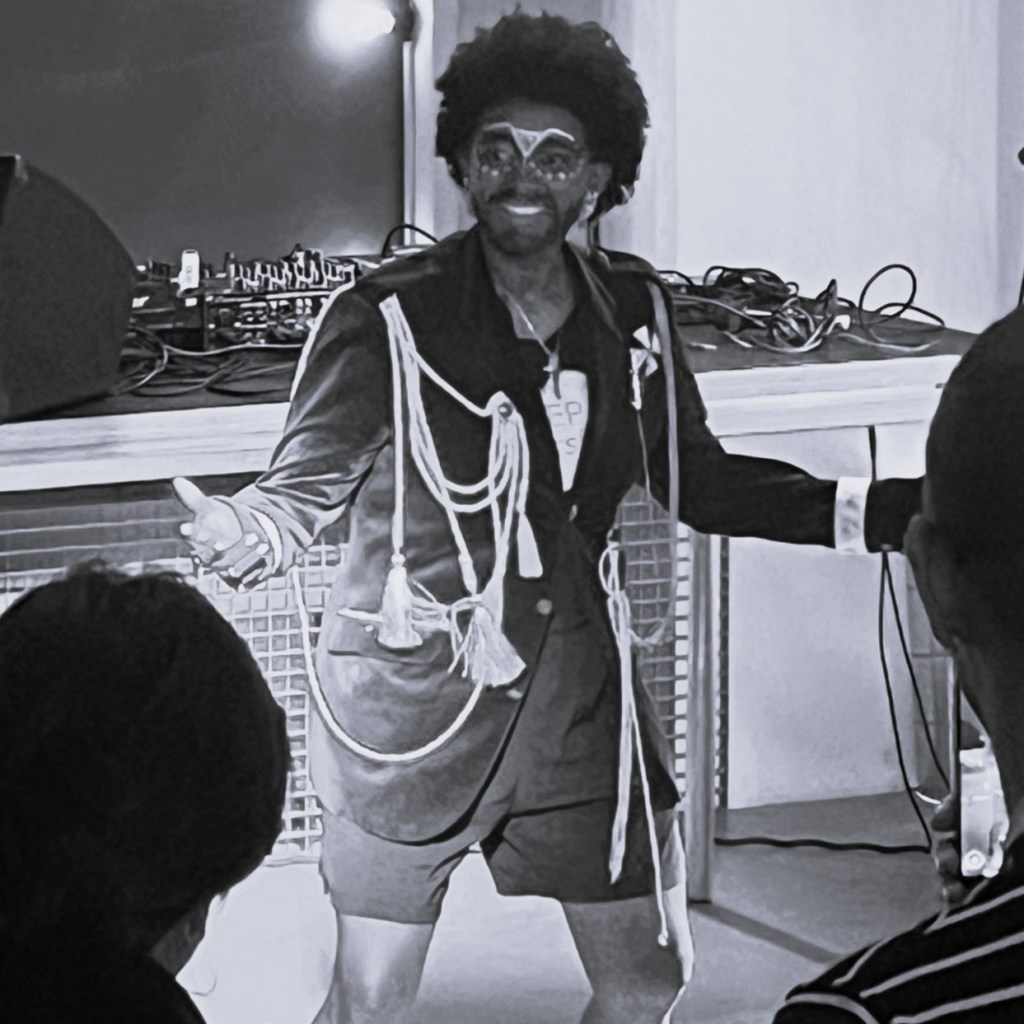
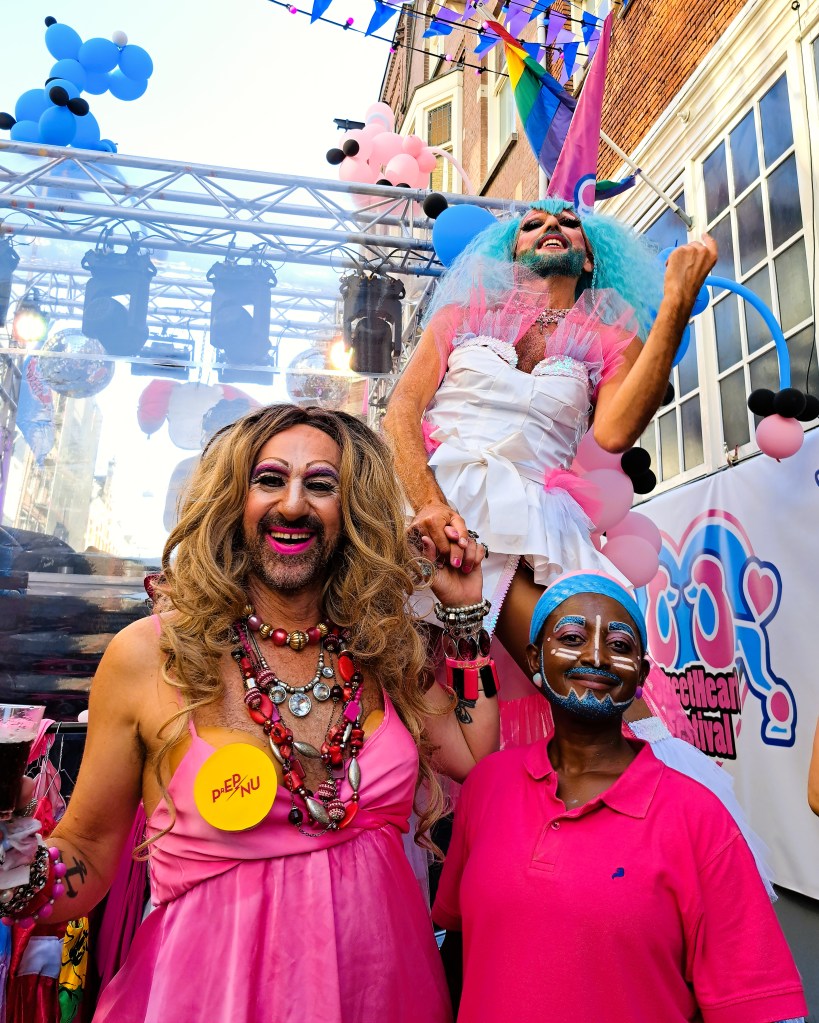
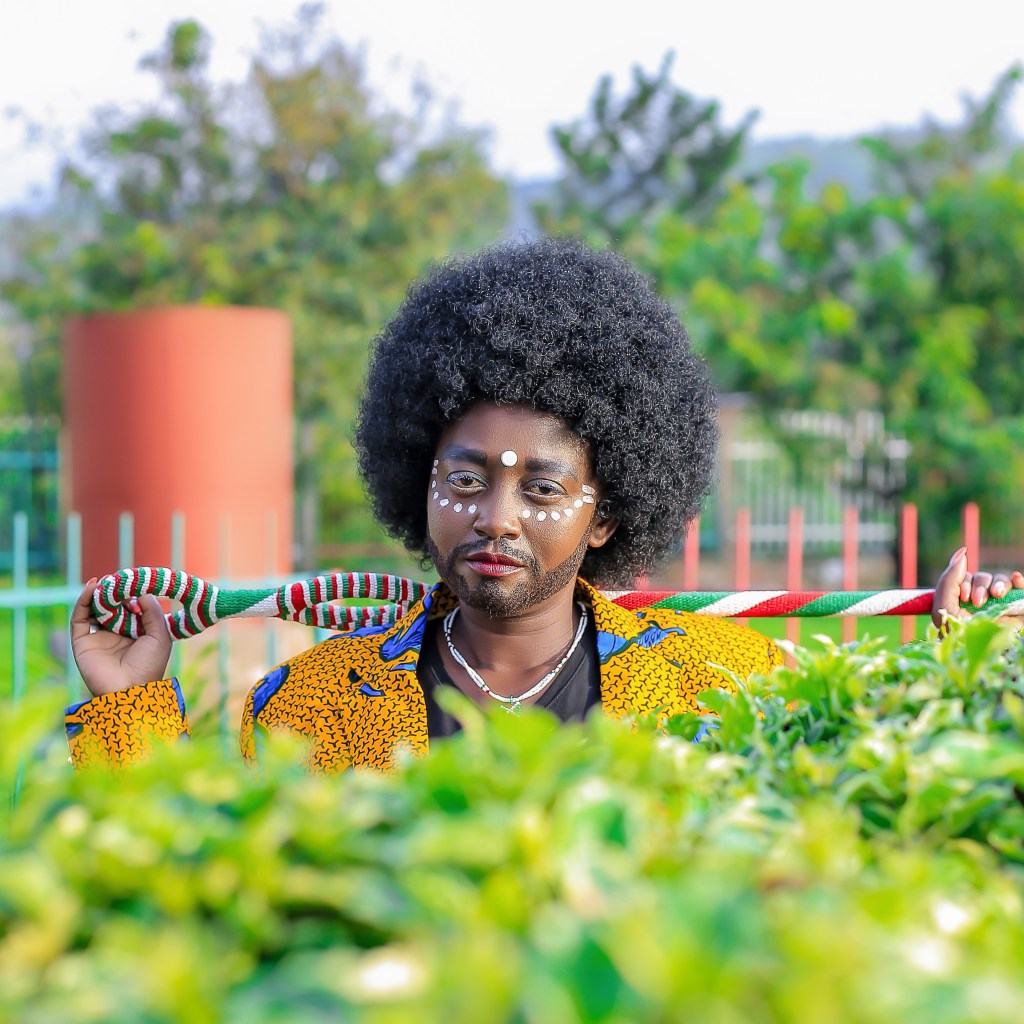
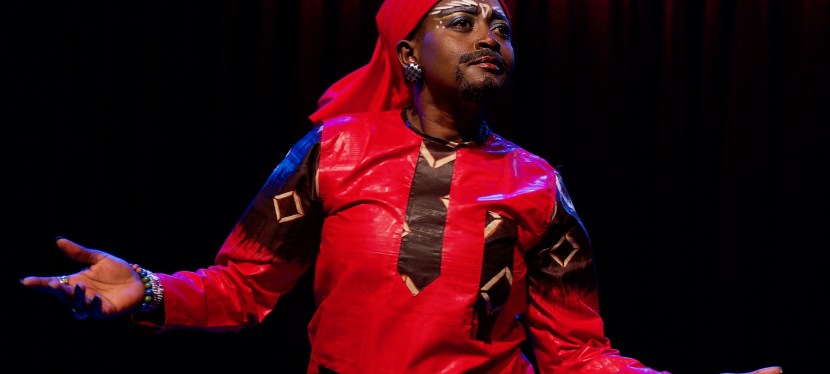
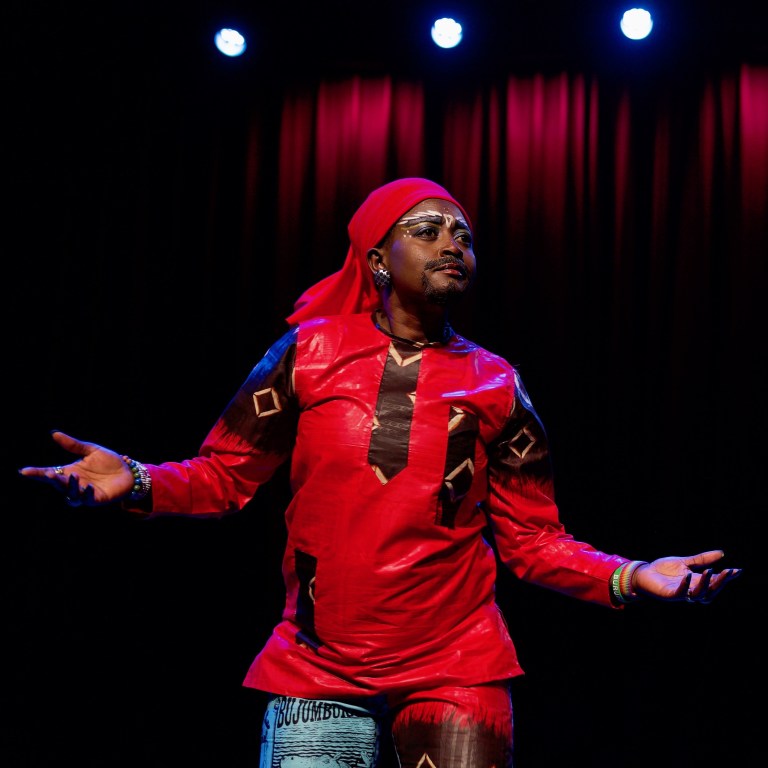
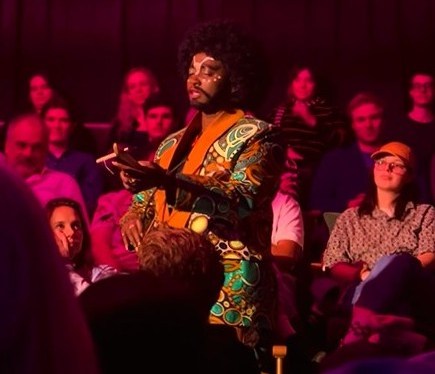
Somewhat unplanned, but always ready, I was asked to perform as Eric the Dragking. So on the closing night, participants were able to experience Eric the Dragking stomping HIV stigma alongside them—a symbolic and empowering moment that energized many attendees. In fact, numerous organizations expressed enthusiasm about inviting Eric to their countries to further break HIV stigma and raise PrEP awareness!

The urgent need for global action

While UNAIDS and numerous organizations continue advocating to end HIV and AIDS by 2030, the reality remains troubling: prevention tools exist, yet communities still struggle for access due to political hurdles and greedy pharmaceutical interests. Health is a human right, yet so many LGBTQI+ individuals lack the protections they deserve. So is this target still realistic and how will we reach it? I am convinced that conferences such as these contribute by creating the much-needed space for collaboration, knowledge-sharing, and empowerment. Let’s hope the Netherlands HIV community is listening to their European neighbours!

Let’s hear a few powerful reflections I collected from fellow participants:

> “In times of increasing polarization and prejudice against LGBTQI+ people, institutions, healthcare providers, advocates, and scholars must unite to promote health for all. This conference catalyzed new efforts, bringing together passionate individuals from across Europe and beyond. Let’s work together to foster well-being for everyone!” > — Tabea Hassler, Researcher at the University of Zurich

> “It was incredible to network with so many changemakers improving LGBTQI+ health across Europe. The passion, enthusiasm, and energy of attendees were truly inspiring, and I have no doubt that real action and collaborations will emerge from this event.” > — John Gilmore, University College Dublin

> “The 2nd European Conference on LGBTIQ+ Community Health definitely brought together the best LGBTIQ+ thinkers and practitioners from across Europe at such a crucial time as this, to form new alliances, strengthen our vision, and refine our collective focus.”> —Dr Harvey Kennedy-Pitt

United, we will win this fight

The fight for health equity and LGBTQI+ rights is ongoing—but together, we are strong. Through collaboration, activism, and unwavering determination, we will dismantle barriers and demand accessible, stigma-free healthcare for all.

I urge you to have a look at the manifesto we drafted together during the conference: The manisfesto recognises that LGBTQI+ communities continue to face systemic inequalities, institutional violence, and barriers to essential healthcare. In the manifesto we state that we refuse to accept a system that neglects lived experience, silences community-based knowledge, and denies universal access to care. We demand the recognition of peer support as legitimate healthcare, PrEP access for all, the integration of LGBTQI+ realities in medical training, structural support for community health centers, and our rightful place in public health decision-making. Justice in healthcare is not optional – it’s a necessity. Stand with us. Sign the manifesto. Be part of the change!

Thanks Stephen Barris from Ex Aequo for organising this wonderful conference and looking forward to the next edition!

Let’s keep pushing forward. We are the working force, and our voices matter.

Peace,

Eliane

Growing stronger together

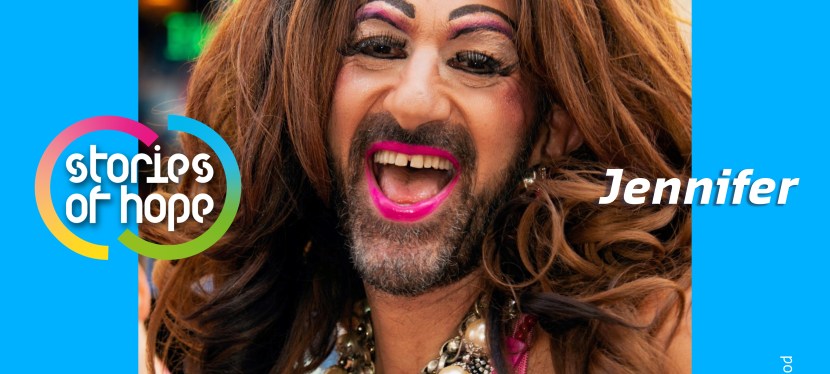
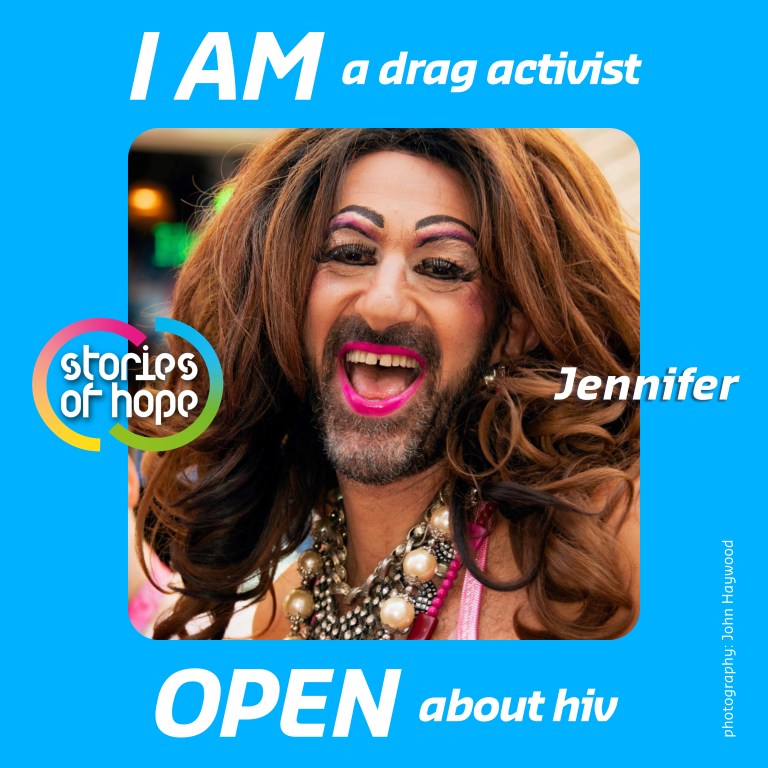
Since last year’s Mandela day, which is always on the 18th of July, STORIES OF HOPE includes portraits about our dear allies of PLWH in recognition of their contribution to ending HIV and AIDS. In August 2023, Jennifer Hopelezz, a truly remarkable HIV drag activist and ally, was induced into the Heroes of Hope gallery.

Almost one year later, while eagerly anticipating the start of AIDS 2024 in Munich on 22 July, we will be looking forward with Jennifer to AIDS 2024 and give her the honour to introduce our newest Hero of Hope who happens to be Jennifer’s family!

Jennifer; when you hear AIDS 2024’s theme ‘putting people first’, what does this really mean for you?

“Well to me, it’s a little bit too obvious because of course that’s what you expect, people first before profits and organizations and businesses. But sometimes that seems to get lost and it all seems about the whole infrastructure around HIV/AIDS that has been built up over the last 40 years.”

Jennifer, from your perspective, what do you think should change to ensure that community-based organisations are empowered to apply a ‘people first’ approach to their HIV response?

“I am always surprised at how little feedback is asked of us as a community group – but also as business owner with sex-on- premise venues. We have a whole heap of experience and information that is not tapped into. We have a totally different perspective to the government organizations, and we also have a certain freedom they don’t have as we are an independent voluntary group.”

Jennifer, you are the mother superior of a large drag family in the Netherlands. To celebrate diversity in the wonderful world of drag, in 2019 you added a new drag house to your family, called Lost Bois. One of your family members is Eric the Dragking. Could you introduce Eric in a few words?

“Eric personifies what our houses stand for. Using the power of drag as a tool of activism, to use the attention you get as a drag performer to get your message across. Because you surely get much more attention when you are in drag! Sex positivity, HIV and AIDS, fighting discrimination-these are really core values of our drag houses and that is what Eric is also about! (He also happens to be one of the  best looking kids I have, haha, don’t tell the others!)” 

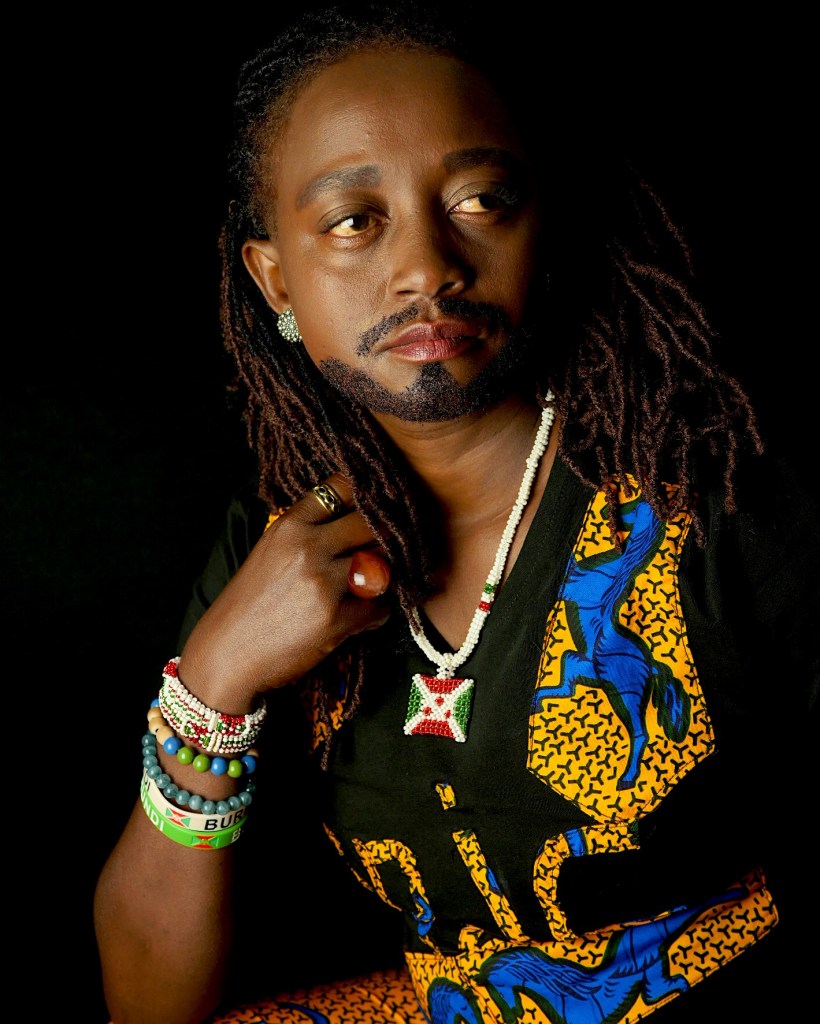
Eric, so nice to meet you and such an inspiring Story of Hope! Why did you decide to do drag and what is your link with the HIV community?

“I decided to perform drag because drag is another powerful way for me to fight stigma and discrimination, and bring change to people and communities. I am living with HIV for 20 years and I know what is like to be stigmatized or discriminated. As Eric the Dragking I can also contribute positively to reducing HIV stigma and improving PrEP awareness in the Queer community.”

Eric, how do you connect your HIV activism with your drag performances?

“I combine my HIV activism with my drag during my performance where I always make sure to be Stomping HIV stigma away. This means that on stage I will be bringing messages of hope for PLWHIV whilst also raising awareness on HIV stigma and access to health services. If together we want to end HIV and AIDS, everyone should know about access to HIV services and prevention and claim it as their right. I like being on stage with artifacts to amplify my HIV activism, it makes people curious and this is a great way to start a positive conversation on HIV.”

PrEP diversity

 Jennifer, as a drag activist you are also strongly advocating for PrEP availability and access. How do you contribute to PrEP diversity and what do you think are the key priorities right now?

“We really need to open our focus from not only cis gay men but to women, transgender people and immigrants. That’s why we are so happy that Eric has joined the PrEPNu outreach team because he knows how to reach these other groups that we don’t. All our networking and all our knowledge is based around the gay scene, especially in Amsterdam. But if we are to end HIV and AIDS, then we need to step out of our bubble and reach these other groups as well.”

Jennifer Hopelezz and Eric the Dragking

 So Eric, you will be joining AIDS 2024 in Munich, Germany. What will be your key message there?

“During AIDS 2024 you will find me mainly at the Global village, this is where the global HIV community will be meeting and I am hoping to see a lot of my fellow grassroot HIV allies. My main message will be to share the importance of PrEP Diversity. We should always remember that HIV does not care about gender, sexual orientation or ethnic background. PrEP is designed to prevent against HIV for everyone. I am confident that we can end new infections if we make sure to enable access to PrEP for those who need it. That is why #PrEPdiversity is very necessary.”

Eric, following Jennifer’s Story of Hope last year, you feature in this Story of Hope. How important is this for you?

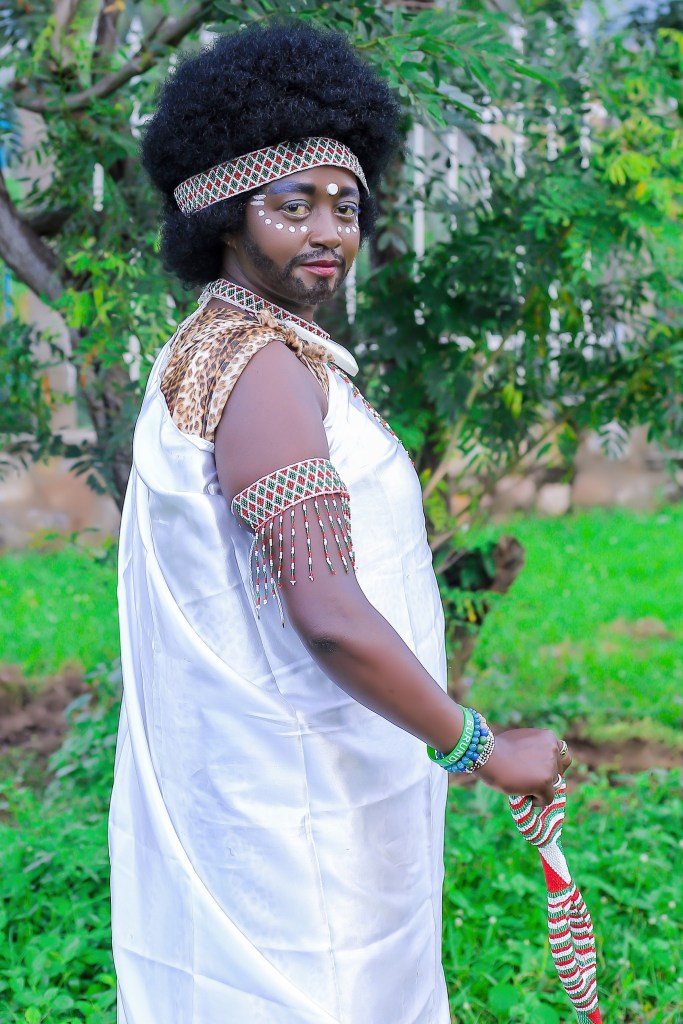
“I am very grateful to be given this opportunity. In 2021, when Stories of Hope was launched, I shared that I was the first Burundian female to play the Indonongo here in Europe. Back then, Eric was not out of the closet yet. I realise that talent is like champagne, it cannot be bottled up, it has to released to be shared and enjoyed fullest. So today I am so proud to share Eric’s talent, the first Burundian and Dutch Dragking living with HIV and open about it. I hope that my HIV dragtivism will be an inspiration for PLWHIV who are still in the closet and also to serve as an example for those who think that life is over after an HIV diagnosis. I am living proof that HIV will never take away your talent!”

Stories of Hope

Let us please welcome Eric the Dragking to our community of Heroes of Hope. You can find Eric’s story here!

Are you talented and never let HIV stigma stand in your way? We are looking for talents to share their experience during World AIDS day on the 1st of December 2024.

Get in touch if you would like to share your story with the global HIV community!

Invest in women

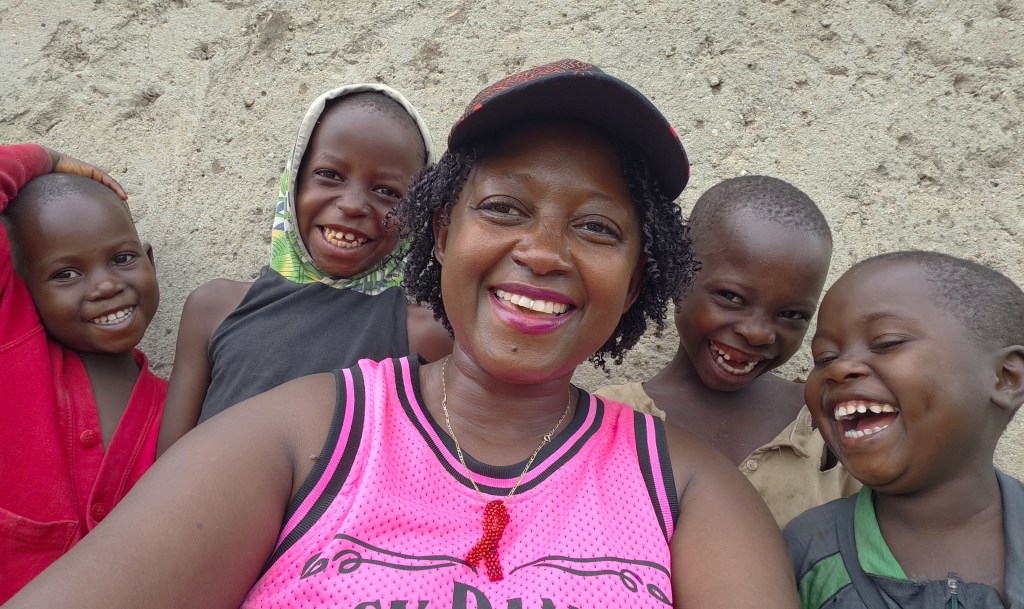
My lovely people how have you been? I was visiting my beloved country in January and part of February this year. While visiting many places and interacting with many people, I realized the incredibly important place that women have in Burundian society.

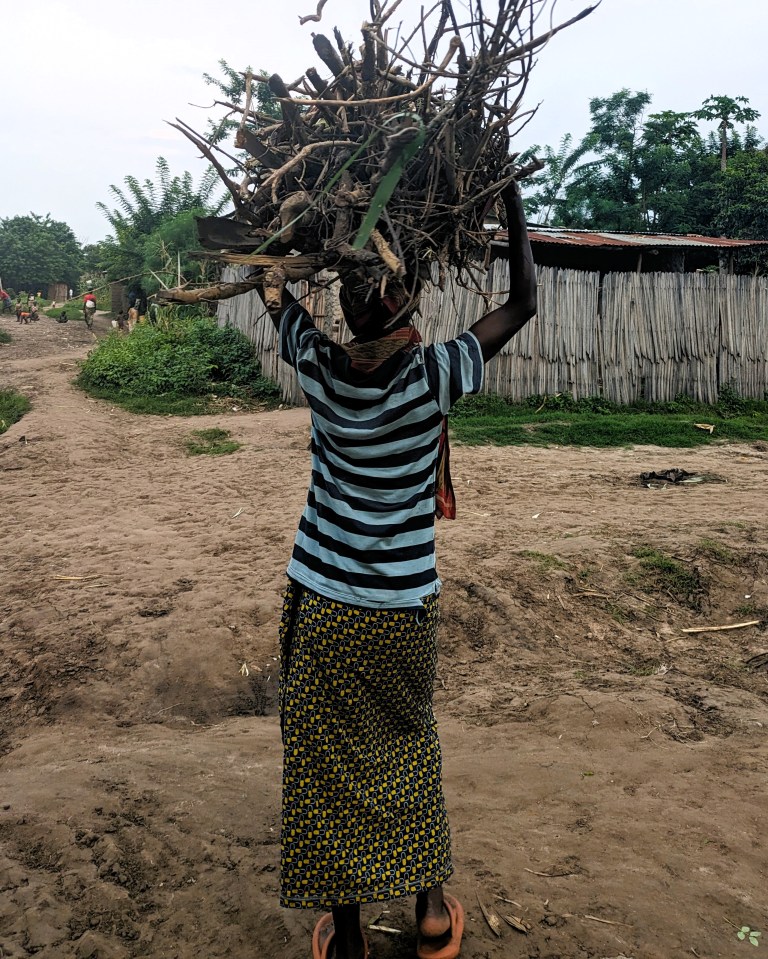
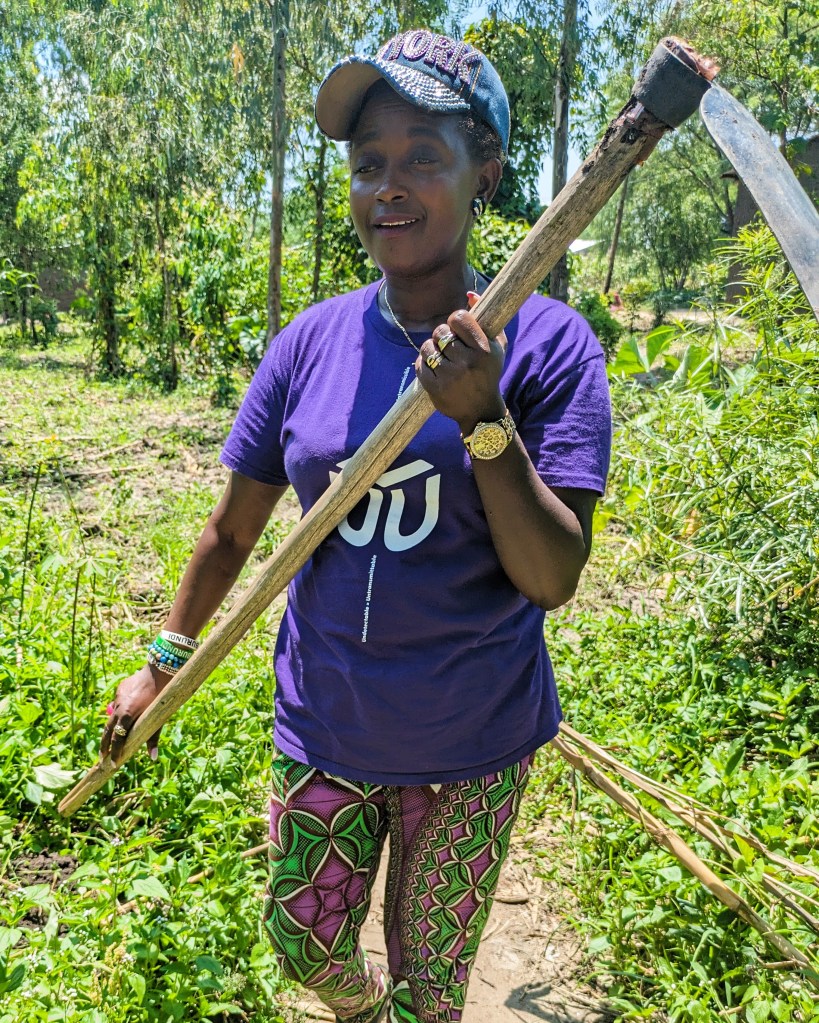
We contribute so much to society; Early morning, even before breakfast time, women can already be found on the lands as farmers and when they are finished they will be making breakfast for their family. Just imagine, while for many of us the day hasn’t even started, many women in Burundi have already worked for three hours or more!

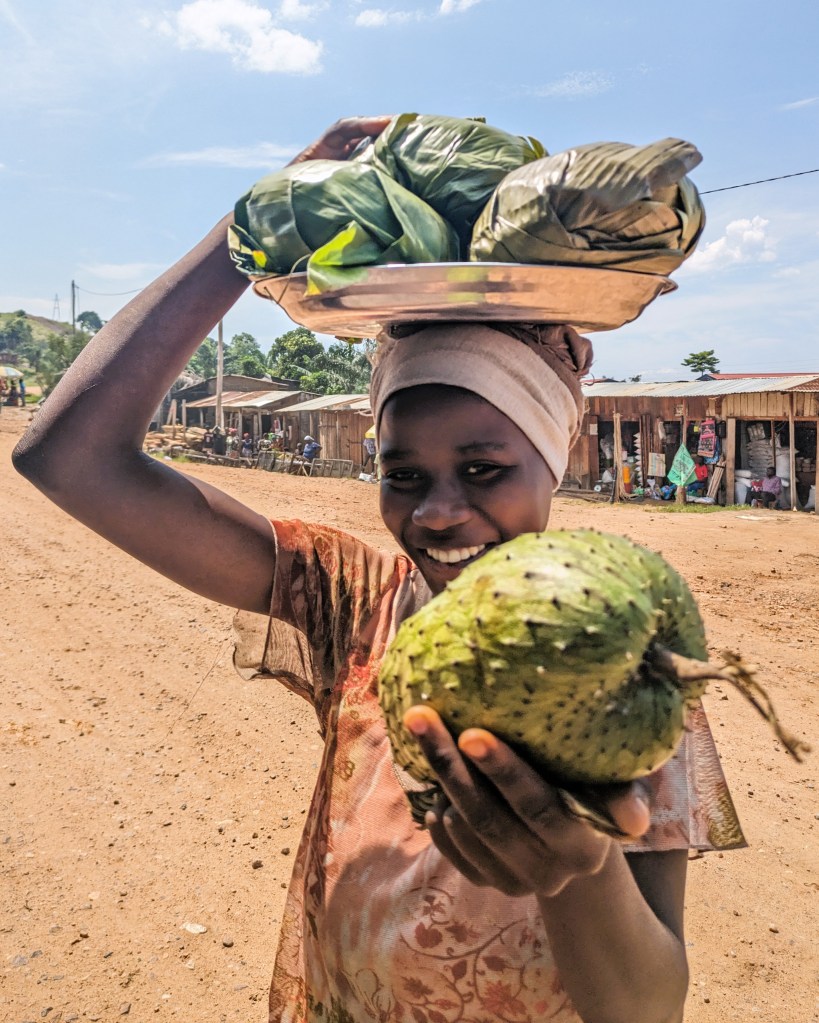
Walking the streets and markets of Burundi you will notice that most street sellers or market stall owners are women. They work hard to sell fruits, vegetables, fish, clothes, etc. They sell hair extensions on the streets and apply them to customers. While working, they will often take care of their kids, holding them on their backs or allowing them to play on the street.

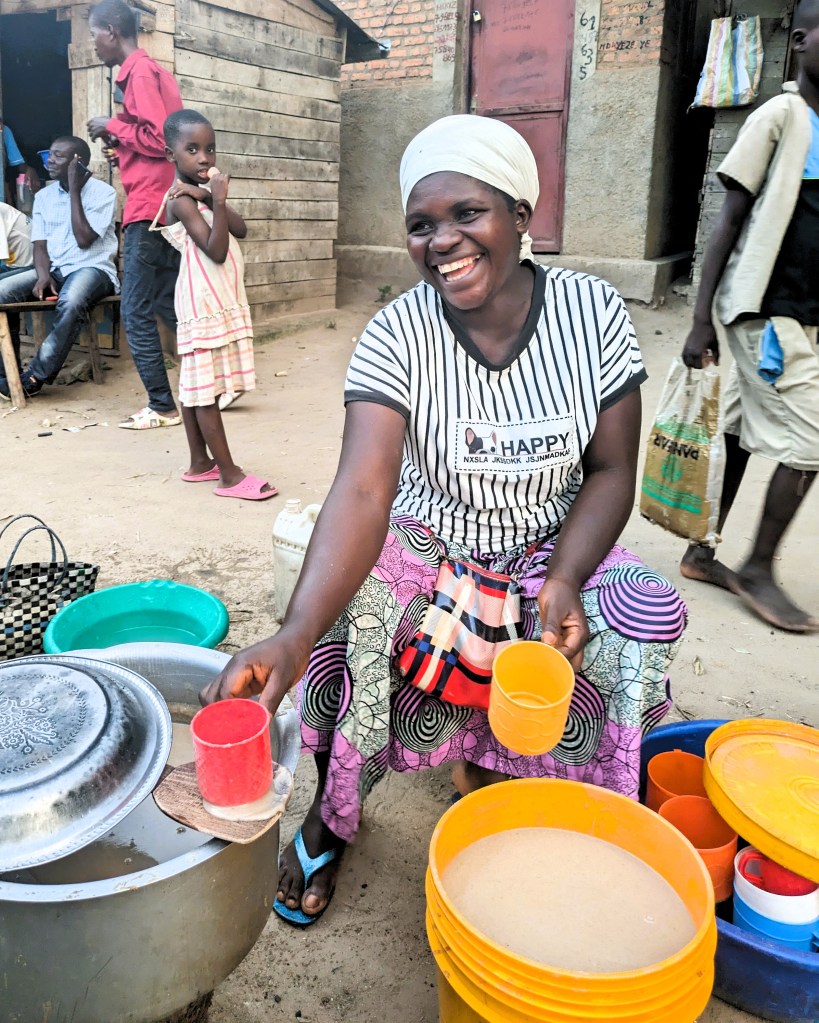
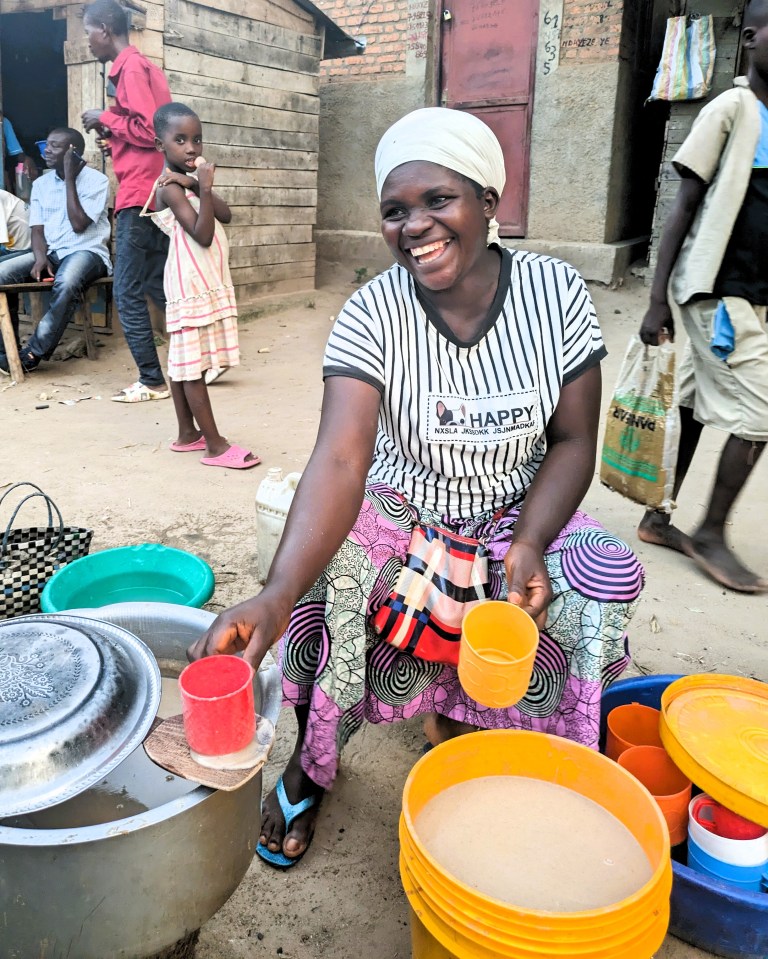
Jeanine selling porridge

Meet Jeanine, a cheerful woman of Gihanga, selling porridge on the street. While enjoying her porridge I had an opportunity to chat with her, so I asked why she sells porridge at the end of the day instead of the morning when most of us eat our porridge. She replied that during daytime she is working on the fields as a farmer. Then, at the end of the day she makes time to sell her porridge to people who cannot afford to eat in a restaurant.

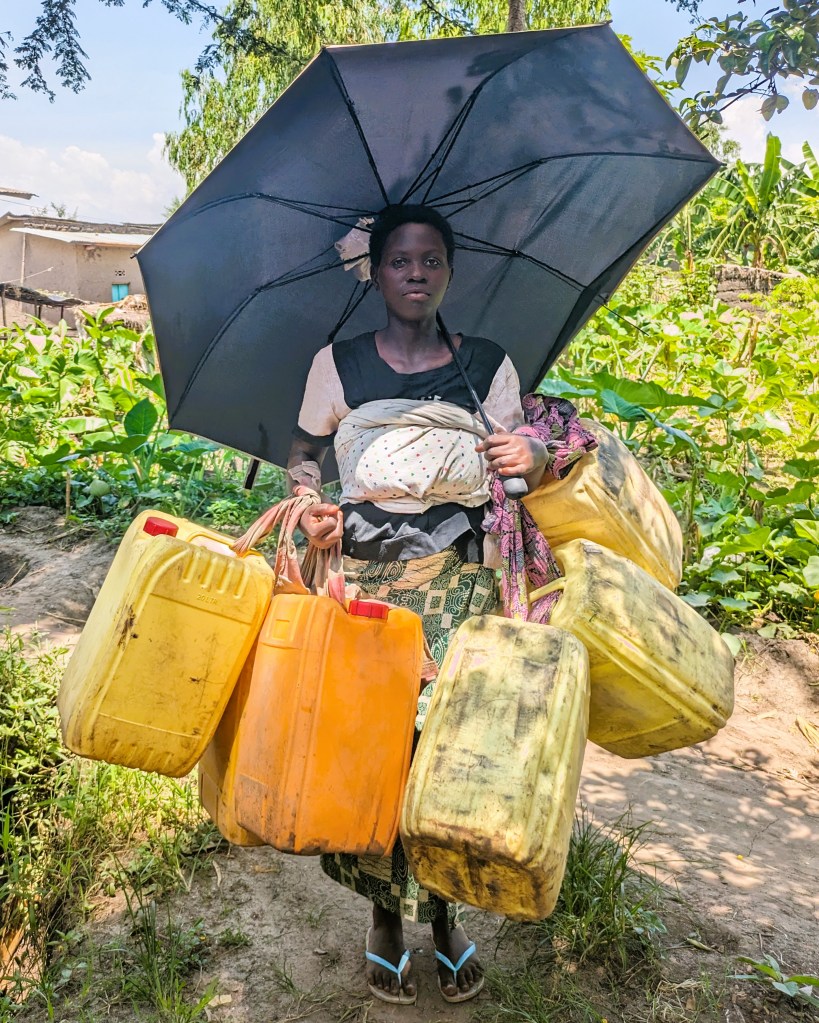
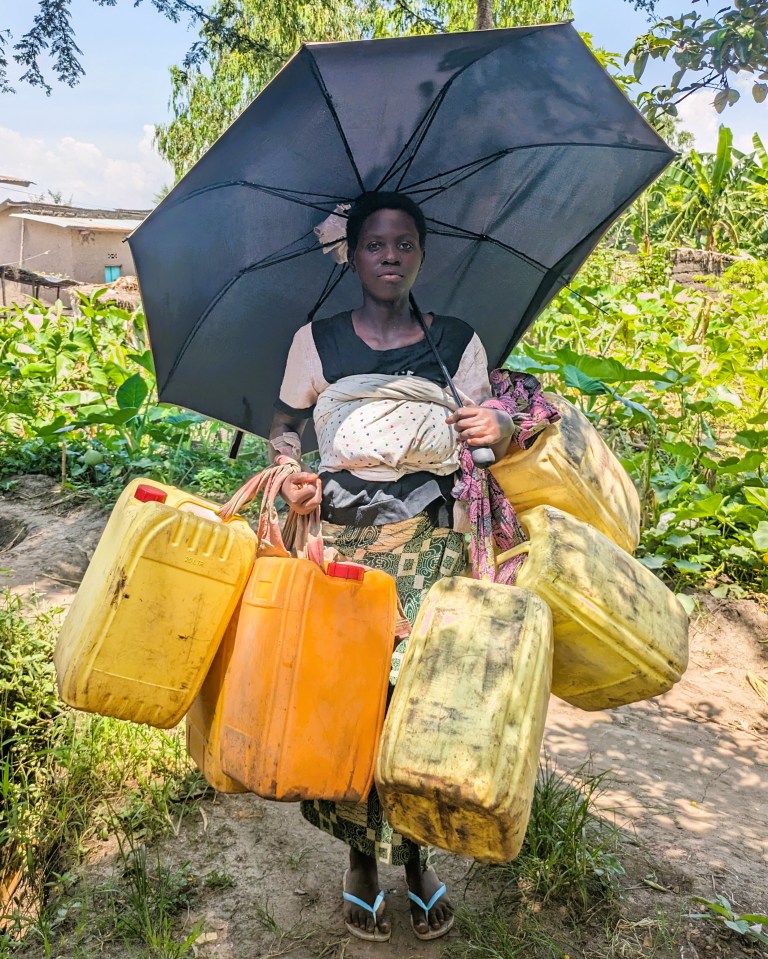
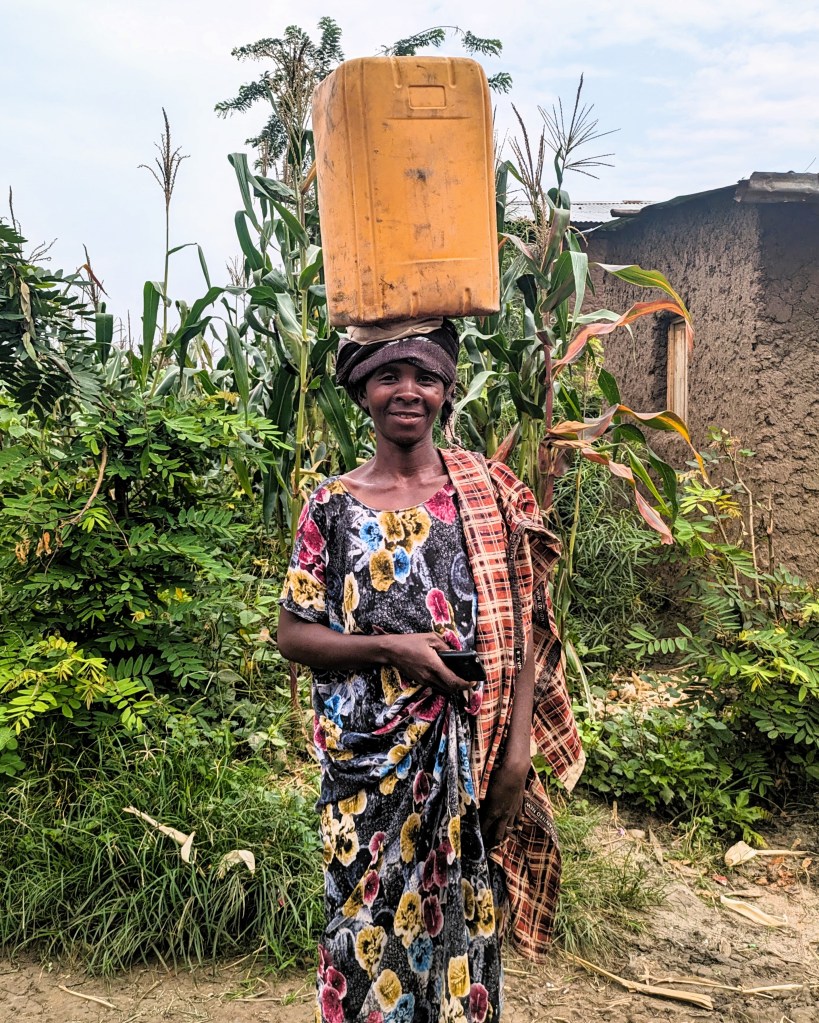
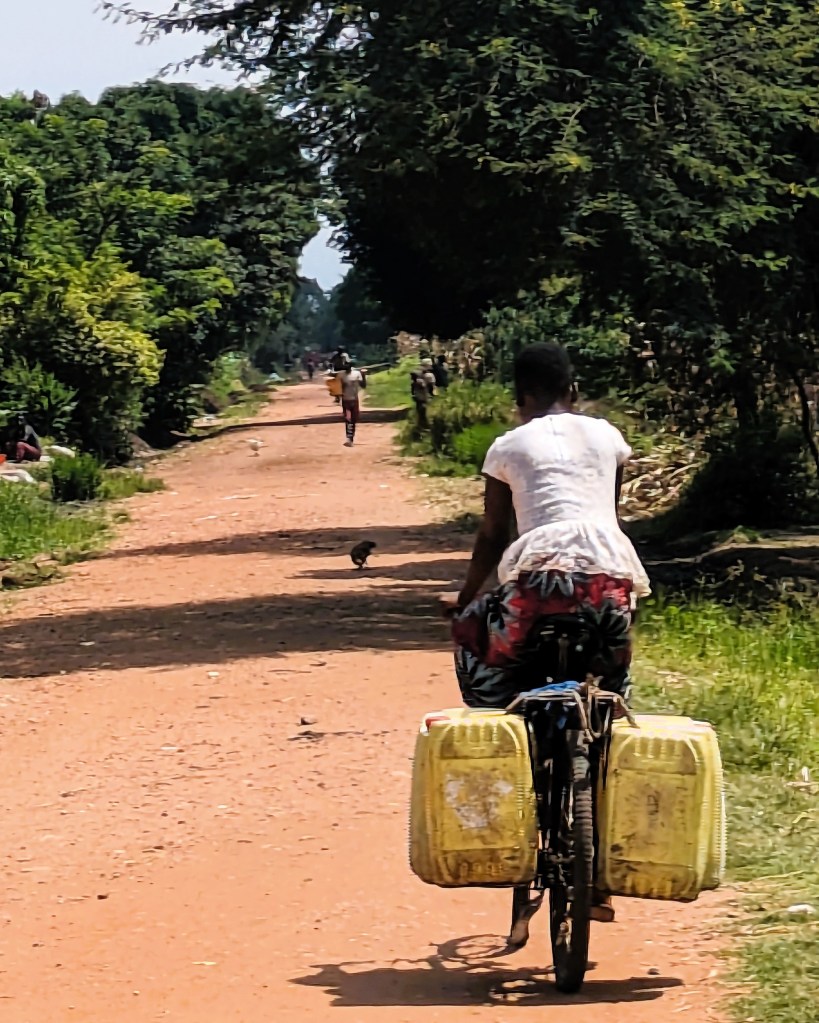
Renata is another great example of how a women contribute to a healthy society. In my hometown Gihanga access to clean water has been a problem for ages, even when I was young! Many women and girls walk or cycle for over 8 kilometres to fetch clean water for their family to drink. So, Renata was just starting her cycling journey, taking 6 containers of 20 litres each with her, while also taking her baby on her back. It does not matter how far or whether it is a hot or rainy day, this is what she must do to keep her family healthy.

Renata on her way to fetch water

And if you think that Jeanine and Renata can wind down after a hard day of work, do not forget they will also be cooking meals for their family or selling a few small things in front of their doorsteps in the evening. They are real centipedes (maboko igihumbi in my language). Women like Jeanine and Renata understand the important role of women in Burundian society. They know their contribution to maintain a healthy and resilient family is essential.

Evangeline Ngendakumana from BAWA

With International women’s Day around the corner, another shining star woman that I want to praise for her courage and dedication to fight for the rights of vulnerable women in Burundi is Evangeline Ngendakumana, the Executive Director of BAWA (Burundian Association for Women in Action). You can read more about the great work of BAWA, including on health & HIV prevention, in my previous blog. Always working hard to support so many vulnerable women and forge their equality in Burundi, she and her team are a truly great example of why we should accelerate investing in women like Evangeline and grassroots organisations working on women’s health & HIV prevention like BAWA.

Eric the Dragking

Lastly, as a Burundian woman myself, I hope I am also proudly contributing to empowering Burundian women and forging equality through my drag art as Eric the Dragking. Burundian women have many talents and we don’t need to stick to those men determine us to do. 23 years ago when I played the indonongo, a traditional instrument, as the first woman ever, I was told that it was only meant to be played by men. Today it has become normal for women to play the indonongo. We can do many things, the world is out there, let us discover it.

To those Burundians women who try to make a difference in our country and work hard for their families and contribute to Burundi’s economy, I salute you!

If you want to see some more women of Burundi contributing to a healthy society scroll down below for a slideshow…

Peace,

The proud Burundian,

Eliane

With us NOW!

Hello my lovely people,

Today we are celebrating World AIDS day. Being part of the HIV community I try to contribute in as many ways as possible to fight HIV stigma and discrimination. So as HIV Stigmafighter you can see me connecting and speaking up digitally and physically, globally and locally.

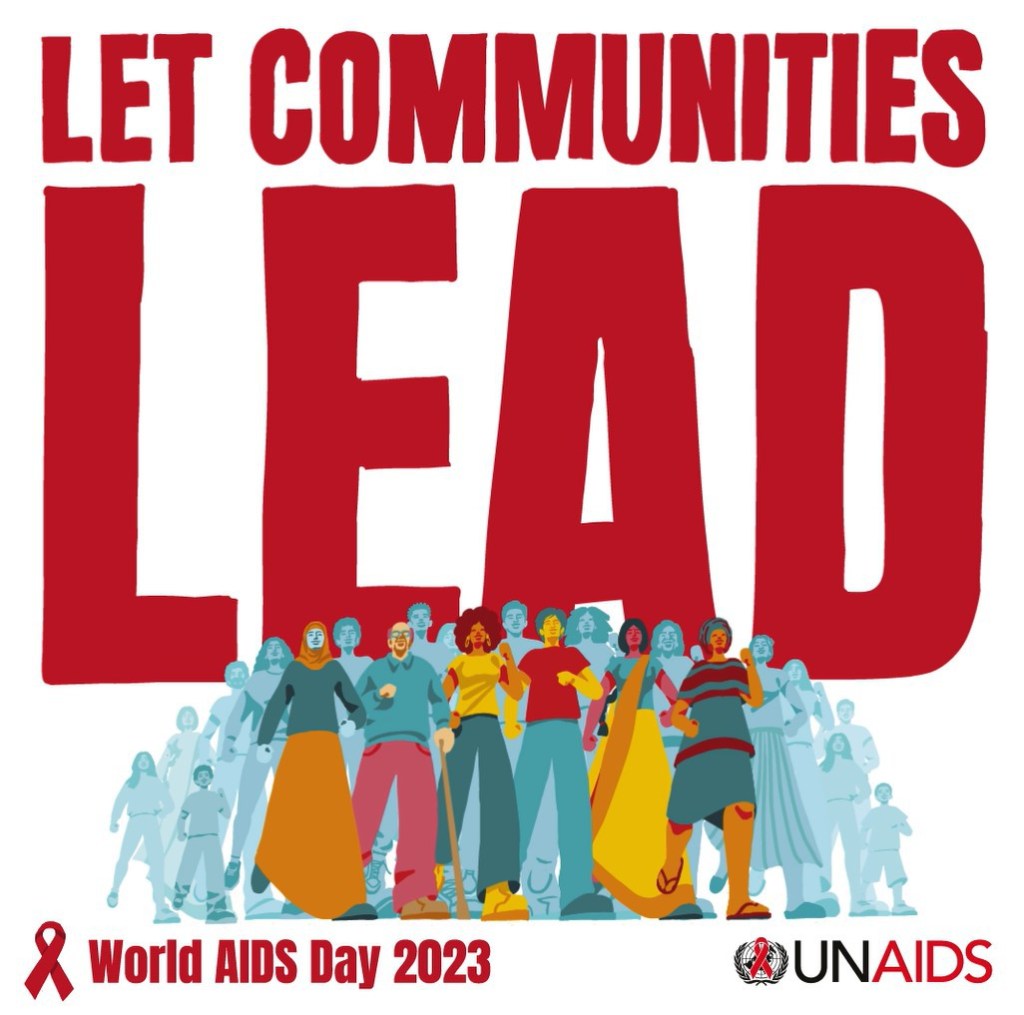
This year’s theme is ‘Let Communities Lead’. As regular readers know, in previous blogs I have been pointing out how important it is to be part of thriving local communities and making sure that our achievements are shared and celebrated at the global level as well to continue inspiring eachother in our fight against HIV stigma and discrimination.

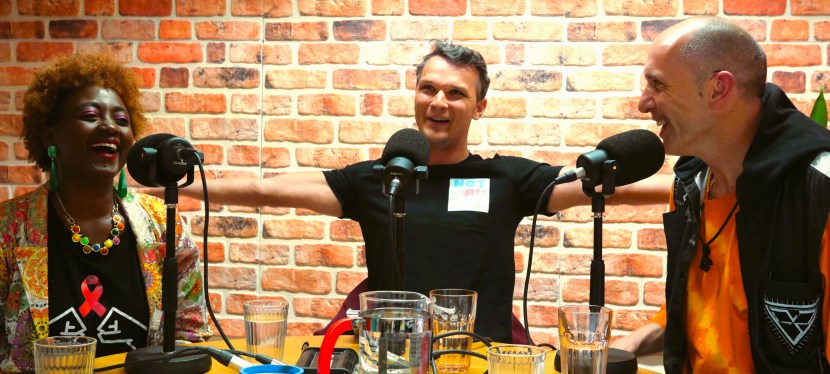
I am very proud of my close connection to the Irish HIV community. My first contribution as HIV Stigmafighter to the Irish community was last year when I was part of a photo exhibition on people living with HIV, organised by Steven Doyle, joined Robbie Lawlor’s and Lady Veda’s Pozvibe podcast, and attended the HIV Ireland conference.

Fun at the Pozvibe podcast with Robbie & Veda
Ireland here I come (Photo: Sil-Hong Won)

Today I am proudly joining the Irish community as Eric the dragking ‘a colourful black ray, stomping stigma away’ at the famous The George nightclub in Dublin! Being part of this amazing entourage already earned me the title of Irish talent.

On stage I am excited to join artist and activist Luis Noguera which is a very special moment as Luis is also our newest Hero of Hope on our Stories of Hope platform. Please read Luis’ touching story of overcoming HIV stigma and shame!

Luis Noguera (Photo: @ciarangildea)

To me these past two year of working with the Irish HIV community to fight HIV stigma in so many creative ways is a very good example of how local HIV communities should lead our global drive to fight HIV stigma. We need our partners to seriously listen to us to make sure that addressing our challenges, ideas and solutions are made core in global and local HIV action.

Peace,

Eliane

Dragtivism

Hello my lovely people.

It’s always a pleasure to share with you the stories that inspired you and the World. This time we are going to talk about Drag. While a lot of you may have heard of drag and drag queens as performance arts, many of you may not yet be familiar with drag kings.

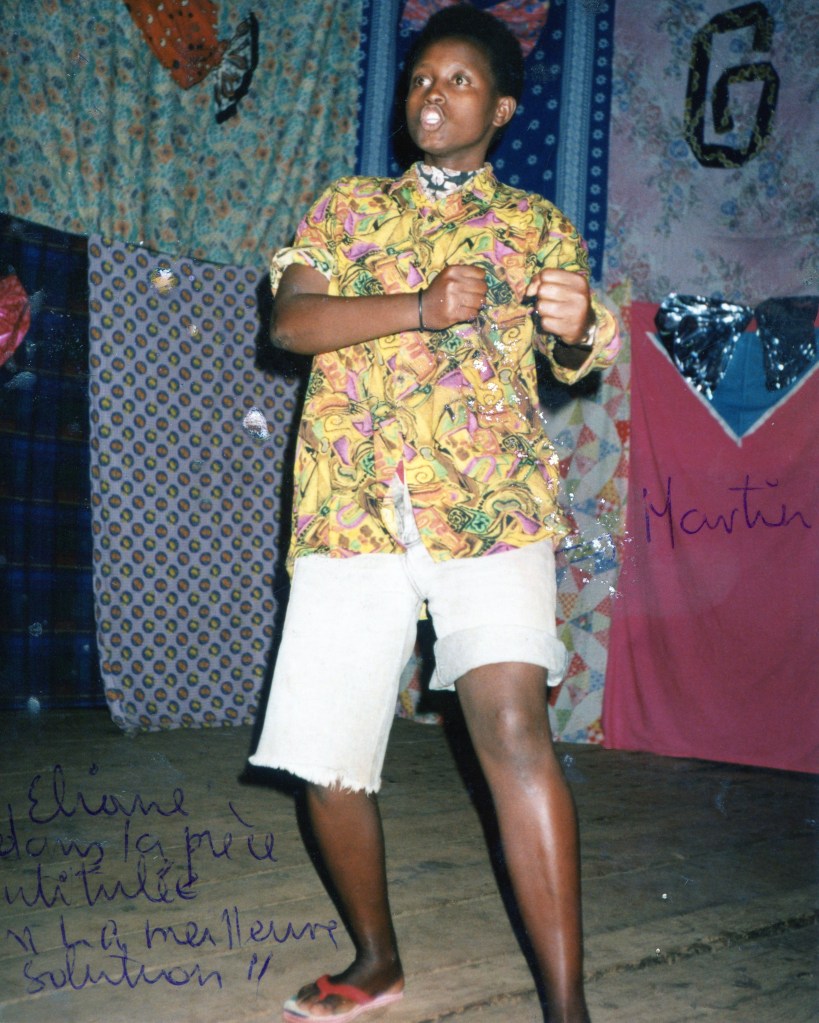
I am proudly part of a family called the House of Løst Bois, the first house of Drag KINGS in the Netherlands based in Amsterdam. With our lovely Mother Taka Taka and Father Julius. Everybody has a reason to do drag. In fact, my passion for drag has been there the whole of my life, but I just did not give it a name. When I was little, I already liked dressing up like a boy and play ‘boys games’, fishing in the Ninga river, go birds hunting or climbing trees. I am so grateful that my parents understood me and did the best to allow me who I wanted to be.

Why am I Eric TheDragKing? When I was 5 I was crying a lot telling my mother “I don’t want to be a girl!” One day my mum was tired of my cries and she said “OK, you are now a boy and your name is Eric”. From that day on I was so happy for people to call me Eric instead Eliane, allowing me to be myself as a kid.

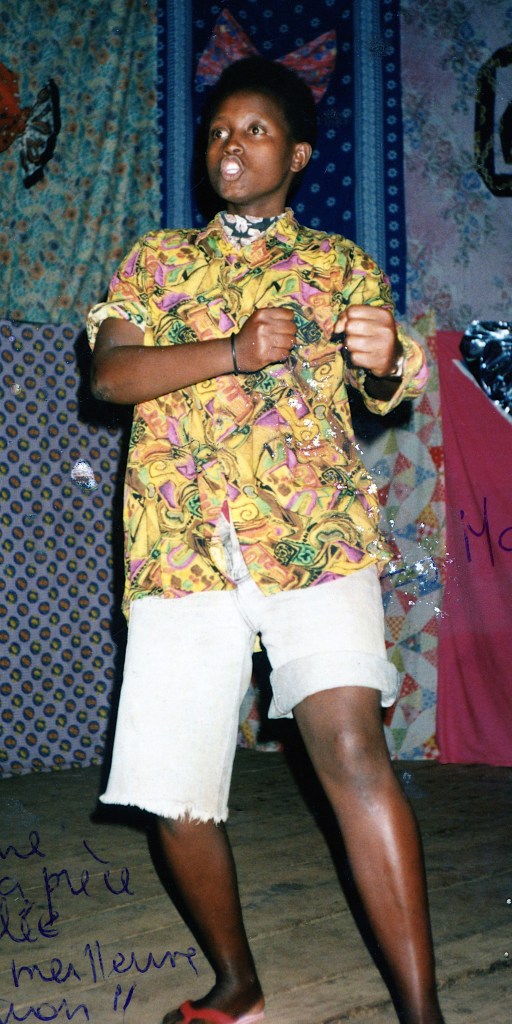
Then, at high school I joined a theather group of drummers and dancers which is traditionally performed by men in Burundi. I was the only girl in the group. So, one day when we were on the stage performing, the MC publicly announced that between the boys performing there was also a girl between them! And I was dressed up, had a great haircut and dancing so well that the audience was not able to spot me amongst the boys! For me what really mattered was to be myself and show that a girl is as talented as a man if they are given a chance!

So, now I am Eric TheDragKing, the king who lives with HIV. As I have experienced and seen many times what stigma does, I dance HIV and AIDS stigma away to inspire and empower whoever living with HIV and not open about it. Living healthy and embrace who we are is much stronger than the tiny virus. To perform drag is another powerful way for me to fight stigma and discrimination, and bring change to people and communities.

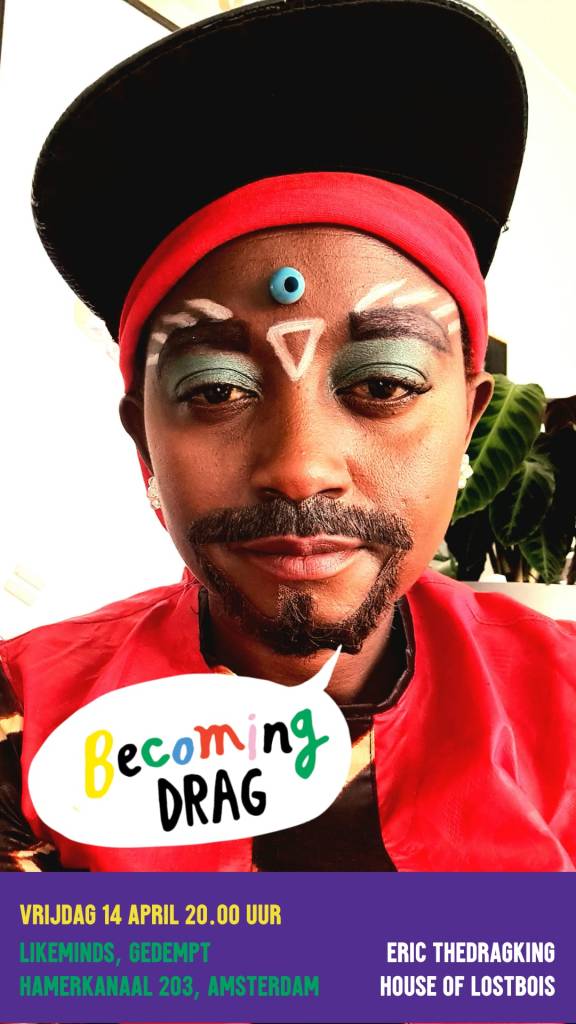
This month I was part of an event called Becoming: Drag, organized at Likeminds in collaboration with the House of Hopelezz and the House of Løst Bois . If you suffer from queerphobia, this was not right place to be. The queer world is where everyone feels at home. We felt a big sense of community connecting to the audience via our performances. It was a very inspiring evening where the audience was also part of the performance, dressed up in glitter, colourful hair and beautiful dresses. It was all fabulous! Please have a look at the pictures made by Kiriacademy.

I loved the talk show between our Mother Taka Taka, Father Julius and Mother Jennifer Hopelezz about drag values and how drag can be used as activism in many ways, for example as a form of protest or for prevention, for example on PrEP. Hence the word Dragtivism!

Yes, Eric TheDragKing is a Dragtivist! To dance HIV and AIDS stigma away as a drag king is another powerful way to communicate with people facing HIV stigma and discrimination. I know in many communities we have people living with HIV going through a lot and still trying to deal with this alone, so if I am able to reach an even a wider community, through my drag art, this would be a great result toward reaching a HIV stigma free world!

I am proud to be the first Dragking open about my HIV status in the Netherlands, in Burundi and the whole of Africa. I am grateful for the opportunity to be part of the drag community and that a performance such as Becoming: Drag provides me with a platfom to fight stigma and discrimination.

In the end what brings us together is connectedness through drag as art. To perform our art for you to enjoy we feel stronger together as one big family. I truly believe the beautiful art of drag is a way to express ourselves, to share our passion, and to come togeher as a community. What an incredible evening!

Peace,

Eliane

Meet the performers from the House of Hopelezz and the House of Lost Bois