My lovely people, how have you been?
I have been visiting Japan and Korea over the past 5 weeks. That is why you haven’t heard from me. I would like to share my learning from those two countries. Whether I go on holidays or to conferences in other countries, I am always interested to learn the culture, the history and curious about how the local HIV community is doing and connect with them.
My curiosity is mostly on what or how they are doing to fight HIV stigma. Is there any prevention in places, are migrants being helped or do they seek any help, is there PrEP awareness and is it available to anyone, is ‘Undetectable is untransmittable’ (U=U) known to the HIV community and public and are healthcare professionals empowering patients with knowledge of U=U? All these questions always come to my mind, and I make sure I search for answers by connecting with locals’ organizations and HIV activists.
Please bear with me, this is probably the longest post ever, but it is going to be interesting, I promise!
OSAKA
My first stop was Osaka in Japan. Before my travel I connected with Daisuke Fukusho, the only Japanese person open about living with HIV so far. He connected me to an organisation based in Osaka called Dista, a community center to learn and exchange about health, HIV and other sexually transmittable conditions. It was very inspiring to see what the community does for Queer people in and around Osaka. Dista is a very safe places where volunteers and the Queer community, including people Living with HIV, come and meet up for chats, movies or drinks. You cannot know who is living with HIV, people are not open.

I really enjoyed my encouter with Niji Sabou, a Chef cook from neighbouring Kobe. He organizes the social event I visited to help people living with HIV to meet and have social contacts. As an excellent host, he prepared a Sake collection and some good food and served this to the people to generate talks in a very informal way. Niji is organising these kind of events at Dista with a little support from the Kobe Municipality. This is already such a big help to fight loneliness and create a culture of understanding. I found this such a beauiful way of how allies of the local HIV community provide help to us, thank you Niji for a memorable experience!
I noticed that at Dista, none of those we met is open about their HIV status. To me this signals that HIV stigma still has a huge impact in Japan. Even for leaflets on U=U they would still use a modeling agency to find beautiful models to help them in the campaign. And while inform on PrEP is available through a beautiful leaflet, it still focuses on Men having Sex with Men (MSM), women are not yet mentioned. PrEP as an effective prevention approach has not yet been brought to scale; There is only one specific doctor who deals with the PrEP users, the Japanese government is still in the approval stage on PrEp. So in reality PrEP is still only used by people who can afford it and dare to approach the doctor for an appointment.
When I asked about how migrants are part of HIV prevention and how they reach organisations such as Dista, I was actually told that there are still a lot of issues to connect to them such as language barriers, affordability of PrEP and HIV care, etc. Still a lot of fights to win! The good thing is that by only talking to my new friends at Dista, where they confirmed they have never really considered engaging with the migrant community and that they found this a good idea, I do believe I have planted that first seed of the importance of reaching out the migrants as well as increasing PrEP awareness. Thanks you for your hospitality Dista!
TOKYO
The week after I was in Tokyo where I finally meet my comrade in fighting HIV stigma in Japan. Daisuke invited me to Akta, another community center. From here Daisuke does most of his HIV activism. I guess there is an advantage in being open about his status as he can then connect with the local and global HIV community.
My curiosity of how things are organised at Akta was the same as in Osaka. Here also, overcoming HIV Stigma is a major obstacle as there are virtually no people that want to open up about their HIV status. When I asked Daisuke what his drive is, he responded “To keep on fighting HIV stigma, I was encouraged by you”. I felt very honoured and proud to see how what I stand for, fighting HIV stigma, got me to connect with such a strong and motivated activist on the other side of the world!

I had so many questions when we started our discussion on how the Akta community centers work. They agreed that HIV stigma is there and they still do not yet have a proper way to fight it since everyone is still in the closet. Also, a lot of the materials I got in Osaka is there and more, like folders with beautiful anime which they use for their campaigns. When it comes to U=U, the materials mostly target MSM. And again on none of the materials people Living with HIV are featured. This is a real set-back as I believe a message on HIV stigma and prevention becomes so much more powerful if PLHIV such as Daisuke could feature in it instead of hired models. As in Osaka, women are not yet in the picture when it comes to HIV stigma and prevention, despite the great will of organisations such as Akta.
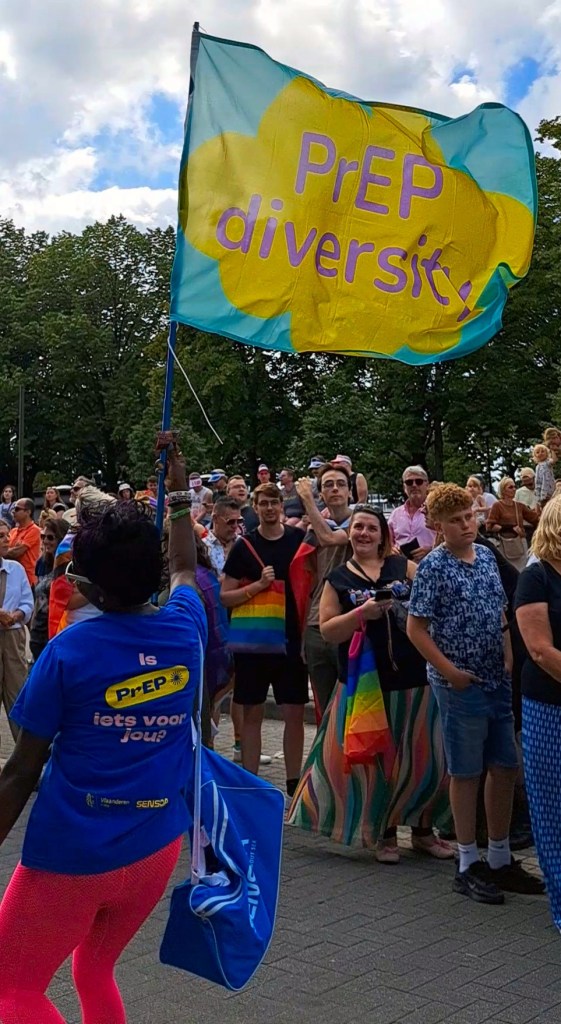
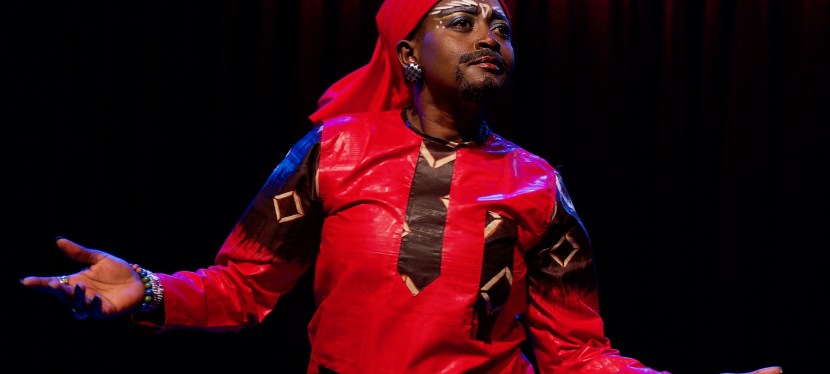
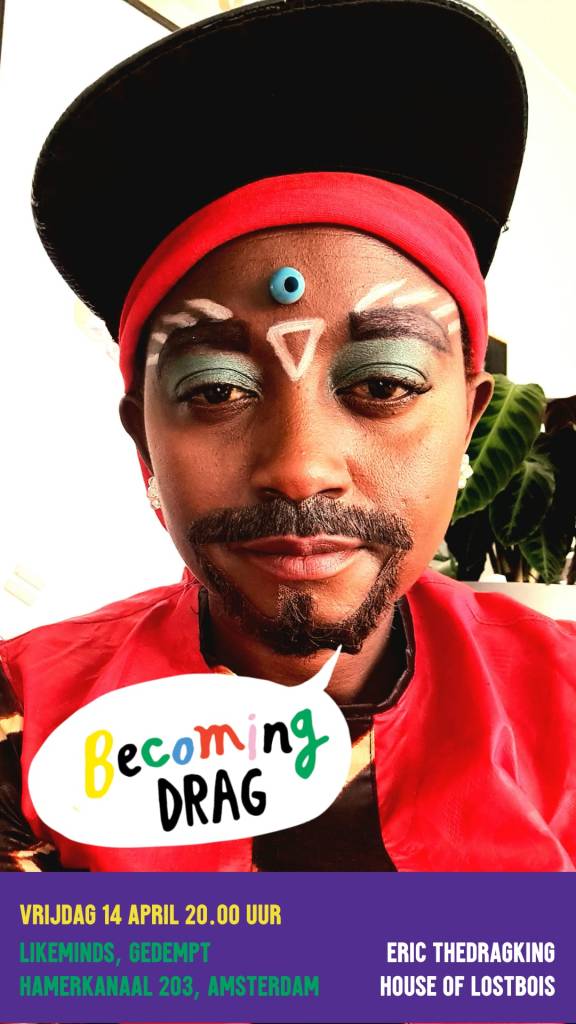
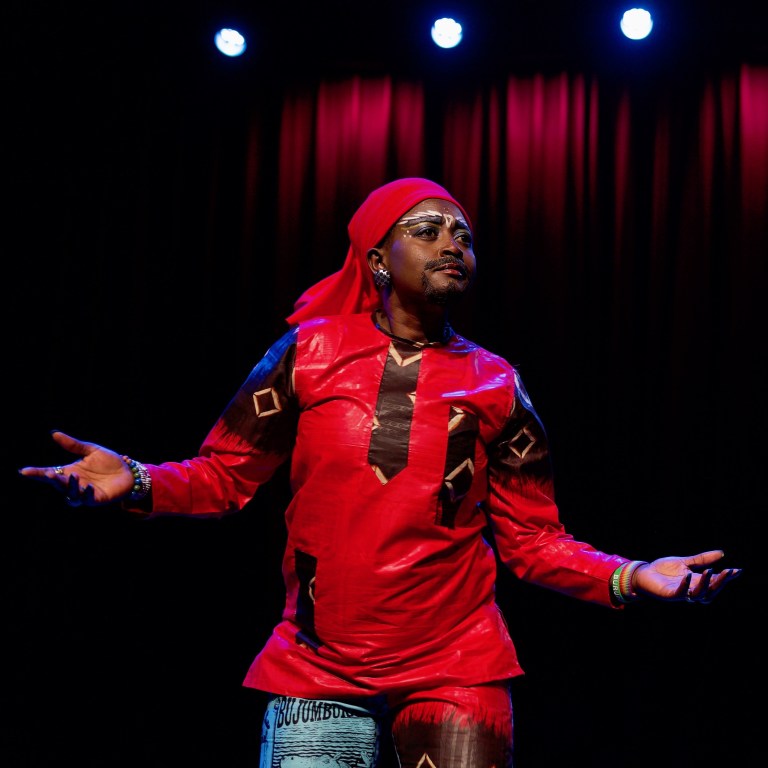
Daisuke confirmed that the government is not yet ready to scale through more open campaigns on important prevention programmes around U=U and PrEP. I mentioned to Akta that without this mix of stigma reduction, U=U and PrEP, we can forget about ending HIV and AIDS in 2030. I also shared with them some initiatives on tackling HIV stigma, for example Stories of hope, and how Eric the Dragking raises awareness on PrEP diversity. We conclude that it’s up to us to bring the change in our HIV community, and that without ending HIV stigma there is no ending HIV and AIDS. They are going to work hard to bring these changes. I am proud to be their inspiration and enjoyed Akta’s wonderful reception a lot!
Thanks to Teddy who helped us with translation!
SEOUL
Korea is a vibrant country! Staying in Busan and magical Jeju island before heading to Seoul, gave me an opportunity to switch from my beautiful Japan experience to soaking in Korean culture, food, nature, and social events. And it also helped me to practice to learn a little more Korean before meeting the Seoul HIV community. And just like in Japan, being able to speak a few words, make a little joke in the local language, really helped me to break the ice and light up the room.
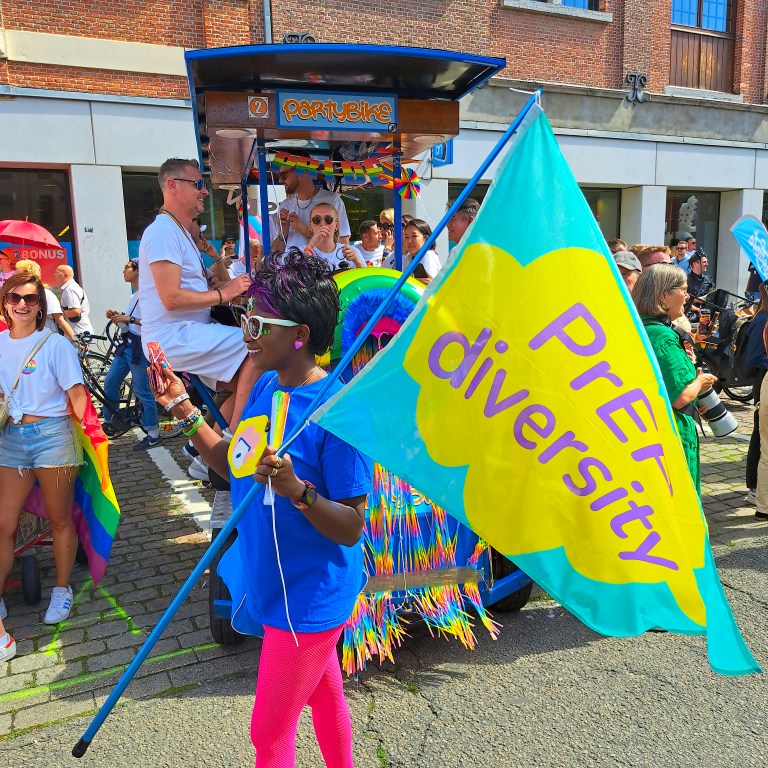
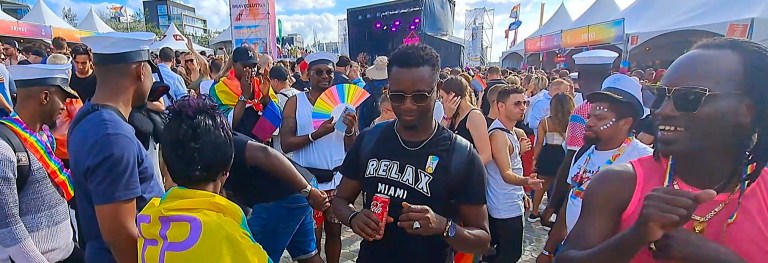
My first day in Seoul was already very special as I arrived on the 1st of june which was the day the Gay Pride was organised. Despite some resistance from Seoul authorities, the queer community did manage to organise a beautiful parade and invite a lot of organisation to show what they are doing within the Queer community. While there were some organisations focusing on HIV, mainly around testing and condom use, none of the 60+ booths had information on PrEP available. That was quite an eye opener to me.
Before even traveling to Korea, I already connected with the amazing Jay who is a HIV activist and also an artist and singer. For him it was very important that once in Seoul for me to try and meet many HIV activists and Korean HIV organizations. So through him I got to know Tari. My first encounter in Seoul with Tari was at a Queer community party which was part of Seoul’s Pride celebrations. And this was a very unique party organised by ChinguSai (Korean Gay Men’s Human Rights Group) who really made a legendary effort to organise a queer party open to all genders. I decided to introduce Eric the Dragking here and we had a truly amazing evening.

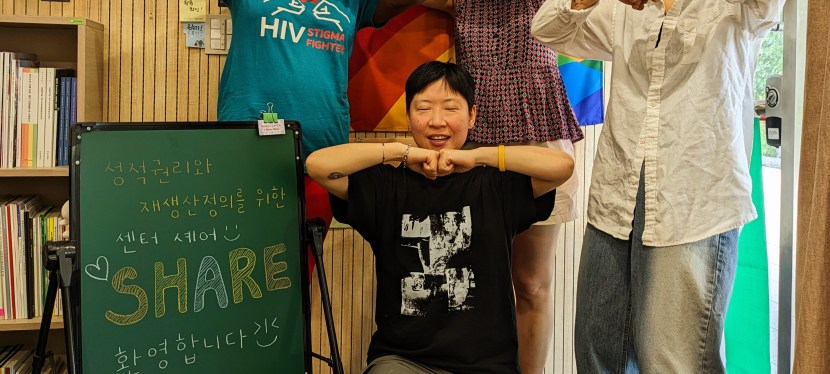
A few days later I met Tari again, together with her colleague Na Young, at SHARE “Center for Sexual right And Reproductive JusticE” where I was invited to share work experiences between our organisations. I noticed that we had so many priorities in common; Fighting HIV stigma, discrimination and criminalization, education on HIV and Prevention and fighting HIV injustice. SHARE is very committed to sexual reproductive health, health-related reseach, training and education on sexual right, and supporting women and girls on abortion.
In the end we had a lot of fruitful discussions on how the local HIV community can be empowered to lead. They stressed the need for the Korean government to change their strategies and discuss with grassroots organisations working on health and HIV about what they need and help them to break the inequality that exist between women and men. SHARE also particularly supports sex workers to seeking their right to do their work. Especially this part of the key population are being criminalized and put in harm because of their work. I agreed that this is similar to what I have seen in Burundi where sexworkers are often underprivileged. In solidarity I shared a supportive video message of courage and to cheer up the Sexworkers who are being forced to be removed by local government.
A highlight of my time in Seoul was a joint meeting with five organisations, including SHARE, Chingusai, Haengseongin which is a Solidarity group for LGBT Human Rights of Korea, Action-al which is a HIV /AIDS Human Rights organisation, and KNP+ Korean Network of People Living with HIV and AIDS.

First of all, I was able to share my HIV journey with those organisations and some keys messages on how we fight HIV stigma, work on HIV and ageing and contribute to PrEP awareness . I am very grateful that I was allowed to share my experiences! To the different organisations I had the same question related to PrEP and, similar to Japan, since the government is still in the approval process for PrEP to be known as a public health tool to prevent HIV, right now PrEP is only given to partners of people living with HIV. I shared with them that this breaks my heart as PrEP is not needed if a partner living with HIV is undetectable. To me this shows so much how U=U and PrEP access as important tools and stigma destroyers are still not being used effectively.
I wonder, how long are U=U and PrEP access going to be unused? Why governments and healthcare providers cannot make progress on this and start sharing this important message? There will not be zero new HIV cases by 2030 without U=U and PrEP!
At end of our meeting, I was excited to learn who I could meet again in Munich at AIDS2024. I was shocked to learn that none of these 5 organisations, like the 2 I visited in Japan, will be present there! I know from my experiences that going to these type of events as an activist and member of the HIV community is a great opportunity to meet others activists, share experiences, inspire eachother, and advocate for our priorities. It is such a pity that these type of organisations will not be there, they are the real community voices! What does ‘let communities lead’ really mean if they are not invited to the global stage, if they don’t even know about AIDS2024?
Well, let me tell you, it means we are not doing enough! Do big organisations like IAS really not have the capacity to make sure grasroots organisations from Korea and Japan are also connected to the global stage? Is there really no way in this highly connected world to at least inform them and organisations such as BAWA in Burundi about AIDS2024 so they also have an opportunity to share the tremendous (mostly voluntary) work they do? That is really shameful. For me it means that ‘let communities lead’ is just a hollow phrase if these organisations are excluded. How can we shamelessly think that we are going to end HIV and AIDS in 2030 while there are so many of us in the HIV community that cannot access the latest trends or share their experiences, and worse, don’t even know global patforms such as AIDS2024 exist? Support them now in their journey to end HIV and AIDS!
Peace,
Eliane