When dreams come true

Today I am sharing something close to my heart: the story of my son, Rio Mutoni.

When I was diagnosed with HIV, doctors told me I couldn’t have children. But I refused to accept that. So, thanks to antiretroviral treatment, I gave birth to Rio – HIV-negative, healthy, and full of life. He became my reason to fight against this virus and my proof that love and determination can overcome stigma and fear. I raised Rio with care and he grew up to become an amazing young man.

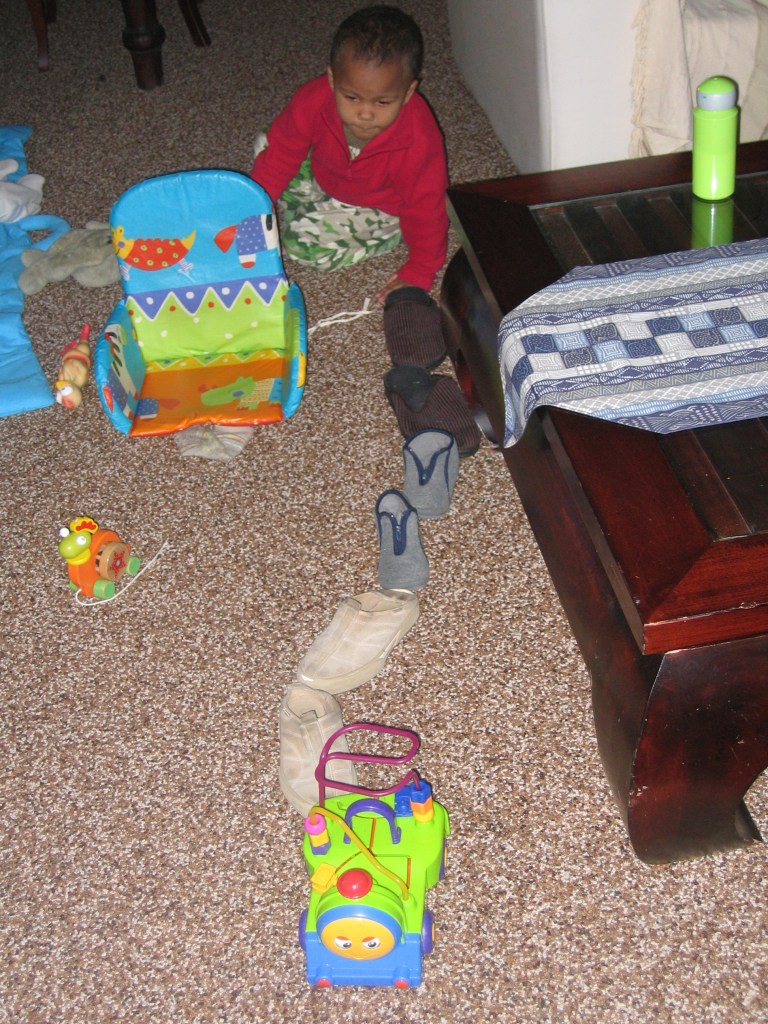
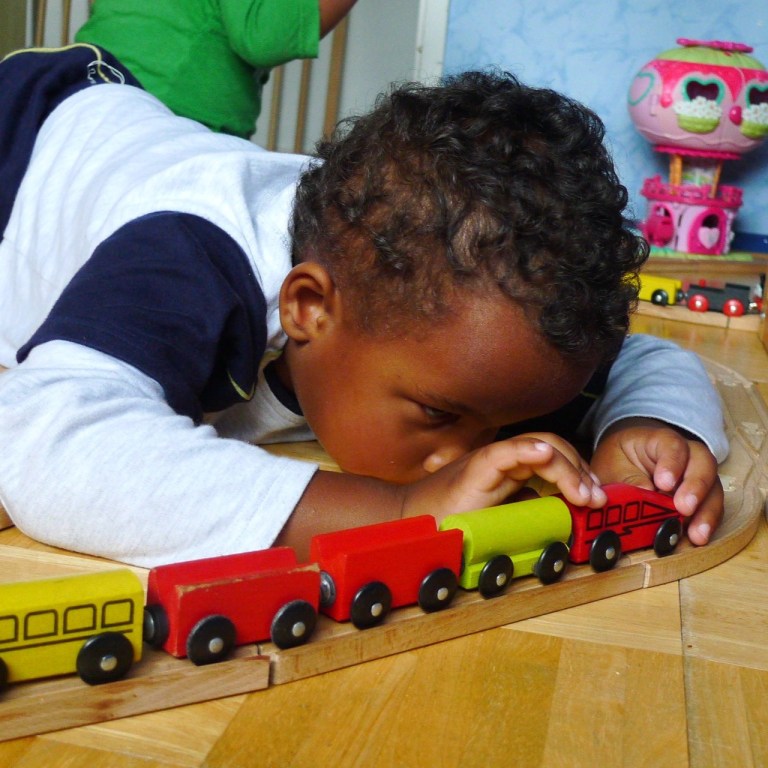
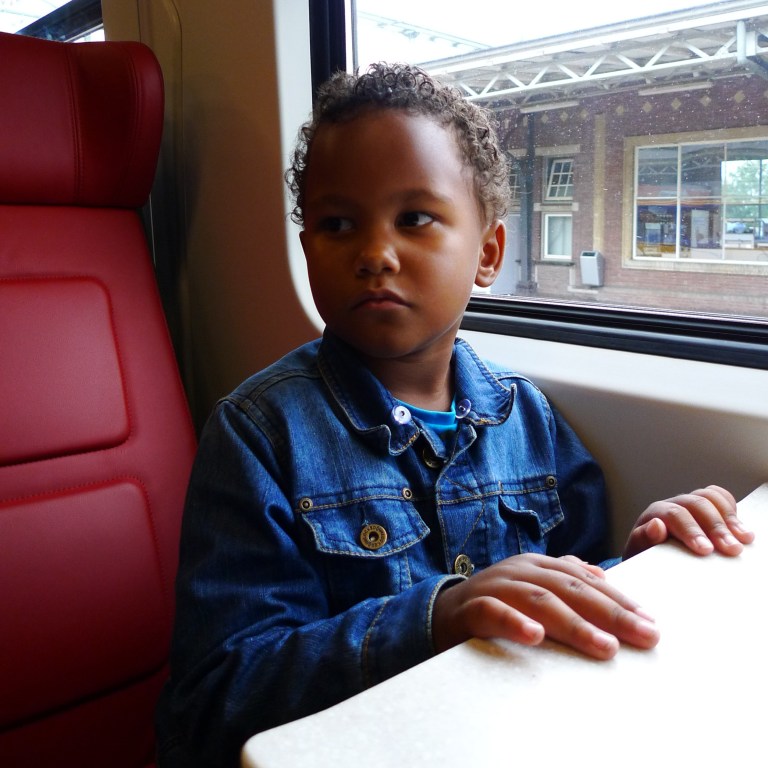
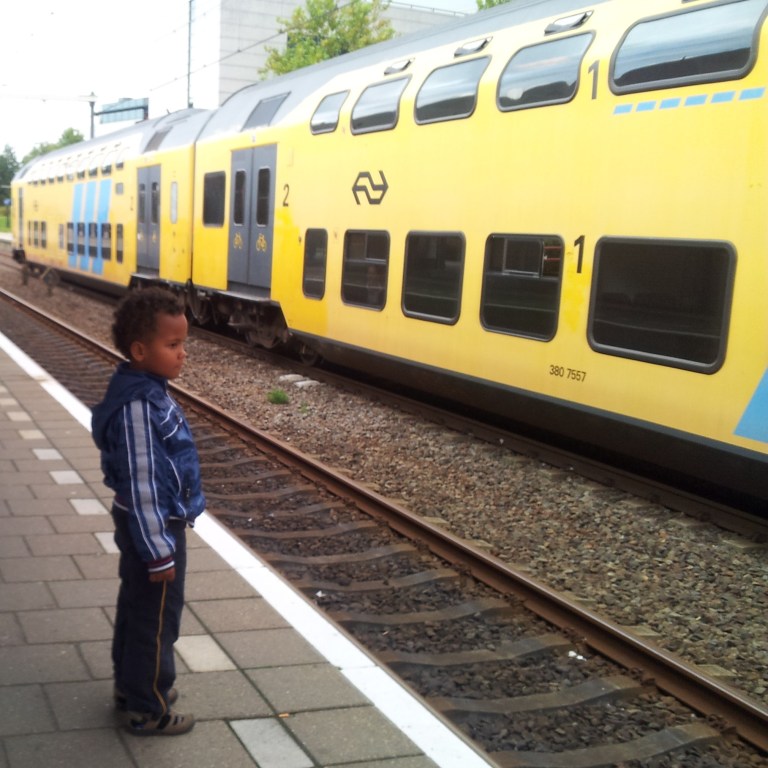
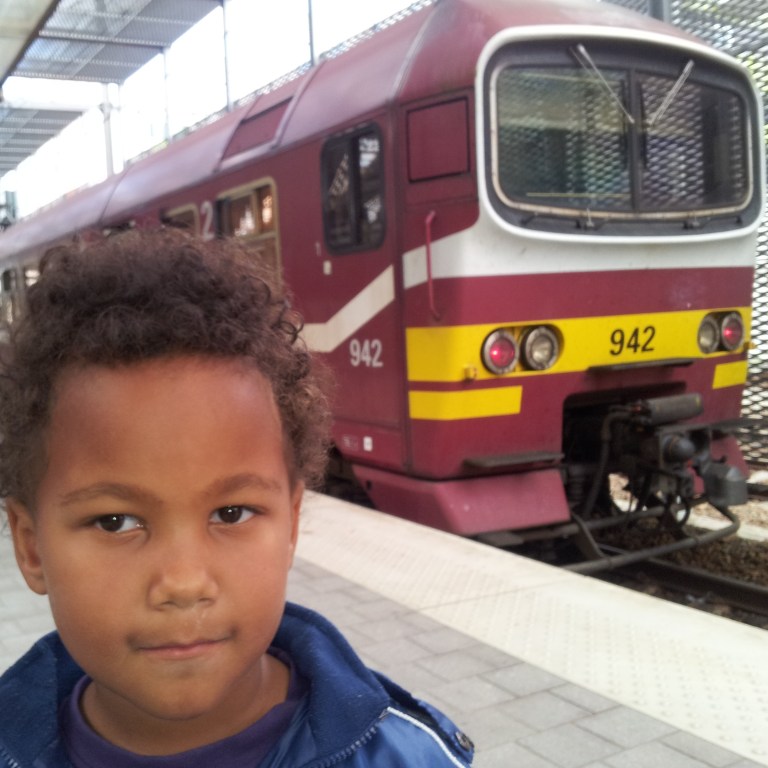
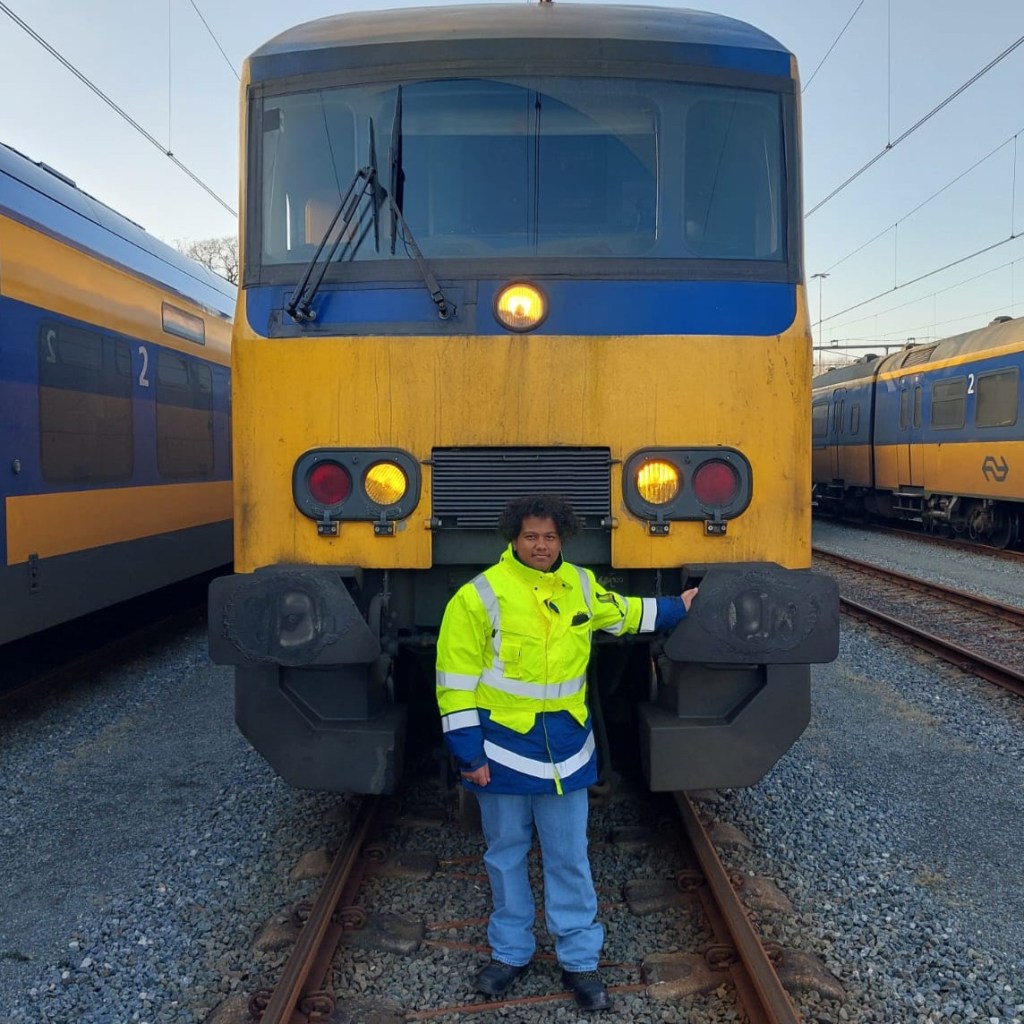
From the age of two, Rio was obsessed with trains. It started with Thomas the Tank Engine and quickly grew into a passion for real trains. He built train tracks out of domino stones and shoes, watched train movies on YouTube, and declared, “Mama, when I grow up, I will be a train driver”. Already in primary school at the age of five, when he had to mention his dream in a school book, he asked me to write down train driver. As we use public transport a lot, whenever we would use a train he would be very happy and paying a lot of attention to every move the trains would make. On his fifth birthday he wanted to visit the train museum and he could already experience a life size train simulation. His whole life he dedicated his passion for trains. His dream never wavered.

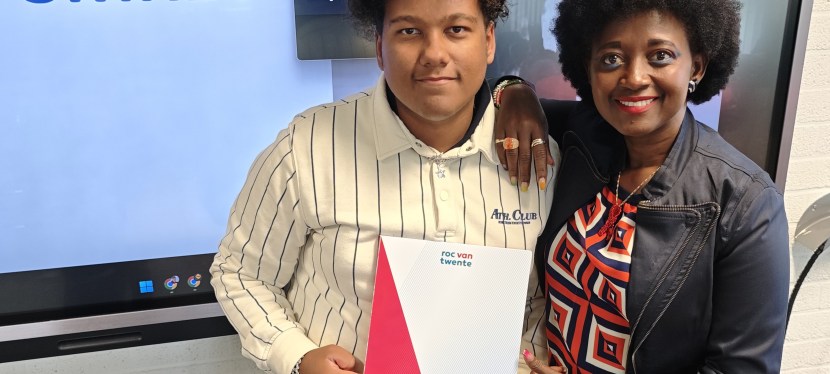
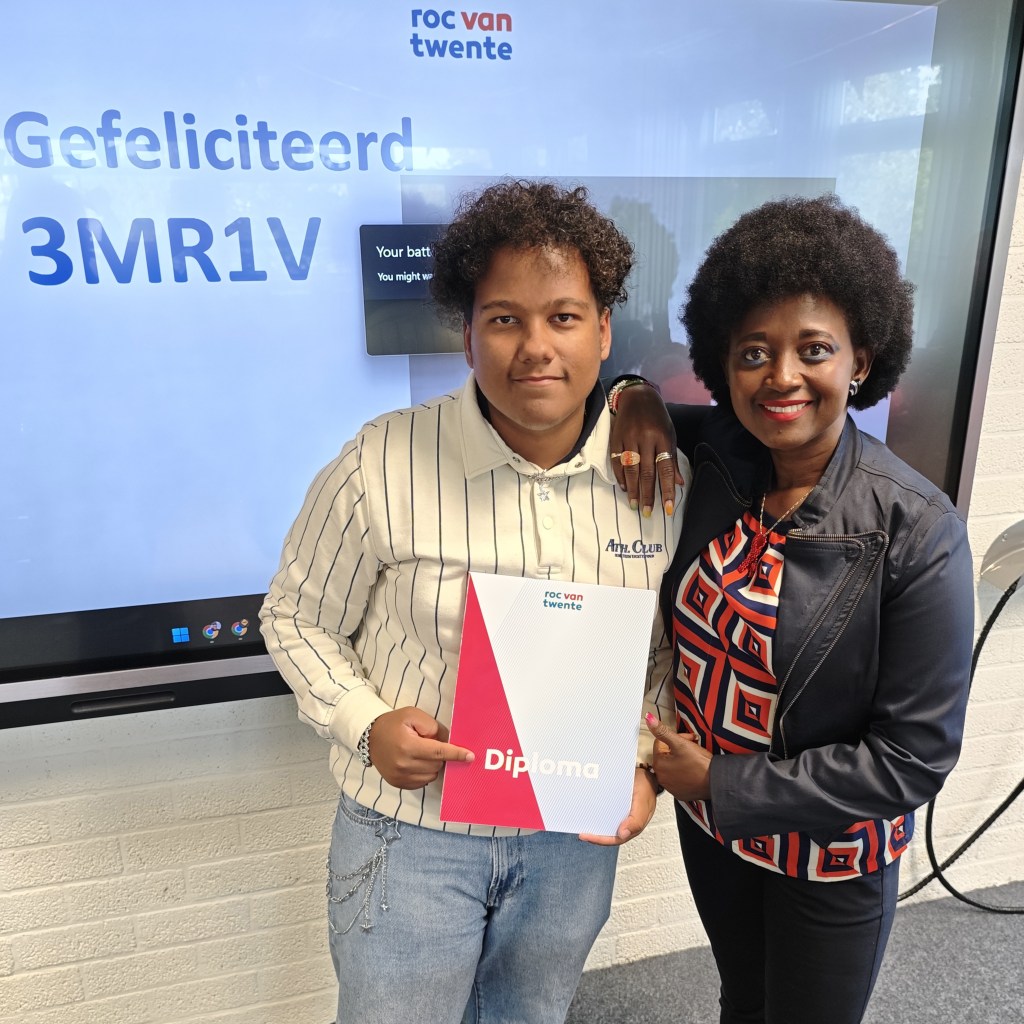
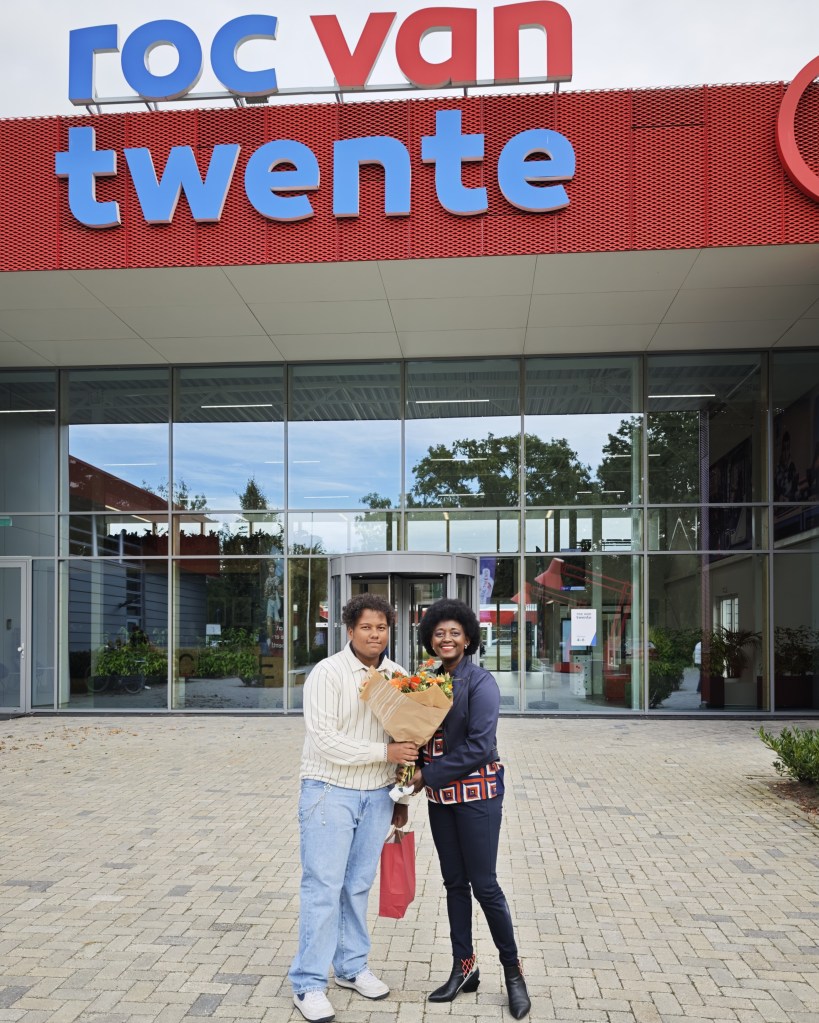
As parents we supported him in every way: train simulators, cameras for trainspotting, trips to train museums. His knowledge amazed us. At age nine, he navigated the London Underground better than most adults. And finally, at 19, after two years of vocational training, Rio graduated in July and was hired immediately by the National Railway as a professional train driver. He started driving trains on the first of September, and on the 25th he received his formal course diploma. Of course we were there to celebrate this precious moment with him

His dream came true and we are so proud to have supported him to realise this since a young age.

To parents: learn to understand your child at an early age and support their dreams, not your expectations. Let them be who they are, not who you want them to be. Every child is born unique. Realising their happiness and dreams should be our priority.

To mothers living with HIV: never doubt your strength. You know the connection you had with your baby inside your womb, that love will continue to grow and will motivate you to support your baby. Our love is powerful. Our children are brilliant. We are proudly HIV-positive moms and we thrive.

Rio was born after my diagnosis. I am glad we have been able to do this for our son Rio, and the results certainly paid off. In return for supporting him, he helped me win my battle with HIV. And now, he’s driving trains across the Netherlands, living his dream. I couldn’t be prouder.

Rio, congratulations on realising your dream to become a train driver. You are proof that love and belief in yourself can move mountains.

Peace,

Eliane

Mandela Day, Adriana’s Way – art for change

Nelson Mandela once said “Live life as though nobody is watching, and express yourself as though everyone is listening.” This is the heartbeat of Stories of Hope, an initiative launched in 2021 and dedicated to all courageous Heroes of Hope sharing their talent to break HIV stigma and discrimination.

In a world where silence fuels stigma, many Heroes of Hope choose art as their megaphone. They step into the spotlight not for fame, but to give a voice to those muted by shame and discrimination. Through dance, photography, poetry, painting, and performance, they transform their lived experience into expressions that resonate, agitate, and heal.

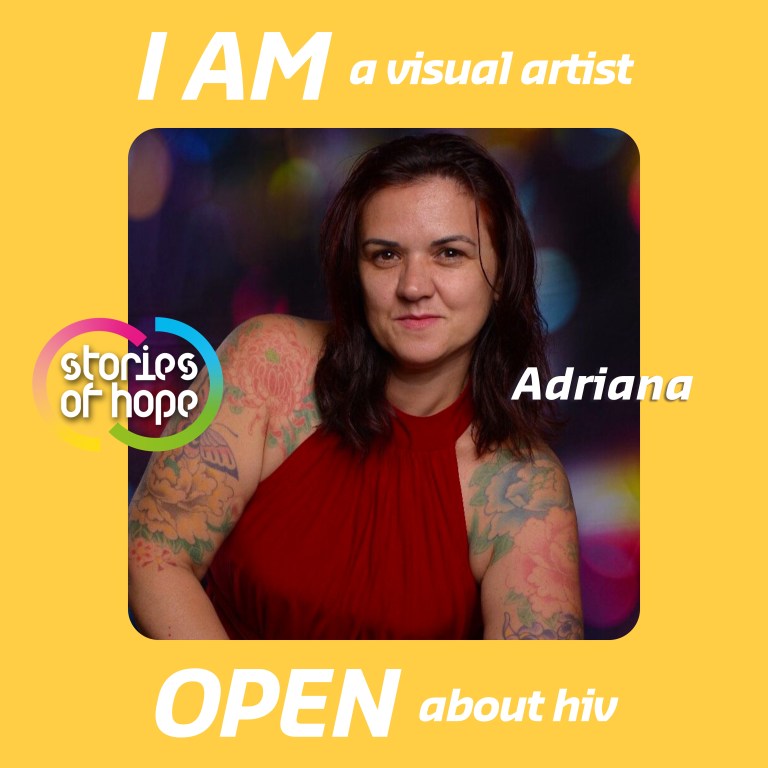
It is therefore with great honor that today, on Mandely Day 2025, we proudly share the portrait of a great friend and talent Adriana Bertini, a Brazilian artist and activist renowned for her decades long HIV activism through provocative art. Through her art she is able to build experiences and capture what matters in our HIV community, showing her commitment to fight HIV stigma. Read Adriana’s story here.

In many places in the world, where people living with HIV face stigma and discrimination, Heroes of Hope use their creativity to humanize the realities of people living with HIV. Art such as Adriana’s couture art contributes to creating safe spaces in our HIV community where dignity is restored and fear of stigma is replaced with connection.

So today, let’s express ourselves as if everyone is listening! Let’s admire the provocative works of Adriana, whose art has long defied HIV stigma, and honour a vision where expression becomes activism and art becomes hope. This is Mandela Day, Adriana’s way.

Happy Mandela Day! Peace,

Eliane

Beyond dinner talk: Advancing PrEP access

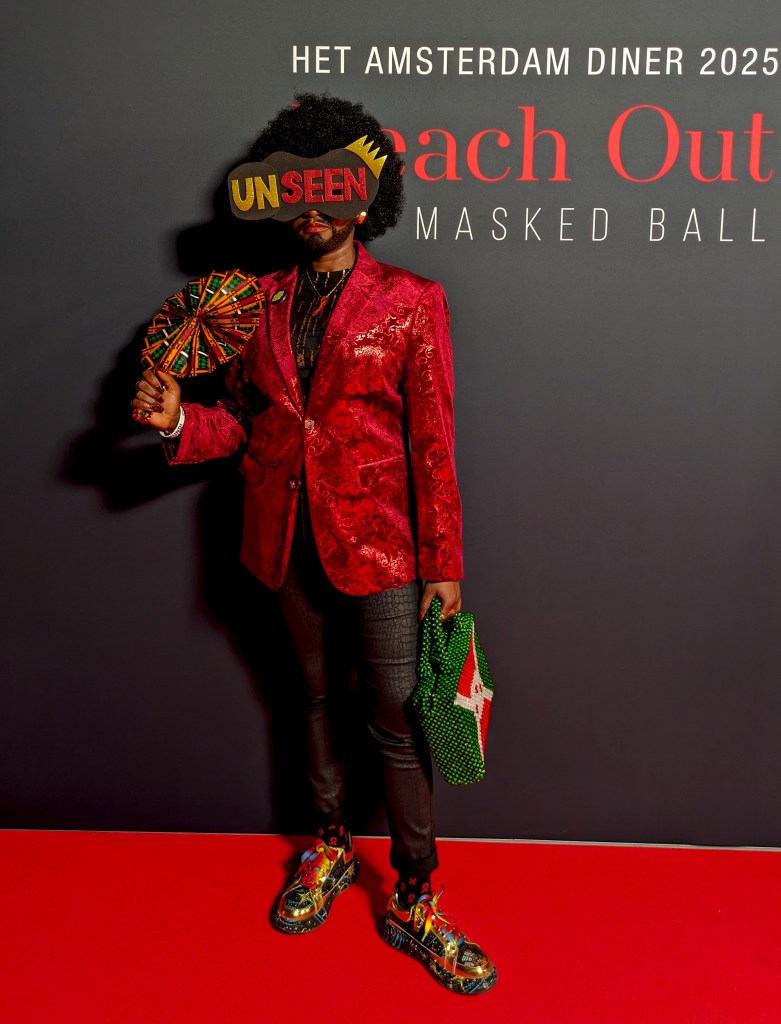
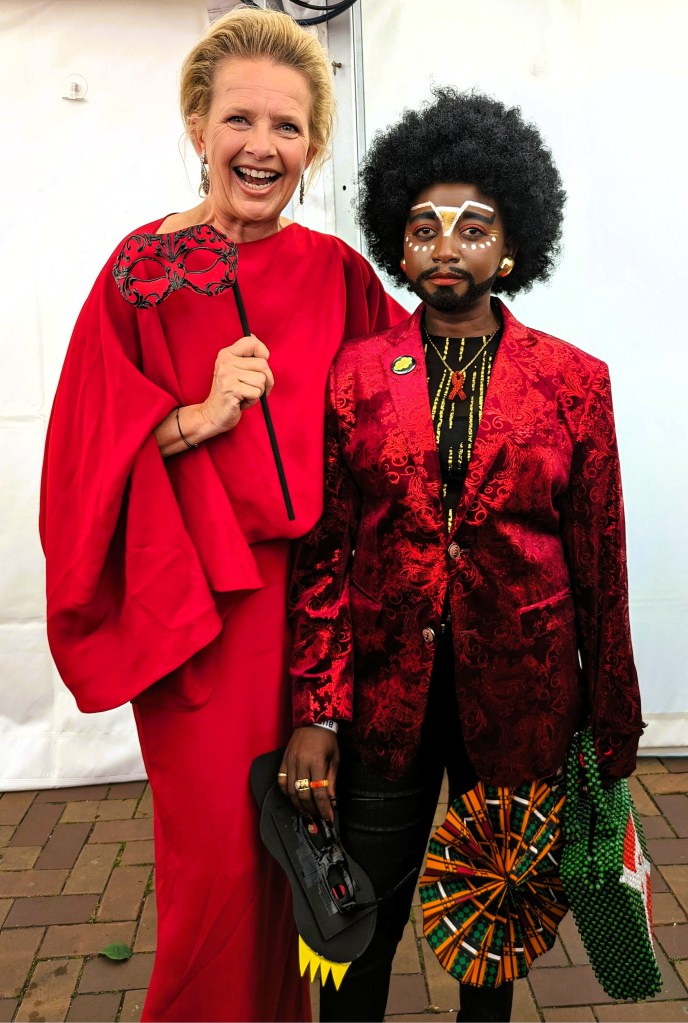
Last night, the Amsterdam Dinner Event once again proved its power as the Netherlands’ largest annual fundraiser for innovative, life-saving HIV initiatives. This year’s focus, PrEP access, could not have been more urgent. The commitment to funding PrEP for young women and girls in Kenya and strengthening prevention here in the Netherlands is a step in the right direction.

But let’s talk about reality.

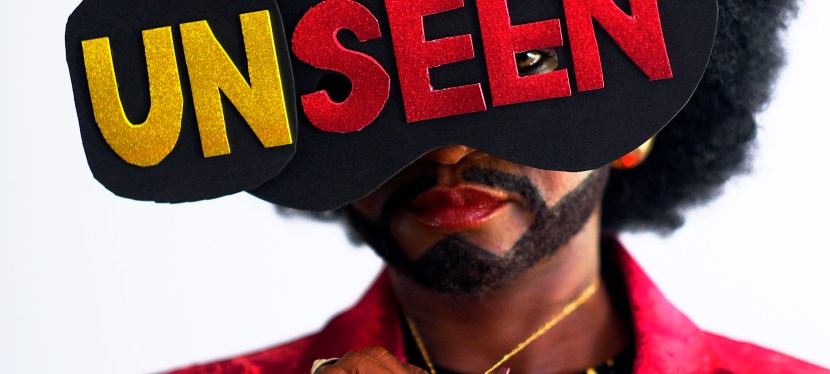
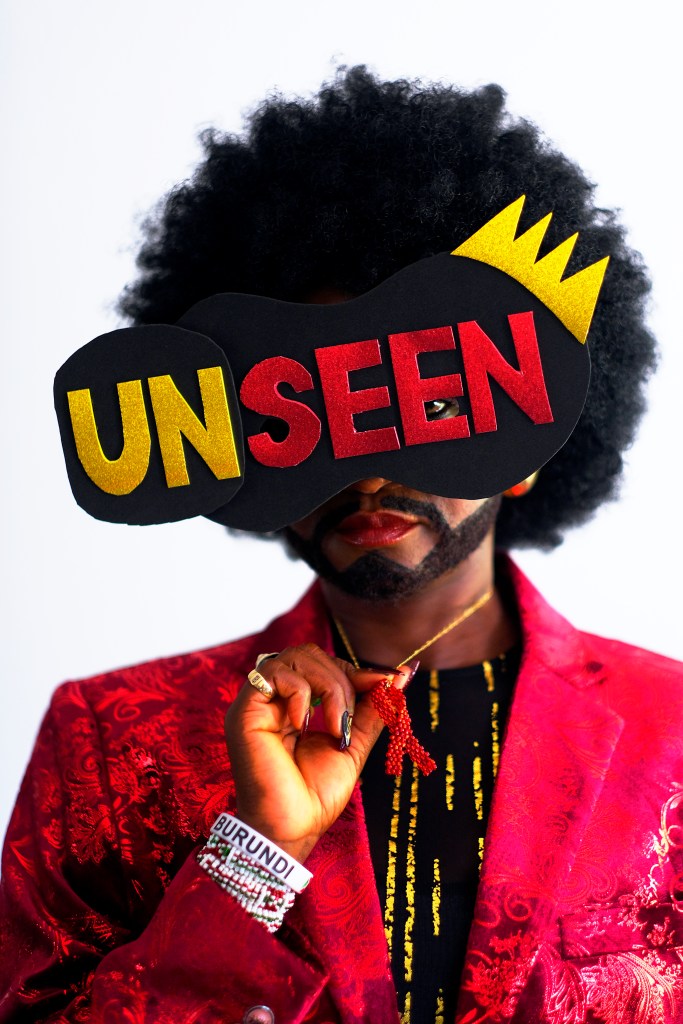
For years, grassroots activists and local HIV communities have fought tirelessly for equitable PrEP access. Yet, as Eric the Dragking pointed out yesterday, we still remain largely UNSEEN. The HIV community is not just about legacy organizations, it’s about real people in the community who bring passion, commitment, and groundbreaking innovation. And yet, when funds are raised, they overwhelmingly flow to the same few dominant players. This is a missed opportunity that keeps the status quo intact rather than fostering real change.

Our fight through PrEP Diversity has long challenged this dynamic, advocating for inclusive access and making sure the community – those most affected -have a seat at the table. Last night’s conversation with Princess Mabel affirmed something powerful: when women know about PrEP, they demand it. Visibility matters. Representation matters. Knowledge matters.

And now, €1.2 million has been raised. The question is: how will it be spent? Will it truly reach the women who need it most, or will it largely remain within the conventional circles of power? Will grassroots efforts of those closest to the communities be invited to collaborate, or will they be sidelined once again?

This is the moment to break the cycle. We are ready to work together. We already do; reaching sex workers in Burundi, supporting people living with HIV with a migrant background in the Netherlands, using talent and activism to push PrEP awareness beyond its current limitations. These are the voices that must be uplifted, because this is how we dismantle stigma and drive meaningful prevention.

So yes, thank you, Amsterdam Dinner Foundation. But let’s ensure this money creates real impact, not just reinforces old systems.

Peace,

Eric the Dragking/ HIV Stigmafighter

LGBTQI+ health matters: A journey of advocacy and action

Dear HIV community, how have you been?

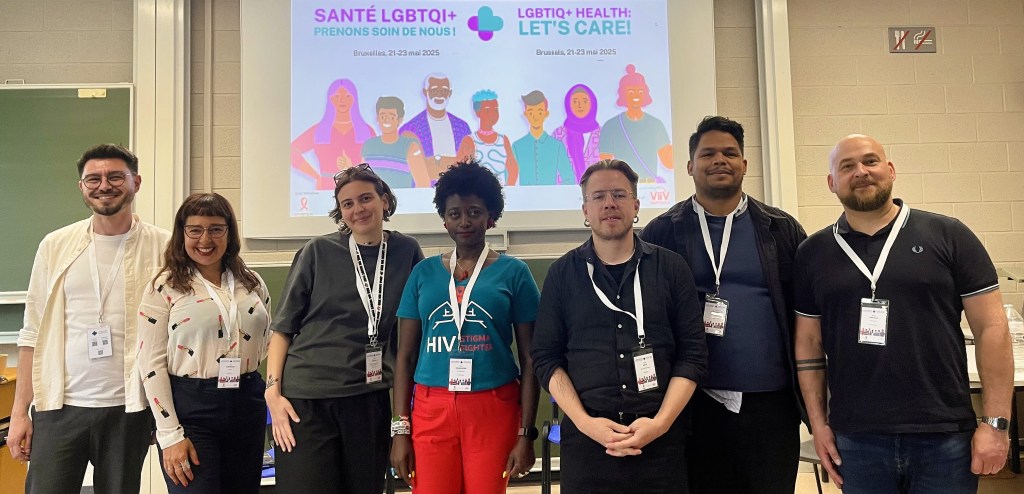
I was honoured to speak at the second European LGBTQI+ Health Conference in Brussels—a vibrant gathering of activists, healthcare professionals, researchers, community organizations, and affected individuals from across Europe. The event was filled with incredible discussions, inspiring stories, and groundbreaking initiatives. Here are some impressions, hope you like them!

Addressing stigma through community-led harm reduction initiatives

During this session, my contribution focused on broad spectrum harm reduction Initiatives in the LGBTQI+ context. I shared my personal journey overcoming HIV stigma, highlighting how our talents may transform us into community icons. As one of the initiators of local grassroots initiatives driven by migrants living with HIV, I spoke about the impact of sharing lived experiences and empowering local HIV communities. I also shared my experience as a PrEP advocate and volunteer, working with local organizations such as PrEPNu to ensure access to PrEP as an essential preventive tool.

We also heard from Ismal from AIDS Action Europe, who discussed harm reduction in the chemsex context. Their organization provides training manuals and best practice guidelines for delivering health services tailored to chemsex users. They conduct trainer workshops, facilitate knowledge exchanges, and offer grants for translations and webinars, ensuring widespread accessibility of resources.

Another inspiring initiative came from Osmely José of Accion Triangulo, who uses art and cinema as educational tools through Pride Positivo. Their film screenings actively combat stigma, and they’ve developed an innovative concept—the PAE pill—as a symbol of HIV destigmatization, based on real-life experiences of stigma in healthcare and community settings.

PrEP access & prevention strategies

One of the most crucial discussions revolved around PrEP accessibility. As a volunteer at PrEPnu, I shared our digital outreach strategies, which allow people to access services through PrEPNu’s online platform. Additionally, our outreach teams engage with the LGBTQI+ community at festivals, pride walks, workshops, parties, saunas, and health clinics, ensuring widespread awareness. Unfortunately, PrEP is currently only available at a cost (+/- 30 euros per month) in the Netherlands, which remains a significant barrier.
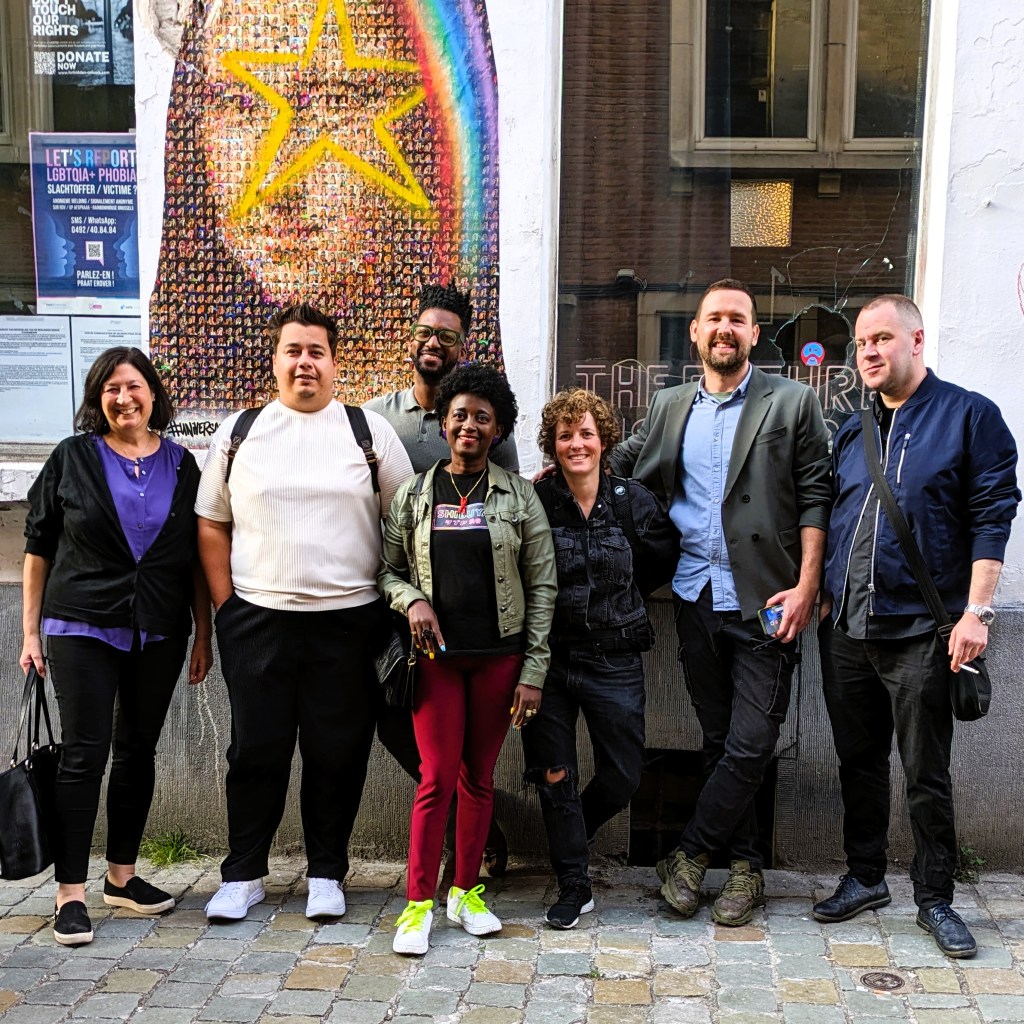
Other European organizations shared their approaches:

  • Romania: Mihai from Checkpoint ARAS who opened six PrEP checkpoints under the Checkpoint ARAS Network. These community clinics, situated within hospitals, create safe, non-intimidating environments for key populations. PrEP is also not free in Romania.
  • Serbia: Duga Association, an LGBTQI+ community-led organization, launched the First Checkpoint offering free HIV testing, doctor consultations, and psychological support. This effort counteracts stigma, geographic barriers, and fragmented services that often discourage people—especially those outside big cities—from seeking care. While PrEP is available in Belgrade pharmacies, it costs €43 per month, making accessibility difficult.

Do you remember the Barcelona checkpoints I visited last year? All these initiatives really create a momentum around PrEP in Europe. I sincerely hope that one day we will see these community-led checkpoints in the Netherlands as well, they are really complementary to the great work already done by PrEPNu! So let us keep fighting for PrEP diversity!

HIV dragtivism

Throughout the conference I had already been highlighting how through creative activism, including HIV dragtivism, we are able to challenge political and healthcare perceptions, pushing for inclusive policies.

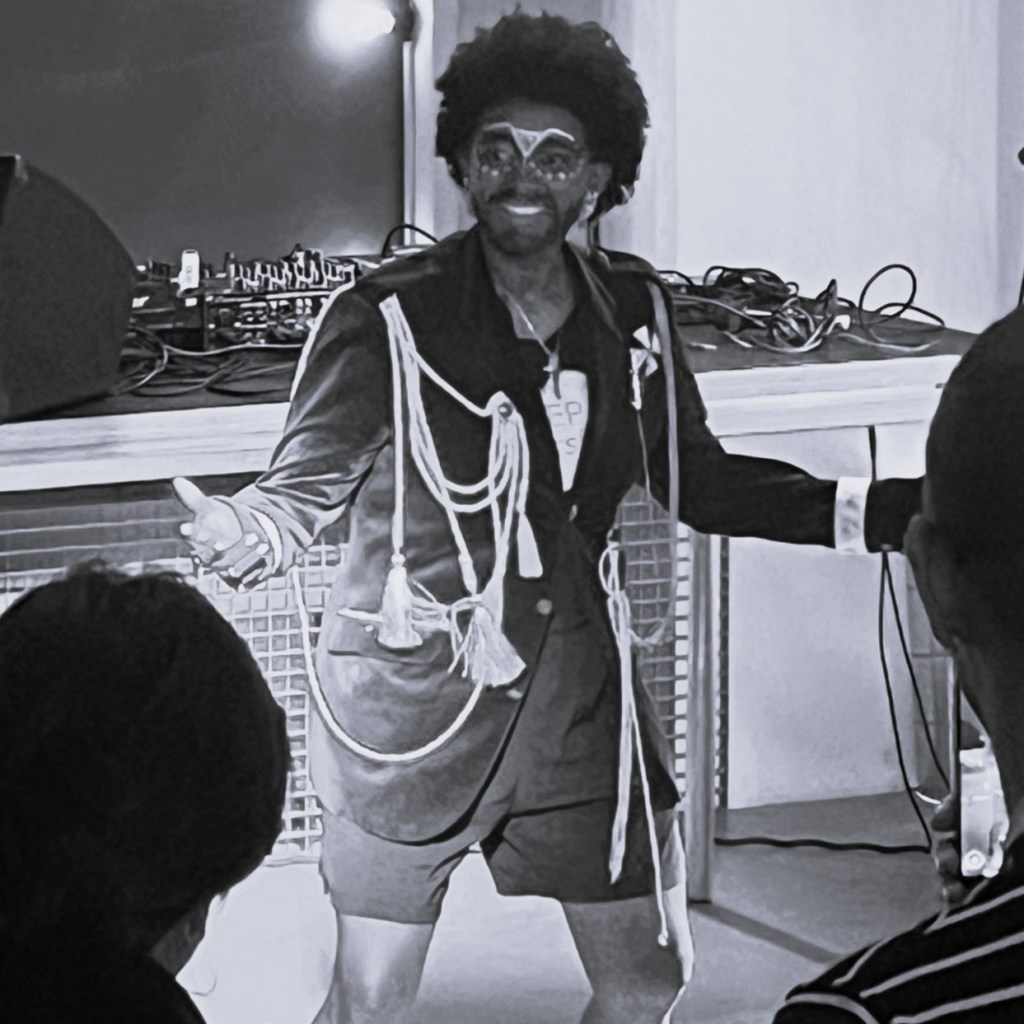
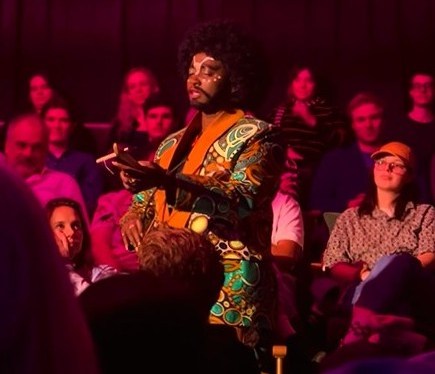
Somewhat unplanned, but always ready, I was asked to perform as Eric the Dragking. So on the closing night, participants were able to experience Eric the Dragking stomping HIV stigma alongside them—a symbolic and empowering moment that energized many attendees. In fact, numerous organizations expressed enthusiasm about inviting Eric to their countries to further break HIV stigma and raise PrEP awareness!

The urgent need for global action

While UNAIDS and numerous organizations continue advocating to end HIV and AIDS by 2030, the reality remains troubling: prevention tools exist, yet communities still struggle for access due to political hurdles and greedy pharmaceutical interests. Health is a human right, yet so many LGBTQI+ individuals lack the protections they deserve. So is this target still realistic and how will we reach it? I am convinced that conferences such as these contribute by creating the much-needed space for collaboration, knowledge-sharing, and empowerment. Let’s hope the Netherlands HIV community is listening to their European neighbours!

Let’s hear a few powerful reflections I collected from fellow participants:

> “In times of increasing polarization and prejudice against LGBTQI+ people, institutions, healthcare providers, advocates, and scholars must unite to promote health for all. This conference catalyzed new efforts, bringing together passionate individuals from across Europe and beyond. Let’s work together to foster well-being for everyone!” > — Tabea Hassler, Researcher at the University of Zurich

> “It was incredible to network with so many changemakers improving LGBTQI+ health across Europe. The passion, enthusiasm, and energy of attendees were truly inspiring, and I have no doubt that real action and collaborations will emerge from this event.” > — John Gilmore, University College Dublin

> “The 2nd European Conference on LGBTIQ+ Community Health definitely brought together the best LGBTIQ+ thinkers and practitioners from across Europe at such a crucial time as this, to form new alliances, strengthen our vision, and refine our collective focus.”> —Dr Harvey Kennedy-Pitt

United, we will win this fight

The fight for health equity and LGBTQI+ rights is ongoing—but together, we are strong. Through collaboration, activism, and unwavering determination, we will dismantle barriers and demand accessible, stigma-free healthcare for all.

I urge you to have a look at the manifesto we drafted together during the conference: The manisfesto recognises that LGBTQI+ communities continue to face systemic inequalities, institutional violence, and barriers to essential healthcare. In the manifesto we state that we refuse to accept a system that neglects lived experience, silences community-based knowledge, and denies universal access to care. We demand the recognition of peer support as legitimate healthcare, PrEP access for all, the integration of LGBTQI+ realities in medical training, structural support for community health centers, and our rightful place in public health decision-making. Justice in healthcare is not optional – it’s a necessity. Stand with us. Sign the manifesto. Be part of the change!

Thanks Stephen Barris from Ex Aequo for organising this wonderful conference and looking forward to the next edition!

Let’s keep pushing forward. We are the working force, and our voices matter.

Peace,

Eliane

Women of Hope accelerating action

Today we are celebrating International Women’s Day with a very interesting theme: ”Accelerate Action”.

Worldwide, strong women are working hard to ensure their fundamental needs and rights are being met in their communities. Accelerating action is about their fight to remove systemic barriers and inequalities that prevent them from claiming their fundamental rights. They are united in their aim for women and girls to thrive and exercise their rights without discrimination or disadvantage. And they know it is essential to work with women from marginalized communities, including indigenous people, sex workers, and transgender people.

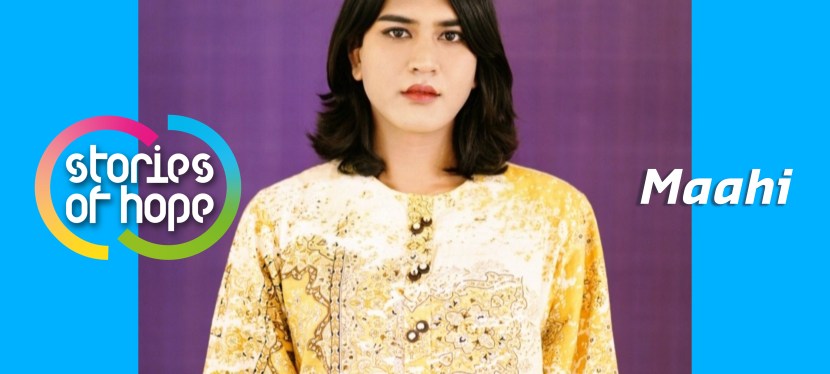
I am extremely proud to present three (!) remarkable women from different parts of the world who all in their unique ways contribute to empowering women and girls in their communities to improve access to HIV services and fight against HIV stigma. They show us that there are so many ways we can contribute to empowering women, whether through research, journalism, awareness raising or teaching. Let’s meet our three new Heroes of Hope!

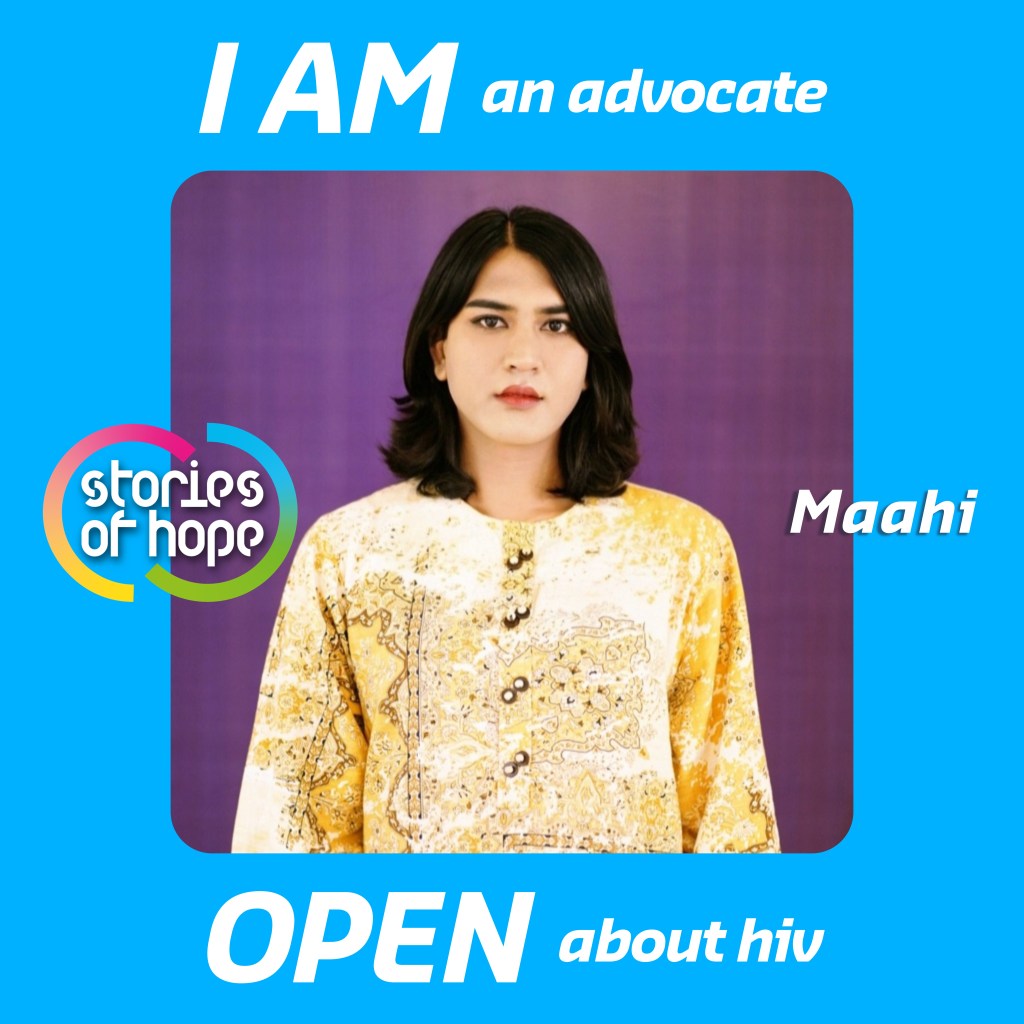
Maahi, a transwoman living with HIV from Pakistan, is the founder of the first trans-led network of People Living with HIV in Pakistan, a brilliant teacher at a transgender school and a global advocate for the rights and well-being of transgender people living with HIV.

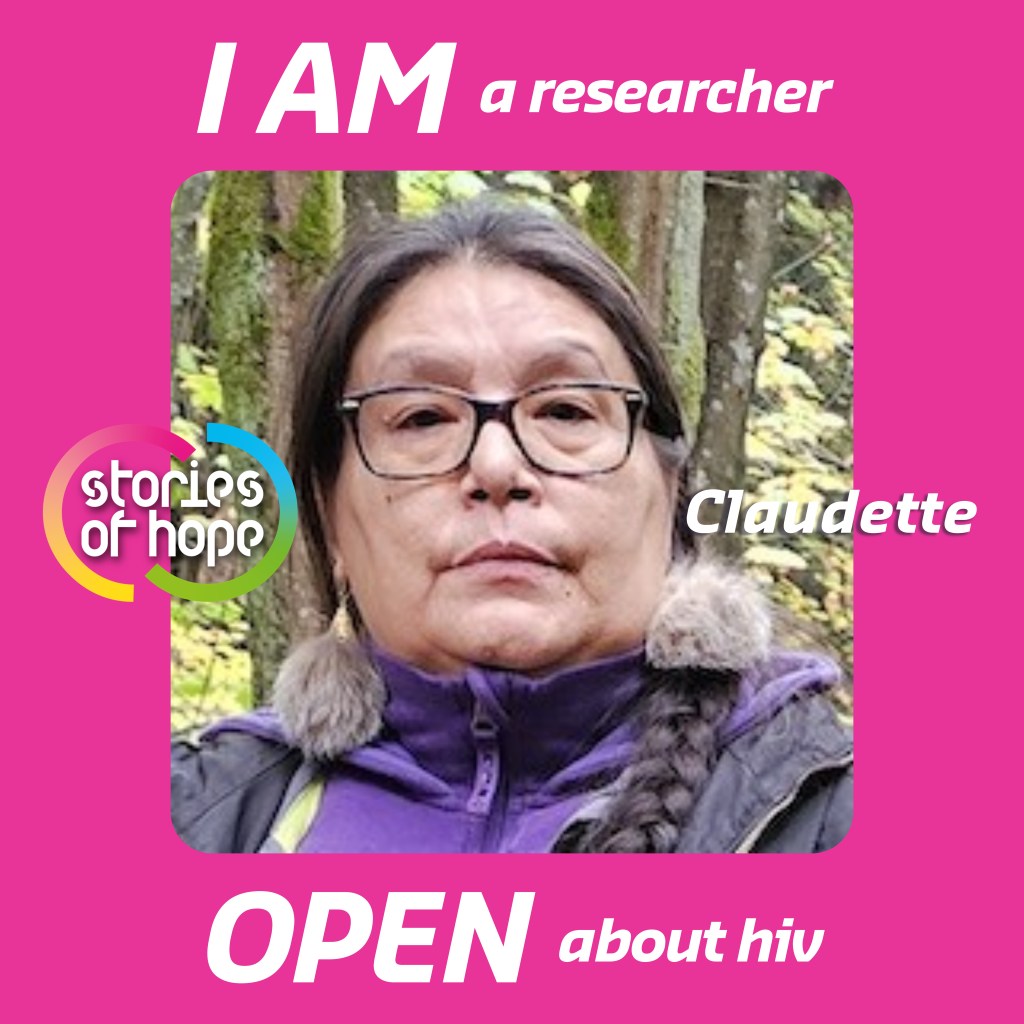
Claudette is an indigenous woman from the Kehewin Cree Nation in Alberta, Canada. During her 30 years of living with HIV, through her work as a wisdom speaker on HIV and indigenous-focused research, she has grown into a leader in HIV action amongst indigenous women in Canada.

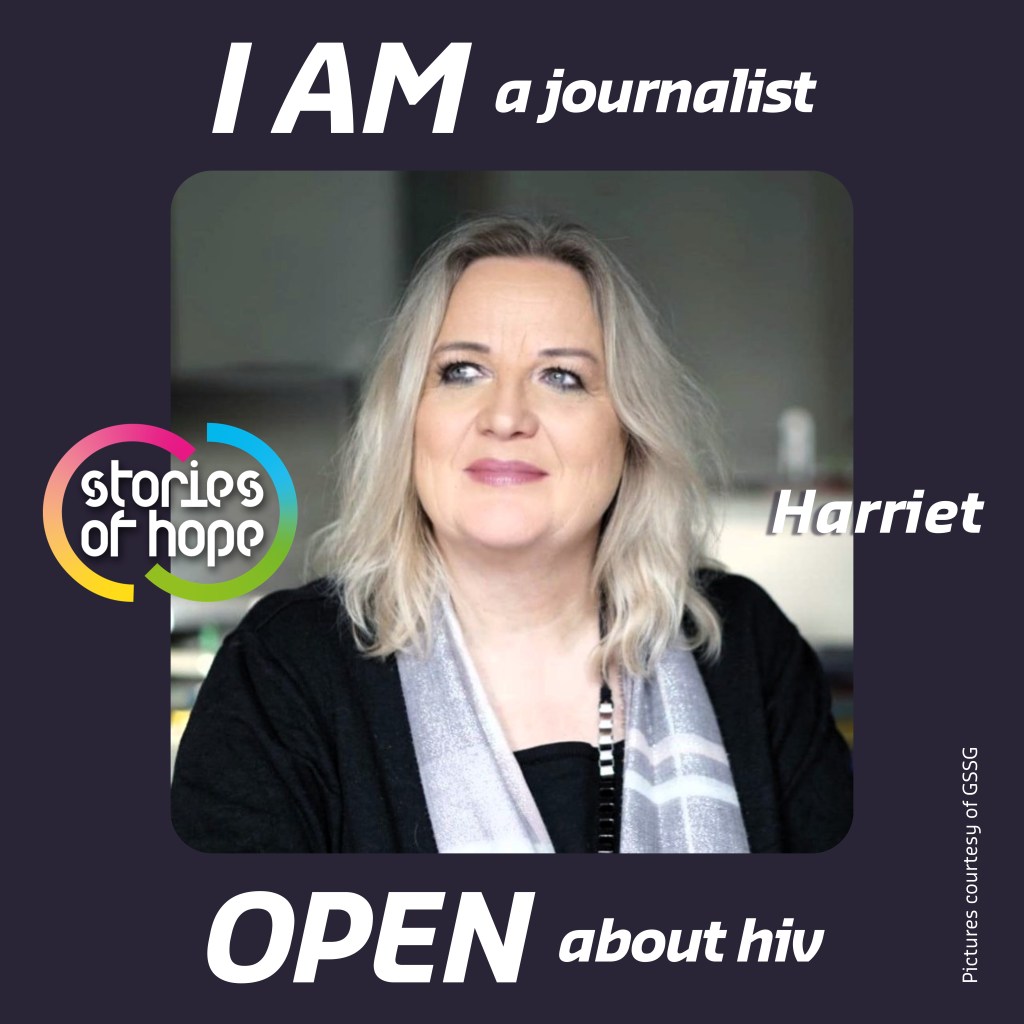
Harriet experienced the devastating impact of HIV and AIDS in the early 1990’s while supporting people living with HIV in Germany. Today, her lived experiences and skills as a journalist and sexologist strengthen her in her fight for the rights of sex workers.

Need I say more? All of our three icons work with so much compassion within their communities, sharing their experiences and efforts at the global stage to inspire all of us to accelerate much needed action to positively impact the lives of women and girls affected by the global HIV epidemic.

I am very glad to call them Heroes of Hope who truly contribute immensely to this year’s theme of accelerating action for women and girls. Let’s support local HIV action to continue bringing positive changes to our HIV communities!

Click on the images above to read their individual Stories or find them and other Heroes of Hope here!

Happy International Women’s Day! Peace,

Eliane

Hero of Hope – Zang Choi

My lovely people,

Nelson Mandela once said “A winner is a dreamer who never gives up”. I continue to dream of a World free of Stigma and I know that soon this dream will come true for me to be a winner. But I am not the only one having this dream as we all know that HIV stigma and discrimination are global issues, so we need to continue joining our forces as much as we can.

Last year when visiting my HIV allies in South Korea I realized that HIV stigma is still very high in South Korea, so even today you will hardely see people open about HIV. Luckily, grassroots organizations are working really hard to fight HIV stigma and discrimination. I am happy to be connected to them and support them in whatever way I can.

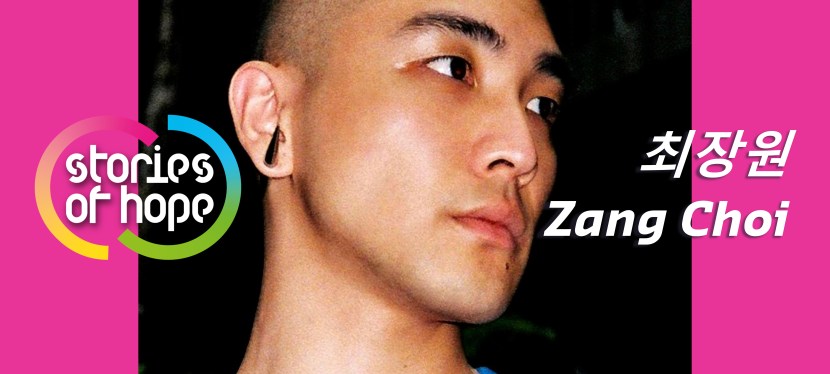
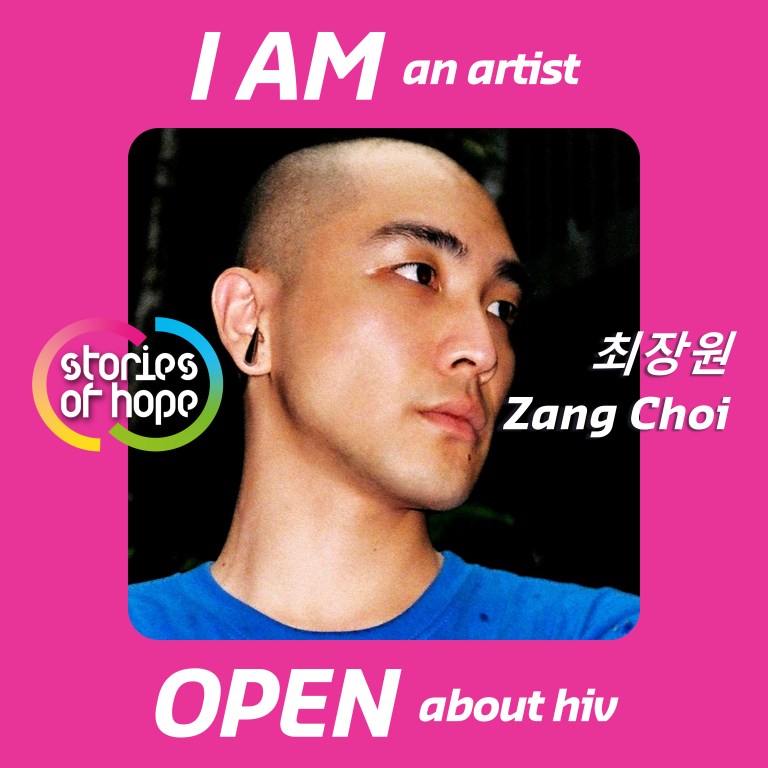
There are many ways to convey a positive image of people living with HIV, one of them is Stories of Hope. What started as a small local initiative has now grown into a platform of global Heroes of hope who are eager to share their superpowers that helped them to break HIV stigma. Thanks to the digital world, I was happy to connect with a Korean HIV artivist, Zang Choi who is our newest Hero of Hope!

Zang Choi is living positively and uses their visual arts to create a space that encourages young people to discuss really important issues related to HIV and the LGBTQIA+ community in Korea. Through their HIV artivism, Zang Choi is truly committed to bring much needed change to break HIV stigma in Korea. Read Zang Choi’s story here!

HIV artivism is a beautiful tool to use to bring awareness about HIV and break the stigma. I am so happy to be connected to Zang Choi and so many others who fight HIV stigma using HIV artivism. Those that know me, are also well aware that there are so many ways how HIV artivism can reach parts of the HIV community, including young people of the LGBTQIA+ community, that are hard to reach through conventional approaches. We have to use all approaches available to break HIV stigma!

I am proud to contribute to HIV artivism through Eric the Dragking or interactive story telling such as Urugendo (A HIV journey). I am always happy to connect and explore with you how we can increase the impact of HIV artivism around the world!

Remember, we cannot achieve my dream of a World free of HIV stigma alone, we need to join our hands and passion for arts as much as we can worldwide.

I am proud that that Zang choi is joining our Community of Heroes of Hope. Thank you very much!  매우 감사합니다

Share your talent to break HIV stigma!

Peace,

Eliane

Young talents breaking HIV stigma

My lovely people, you may wonder how I spend my World AIDS Day. Although on the first of December I was in Eindhoven, the Netherlands, with the PrEpNu outreach team to share information about PrEP at an LGBTQIA+ refugee event organised by COC the Netherlands, my heart was full of excitement of what was happening in Gihanga in Burundi.

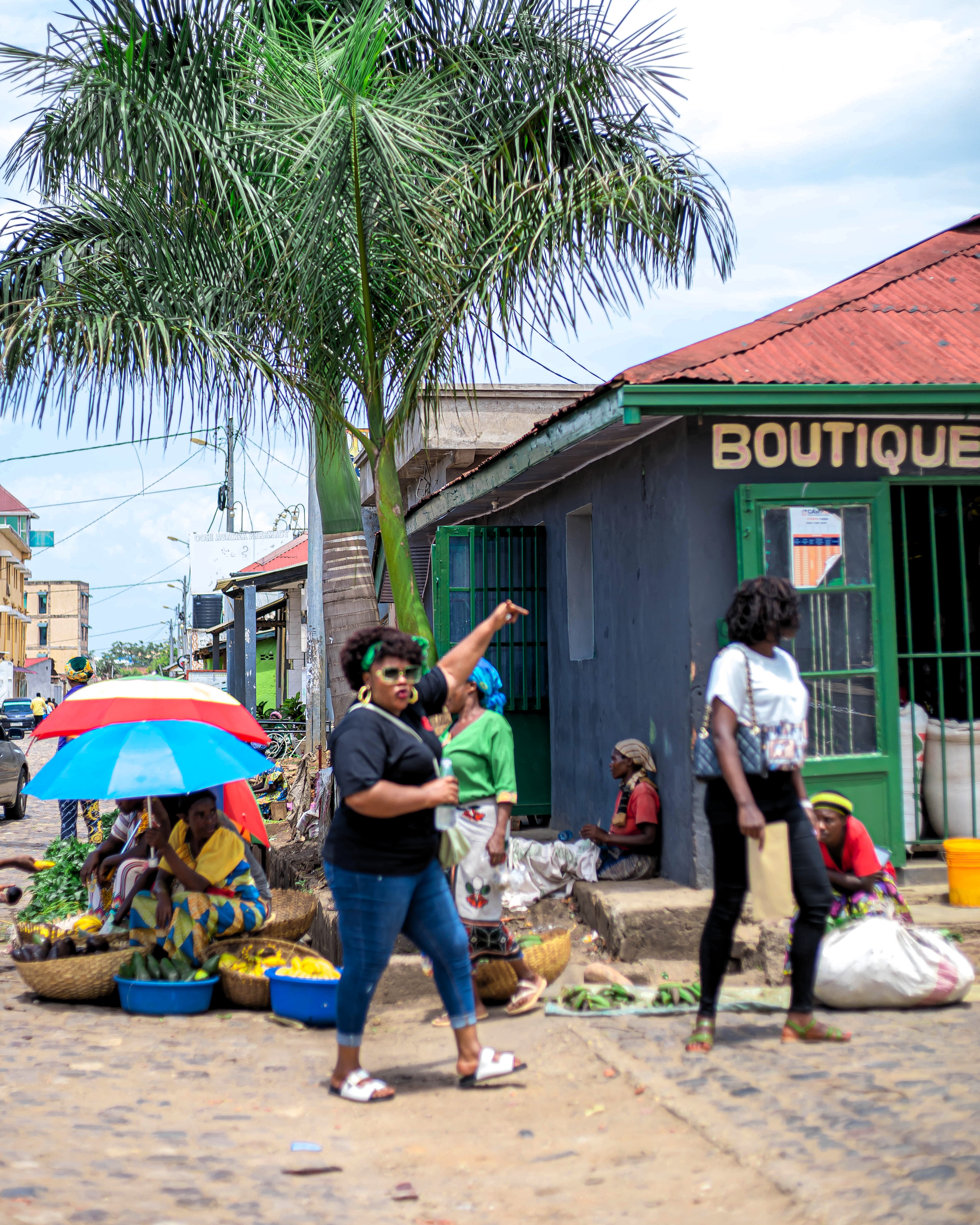
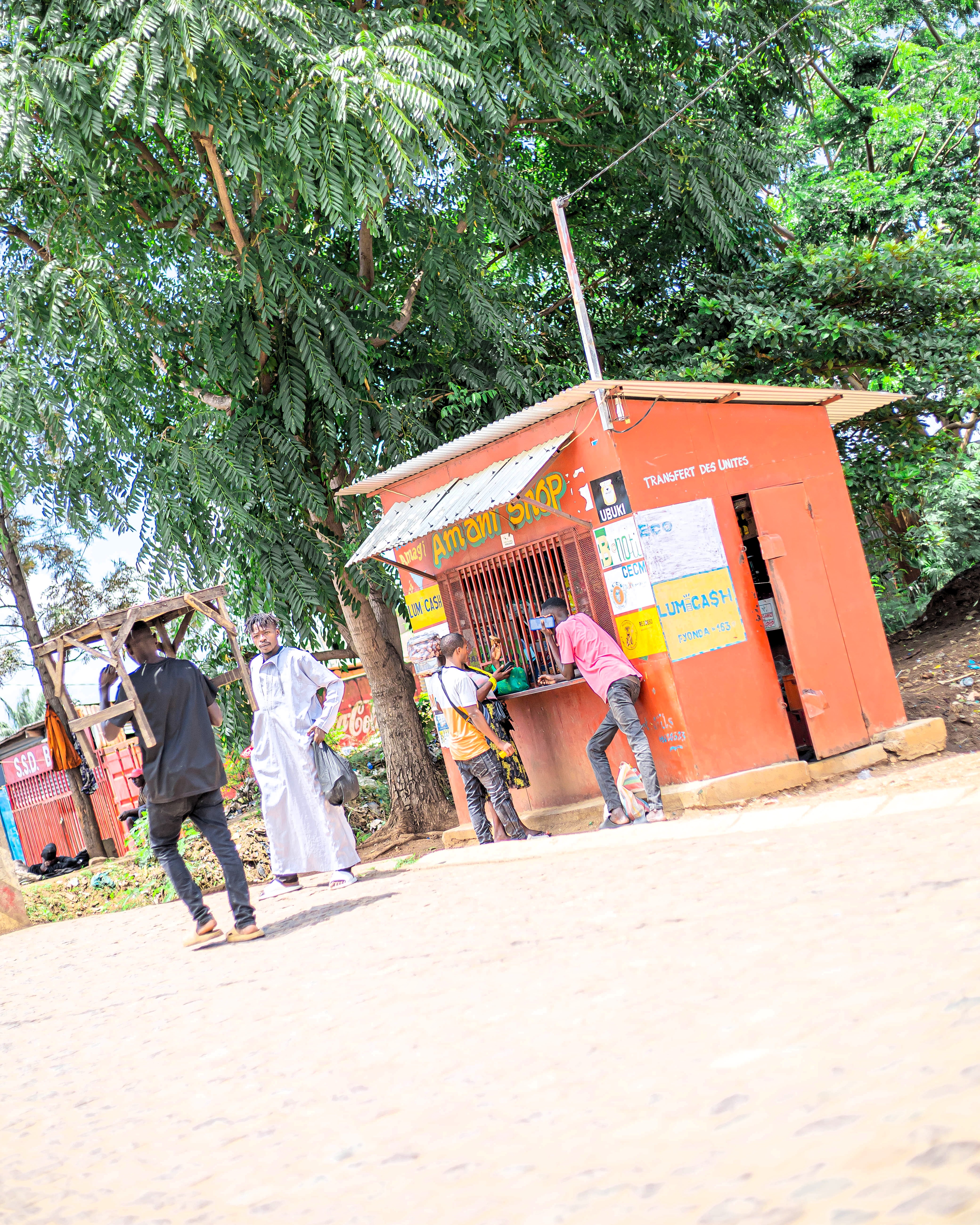
In my home country Burundi there are 13.24 million people of which 2.9% are living with HIV. This means 383.000 people! Many of them still do not have reliable access to HIV treatment and HIV stigma and prejuduces are still widespread throughout Burundi. That’s not cool!!!

When my cousin Sifa and her husband died of AIDS in 2015, I was already living more than 10 years with HIV. Sifa was not ready to accept her diagnosis, she and her husband did not dare to go for treatment as they were afraid that people would judge them. In the end they were killed by HIV stigma. Later on, I learned about another aunty who died in silence, they found out too late. This did drive me mad! I started asking myself how can we normalize HIV in my community?

I know what works as I am already using arts as a powerful tool to engage people in HIV awereness, education and stigma reduction. Even when I was young we used music and dance to promote peace during the war. We can use art to kill stigma too!

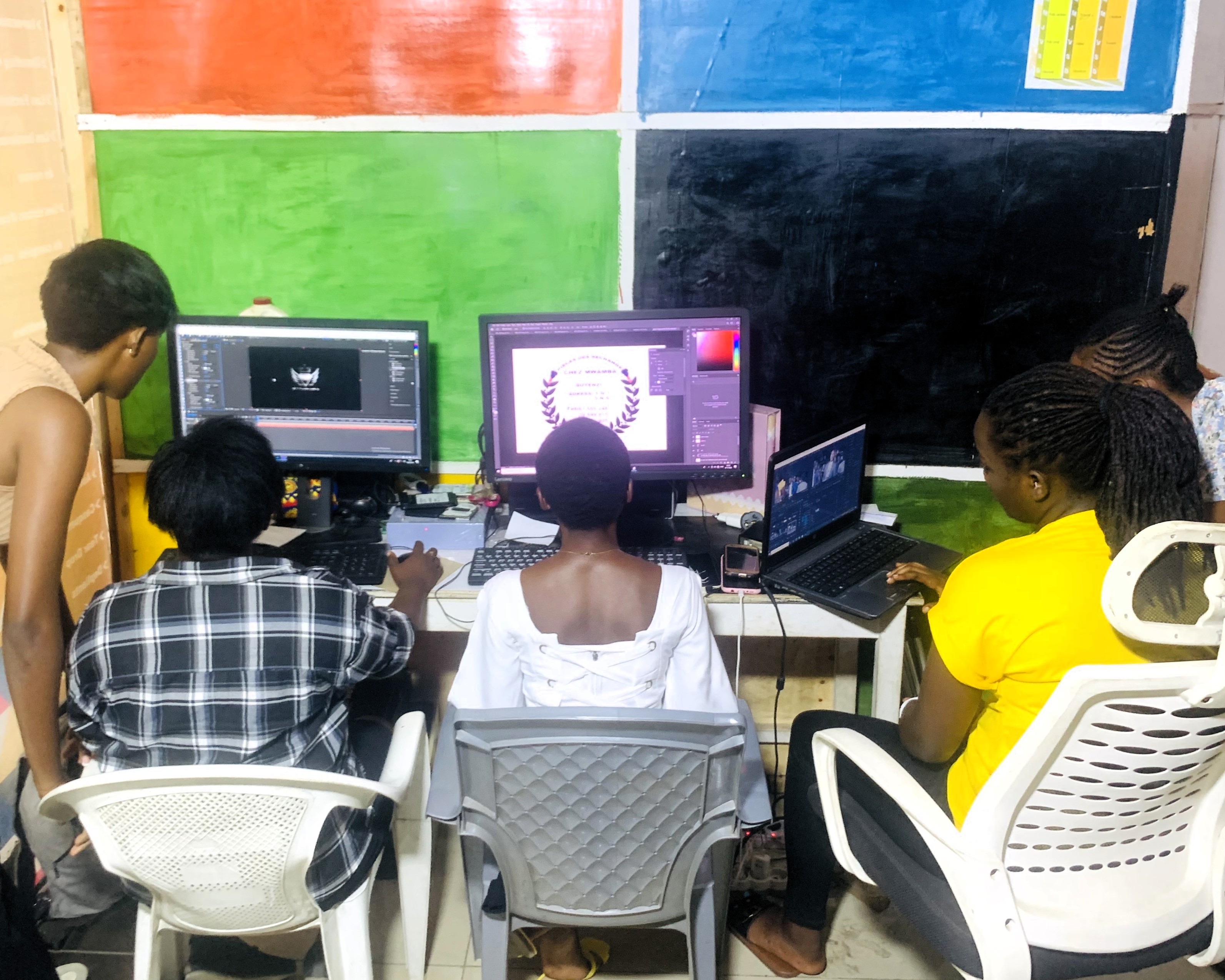
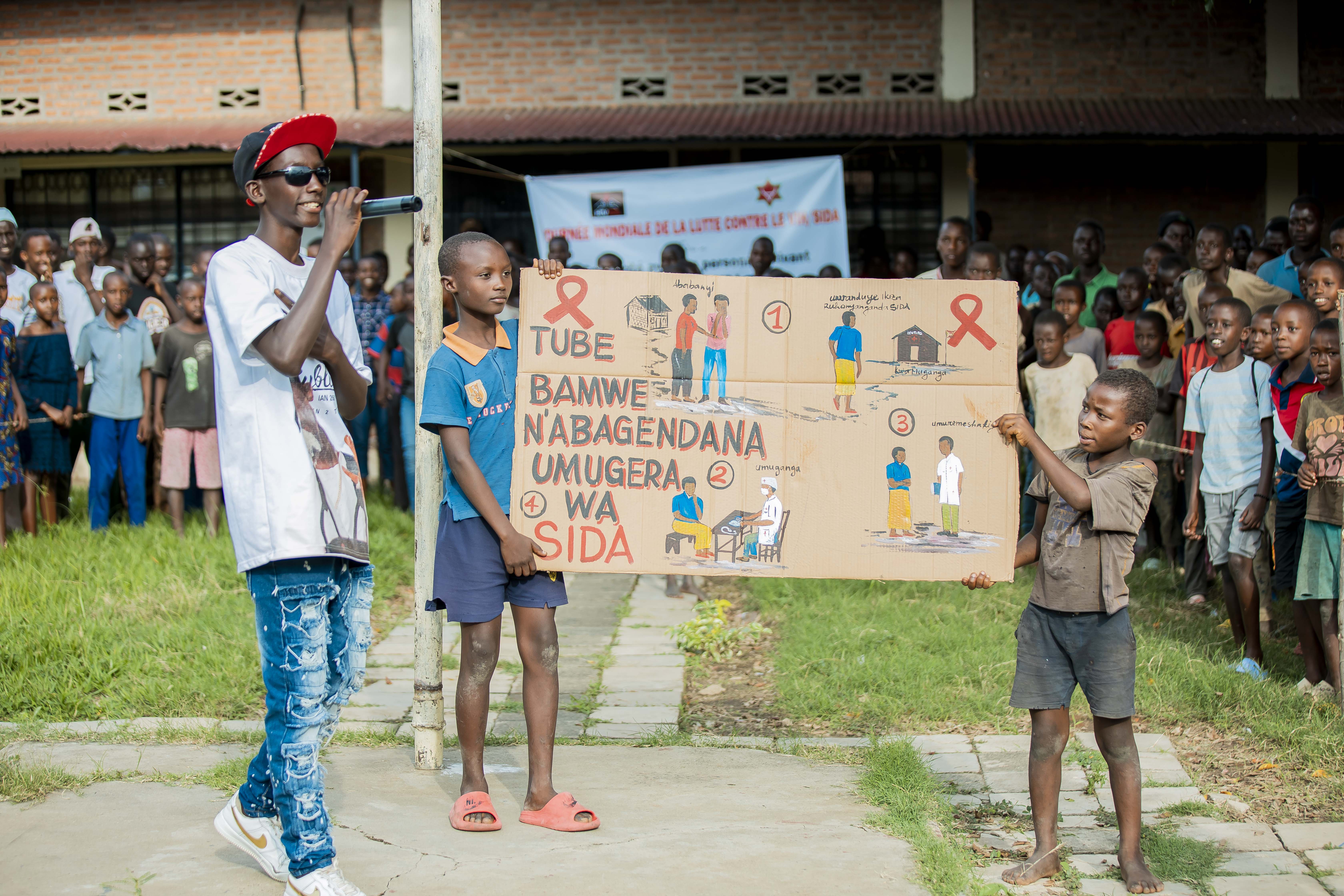
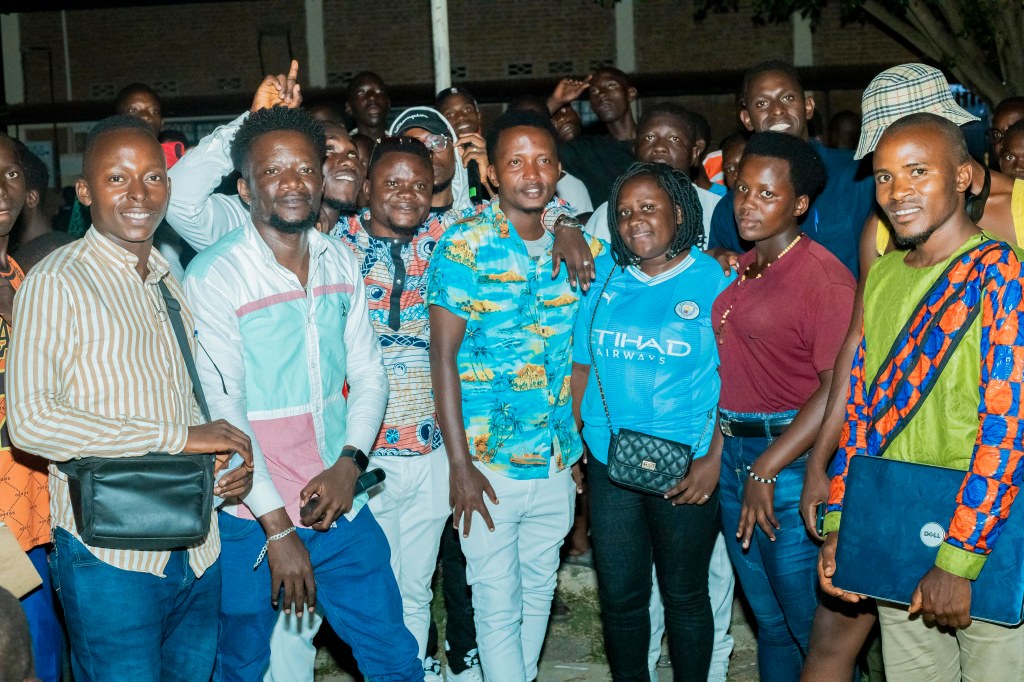
That is how I started working with local artists from my hometown Gihanga and founded the youth association Inyambo STARS. On World AIDS Day 2020 we hosted the first “Gihanga Talent show”. When we saw the success of this show, we decided to continue to support and encourage young talents in Gihanga to help spread the message on HIV awareness and stigma reduction.

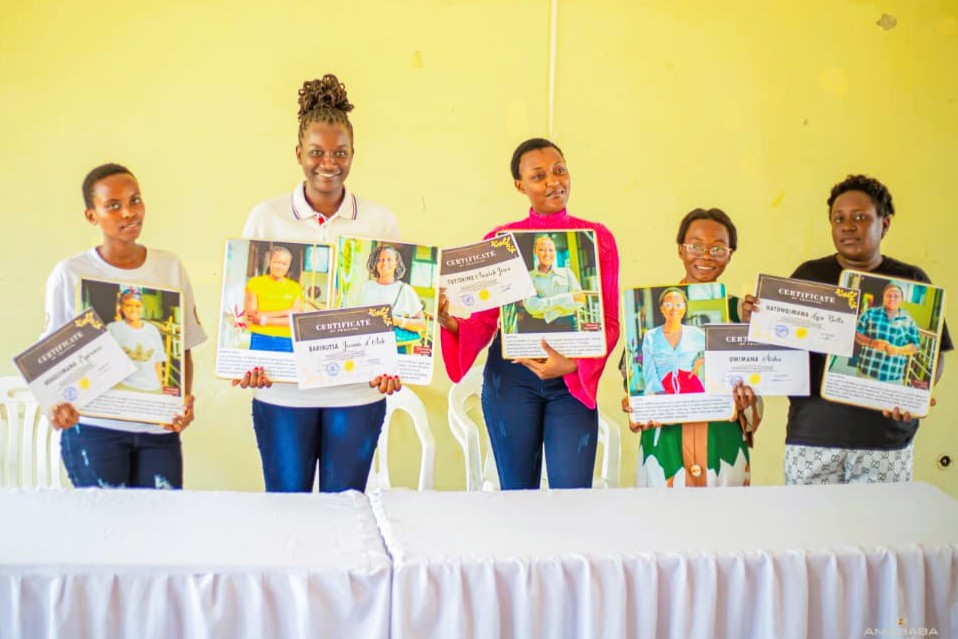
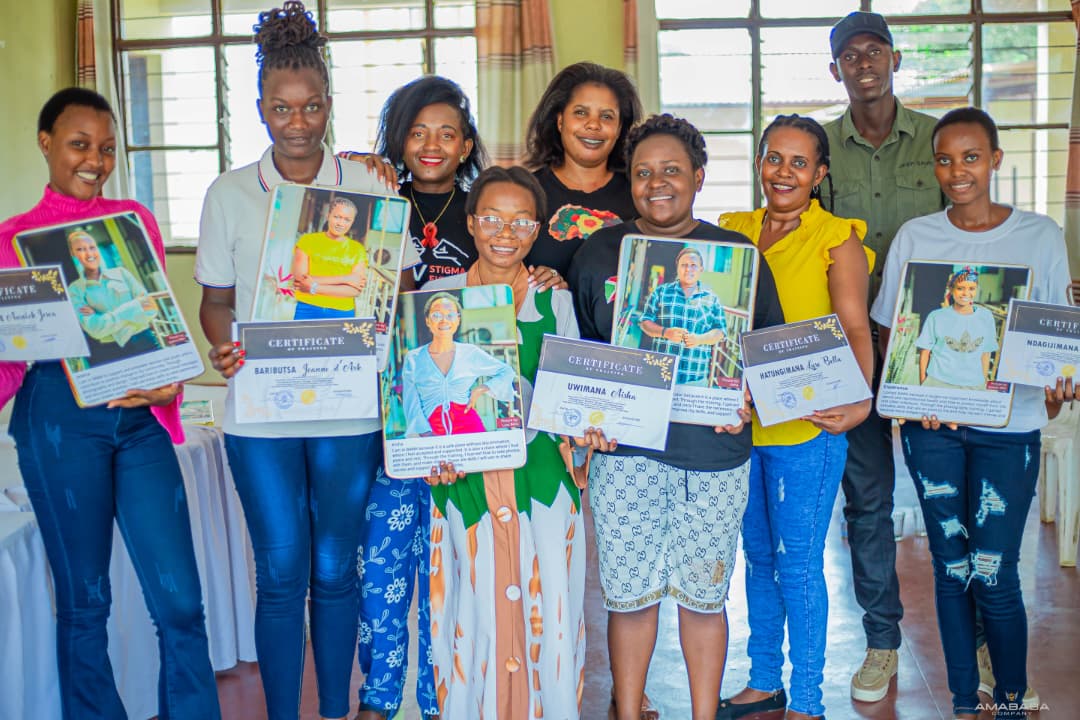
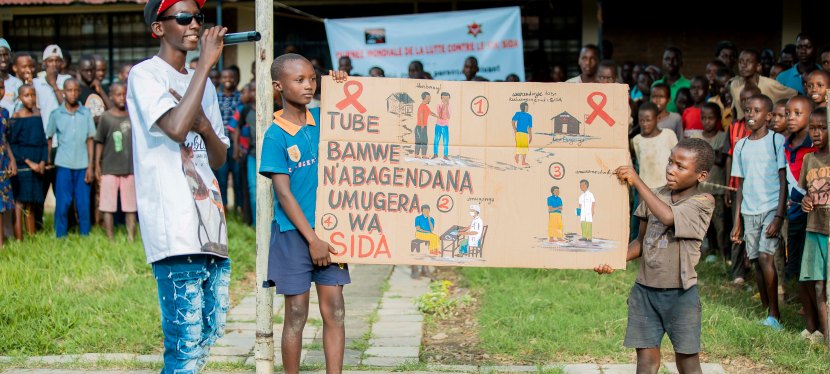
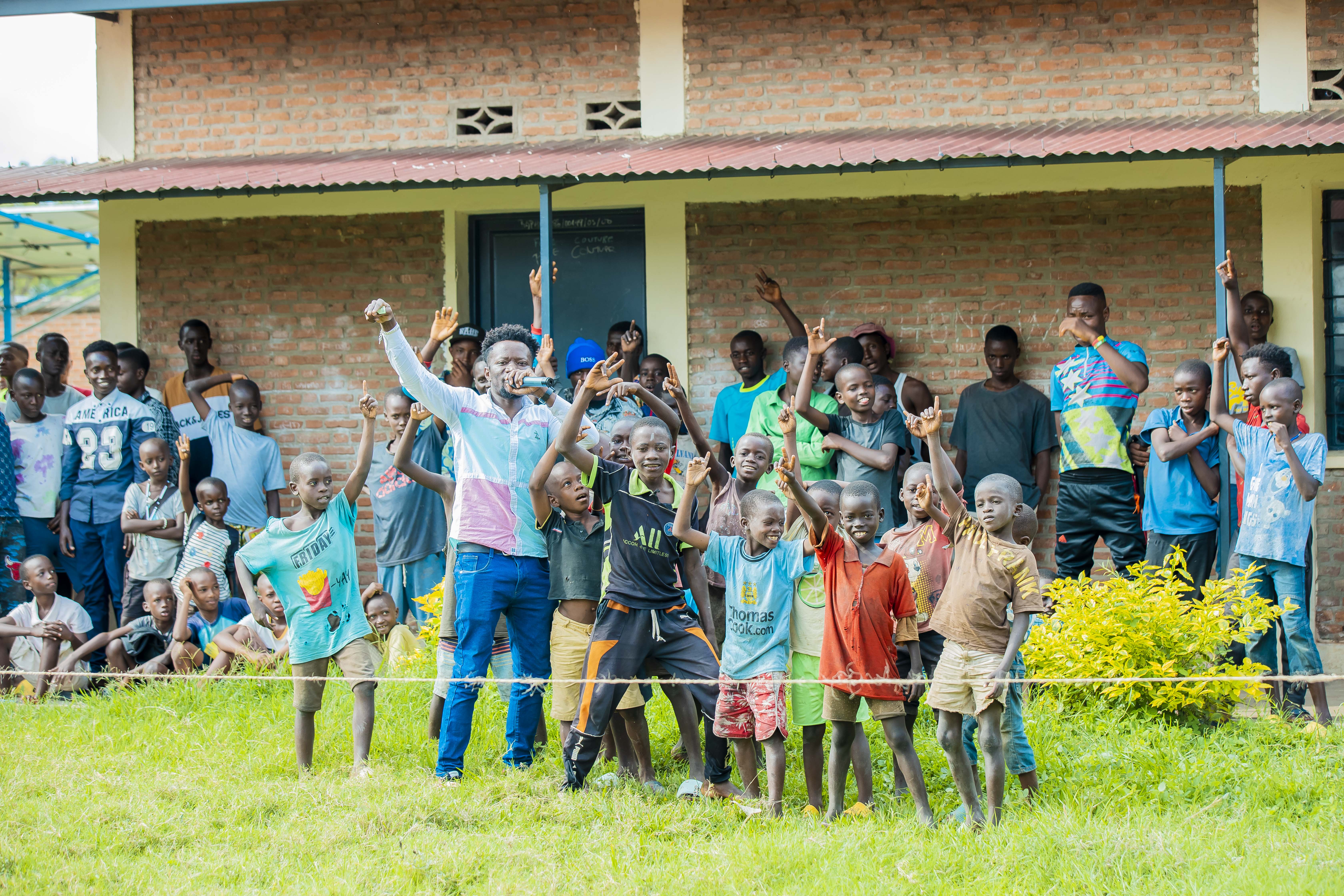
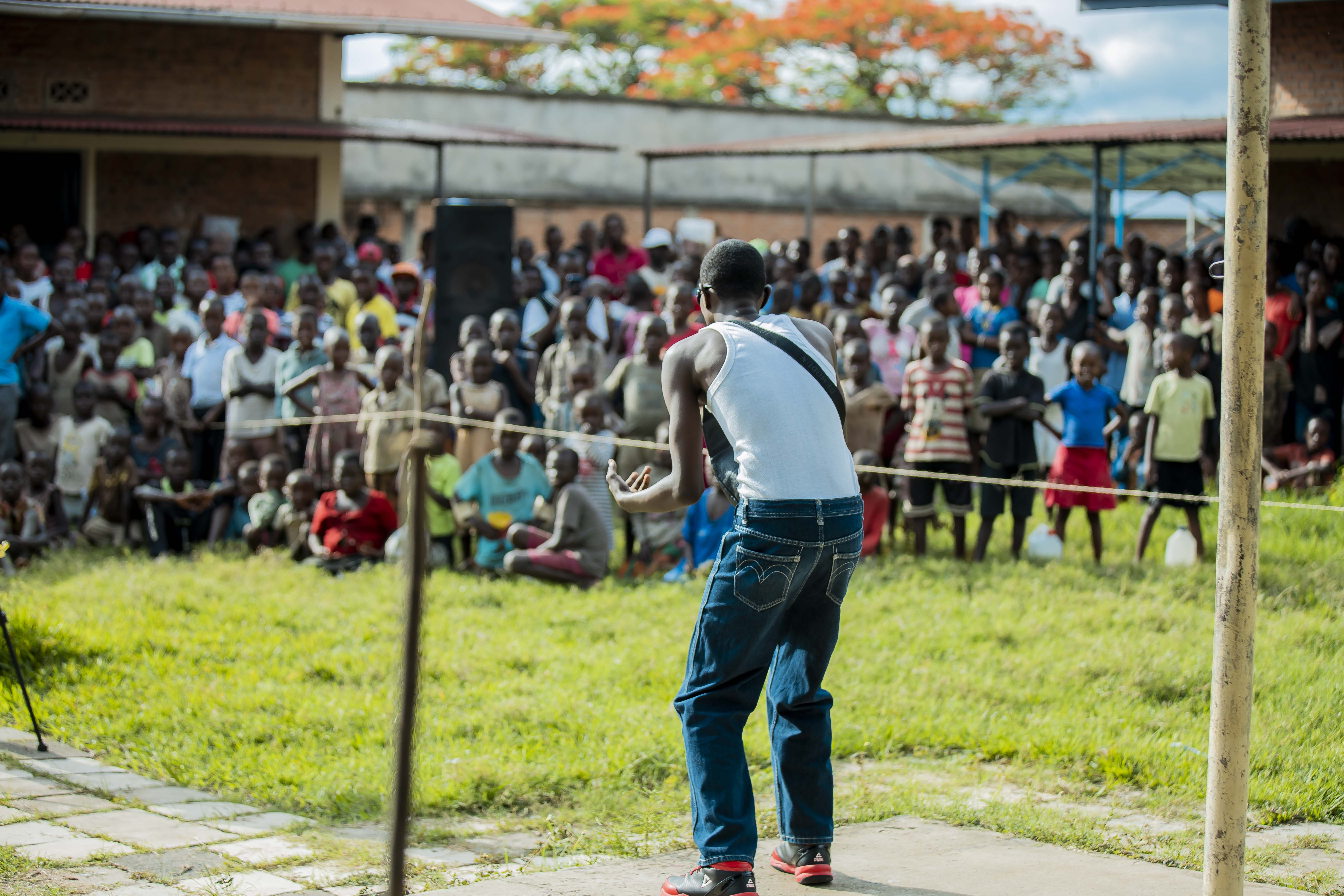
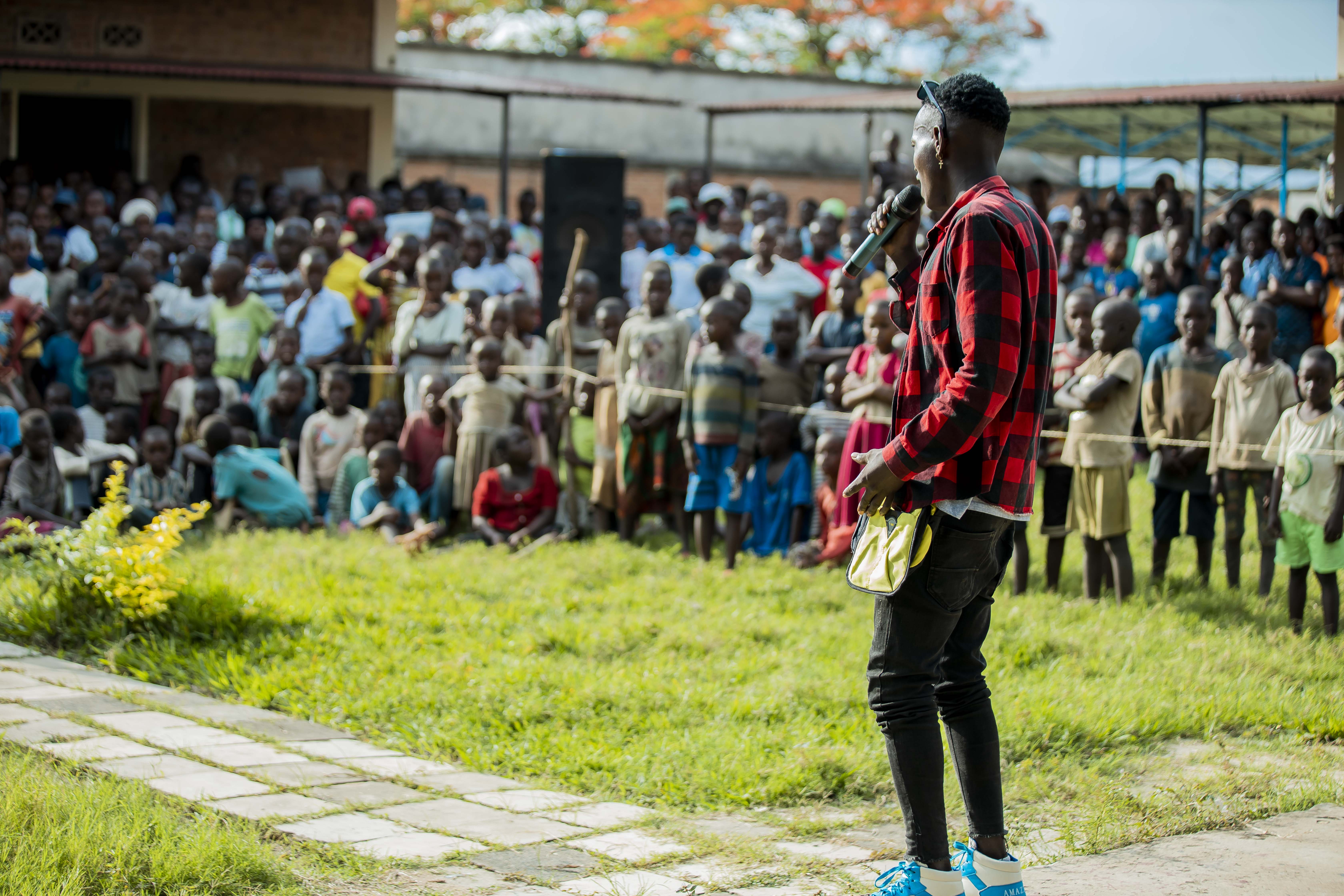
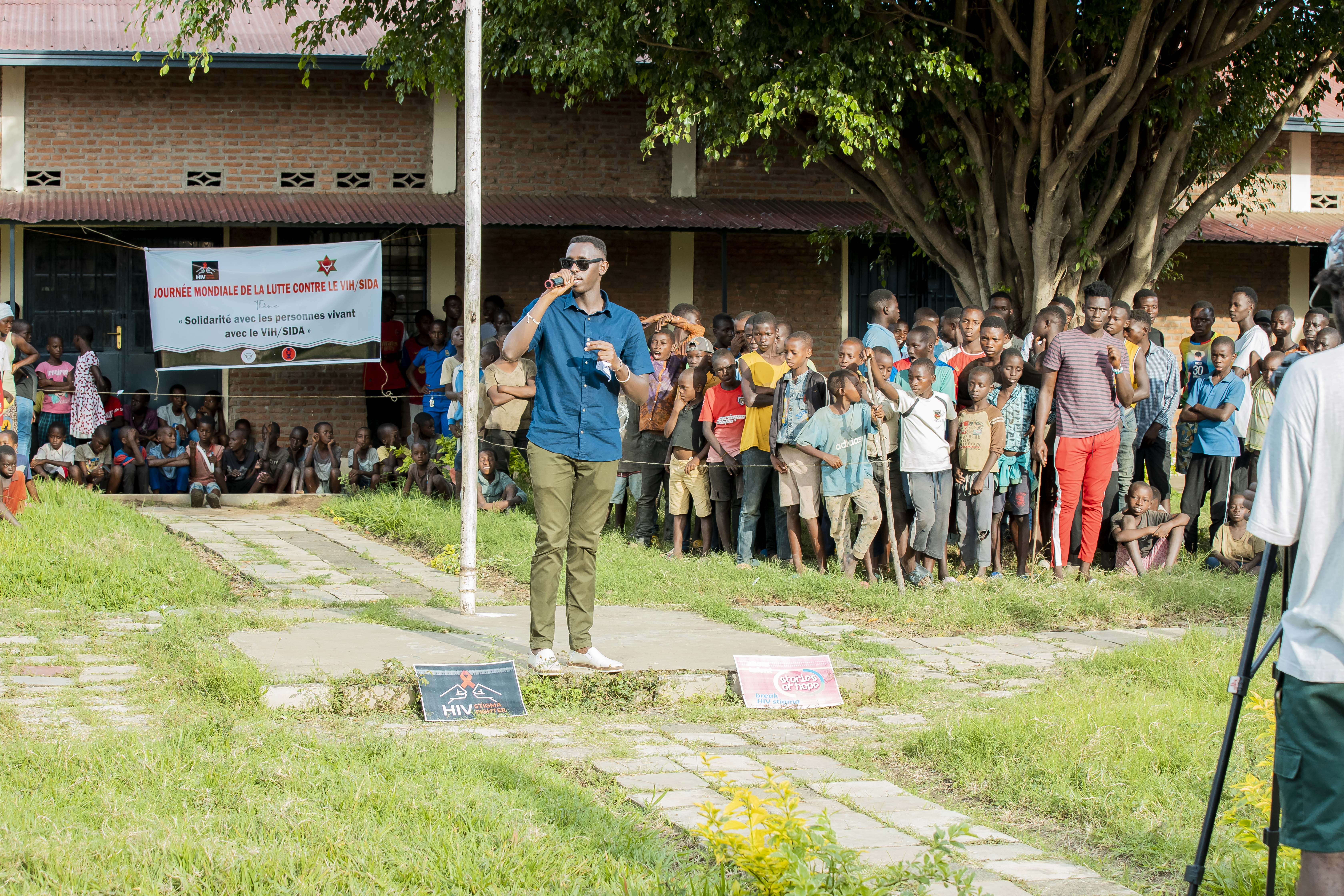
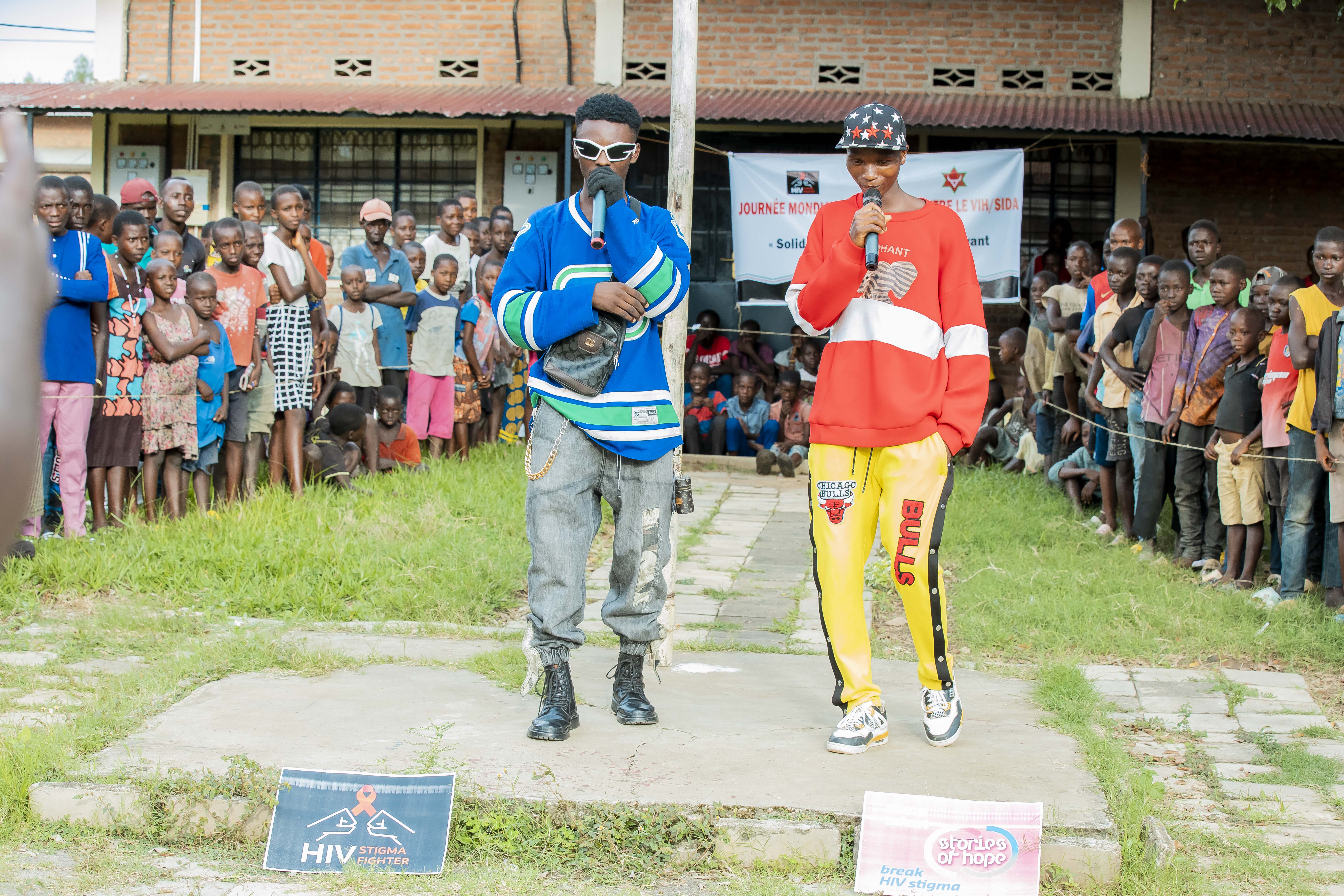
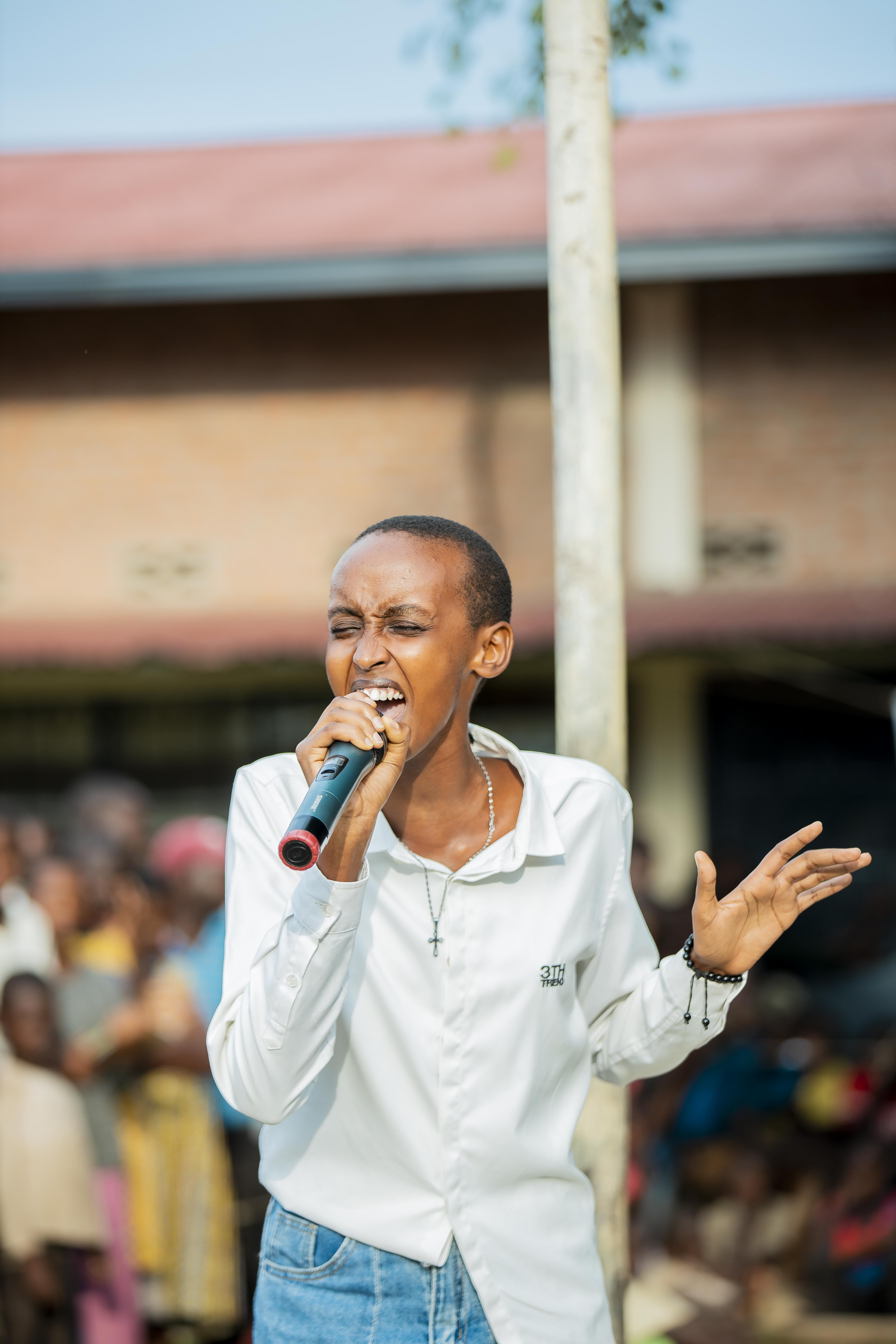
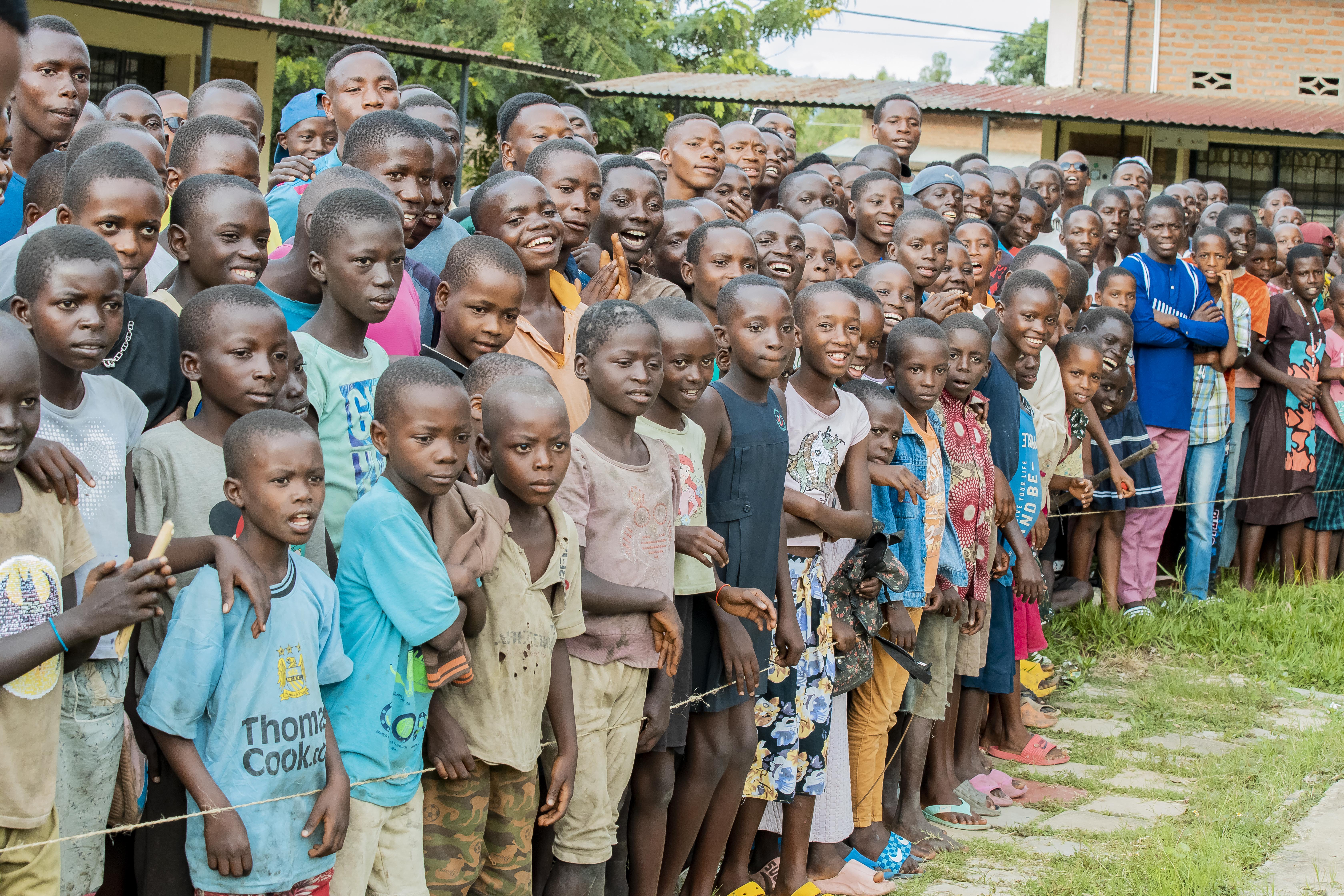
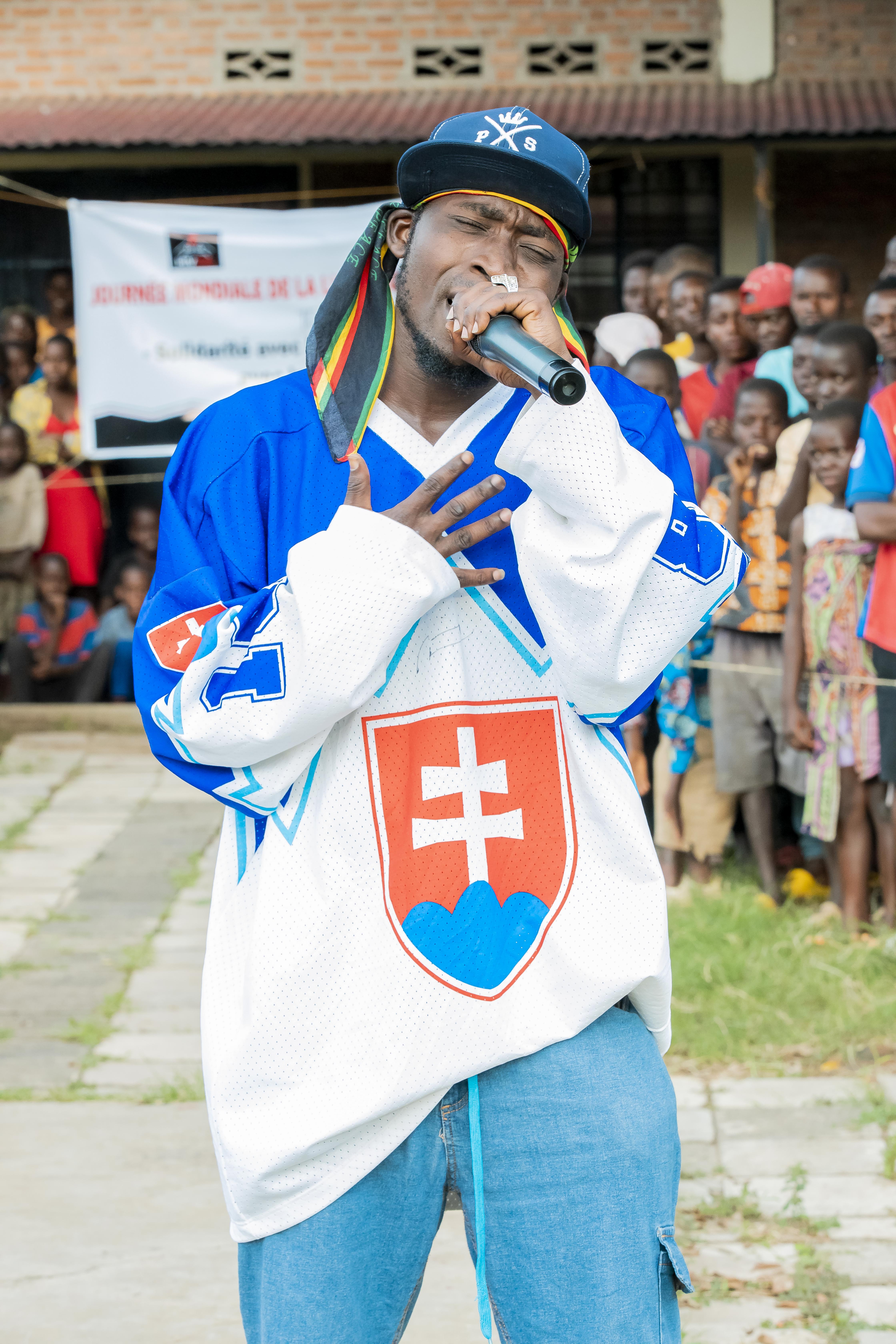
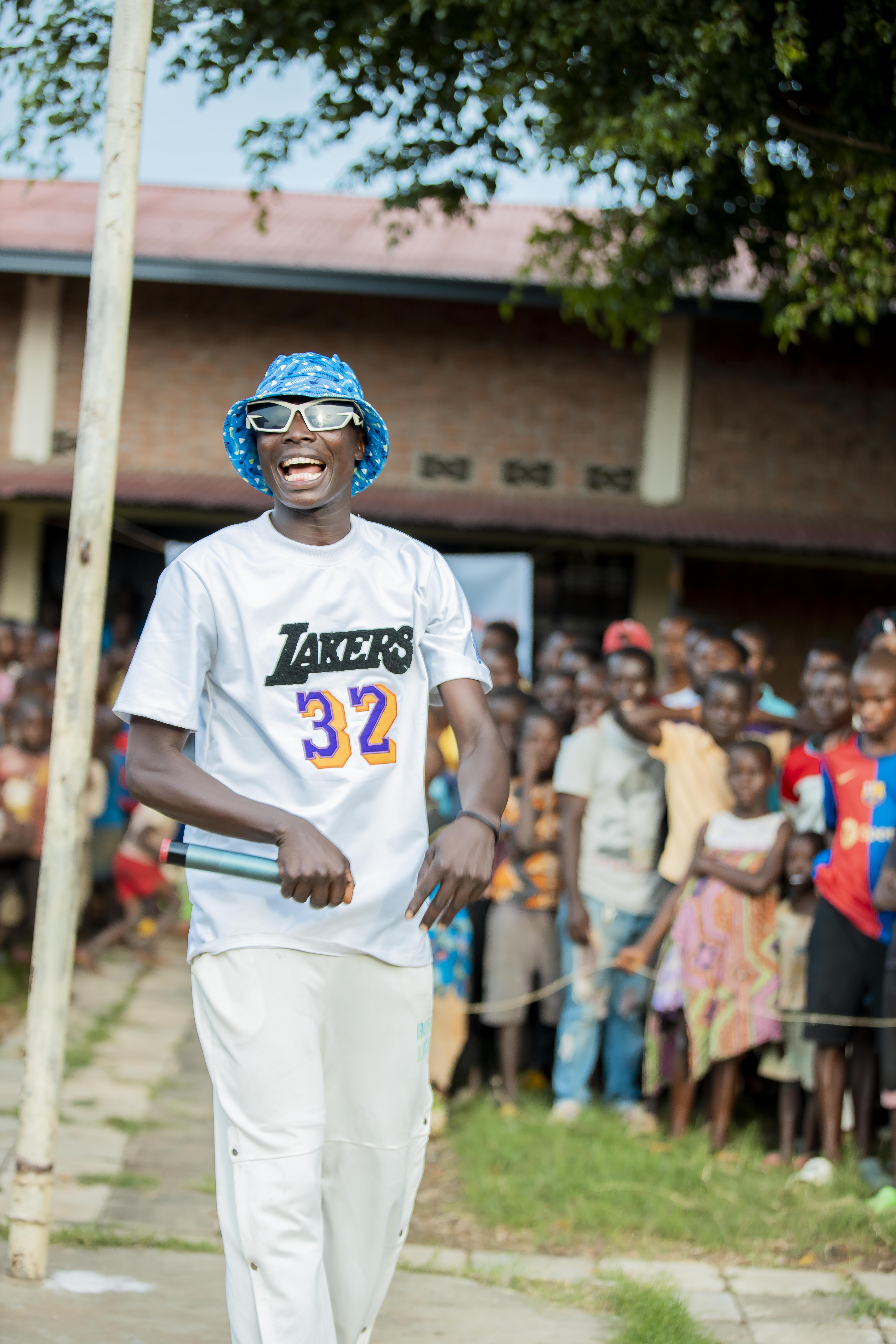
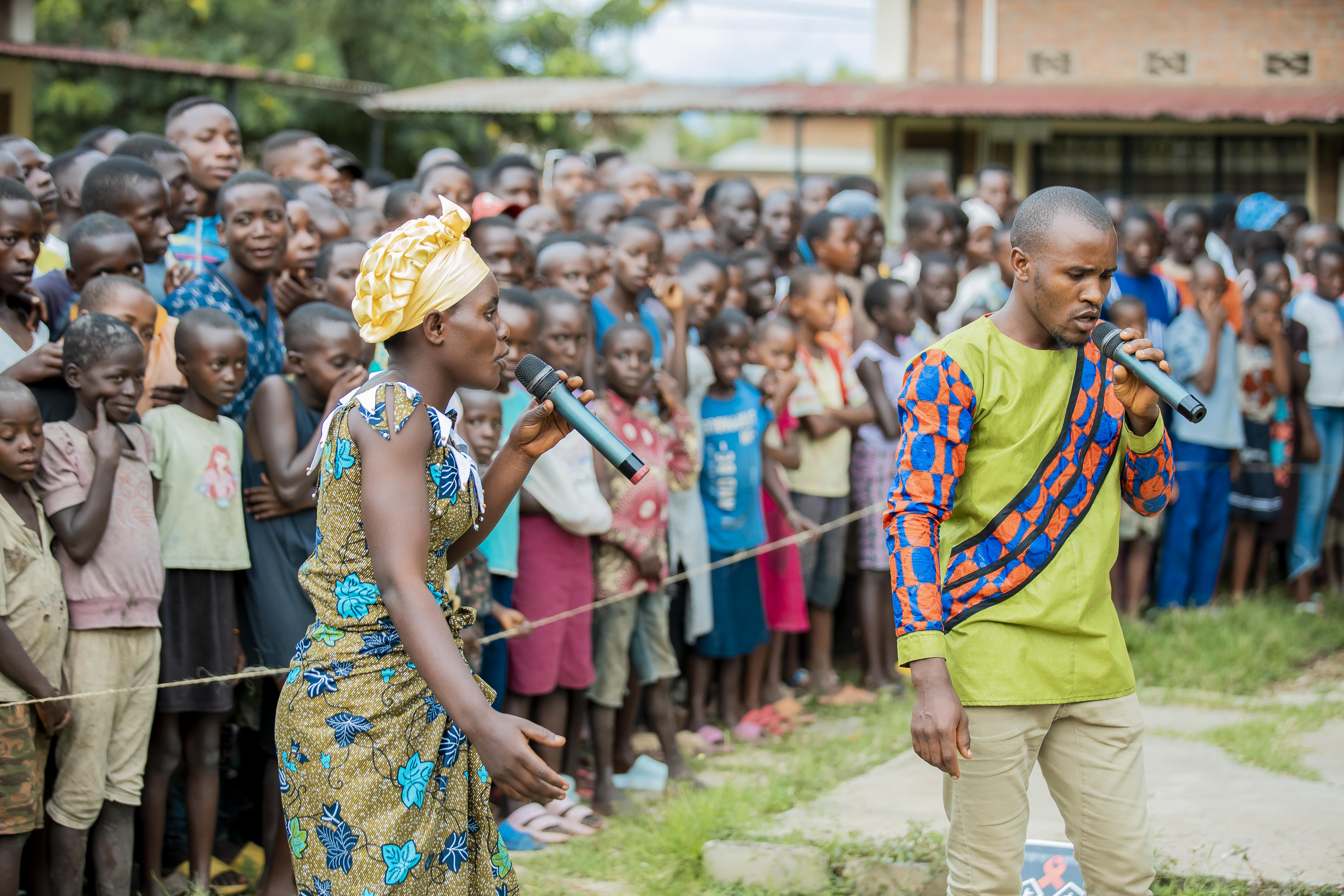
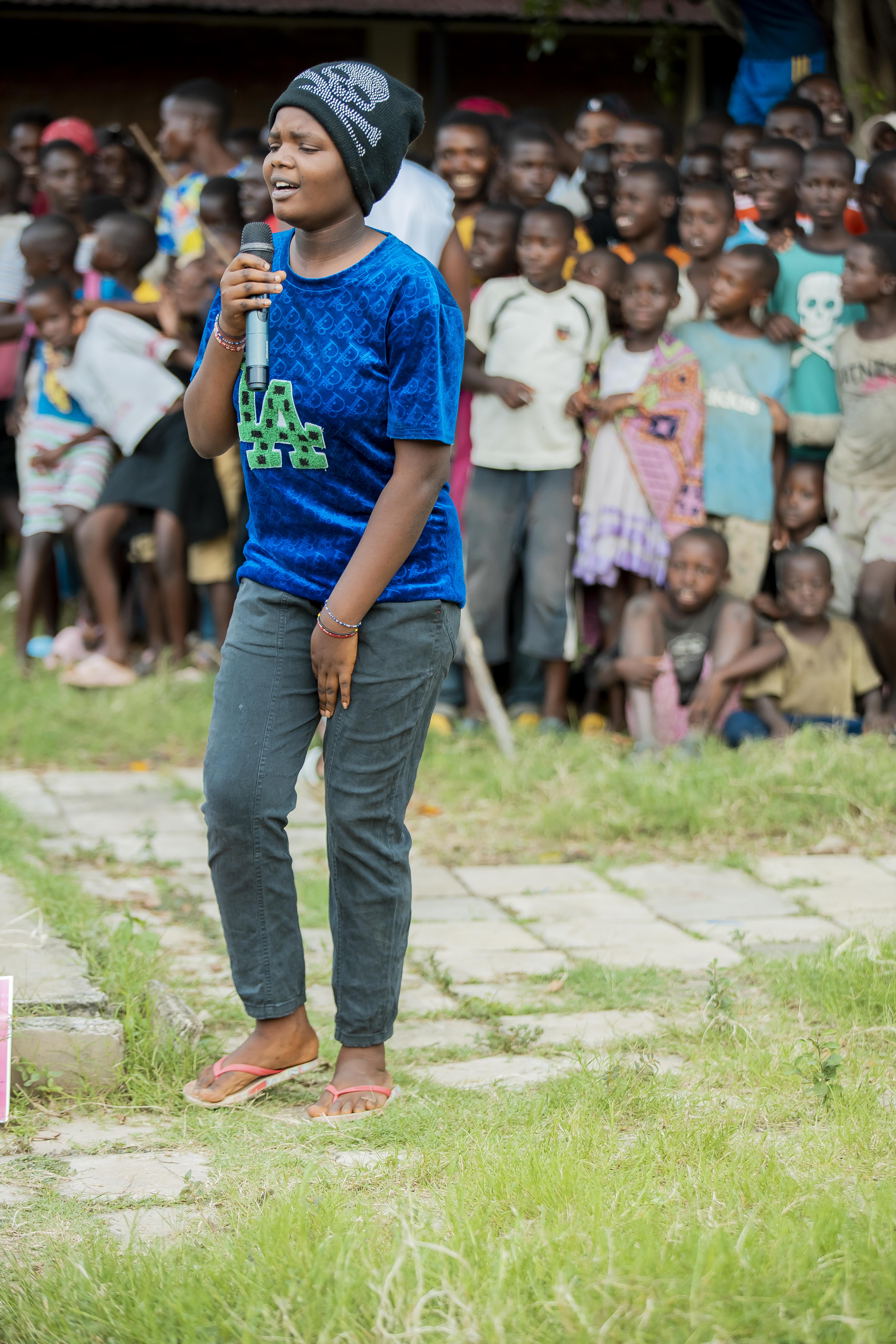
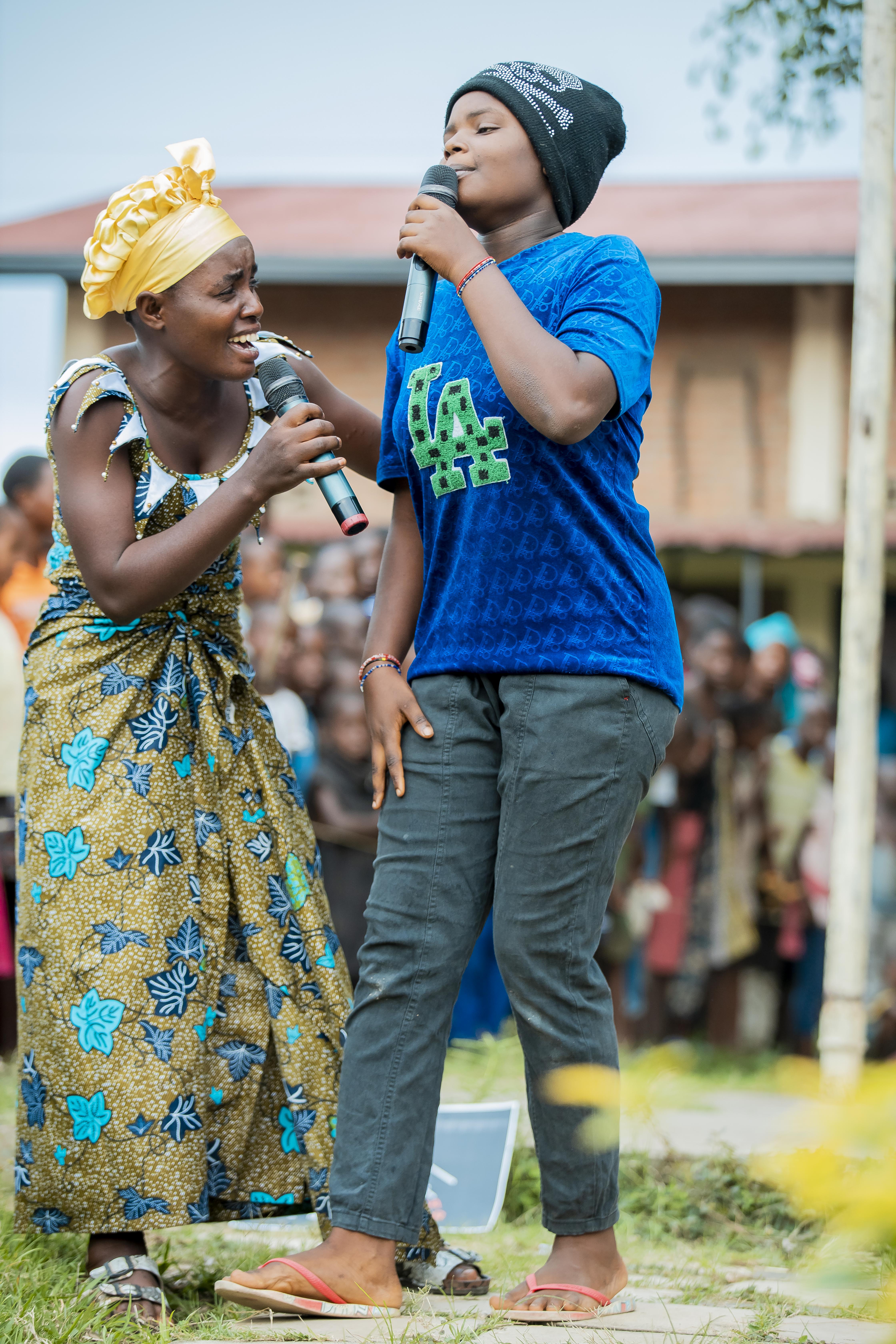
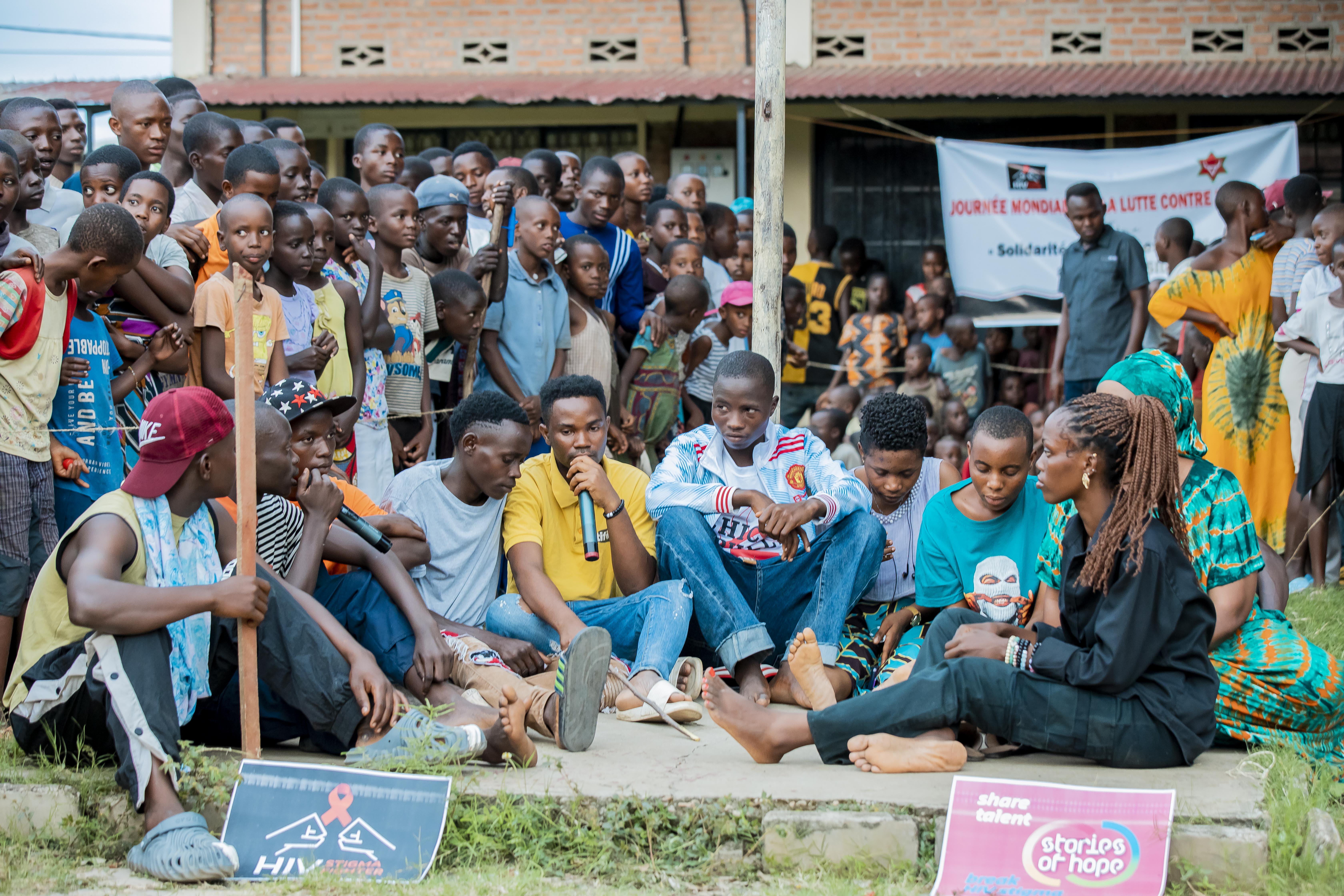
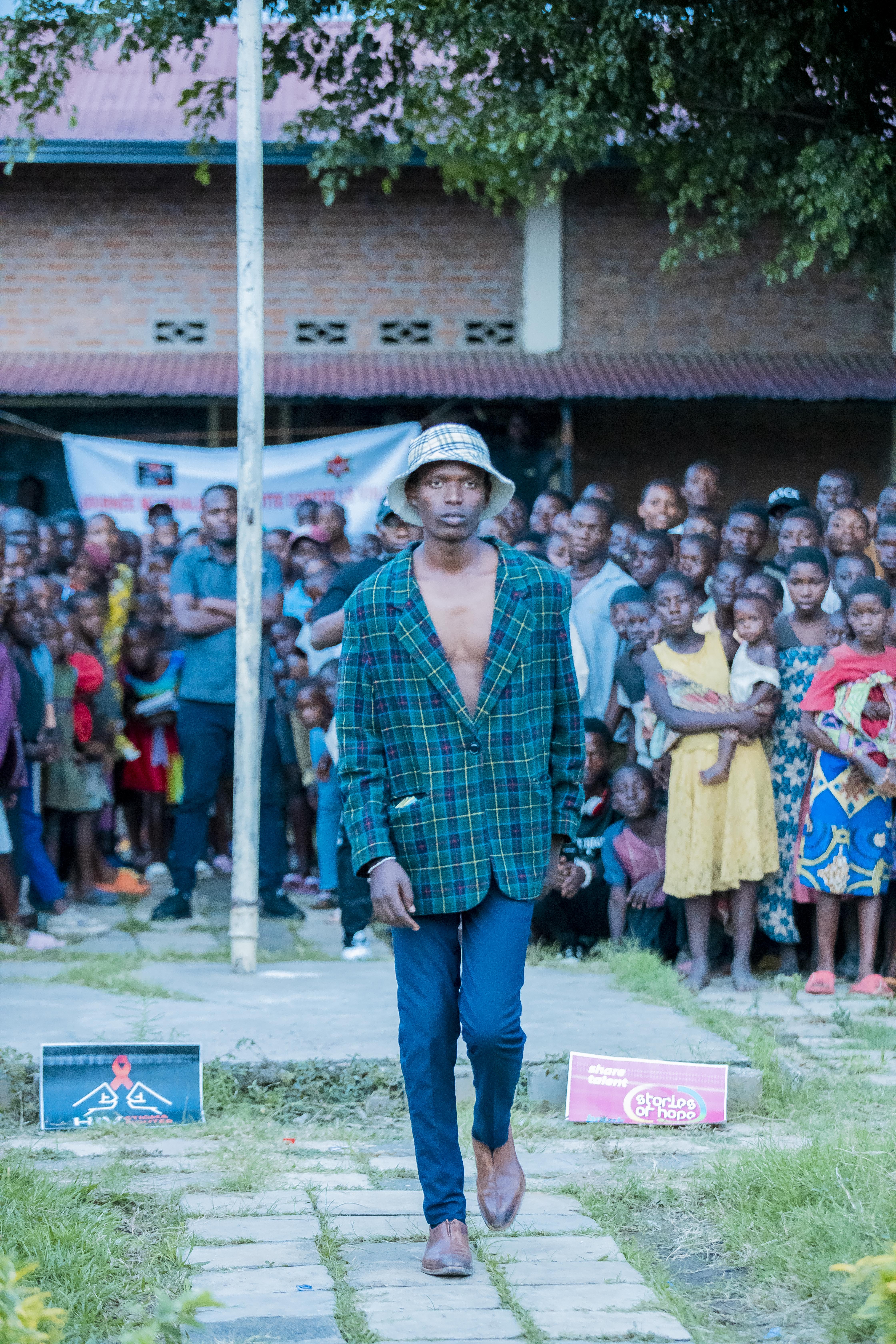
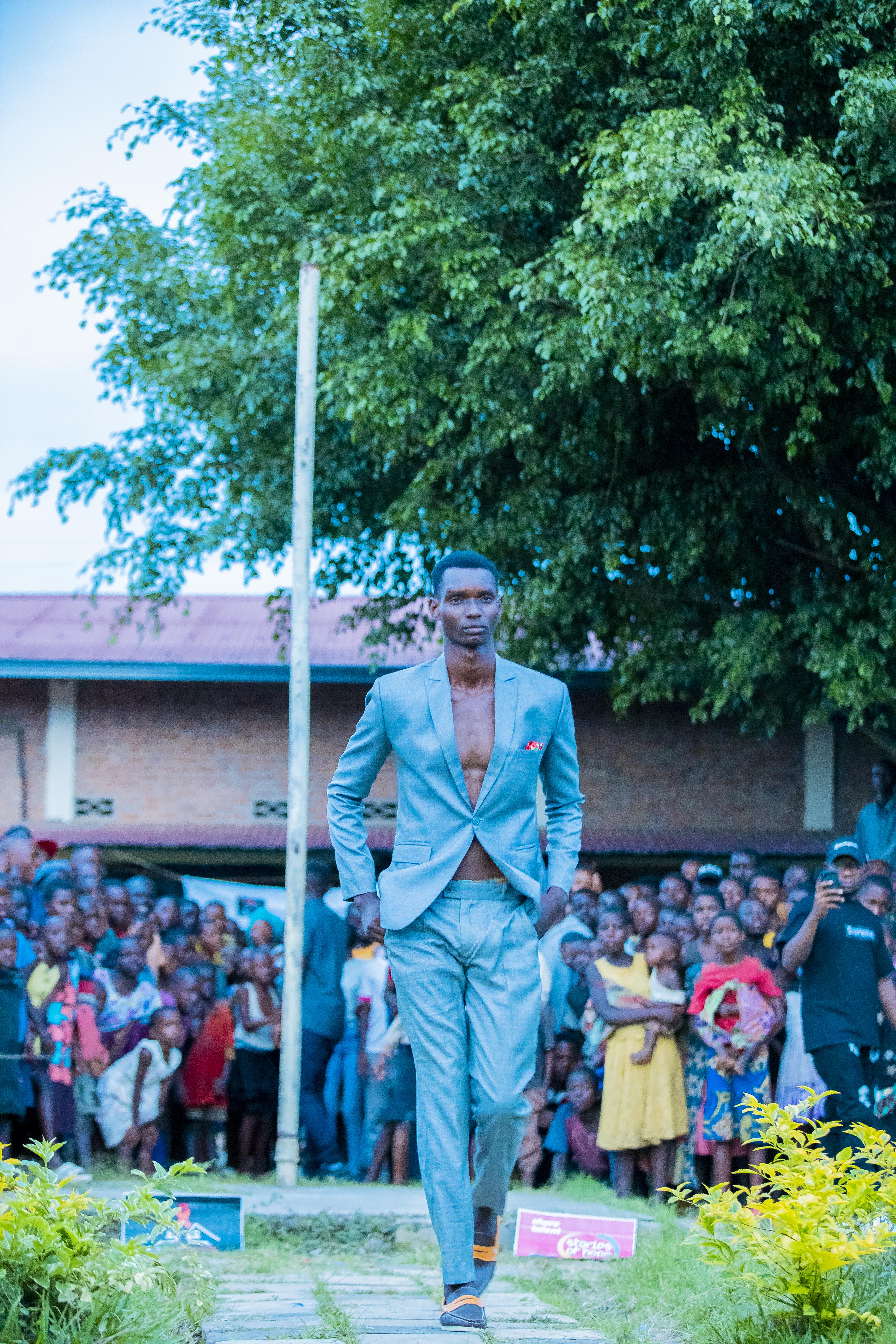
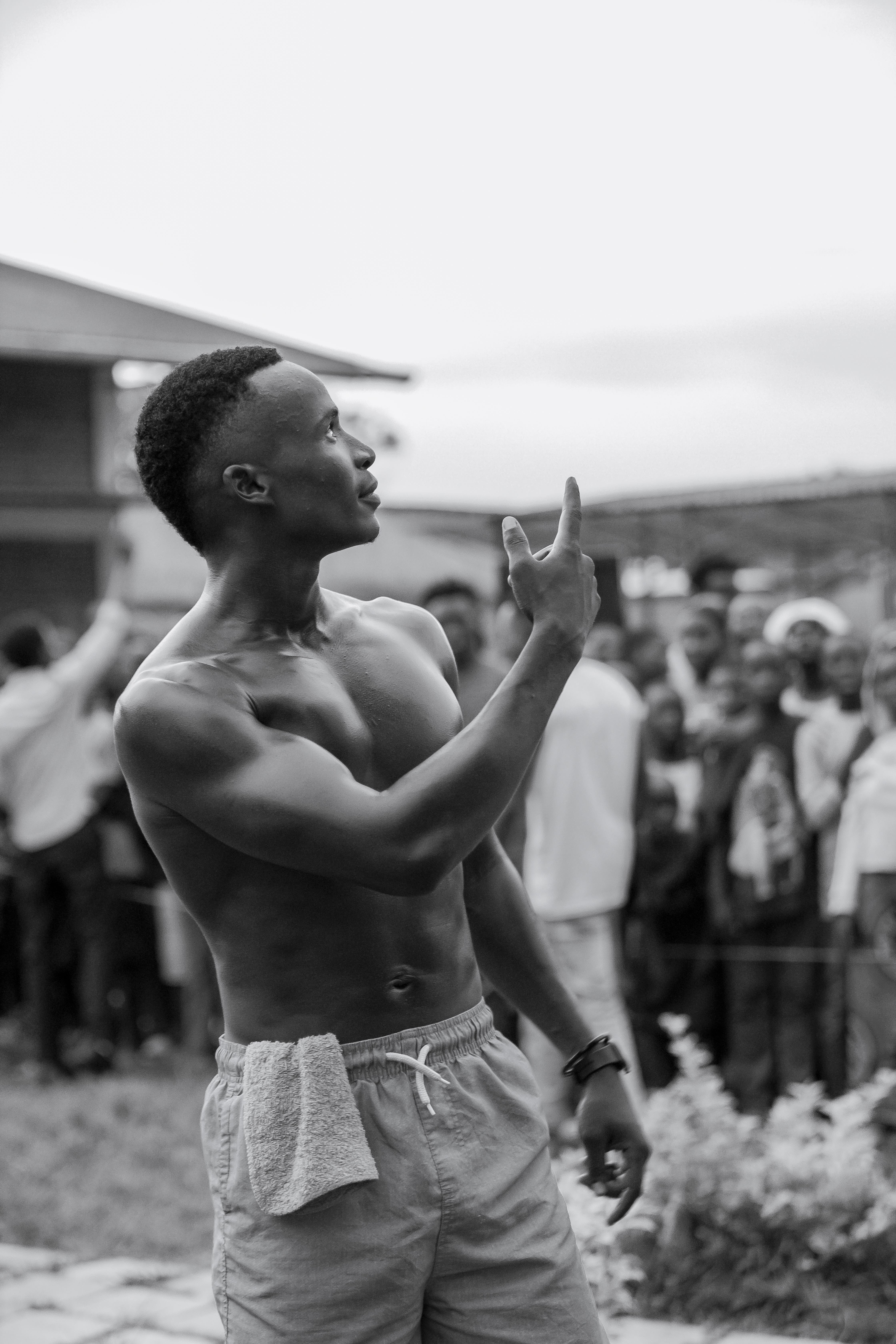
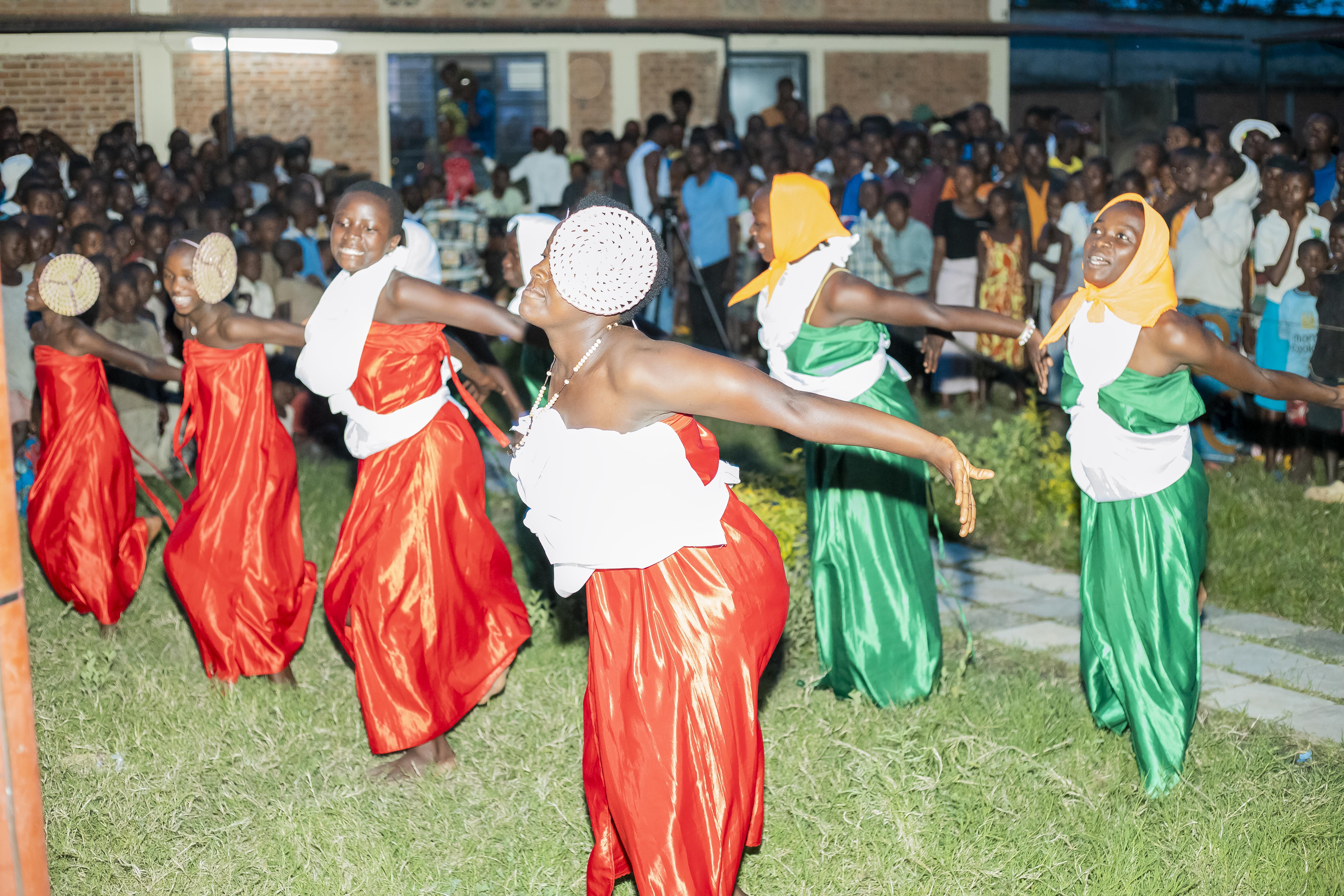
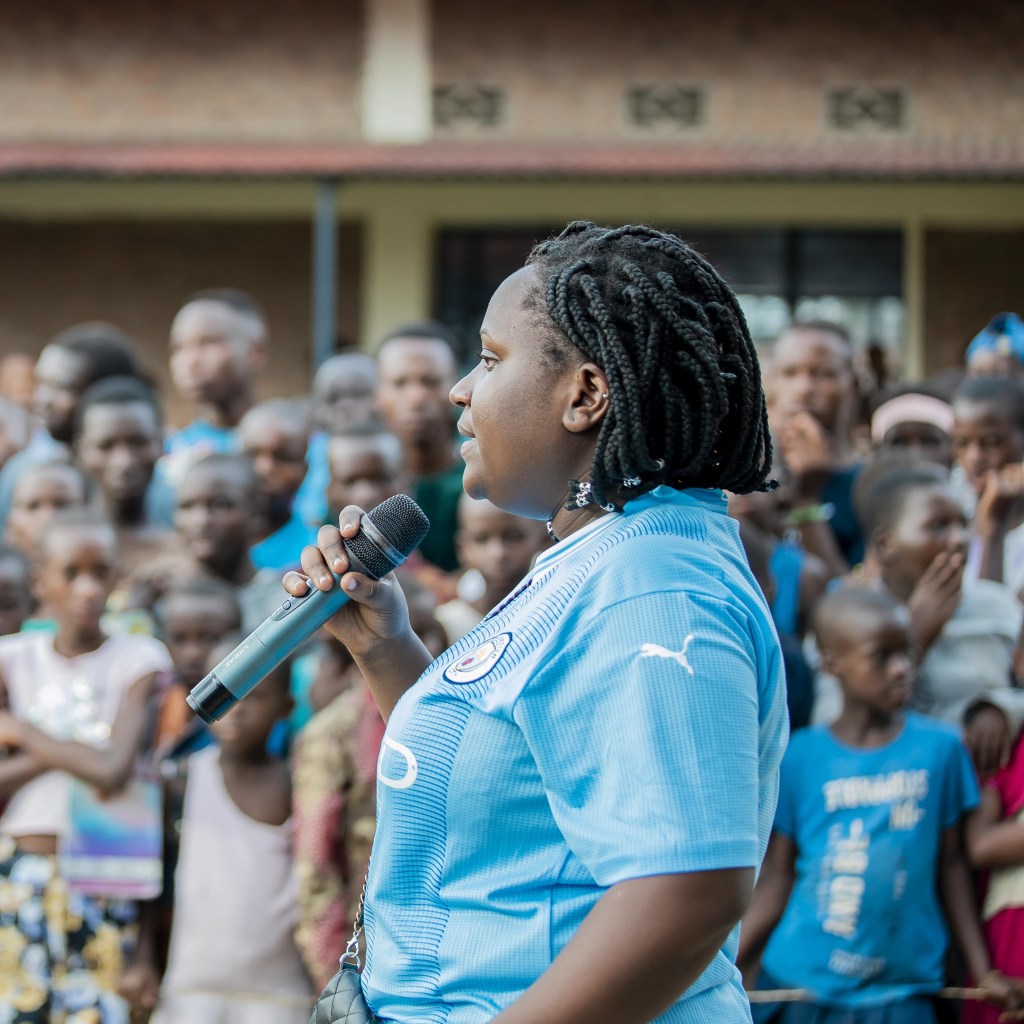
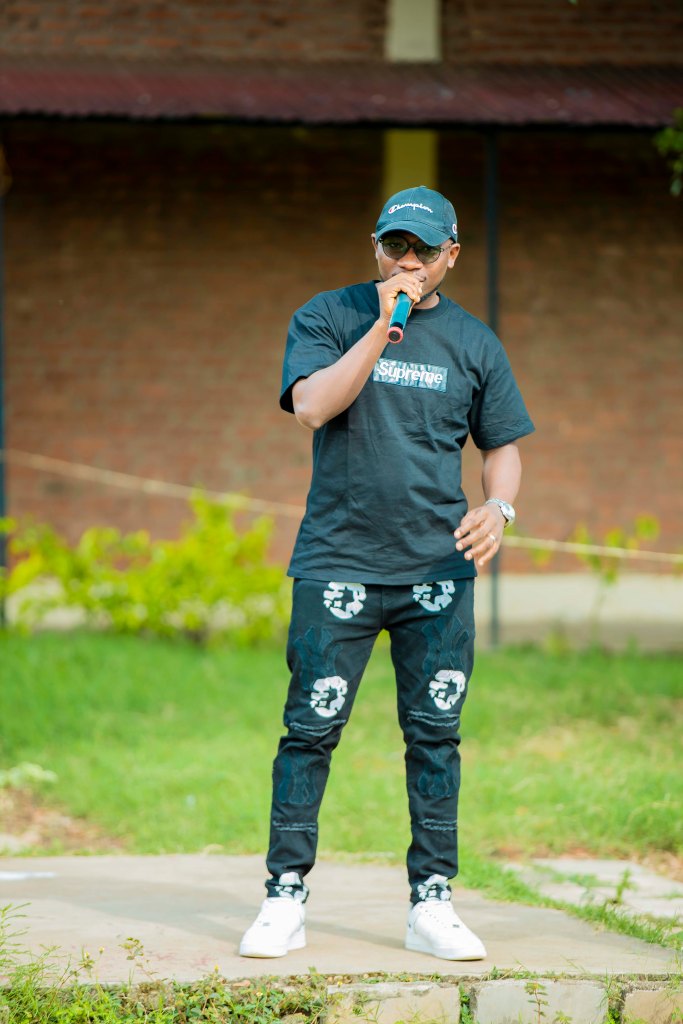
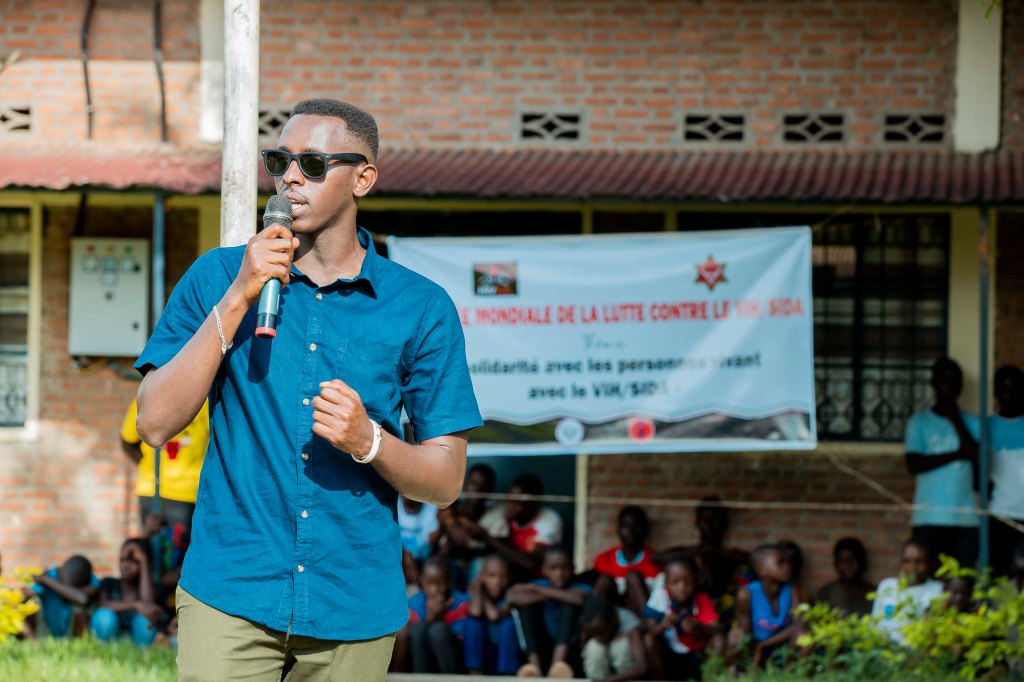
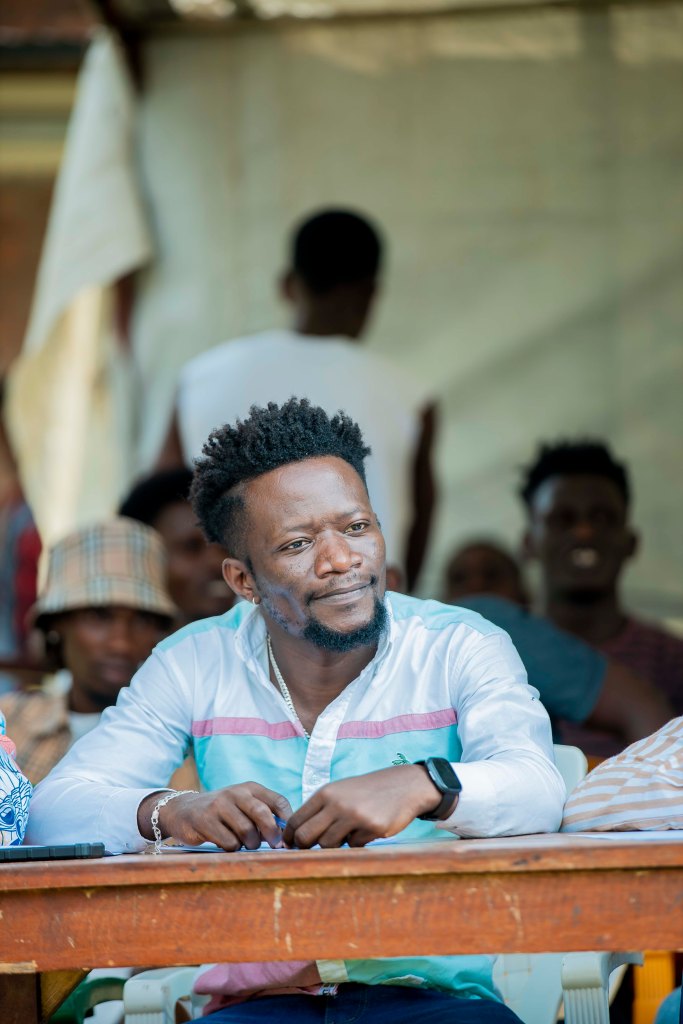
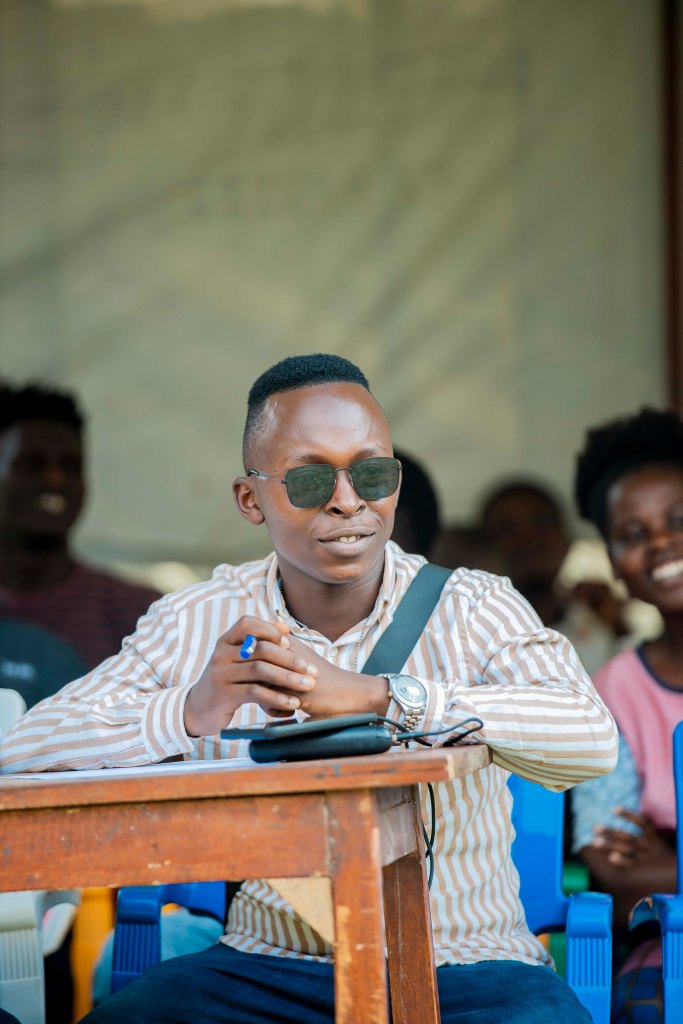
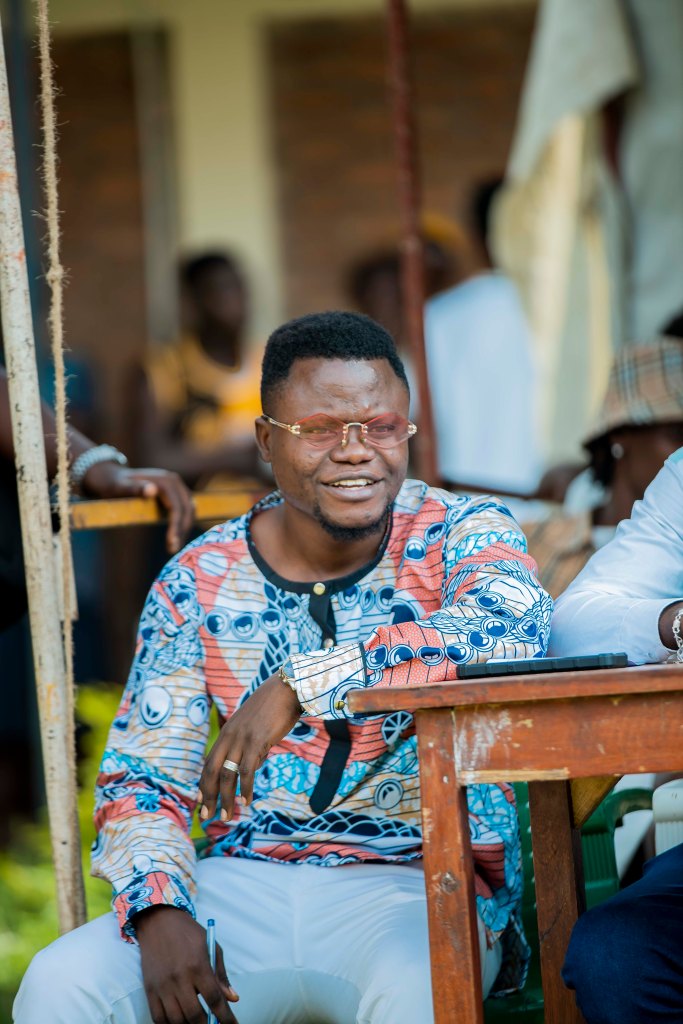
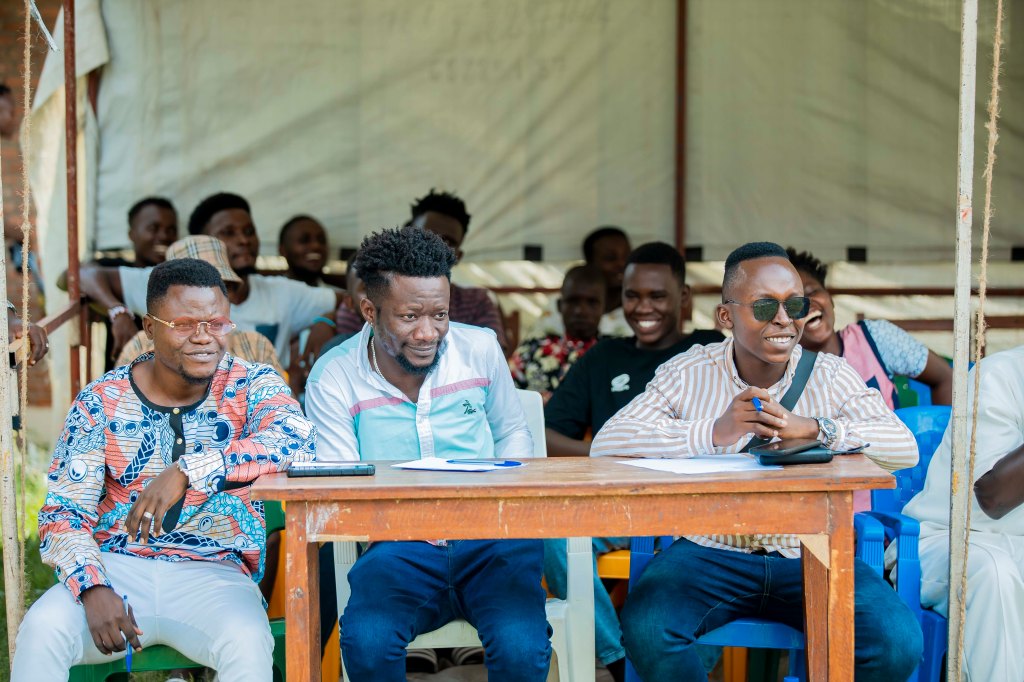
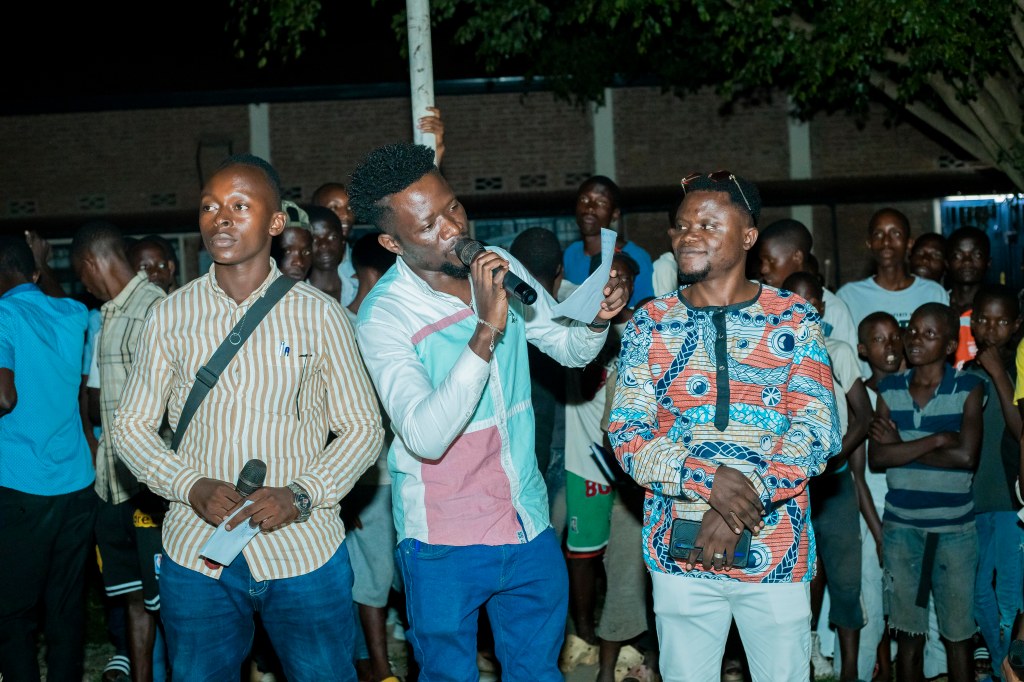
This fifth edition of the Gihanga Talent Show was about solidarity with people living with HIV. It was the most diverse ever as we opened the event for many differents categories; We saw young talents singing, performing modern and traditional dance, performing theater, and doing catwalks.

When I received the images of the event it made me emotional and I could not help myself to shed a tear of joy. Look at these images, there is so much young talent and there are so many young people enjoying the show in this tiny village in the heart of Africa!

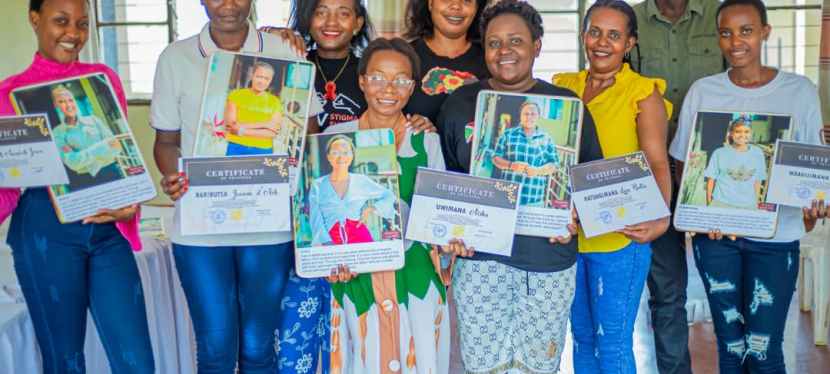
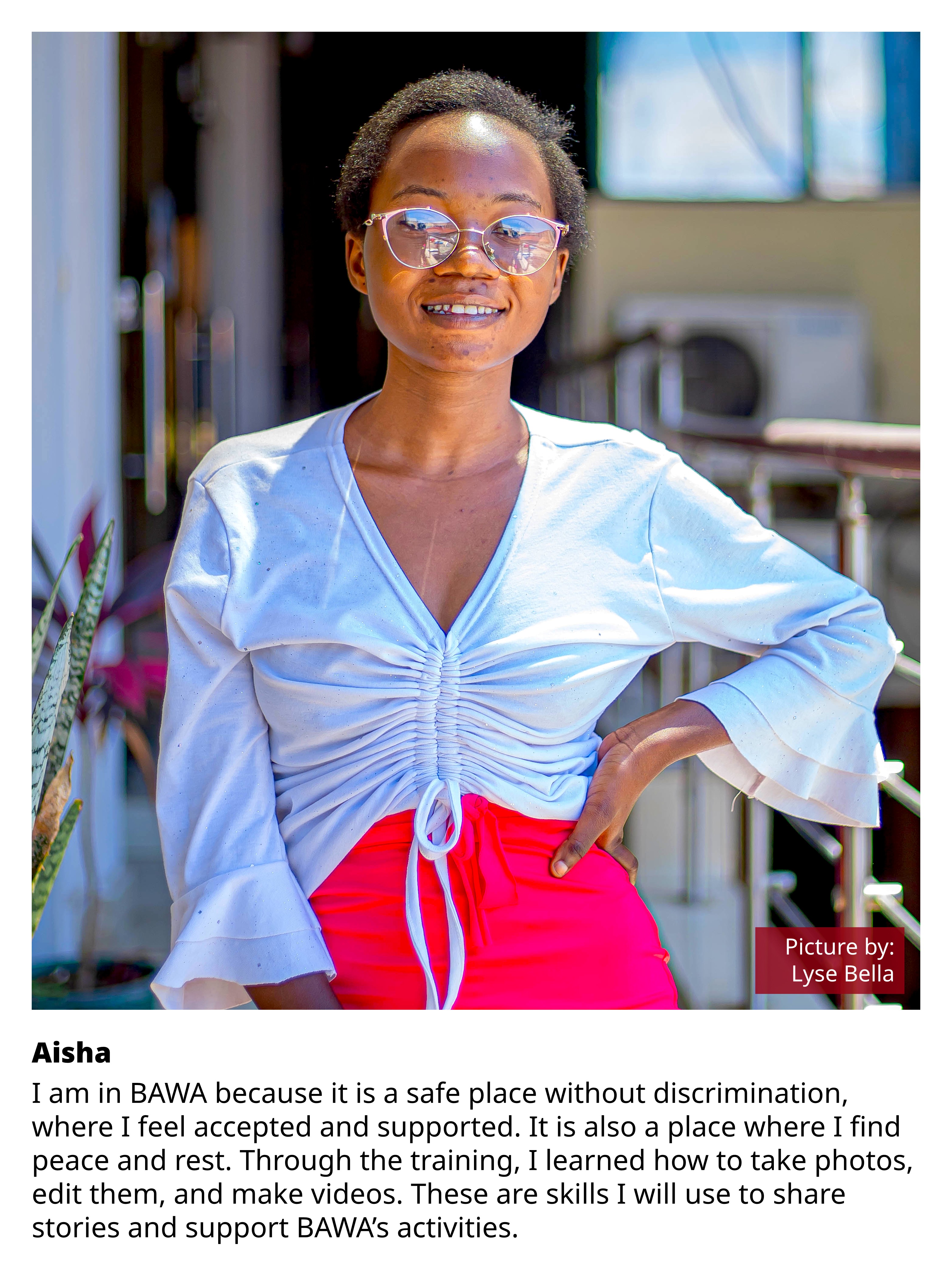
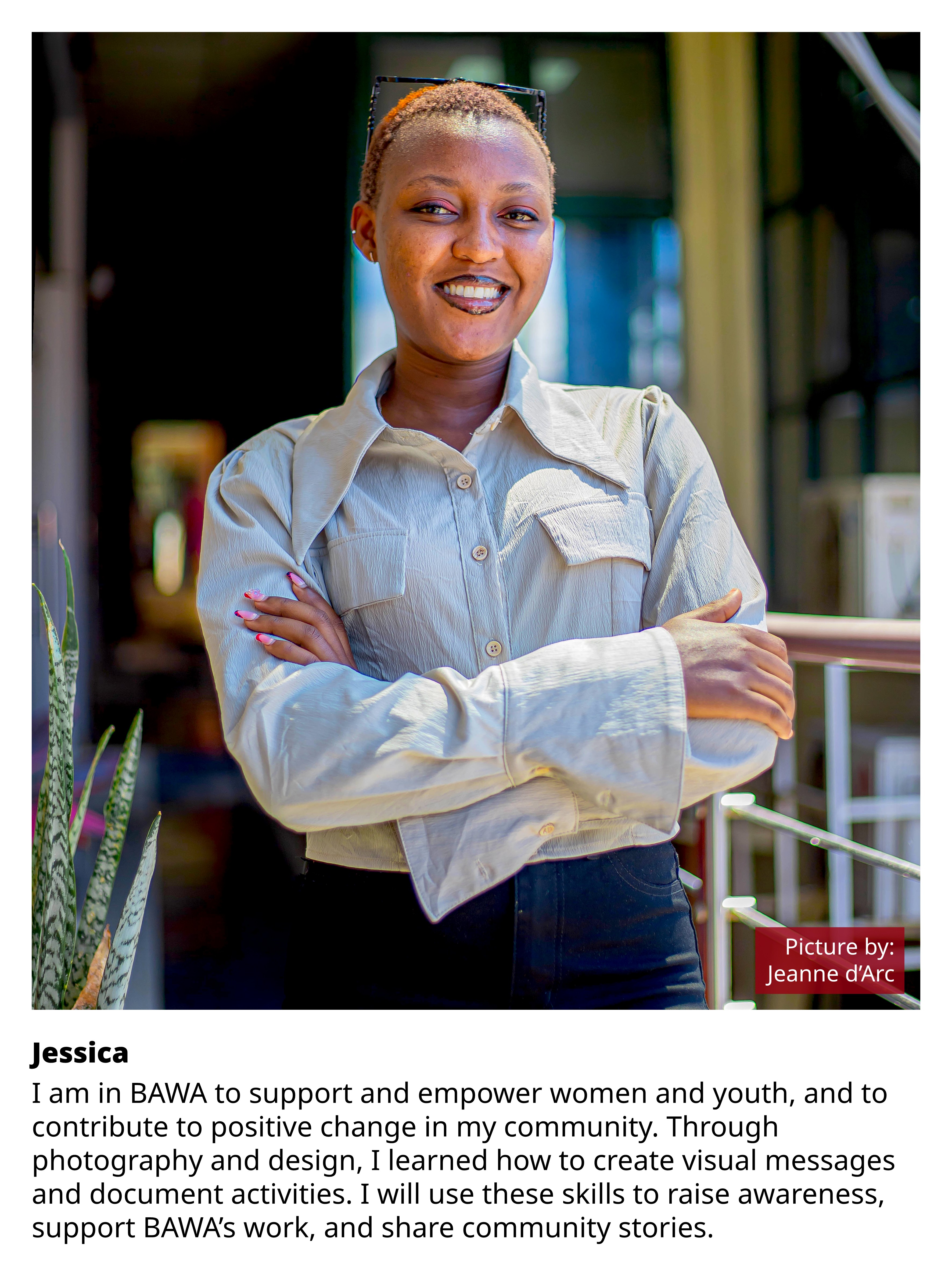
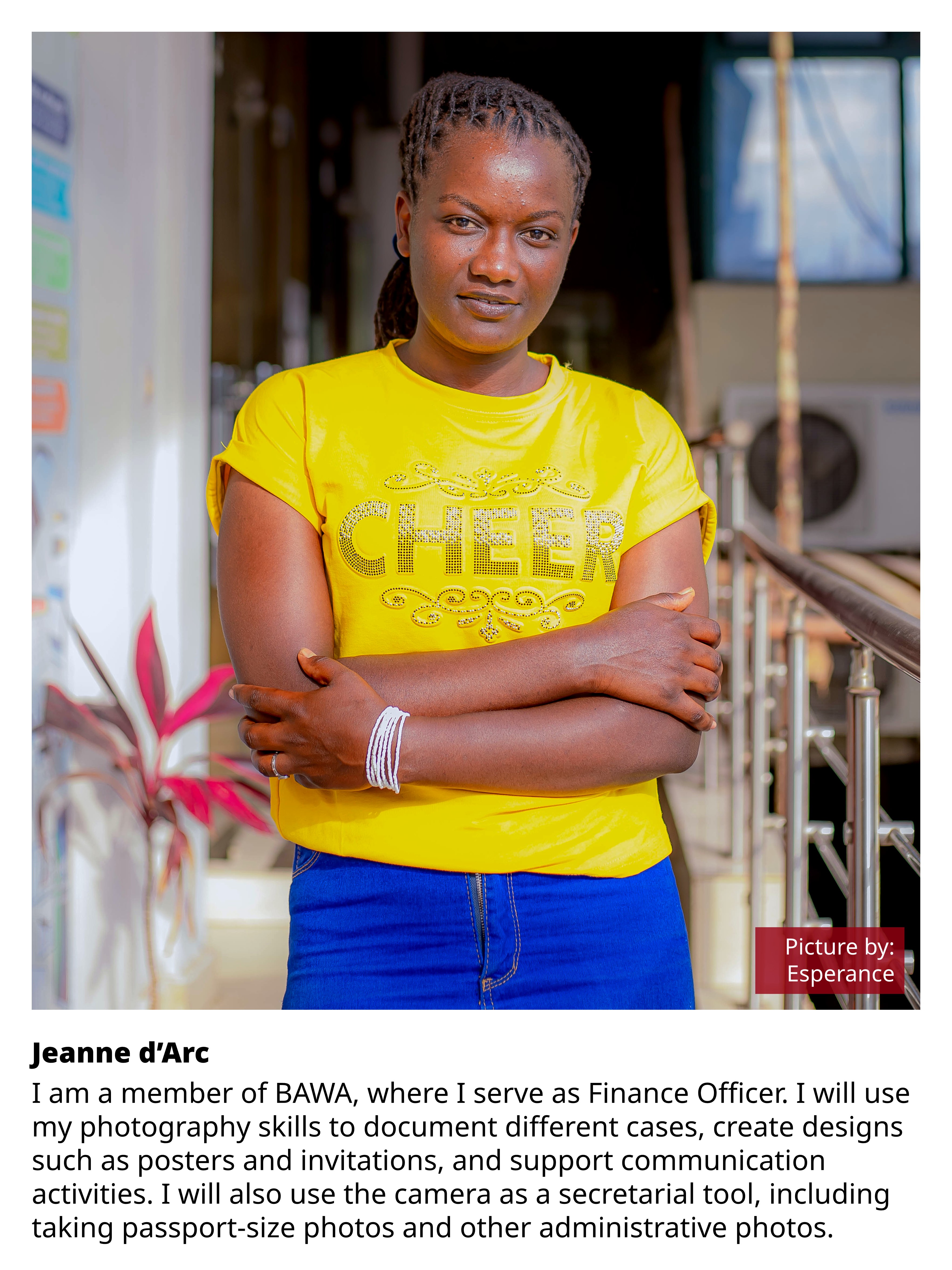
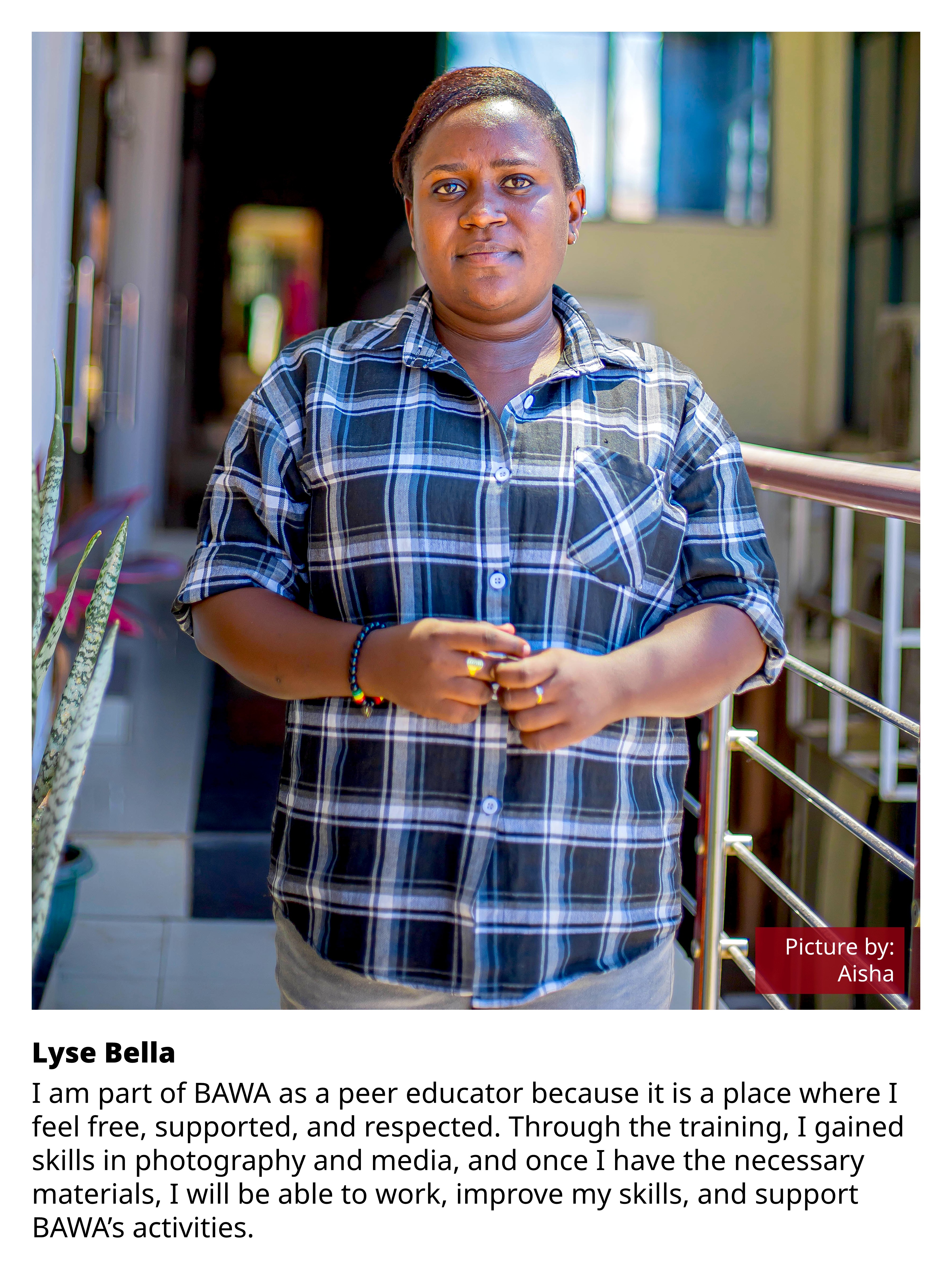
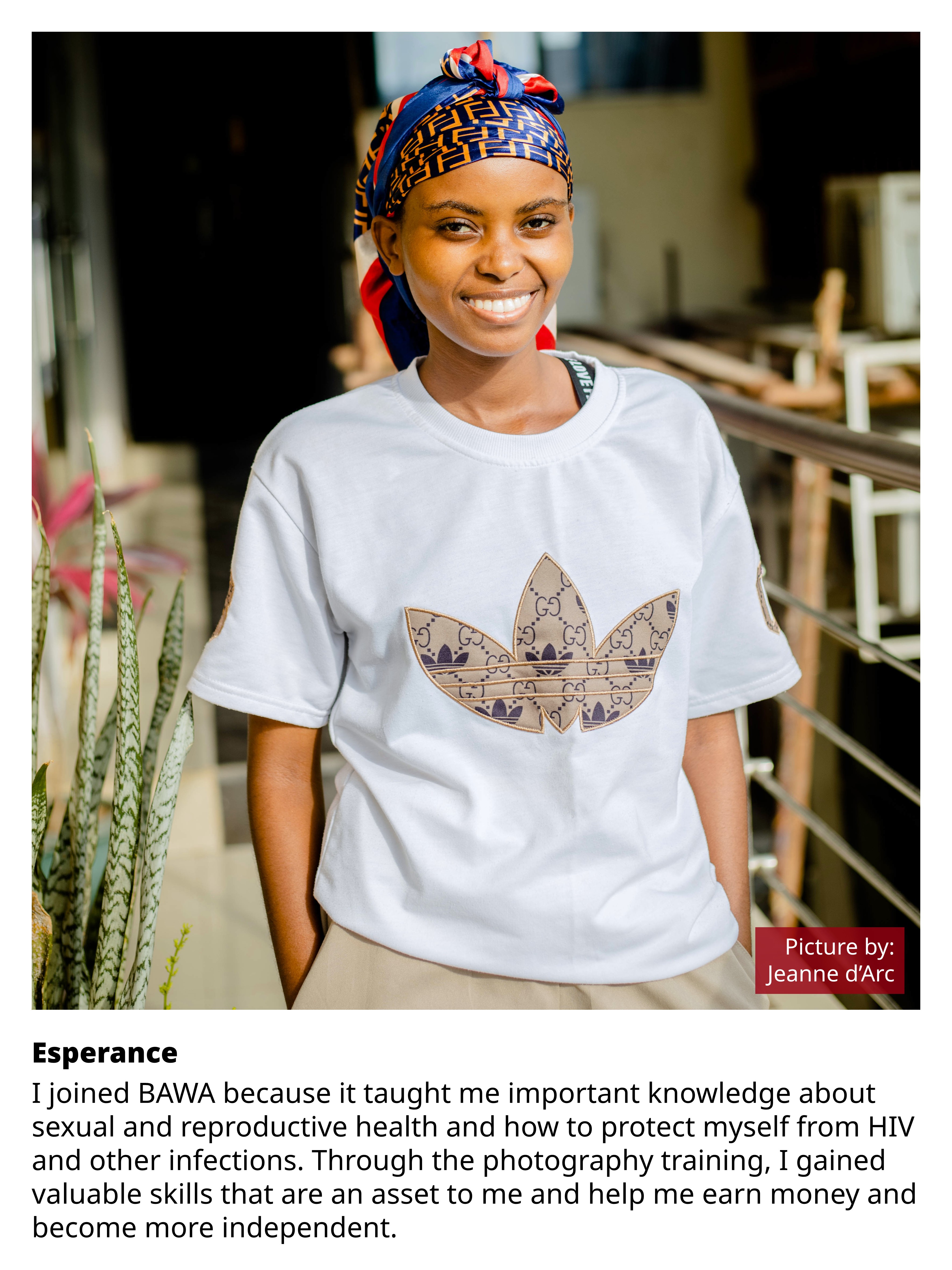
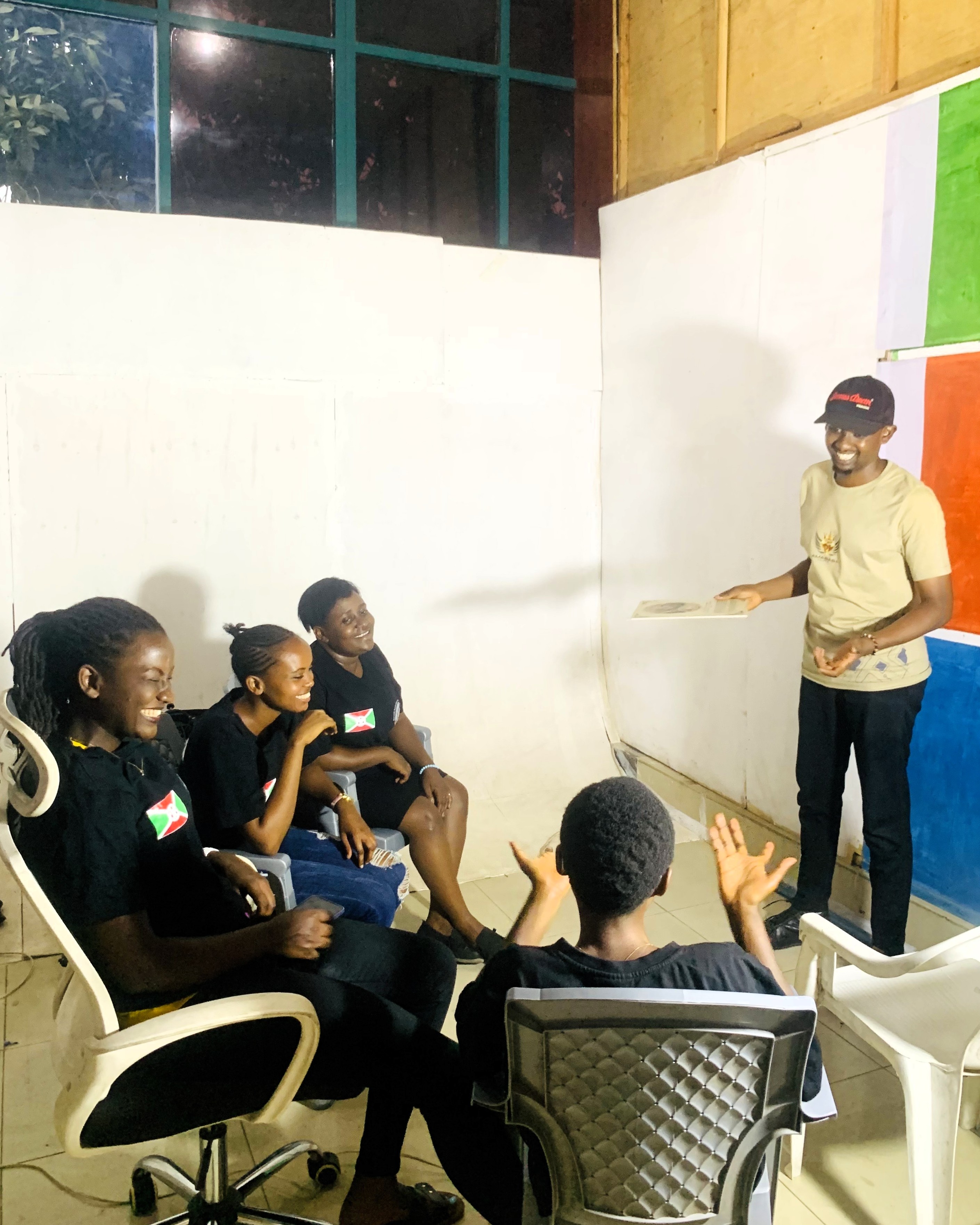
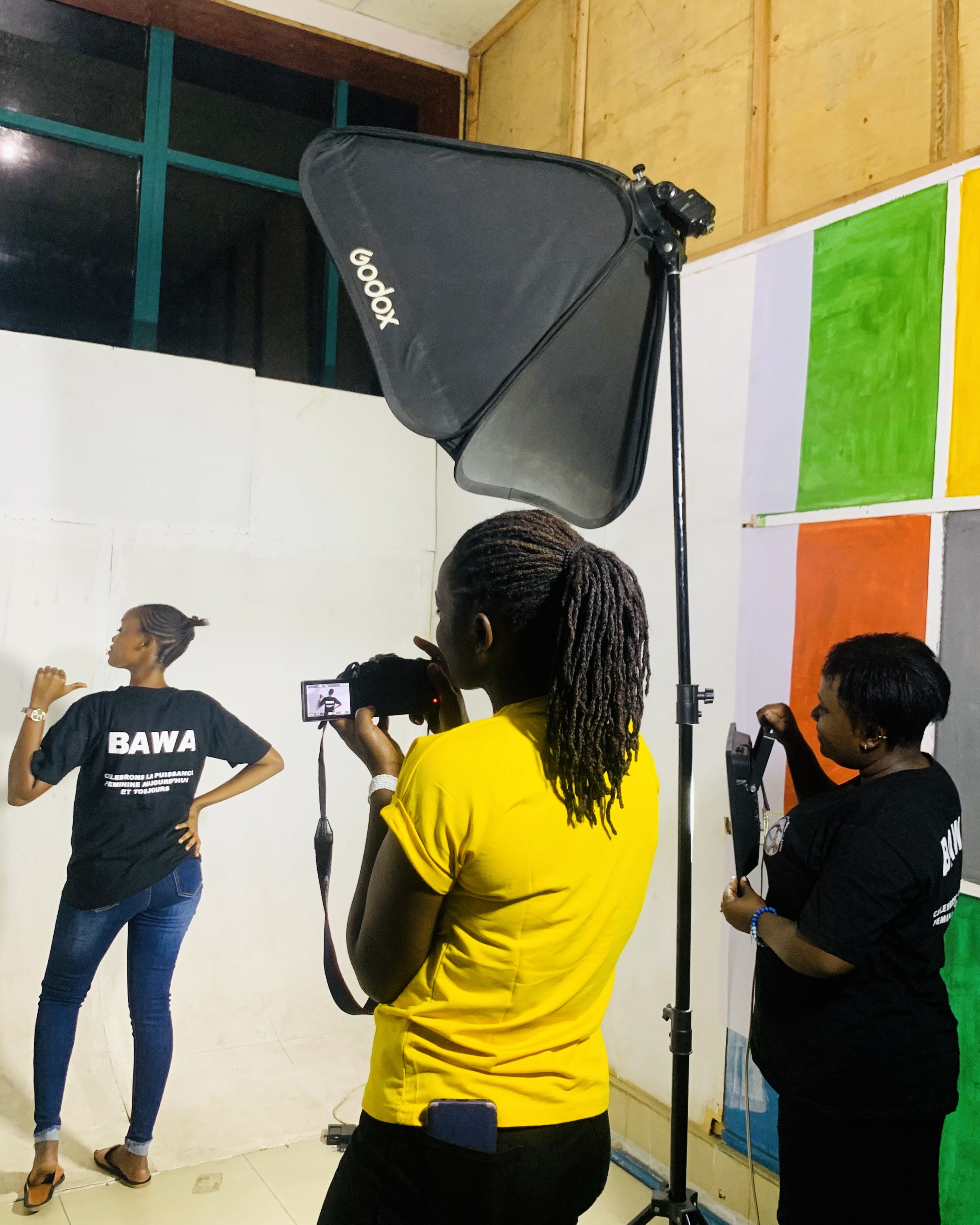
Lyse Bella from BAWA

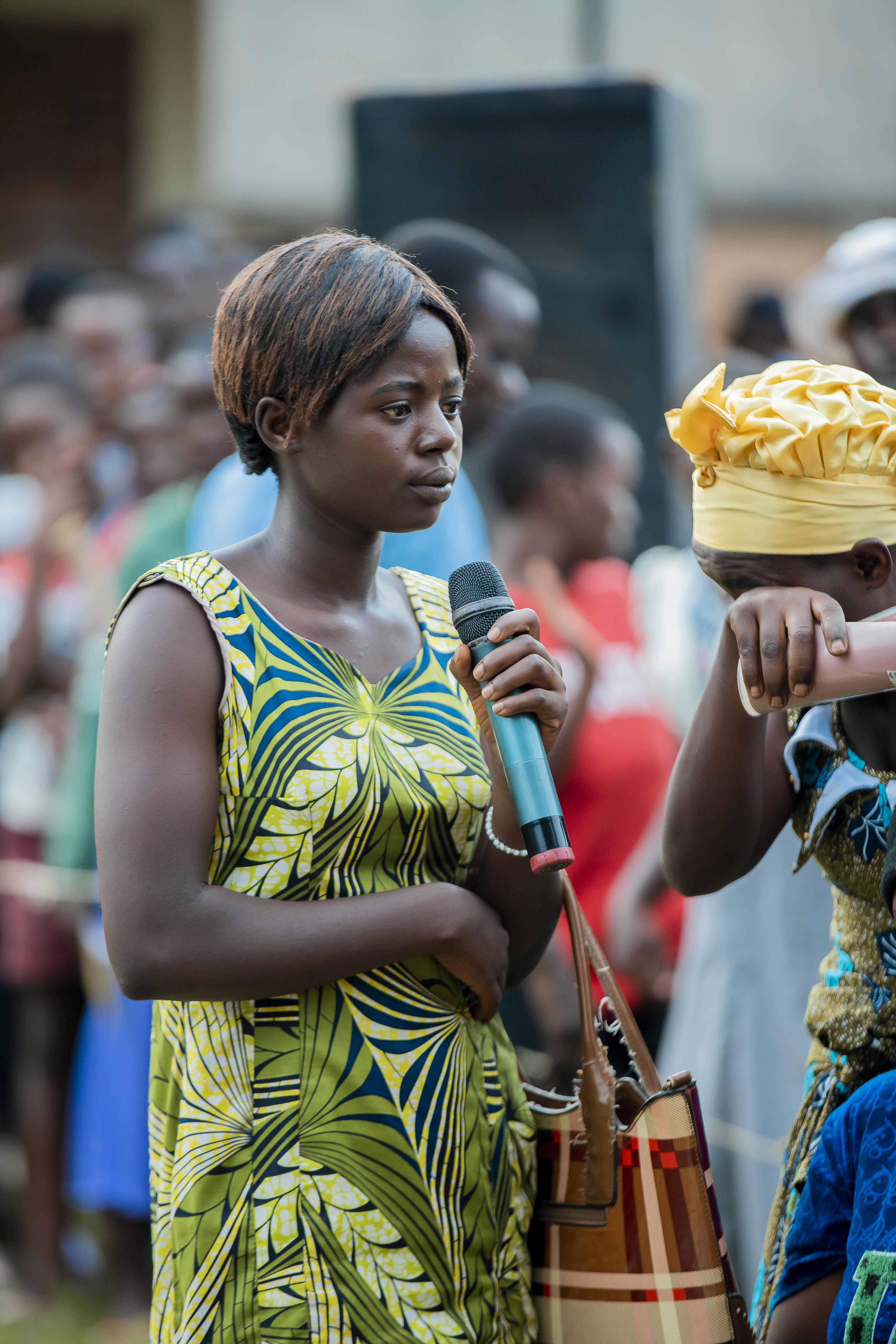
One of the most memorable moments of the event was when Lyse Bella, a young woman from the Burundian Association for Women in Action (BAWA), shared her story about living with HIV for the first time. She was very proud to answer so many questions from the audience and she got many compliments from young girls and boys. She stressed that it is very important to keep on education the young generation if we want to eradicate HIV and the stigma surrounding it.

Also during the event, Irene Kundubumwe from Inyambo STARS gave a talk about PrEP. The next day I heard a funny story about a few young boys that went to a Gihanga health official to ask for PrEP. He told them to first get tested so they can get a prescription from a doctor and then get PrEP for free. This shows how easy HIV awareness messages can be spread through these kind of events and that we should invest more in public events and HIV prevention services.

We are targeting a young generation. Combining arts, bringing joy to young people and fighting HIV stigma is a powerful combination. I am so proud of all 2024 Gihanga Talent Show winners  and all the other young talents who joined the event, your artistic contributions and messages on HIV stigma reduction are truly appreciated. Your presence and dedication shows that we, people living with HIV, are supported by our community.

My wish for the 6th edition of the Gihanga Talent Show is to include an HIV testing facility during the event, so that many people who want to do an HIV test can do it right way. Do you know that you can also help us out? A tiny contribution to the event can make a huge difference. This is really important locally-led HIV action which must be funded more!

Finally, I would like to thank the Inyambo STARS team, jury members MC Machad Enos PRO Akim Landry and MC Jerome Umutarambigwa, BAWA and PrEP educator Irene Kundubumwe for making the Gihanga Talent Show a memorable event on World AIDS Day 2024.

Peace,

Eliane

Equality in HIV response

My lovely people, how have you been? These days it feels very fashionable to talk about equality in HIV action in many parts of the world, including the Netherland. Lately I have been wondering if people, especially our HIV allies, understand what equality means to people living with HIV with a migrant background.

For me, equality is about the state of all people living with HIV being equal in status, representation, rights, and opportunities to prioritise, co-design and act upon addressing HIV-related issues. While we have made great strides towards empowering people living with HIV (PLWHIV) in places such as the Netherlands, PLWHIV with a migrant background continue to be hardly seen or heard. Let me take some time to explain why I believe there is no equality in HIV action yet in the Netherlands and what we can do to change this.

Every year around this time, statistics about HIV in the Netherlands are published in quite an excellent report. Already for years it is confirmed that about 42% of PLWHIV in the Netherlands have a migrant background. PLWHIV with an African background make up about 8% of the total.

I am not a data scientist, but these numbers tell me that there are over 8,300 PLWHIV with a migrant background in the Netherlands of which at least 1500 (!) people are from my beloved continent Africa. These numbers highlight the significant impact of HIV on migrant communities in the Netherlands and underscore the need for targeted and culturally appropriate support for us, PLWHIV with a migrant background.

So, now let me move on to what is being done by and for them here in the Netherlands. Considering we are well represented in the statistics over the past many years and to stay on topic, namely equality in HIV action, you would expect we deserve quite some attention from our HIV allies in the Netherlands HIV community, right?

So far I have observed that, despite some efforts made to reach out to PLWHIV with a migrant background, we remain largely unheard in the Netherlands HIV community. In fact, this was recently acknowledged by the Netherlands HIV association, one of the ‘big five’ organisations in the National HIV alliance, who stated that one of their aims for 2025 is to improve their engagement with people they haven’t engaged with sufficiently, including people living with a migrant background.

Yes, our faces and stories are always there in the glossy magazines made by some of the big five, we are always mobilised to appear on stage at big HIV-related events, and we are pampered at nice retreats organised for us. But in the end what matters is how many of us are holding positions of power in these organisations. After all they are the recepients of considerable funding from sister NGOs, government institutions, private donors and big Pharma. And unfortunately, money translates into power and responsibility.

So, I challenge the big five and others, how many of us are empowered to push the priorities of PLWHIV with a migrant background into strategies and workplans, decide upon the means needed to take culturally appropriate HIV action, and work with us on migrant-lead HIV actions? Are we equally represented in the operational centers and boardrooms of the big five? From what I can see it is not even close to 42%…

May this be driven by stereotyping of people with a migrant background, including belief that we are not capable to actively co-lead change in the Netherlands HIV community? Sure, some of us take part in these organisations and manage to influence the agenda for PLWHIV with a migrant background in the Netherlands. Yet, if we represent 42% of the total population living with HIV in the Netherlands, then don’t we deserve a bigger say about what should happen in our Netherlands HIV community?

I firmly believe we deserve more equality. To eliminate this, let us instill a “Change we can believe in” attitude such during the Obama campaigning days in 2008. And let us draw inspiration from an organisations such as the Africa Advocacy Foundation (AAF) playing such an inspiring role in the UK HIV community. They are a community-led initiative aiming to equip diaspora communities and marginalised people with the tools they need to find better health, safety, prosperity and opportunity to lead fulfilling and happy lives.

I am very inspired by an AAF initiative called Community Axis for Sexual Health. “CASH aims to engage Black communities in HIV awareness, prevention, testing and treatment. Management of HIV risk is not restricted to PLWHIV and includes those who are HIV negative but identified as being at higher risk of exposure to HIV. More broadly, the aim of the service is to tackle the stigma surrounding HIV and the barriers to engaging with HIV testing, treatment and prevention services experienced by Black communities”.

Comparing to AAF’s CASH programme, we are lagging far behind in the Netherlands. I admire how outspoken AAF is about the huge need to reach PLWHIV with a migrant background and how they take action by designing migrant-centered services that are culturally appropriate whilst making sure these are delivered by people with a migrant background.

I applaud their courage to stand up for the needs of PLWHIV with a migrant background and my dream is that one day we will be at a point in the Netherlands where we also have a Movement led by people with a migrant background that represents both the needs of our 42% of the HIV community as well as for people with a migrant background that are HIV negative.

In the beginning I mentioned the importance of ensuring equality across the Netherlands HIV landscape. We need change in so many ways: In the way the big five organise themselves to ensure people with a migrant background are better represented, the way PLWHIV with a migrant background are given opportunities to lead HIV action, and the way healthcare providers deliver culturally appropriate services for PLWHIV with a migrant background.

These changes can only come if people who are currently dominating our HIV community see us as equals, if they listen to our needs and wants, if they share power and resources with us, and if they provide more space in the HIV community for us. If we keep being seen as recipients of aid instead of equals in our fight against HIV, then some battles against HIV may be won but we shall never be victorious!

We have been ready for a long time, are you ready to join us?

Peace, Eliane

P.S. do you recognise these faces from the Netherlands HIV community? They have all appeared in over a decade of glossy magazines on HIV, so I made a collage of them as a reminder of our precious community. Some of them are not with us any more in our fight against HIV, let us remember them for always. Now let’s bring equality for PLWHIV with a migrant background!

PrEP awareness week

Did you know that 21-27 October is PrEP awareness week? We all know that PrEP is an important way to prevent HIV, but did you know that PrEP is for all ages? Whether you’re younger or older, single or partnered, career-focused or retired, exploring your sexuality, or simply enjoying sexual pleasure – PrEP is for people of all ages and in all phases of life experiences.

Already since 2018 I have been raising awareness on PrEP and advocating for PrEP access as a way to fight HIV. So, let’s celebrate and look back at how I have been able to contribute to improving PrEP access.

Together with BAWA (Burundian Association for Women in Action), we develop and provide PrEP training to vulnerable young women in Burundi.

Community work is important for me. Therefore, as a PrEP Volunteer I support important grassroots organisations such as Sensoa and PrEPNu to amplify their message on PrEP access.

At the global stage I am not afraid to speak out as an HIV activist and advocate for PrEP access. Here I am at the European AIDS conference to speak out on PrEP diversity.

My passion as an artist allows me to reach young people of the queer communitry through my HIV dragtivism. Here you see me on stage at Superball 2024, the biggest dragball of Europe.

Lastly, as a connector I make sure that grassroots organisation such as SHARE Korea are being heard at the global stage and can connect to other HIV community actors and share experiences on PrEP access.

There are so many ways you can contribute to beating HIV in your local community! It is important to keep empowering local communities with knowledge on preventive approaches such as PrEP.

PrEP truly redefines what it means to take ownership of your health. So this week my message is simple – PrEP diversity stands for ensuring that we increase the right to PrEP access for everyone that needs it, no matter what season of life you’re in.

PrEP is essential to end the HIV epidemic. I am proudly contributing to PrEP diversity in my different roles. What have you done to ensure PrEP access in your community?

Peace,

Eliane

Connected communities

As many of you know, I always like to show my passion of fighting HIV stigma through many different talents. On the 13th of september it was time for me to express myself as a HIV artivist as I was invited to join a very special celebration of ‘Projekt Afrikaherz’ based in Berlin, Germany.

Already for 25 (!) years Afrikaherz (‘African Heart’) is fighting to improve access to health services for African migrants, with a focus on HIV/AIDS as overall there is limited access to health care, especially for migrants without formal residence status.

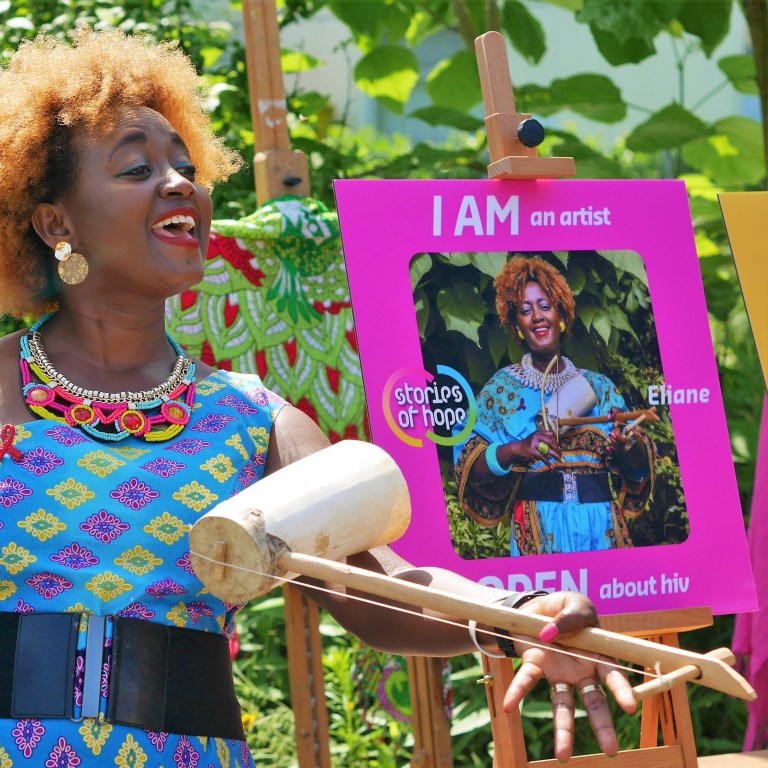
I was excited to meet other people from the African community living in vibrant Berlin and to share my passion for African music making, playing my indonongo instrument, singing and dancing with them. Helping to make sure they have an unforgettable experience so they can recharge in their fight against HIV stigma in their local HIV communities.

There were so many HIV-related issues to cover during this marvelous event. History has shown that when we are fighting for our right, we should not give up so easily, no matter how hard things are. I learned that especially in the beginning Afrikaherz went through a hard time with a lot of rejections and disinterest by the health system in Berlin. However, they persevered and through their hard work and insistence, gradually they were able to create a solid name in health & HIV response, also making sure to address the stigma surrounding those living with or affected by HIV and AIDS.

Listening to testimonies of fellow members of the African community in Europe, I realised that eventually they managed to navigate their journey through the German HIV and healthcare system, even if it took them 25 years to make that journey easier for people with an African background in Berlin. They did not give up! This is a truly great achievement worthy of celebration.

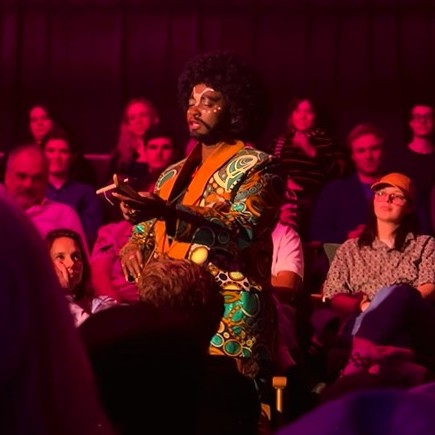
After these speeches I was invited to share my personal experience of living 21 years with HIV. I call this urugendo which means life journey. Those of you that know me longer may have already seen me perform urugendo, it is a fun way for me to share my ups and downs and highlight the work I am doing to improve access to health & HIV care and fighting HIV stigma. By the way, if you don’t know urugendo, contact me, I am happy to perform it for you one day 🙂

Immediately after my performance I joined the stage for a panel discussion with fellow HIV activist from Germany Lilian Petry from Deutsche Aidshilfe, Elizabeth Beloe from Federal Association of Migrant Organizations and Susanna Kahlefeld from the Green Party. For me a question that intrigued me was the one about the future of Afrikaherz in 10 years from now. My wish for them is to be able to connect even more with other local HIV organisations and health services in other states in Germany, and even reaching out to organisations in surrounding countries such as those in the Netherlands. Because we all know that the African migrant community is very well connected throughout the whole of Europe and the rest of the World. Organisations such as Afrikaherz are essential to bring positive messages to the African community about access to health & HIV care and fighting HIV stigma. And their message will be so much more powerful if it is amplified to people with a migrant background in the other 15 states of Germany, the Netherlands and other countries. Connected we are stronger!

During the course of the event I realised that there is something we still lack a lot both in Germany and the Netherlands and we must address urgently; When we talk about HIV prevention, PrEP awareness and access must also be actively promoted in migrant communities! While here in the Netherlands great work is done by organisations such as PrEPnu, with a particular focus on Men who have Sex with Men (MSM), and while Afrikaherz does promote the use of condoms, African migrant communities are still left behind when it comes to PrEP. The harsh reality is that there are way too few organisations in our HIV community that are actively promoting PrEP access. So, how can African migrant communities know about PrEP? I cannot repeat often enough how important it is that we take more co-ordinated action to ensure PrEP access for key and high-priority populations.

Rosaline M’Bayo

We will not end HIV and AIDS when we continue ignoring African migrant populations in countries such as the Netherlands and Germany. They have equal rights to good healthcare and HIV prevention services while tailored to their specific needs. Please learn from the example that Rosaline M’Bayo and Stephen Amoa from Afrikaherz are setting and make sure they receive the support needed to do their health & HIV outreach for the African migrant community in Germany!

Back to sharing urugendo and some tunes on my indonongo, I got a lot of positive compliments. People told me that my HIV journey and music inspired them, and that I am a powerwoman. Who doesn’t like receiving such beautiful compliments at times? For me the biggest reward was to connect with people from the migrant community and their HIV allies. I am so proud to listen to their inspiring stories to fight HIV stigma.

Through every connection we realise and cherish, we will make our HIV community stronger. Together we will win our fight against HIV and AIDS!

Peace,

Eliane