Invest in women

My lovely people how have you been? I was visiting my beloved country in January and part of February this year. While visiting many places and interacting with many people, I realized the incredibly important place that women have in Burundian society.

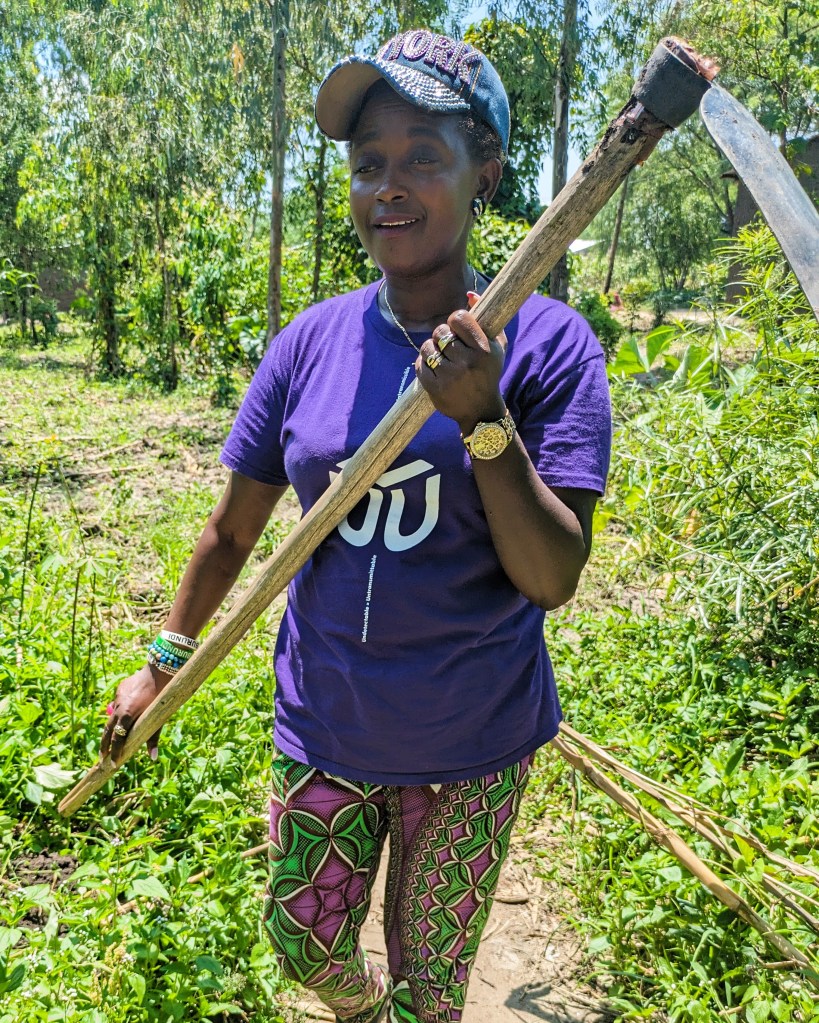
We contribute so much to society; Early morning, even before breakfast time, women can already be found on the lands as farmers and when they are finished they will be making breakfast for their family. Just imagine, while for many of us the day hasn’t even started, many women in Burundi have already worked for three hours or more!

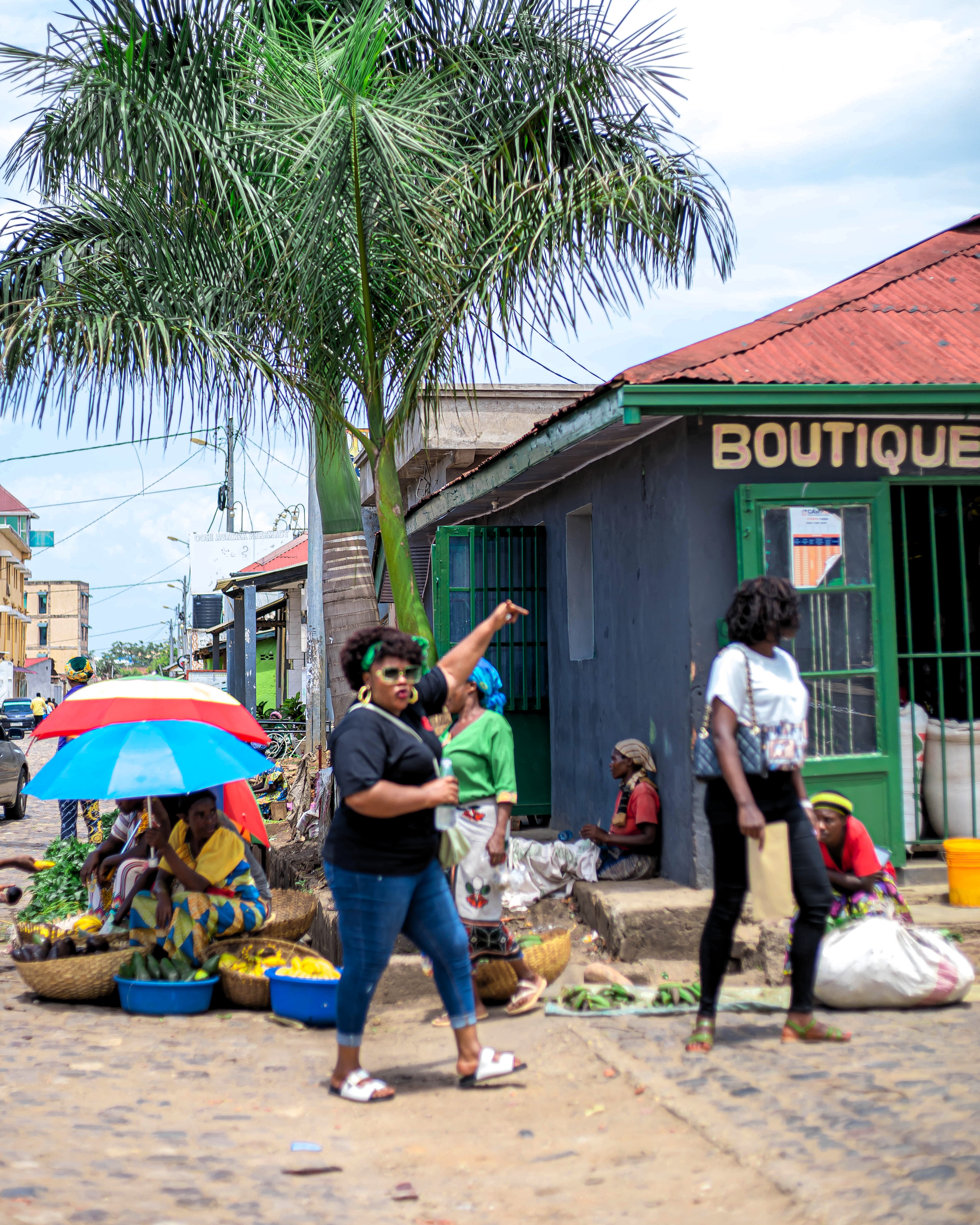
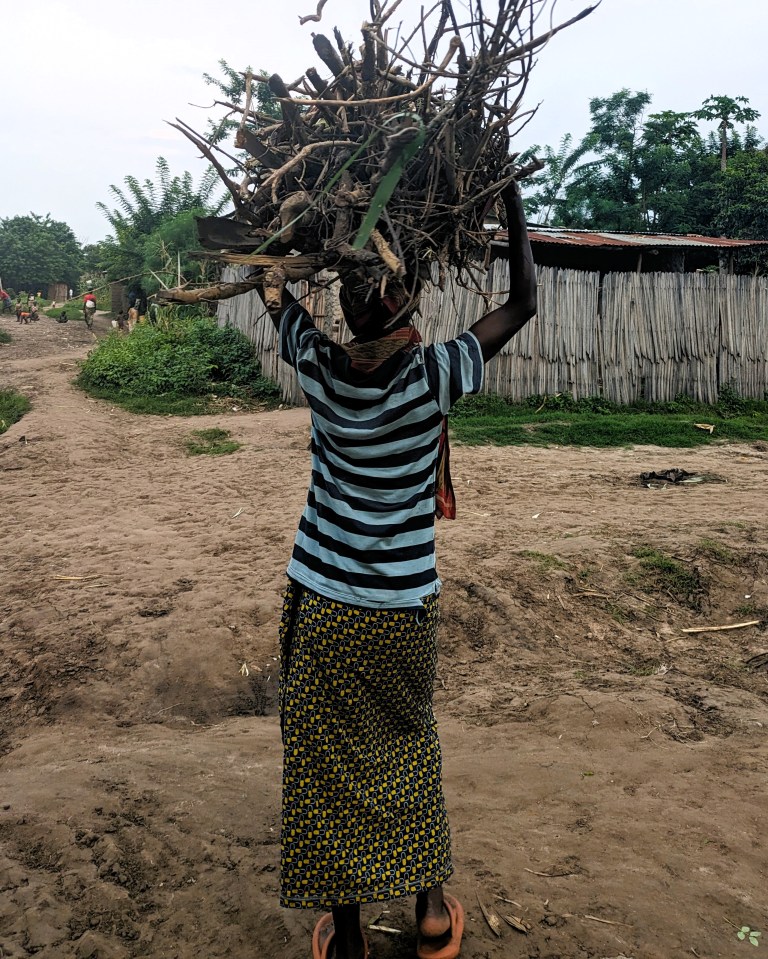
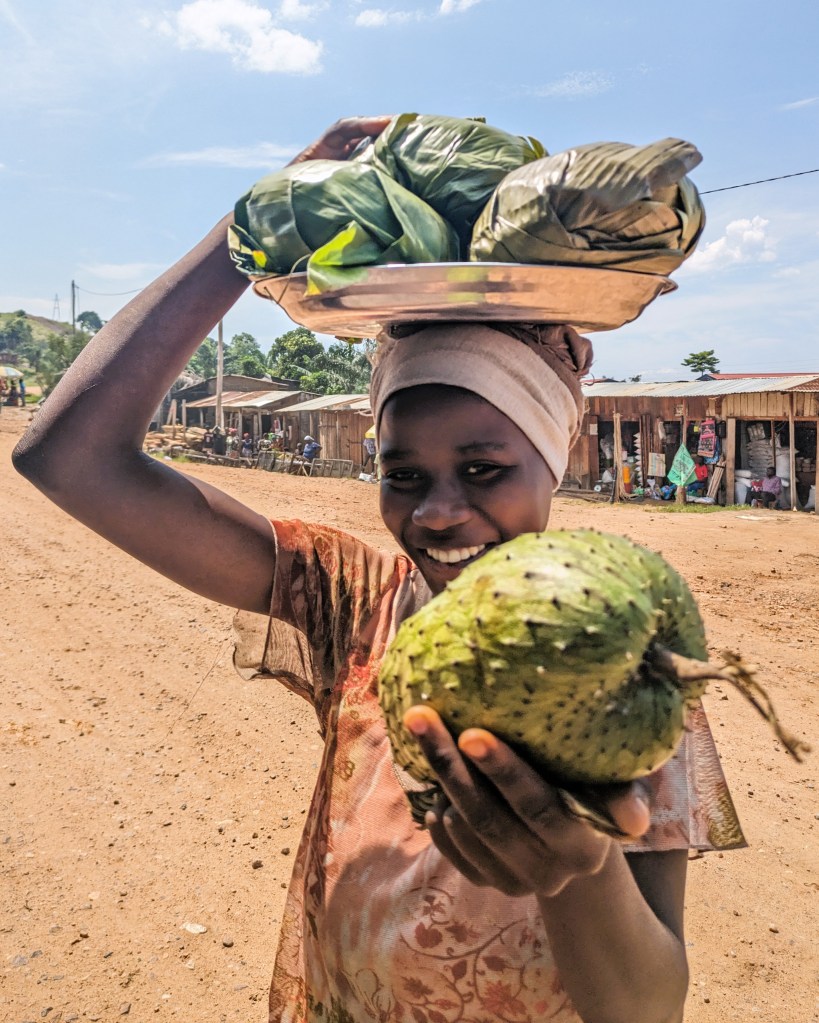
Walking the streets and markets of Burundi you will notice that most street sellers or market stall owners are women. They work hard to sell fruits, vegetables, fish, clothes, etc. They sell hair extensions on the streets and apply them to customers. While working, they will often take care of their kids, holding them on their backs or allowing them to play on the street.

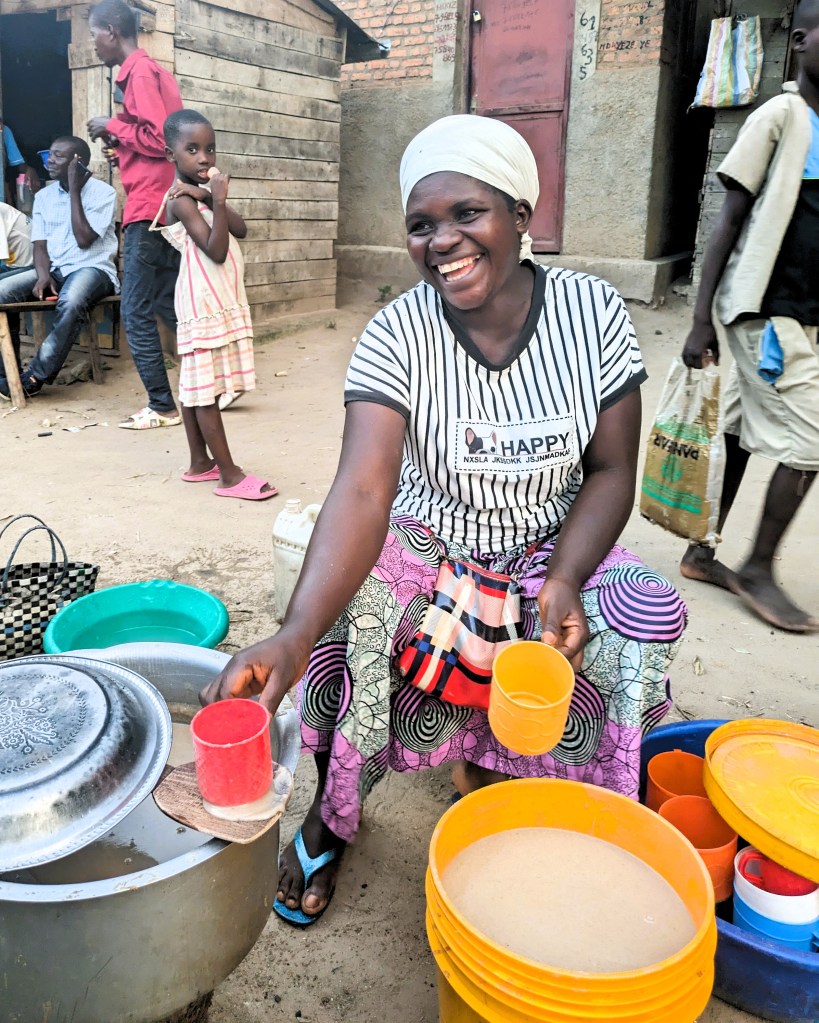
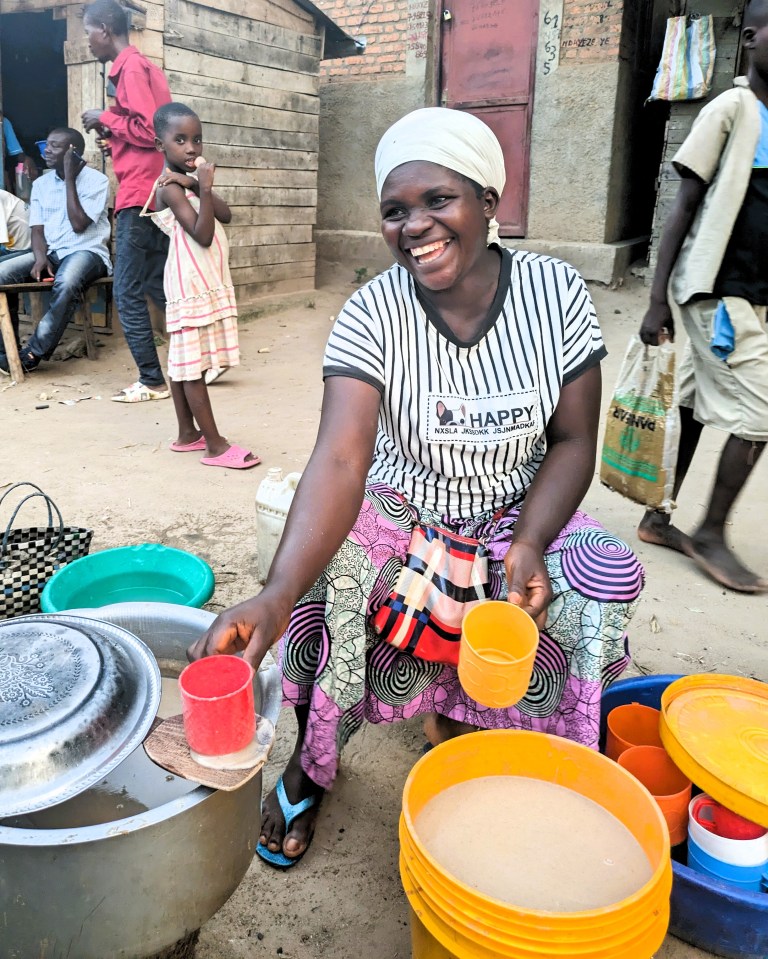
Jeanine selling porridge

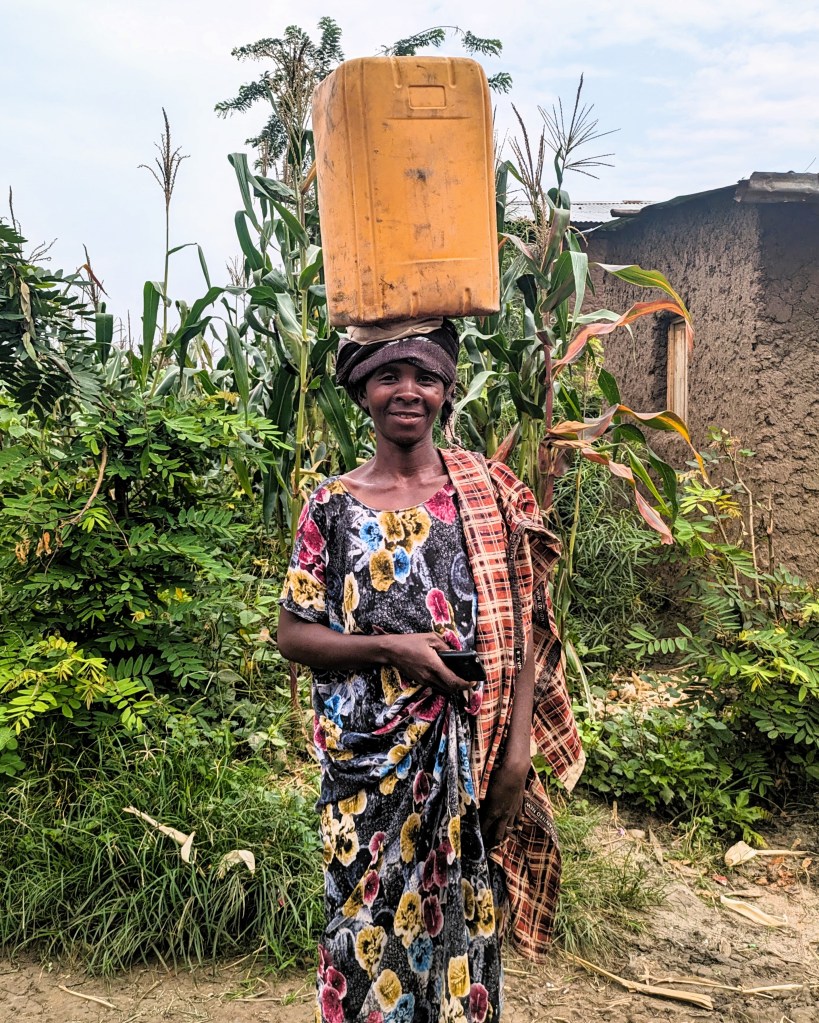
Meet Jeanine, a cheerful woman of Gihanga, selling porridge on the street. While enjoying her porridge I had an opportunity to chat with her, so I asked why she sells porridge at the end of the day instead of the morning when most of us eat our porridge. She replied that during daytime she is working on the fields as a farmer. Then, at the end of the day she makes time to sell her porridge to people who cannot afford to eat in a restaurant.

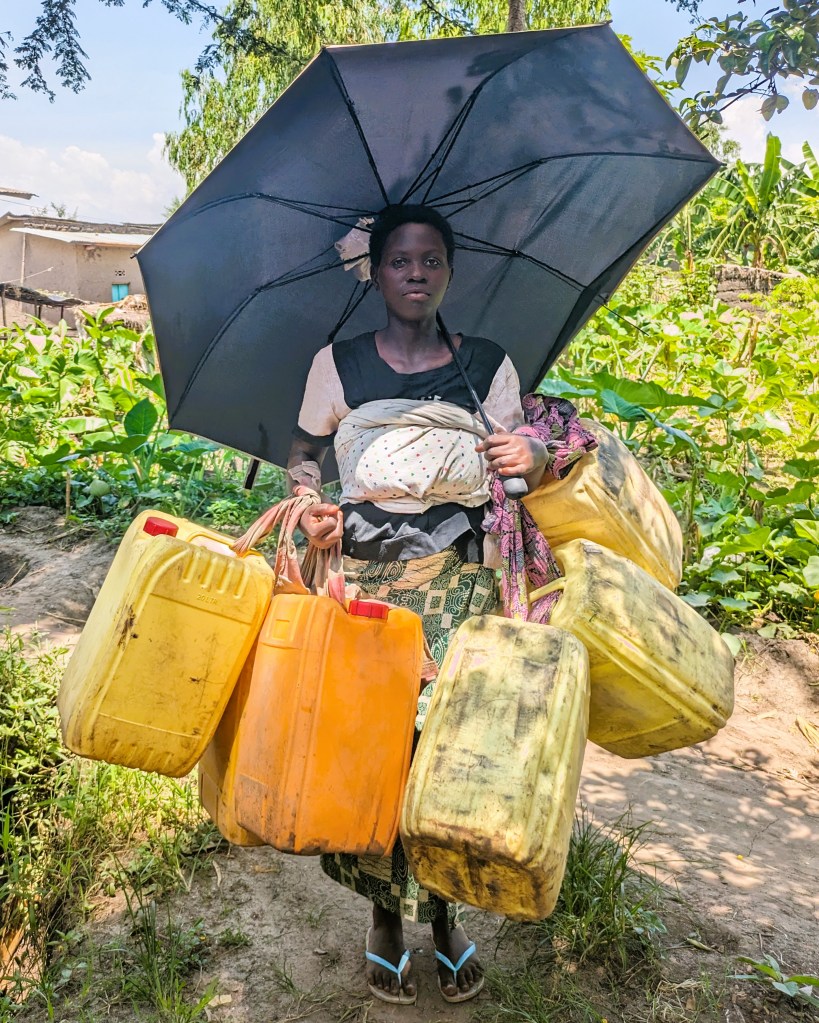
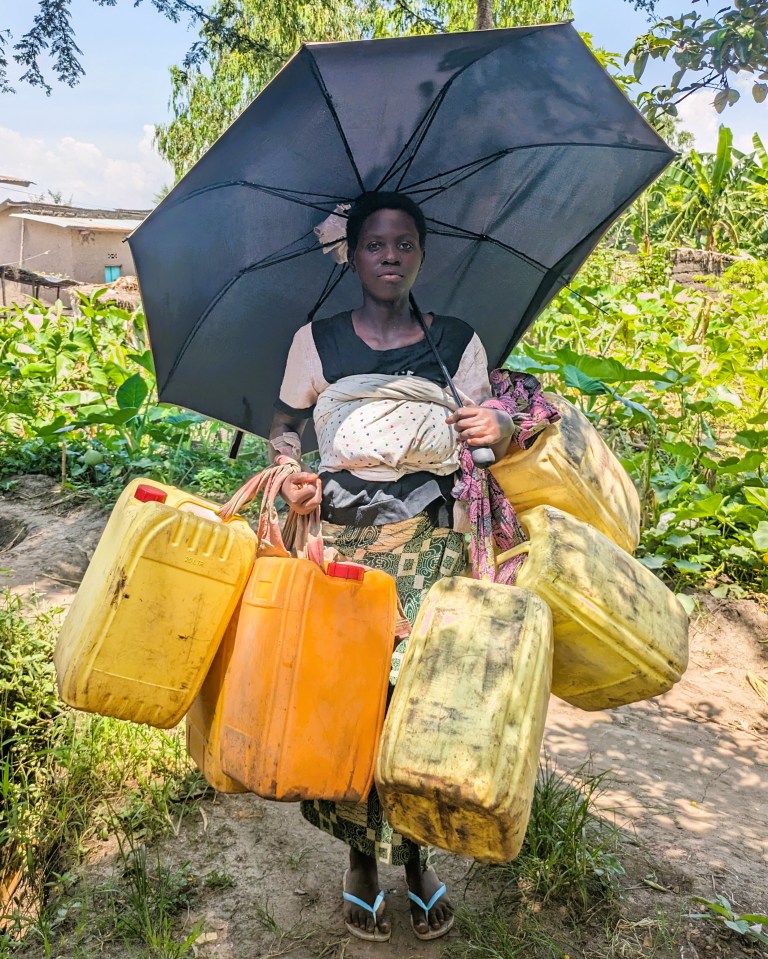
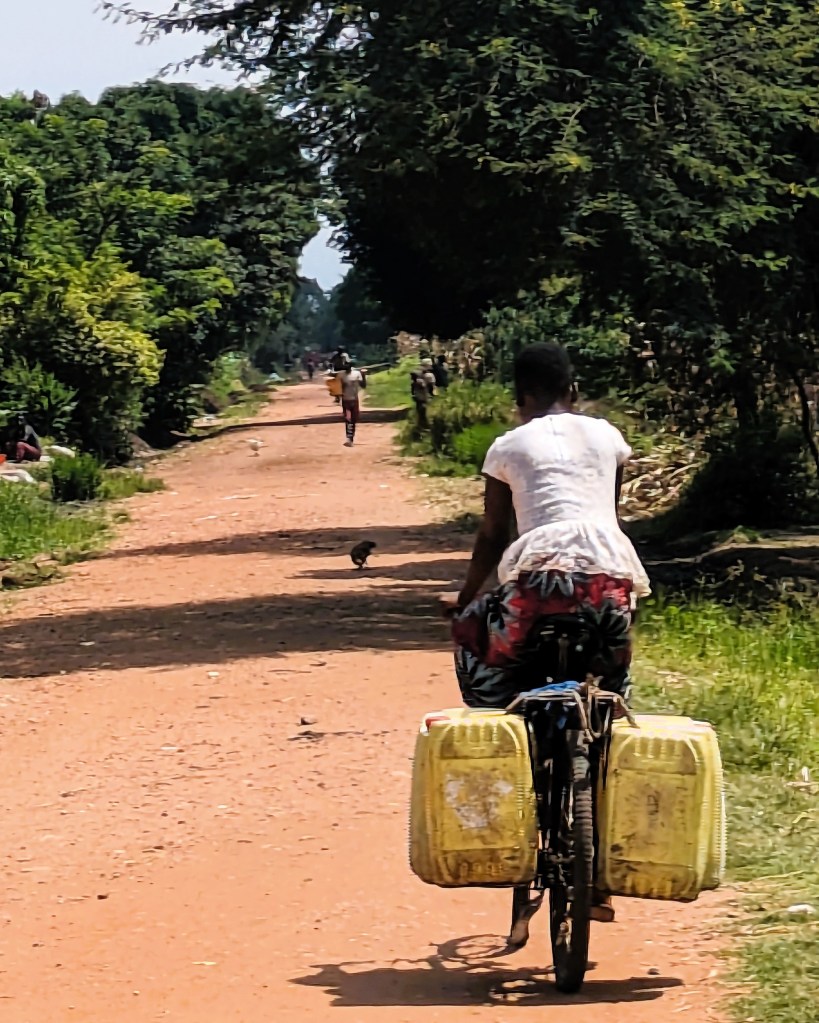
Renata is another great example of how a women contribute to a healthy society. In my hometown Gihanga access to clean water has been a problem for ages, even when I was young! Many women and girls walk or cycle for over 8 kilometres to fetch clean water for their family to drink. So, Renata was just starting her cycling journey, taking 6 containers of 20 litres each with her, while also taking her baby on her back. It does not matter how far or whether it is a hot or rainy day, this is what she must do to keep her family healthy.

Renata on her way to fetch water

And if you think that Jeanine and Renata can wind down after a hard day of work, do not forget they will also be cooking meals for their family or selling a few small things in front of their doorsteps in the evening. They are real centipedes (maboko igihumbi in my language). Women like Jeanine and Renata understand the important role of women in Burundian society. They know their contribution to maintain a healthy and resilient family is essential.

Evangeline Ngendakumana from BAWA

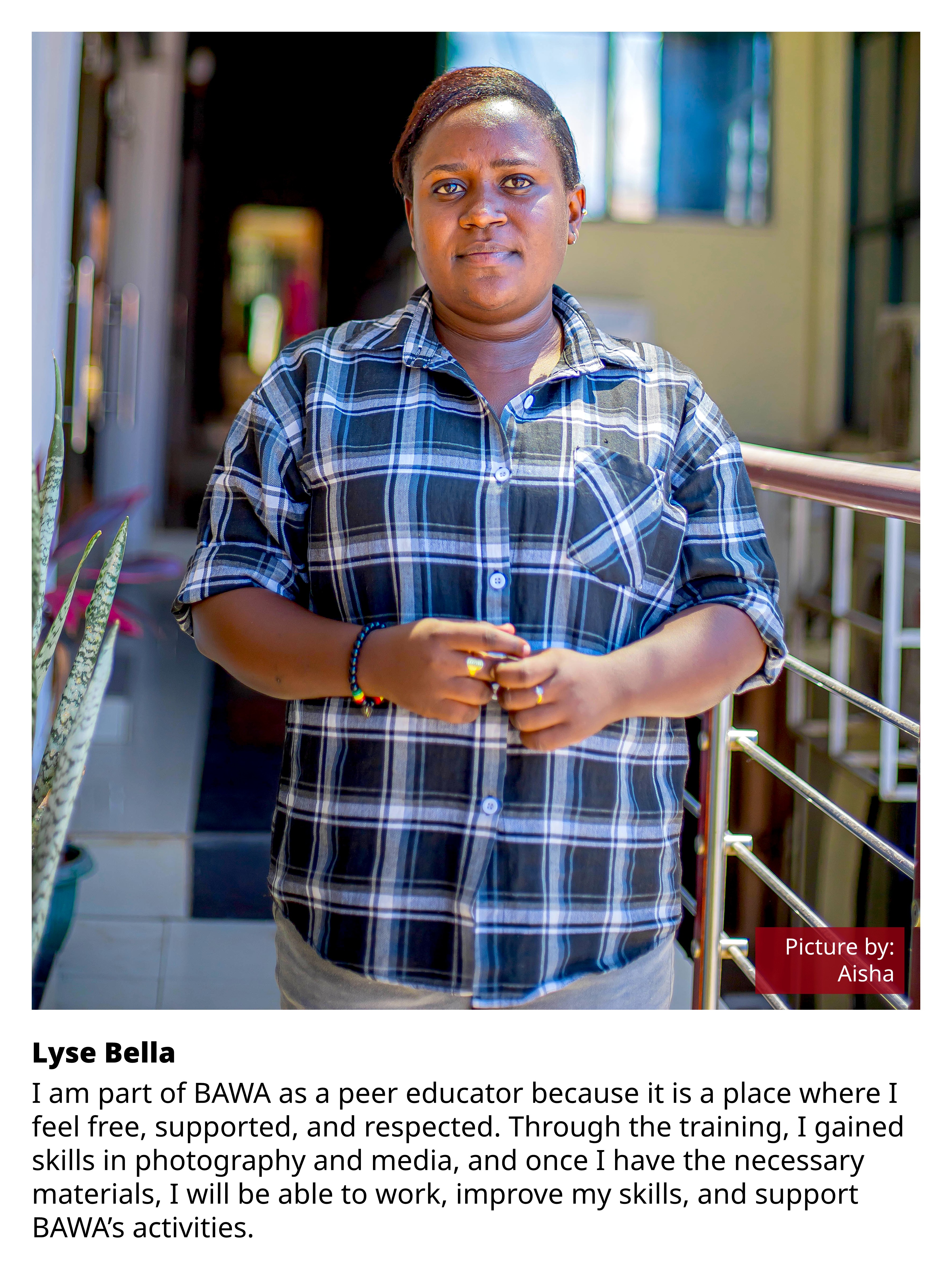
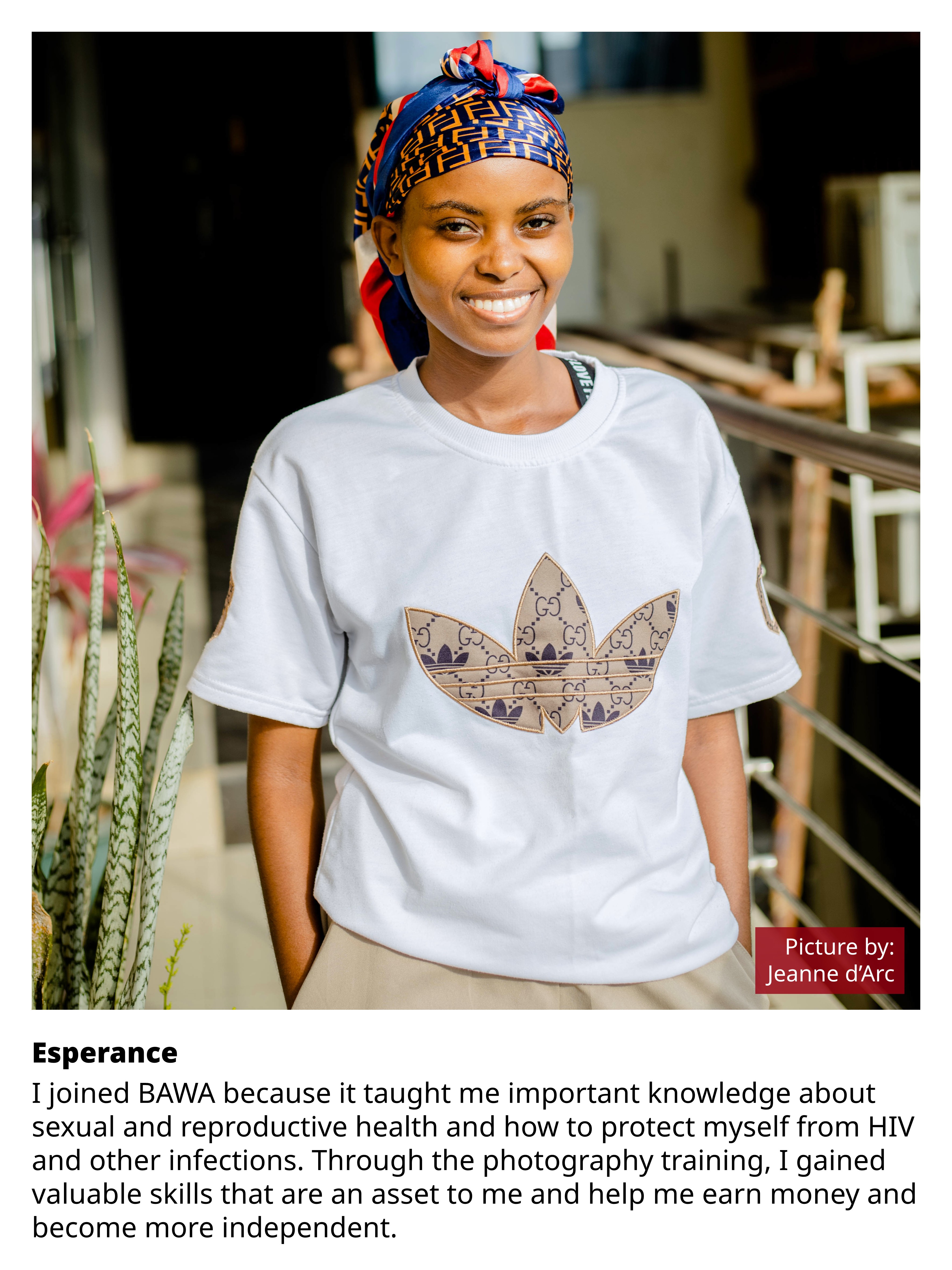
With International women’s Day around the corner, another shining star woman that I want to praise for her courage and dedication to fight for the rights of vulnerable women in Burundi is Evangeline Ngendakumana, the Executive Director of BAWA (Burundian Association for Women in Action). You can read more about the great work of BAWA, including on health & HIV prevention, in my previous blog. Always working hard to support so many vulnerable women and forge their equality in Burundi, she and her team are a truly great example of why we should accelerate investing in women like Evangeline and grassroots organisations working on women’s health & HIV prevention like BAWA.

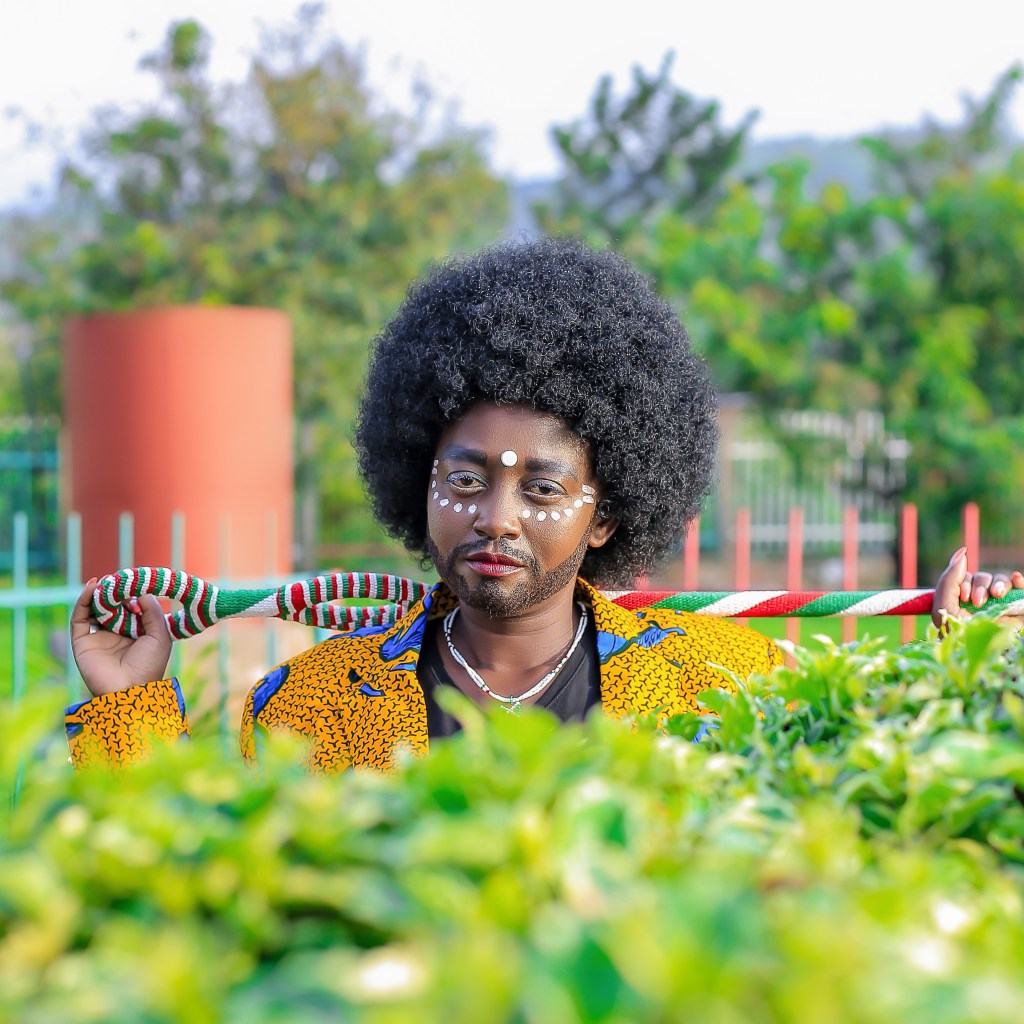
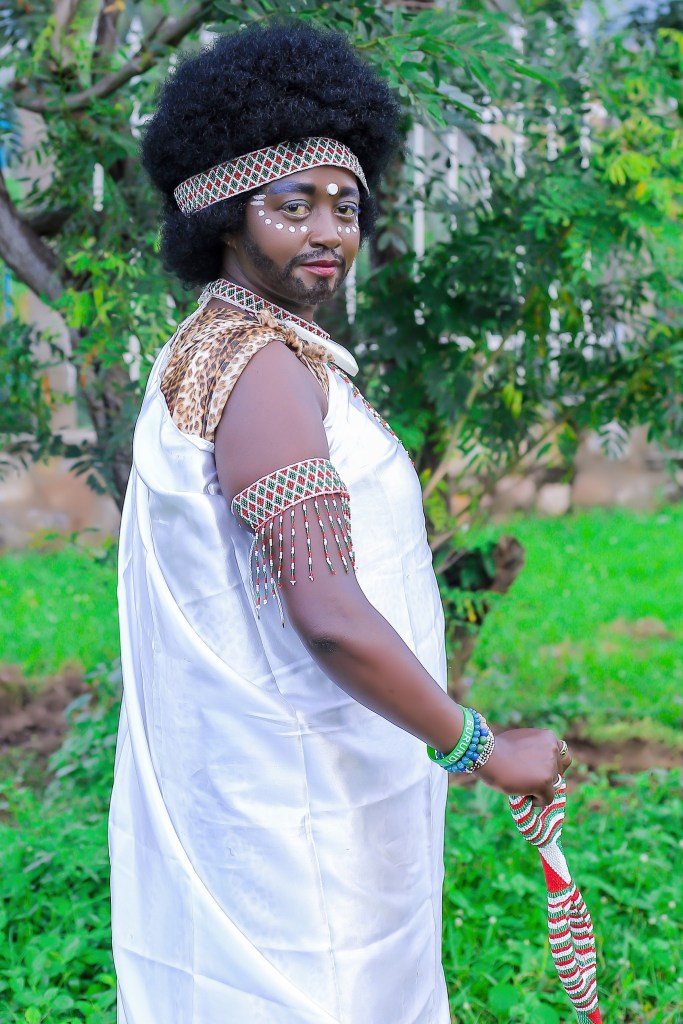
Eric the Dragking

Lastly, as a Burundian woman myself, I hope I am also proudly contributing to empowering Burundian women and forging equality through my drag art as Eric the Dragking. Burundian women have many talents and we don’t need to stick to those men determine us to do. 23 years ago when I played the indonongo, a traditional instrument, as the first woman ever, I was told that it was only meant to be played by men. Today it has become normal for women to play the indonongo. We can do many things, the world is out there, let us discover it.

To those Burundians women who try to make a difference in our country and work hard for their families and contribute to Burundi’s economy, I salute you!

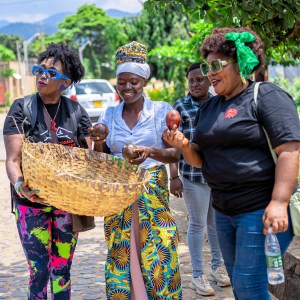
If you want to see some more women of Burundi contributing to a healthy society scroll down below for a slideshow…

Peace,

The proud Burundian,

Eliane

Put women first!

My lovely people,

The talk of ending HIV and AIDS has been going for ages, are we really going to end HIV and AIDS by 2030? To answer this question, we must ask ourselves what actions do we take in our HIV community to put people first? And more importantly, are we making sure to put women in charge?

There is always this inequality. We point it out, we are all aware of it, but concrete actions are hardly noticed. It seems that women are always the last to be thought about while their vulnerability around HIV is so visible. Yet, often we remain silent, indifferent. When will women be saved from this suffering of inequality? When will they not only be spoken about but also put in charge of addressing their challenges related to HIV and AIDS?

This January I am in my home country, Burundi, and my heart is broken when I talk to women in the communities. For example when I talk to a mother with child abandoned by the father, homeless women with children, or young girls begging on the street. Many of these women have no means or support network to take care of themselves and their children.

Put women in charge of HIV response!

Some women resort to becoming a sex worker. This is not without danger, many of them are still sleeping on the streets and through their profession or whilst living on the streets there is a high chance of them being raped. Some told me that happens at least 3 times per week!

The rights of these women are being violated and need to be supported. No wonder it makes me angry when we shamelessly announce we want to end HIV and AIDS in 2030 while basic rights and needs of these women are not even met yet, or when there is no plan of making PrEP available as a preventive strategy to help these women to protect themselves from HIV. Where are our HIV allies when we need them most?

This month my focus is to initiate the strengthening of community-based groups working with vulnerable women to increase their awareness about health & HIV services and PrEP as a life-saving measure for HIV prevention and stigma reduction.

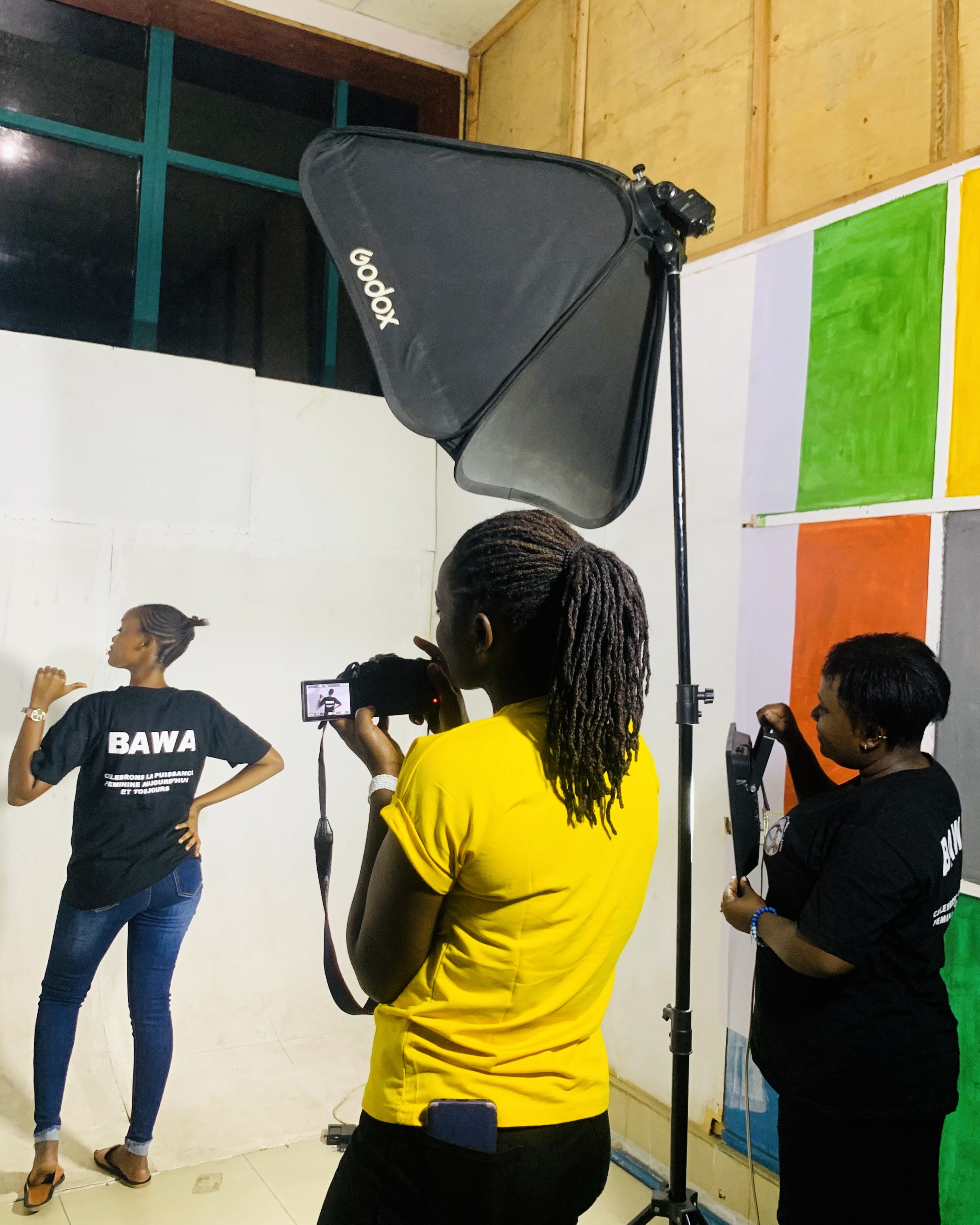
To make a lasting impact we must work directly with local actors, so I have teamed up with a local organisation called BAWA (Burundian Association for Women in Action). The first thing we did was to make sure we listen. We must understand the societal challenges the women face on a daily basis. And my goodness, they are many!

Many women reported they face domestic violence, some sex workers end up with pregnancy during their work and experience problems to register their children as sometimes they are arrested and have their IDs taken, women sleep on the streets without mosquito nets and suffer from malaria and since they are not registered they cannot get mosquito nets, some are being detained by police and taken to the countryside where they live in places without services, etc. It is very shocking. All of them came to the same conclusion, we need safety and protection!

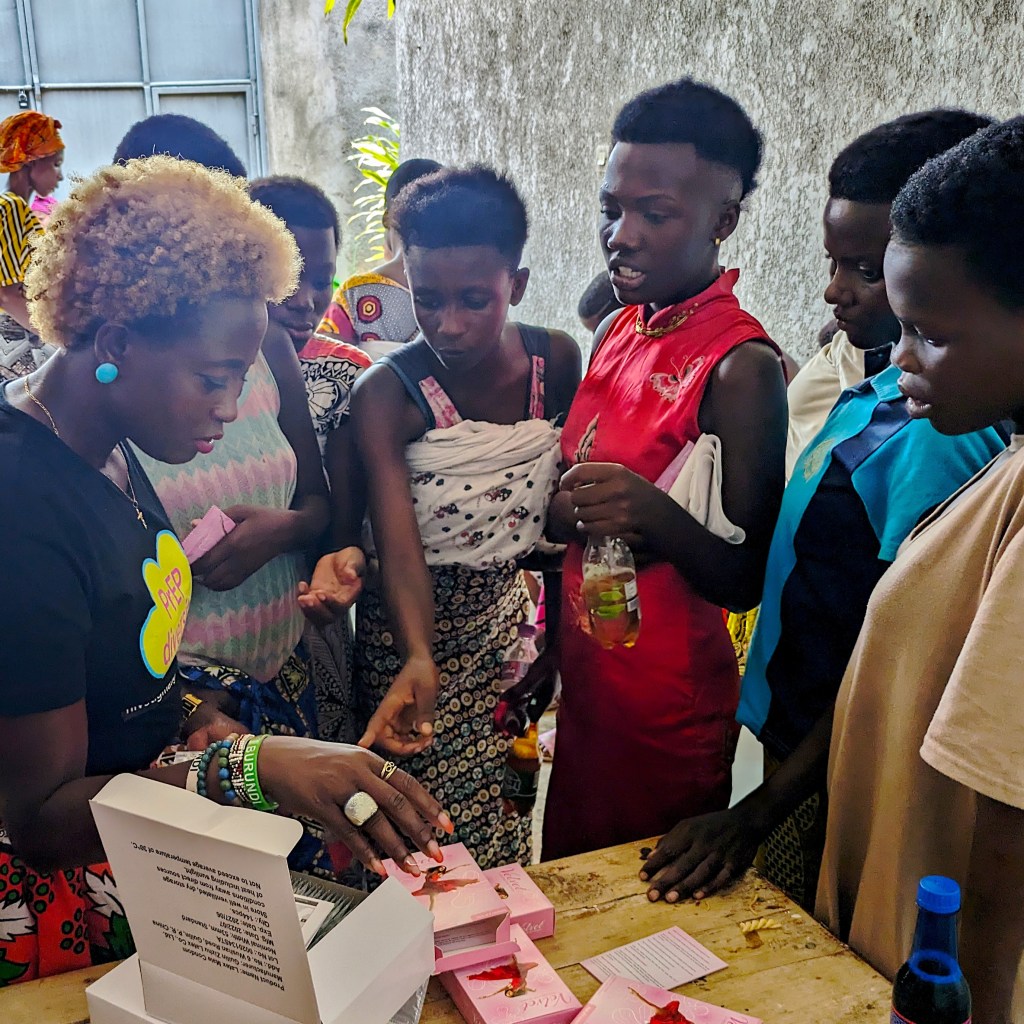
Distributing condoms

Having talked about these challenges and how they affect their lives, we moved to listening to their ideas about how to improve their situation. And it became so apparent to me that they have really great ideas about how they can create a better future for themselves. For example, many women would wish to have access to PrEP or be able to protect themselves for example through condoms.

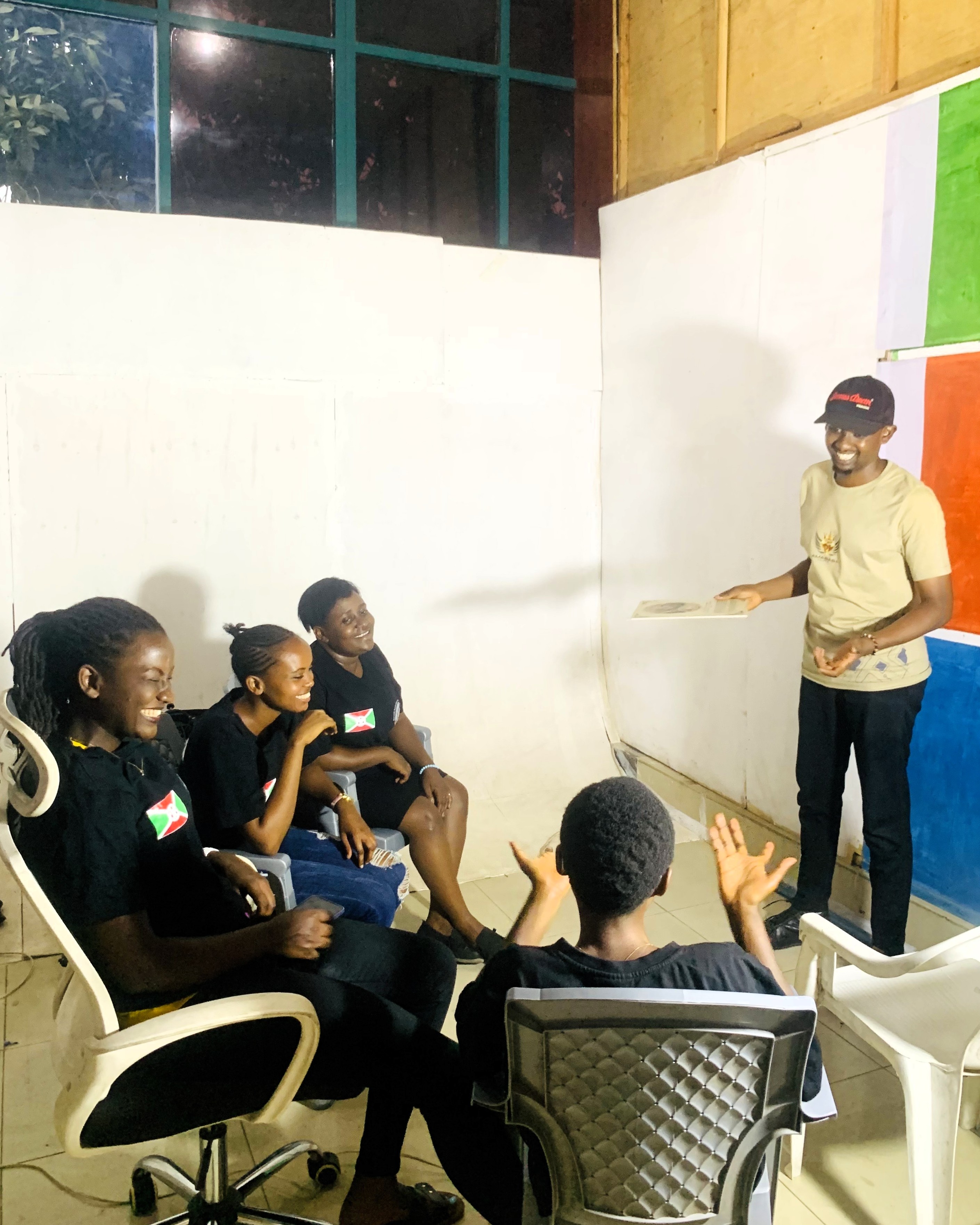
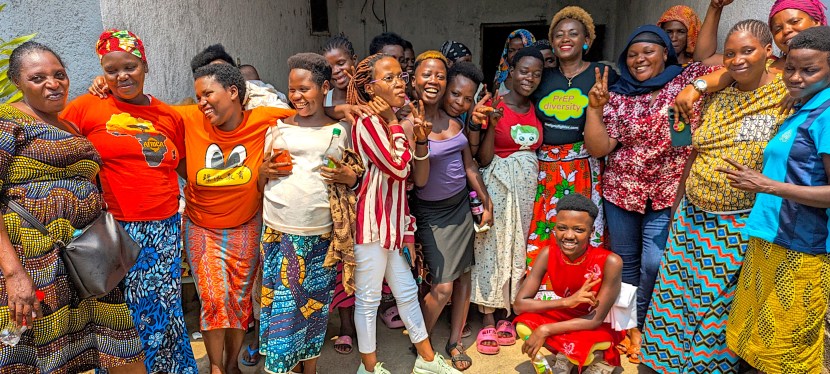
As BAWA works together with others to address the needs of these vulnerable women, we also organised a session together with them to interact with the women of BAWA. We discussed their strategies on how women can stay healthy & safe, and how to seek help when needed. This was also a great opportunity for me to share the latest on HIV prevention and treatment. So, I shared with them a whole range of preventive measures such as the dapivirine vaginal ring , PrEP pill or injectable PrEP. This is a part of the world where I clearly see the need for injectable PrEP as this will positively impact upon the health of vulnerable women. We were also able to make female and male condoms available, and most strongly preferred female condoms because they are a better means for them to protect themselves.

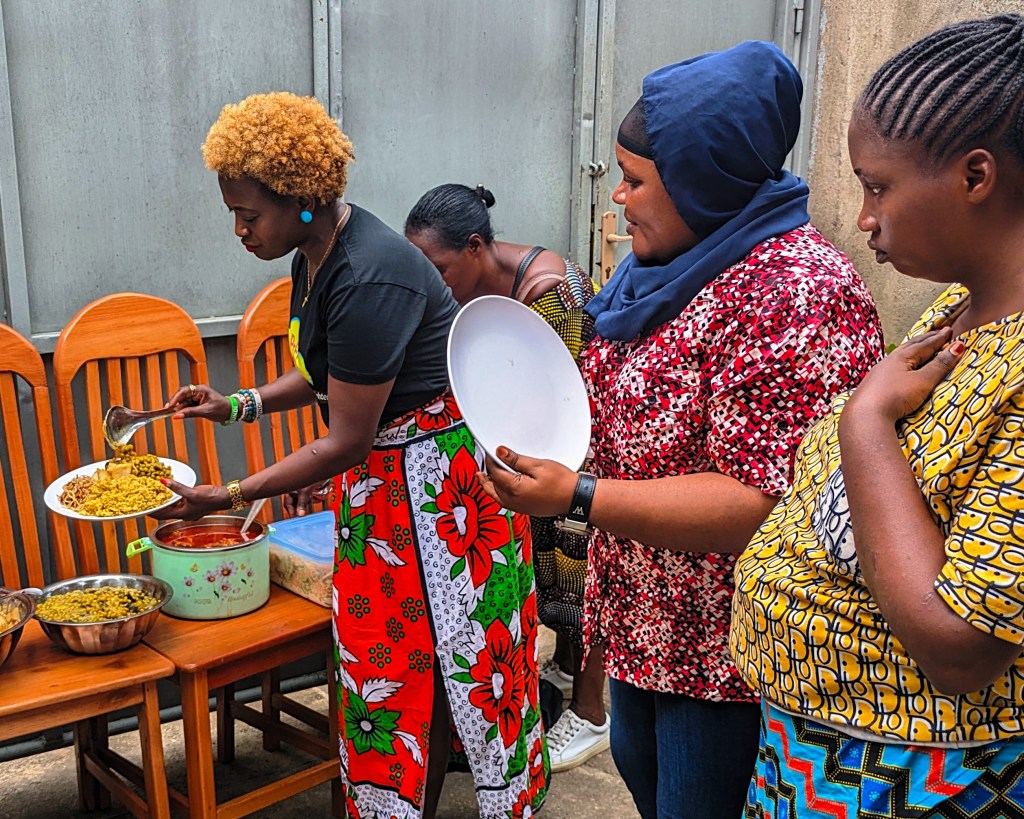
As is customary in our society, to end these fruitful sessions and collaborations in the Burundian grassroots (HIV) community we shared a great lunch together!

If we do not work with organisations such as BAWA and the vulnerable women they represent directly, ending HIV and AIDS by 2030 is an illusion! So, HIV allies pay attention, let’s make 2024 the year to get the balance right and make sure we address the challenges of women in the global South in our fight against HIV and AIDS.

Peace, Eliane

The BAWA support team

Power women

Hello lovely people,

March is always exciting for us women because is the one day in a year where women are given more attention because of International Women’s Day which is always celebrated on 8 March.

This year’s focus is on achieving gender equality and empowerment of women and girls in the digital age. So, time for me to reflect how I am contributing to empowering women and girls in an ever more digitalised world!

For me, digital access is literally a life saver and favourite pastime! I use it in so many ways; As an HIV peer counselor to chat with women all over the world, to give online workshops, spread HIV awareness messages, spread talents of Heroes of hope, and so forth…

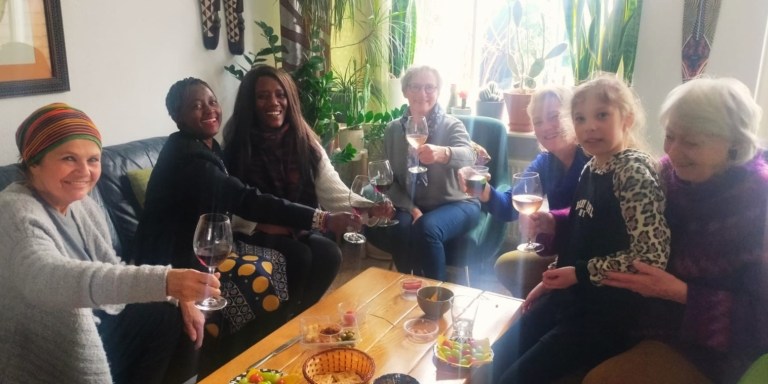
This week, I decided to use the power of whatsapp to invite women from differents nationalities to celebrate International women’s day. Many liked the idea and decided to come to my place where we shared a lot of stories, laughed and cried together. This made me realize that it does not matter where we come from, women issues in every culture are the same. Countries represented were Burundi, Tanzania, the Netherlands and Poland. My neighbour came with her grand daughter and they sang Dutch songs, and we were all touched by the message within it and became emotional. African music brought us back to the dancing energy and happiness of our togetherness.

Celebrating International Women’s Day on 8 March 2023

It is important to stay connected no matter how our busy life is, because being together sparks inspiration to share our experiences, knowledge and new ideas to improve our life cycle. That is OUR POWER to supercharge an equitable future!

But that was a small group of women and there is still so much to do! I want to reach more women and share this message with them: “Women all over the World, whether you have HIV or not, you are strong, you are good enough, and you are the boss!” I am glad the HIV Podcast shared my story as one of the Women who inspired them. The podcast that can be listened to in 167 countries, so spread the word!

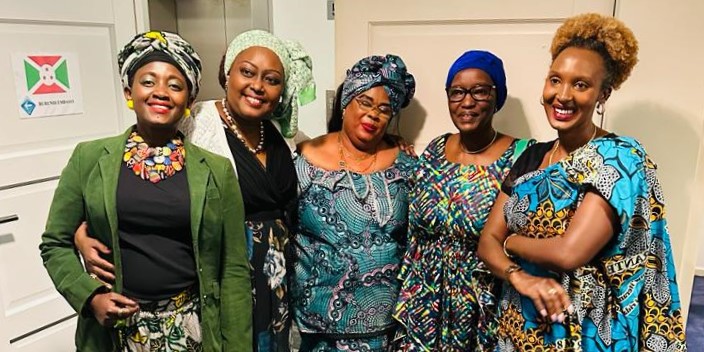
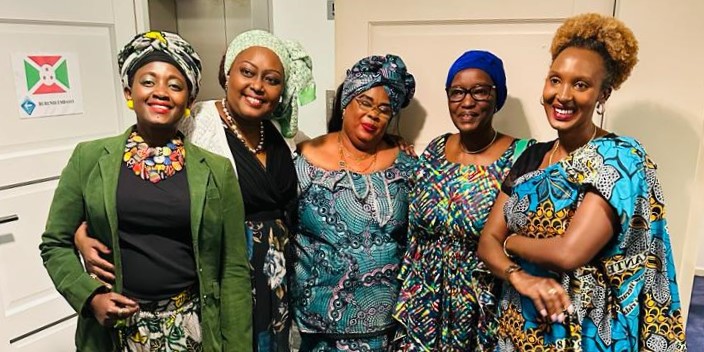
Ending a week full of events around gender equity, on 11 March I joined an event organised for Burundian women living in The Netherlands to celebrate “Abakenyezi Turashoboye” (Women are able). Again, thanks to ‘digital power’ we were able to put things together very easily! We all met at the Burundian Embassy in the Hague.

Power women at the Burundian Embassy in the Hague

Our Burundian Ambassador’s, his excellence Gamariel Ndayishimiye, speech focused on encouraging women to be united and support each other in the Netherlands whilst staying connected to our motherland. In Burundi, unfortunately women still face gender and sexual violence and even whilst being far we can still support women and girls back home. He also thanked all women who are already doing great work in Burundi and proposed to do even more through a committee to organize a fund raiser to help women and girls in Burundi.

I was honored to be selected to be part of this committee, which is another opportunity for me to do more for women and girls living with HIV in Burundi. Really, we cannot make progress in our country, whether digitally or otherwise, when we leave women and girls behind. Change must begin now! Once the serious part was over, I was glad to dance among my fellow Burundian women while enjoying our home-made food and drinks. What an eventful week!

So, while here in the Netherlands obviously digital services and tech play a huge role in achieving gender equity and women and girl empowerment, please let us not forget that in many parts of the world we must continue our fight to close the huge gap in digital access and skills for women and girls, and create digital services and tech that truly meet their needs!

Peace,

Eliane