Did you know that 21-27 October is PrEP awareness week? We all know that PrEP is an important way to prevent HIV, but did you know that PrEP is for all ages? Whether you’re younger or older, single or partnered, career-focused or retired, exploring your sexuality, or simply enjoying sexual pleasure – PrEP is for people of all ages and in all phases of life experiences.
Already since 2018 I have been raising awareness on PrEP and advocating for PrEP access as a way to fight HIV. So, let’s celebrate and look back at how I have been able to contribute to improving PrEP access.
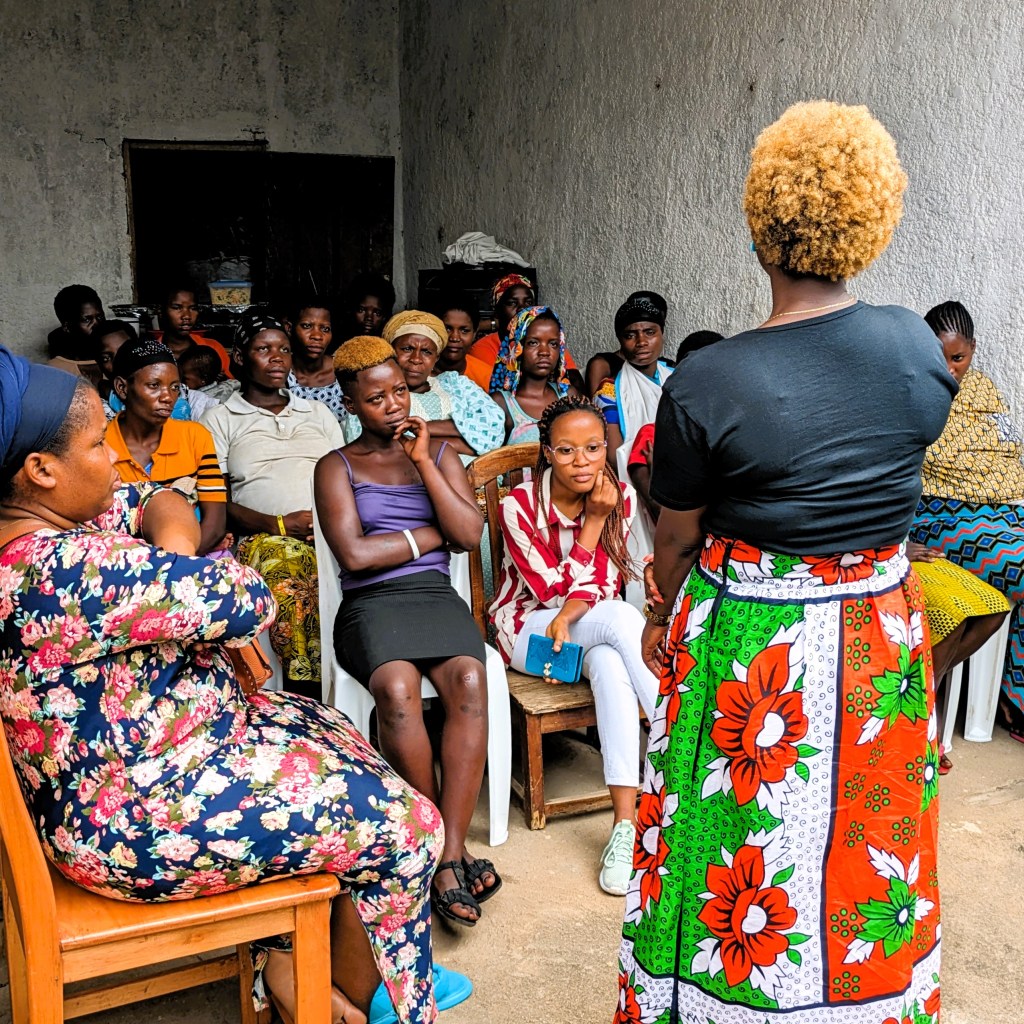
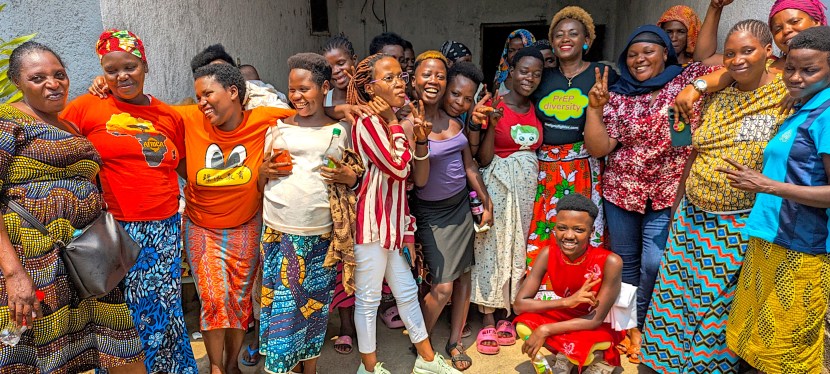
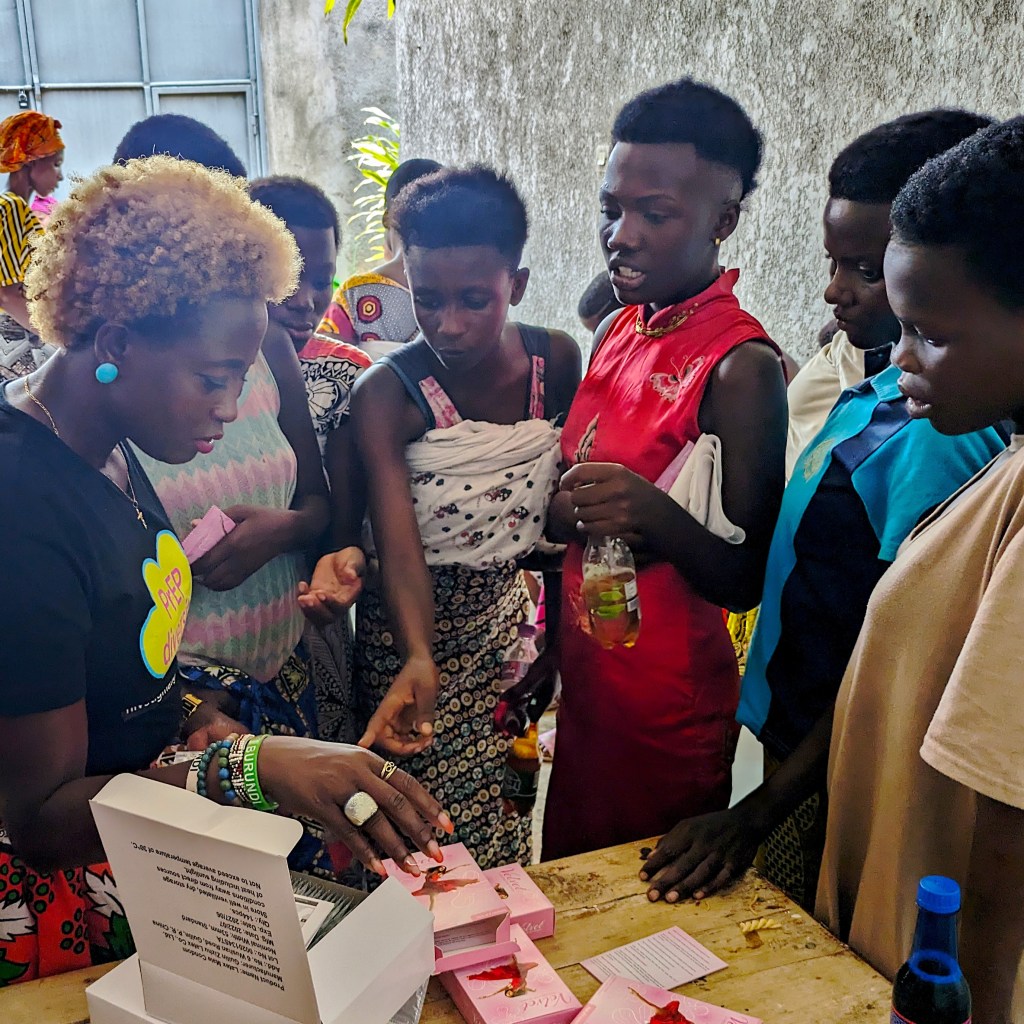
Together with BAWA (Burundian Association for Women in Action), we develop and provide PrEP training to vulnerable young women in Burundi.
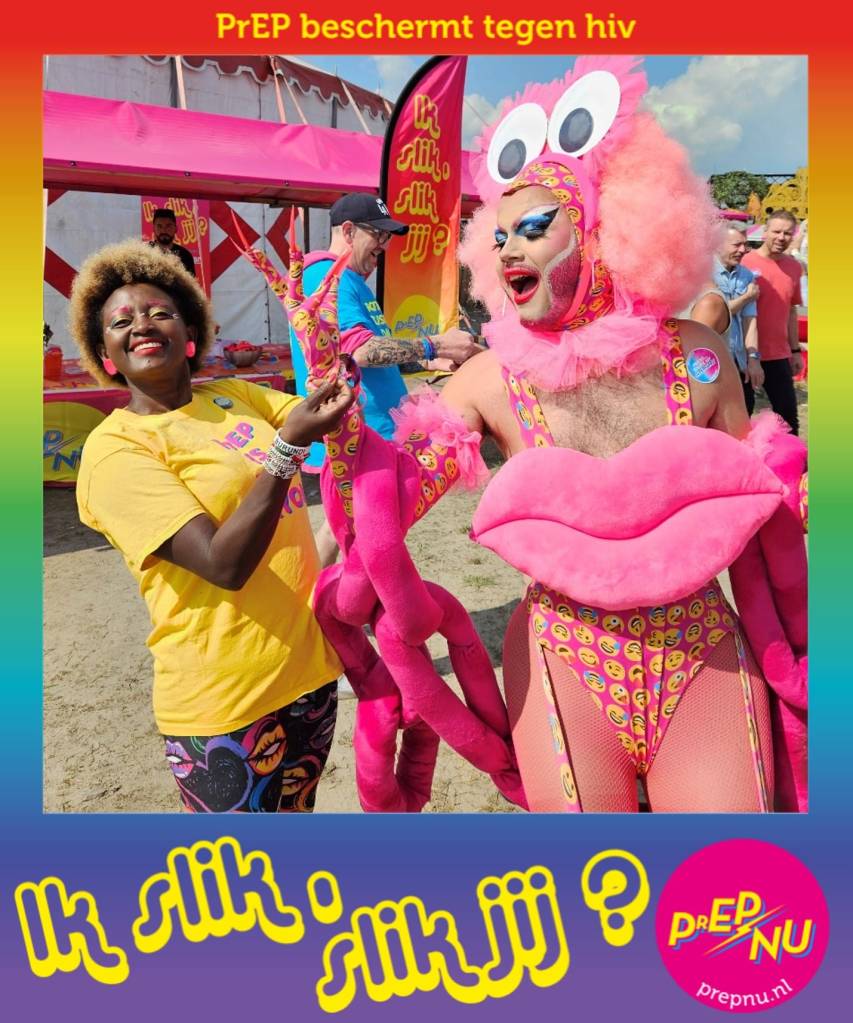
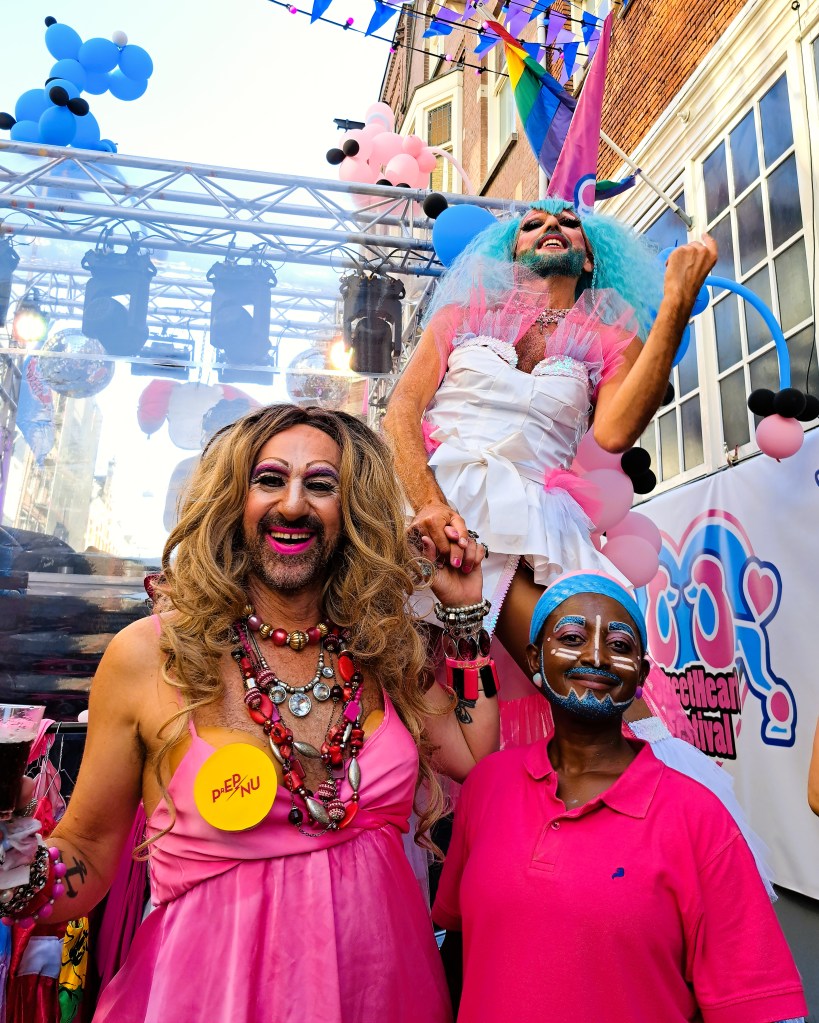
Community work is important for me. Therefore, as a PrEP Volunteer I support important grassroots organisations such as Sensoa and PrEPNu to amplify their message on PrEP access.
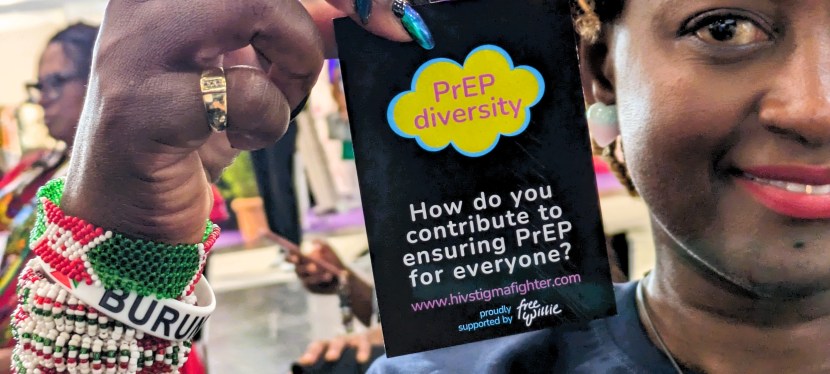
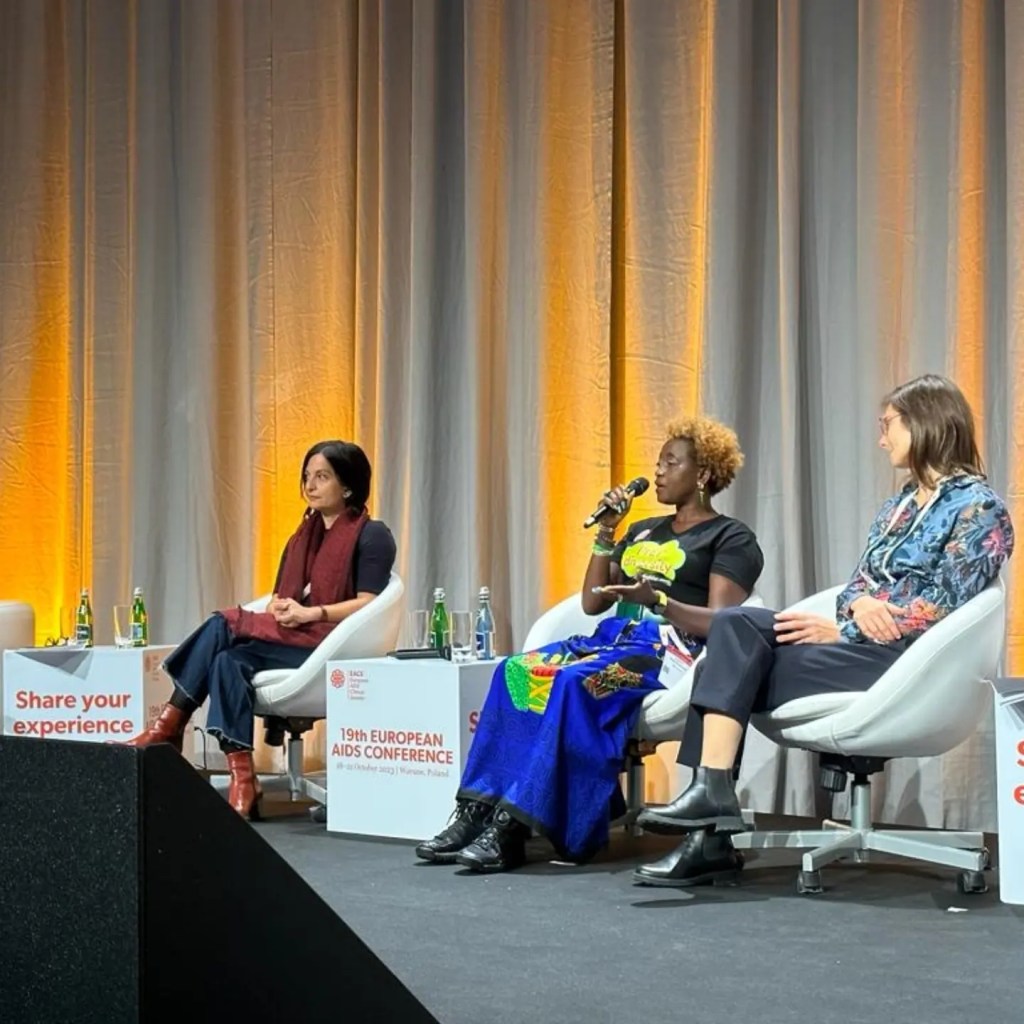
At the global stage I am not afraid to speak out as an HIV activist and advocate for PrEP access. Here I am at the European AIDS conference to speak out on PrEP diversity.
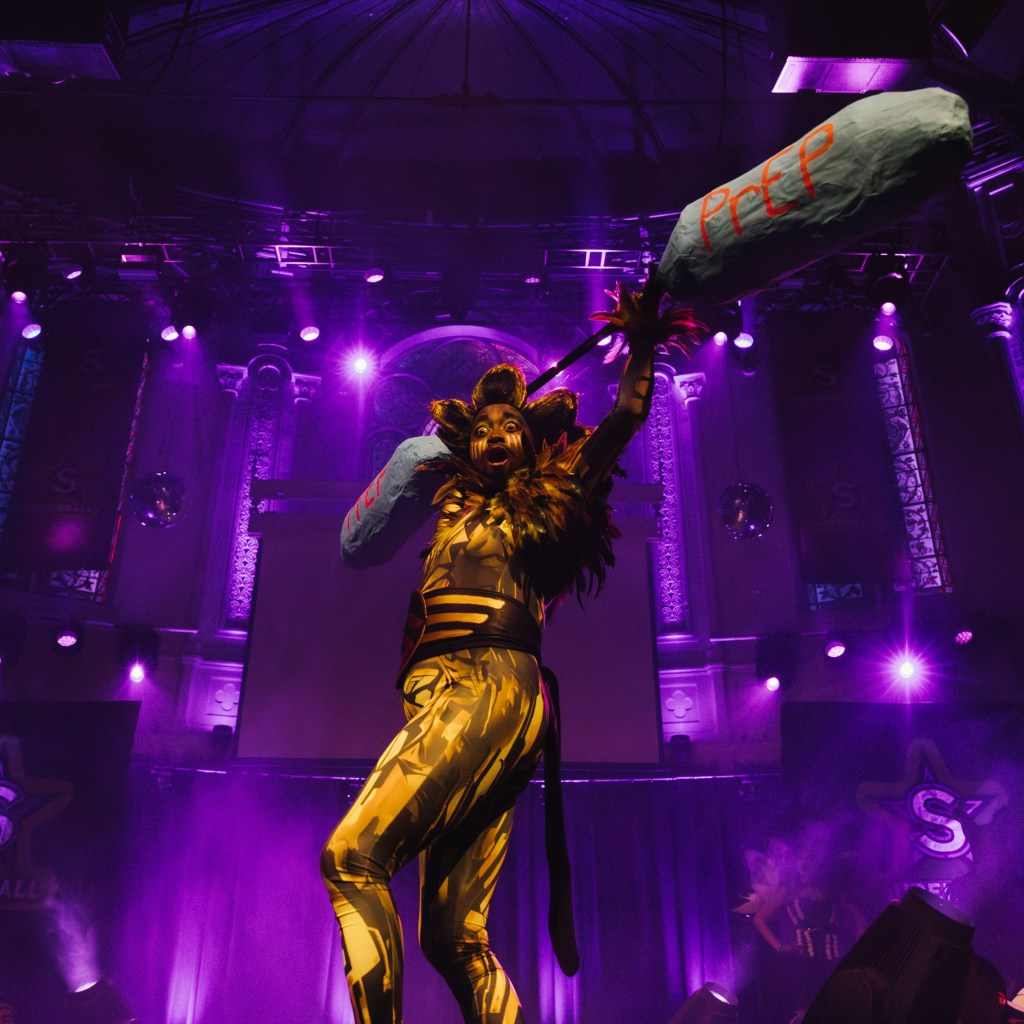
My passion as an artist allows me to reach young people of the queer communitry through my HIV dragtivism. Here you see me on stage at Superball 2024, the biggest dragball of Europe.
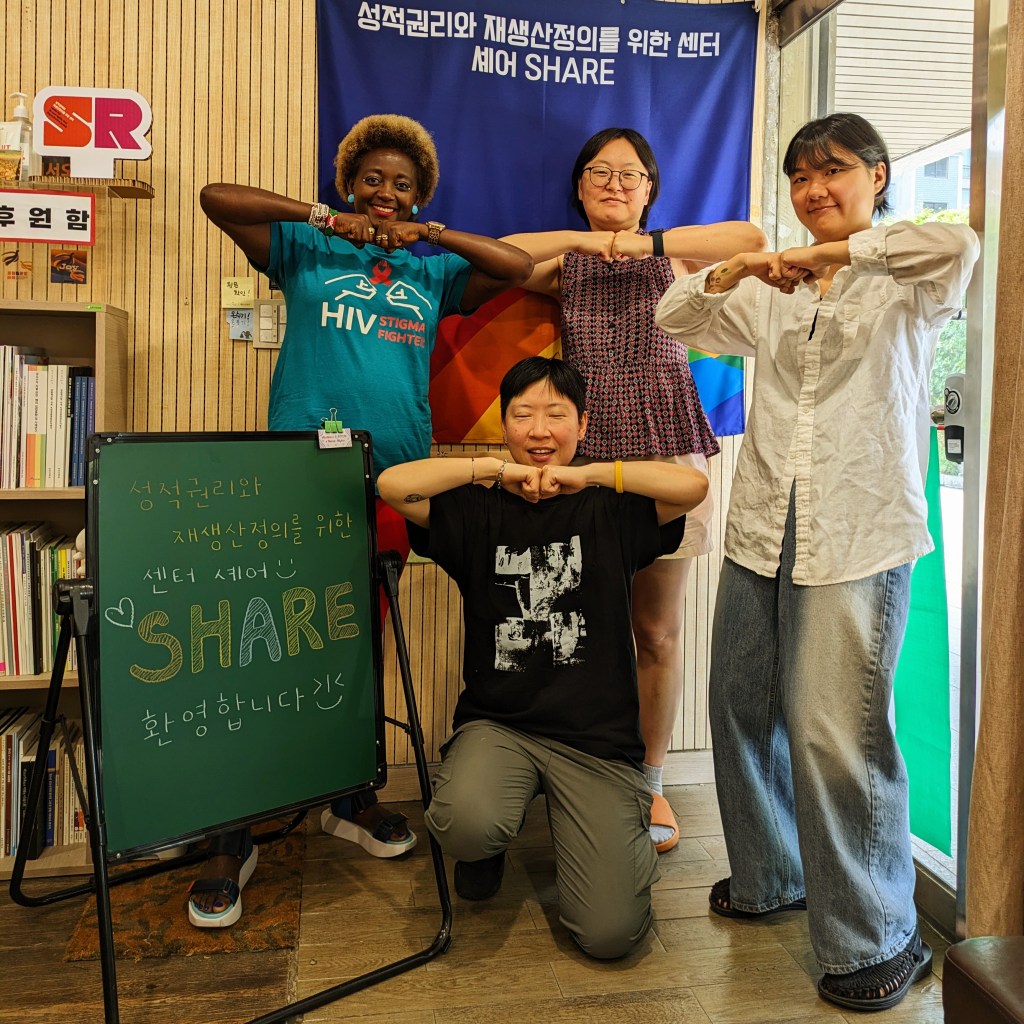
Lastly, as a connector I make sure that grassroots organisation such as SHARE Korea are being heard at the global stage and can connect to other HIV community actors and share experiences on PrEP access.
There are so many ways you can contribute to beating HIV in your local community! It is important to keep empowering local communities with knowledge on preventive approaches such as PrEP.
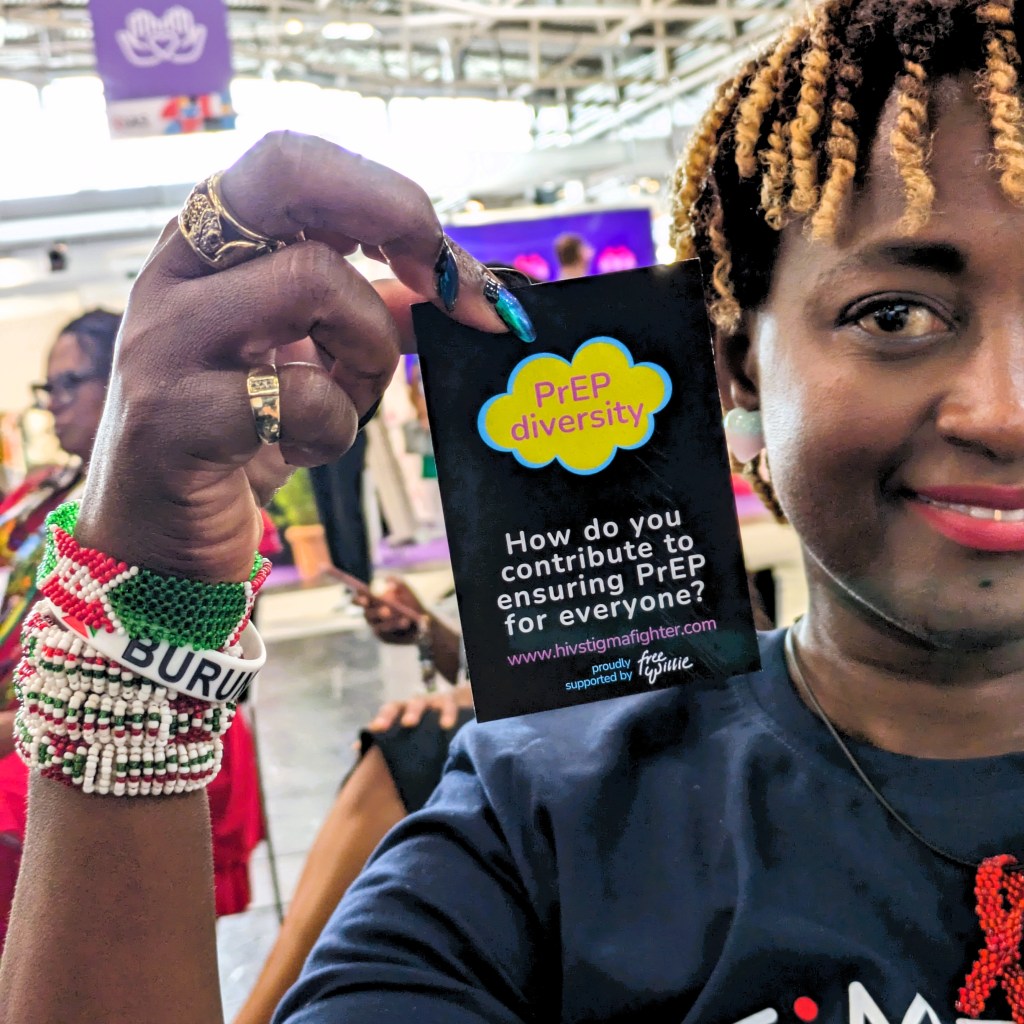
PrEP truly redefines what it means to take ownership of your health. So this week my message is simple – PrEP diversity stands for ensuring that we increase the right to PrEP access for everyone that needs it, no matter what season of life you’re in.
PrEP is essential to end the HIV epidemic. I am proudly contributing to PrEP diversity in my different roles. What have you done to ensure PrEP access in your community?
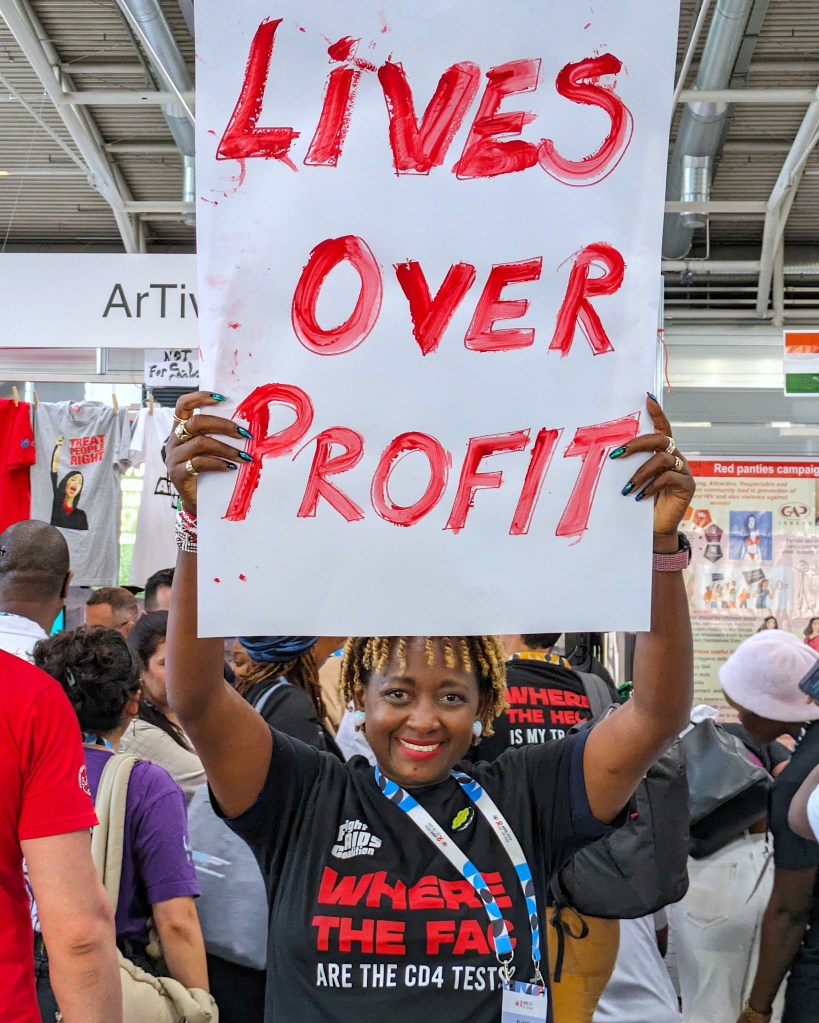
My lovely people, I promised to share my learning from AIDS 2024 in Munich with you. The two days I spent at the Global Village were quite fruitful as an activist. I decided to go where the noise is this time as it keeps me alive, being together with HIV activists and sharing the concerns of the global HIV community. It has been a fight for 40 years now and HIV activists have been always at the front.
Before making noise, let’s start with the AIDS 2024 theme “Put People First”. I asked myself many times who decides which people to put first? During AIDS 2022 in Montreal and now also at AIDS 2024 in Munich, I literally experienced a barrier between the accessible to all Global Village, thriving with activists and grassroots organisations, and the paid-for conference space full of big Pharma, scientist and policy-makers. In all, there is very limited interaction as most of us cannot enter the conference space and ‘they’ show little interest in meaningful engagement at the Global Village. How can “Put people first” as a slogan work if we already have two faces to AIDS 2024?
Now let’s make some noise!
The global North-South divide
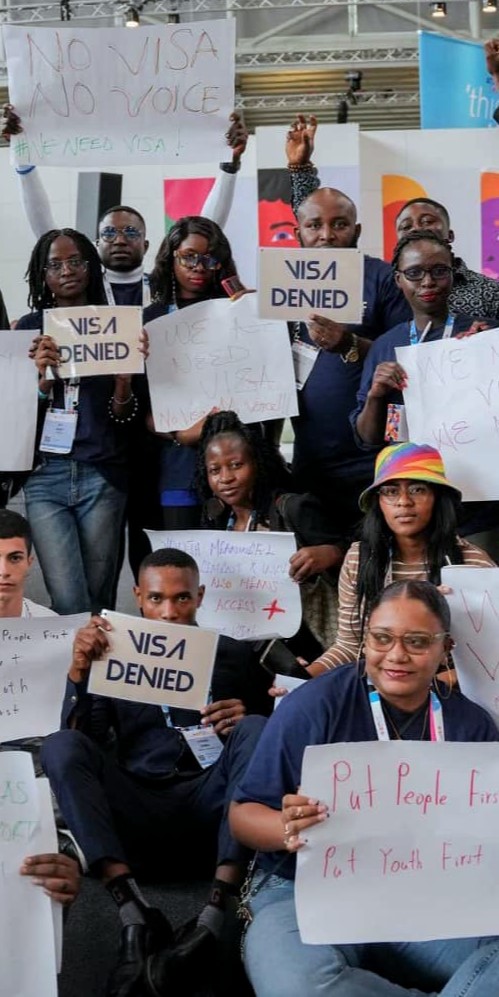
In her speech, UNAIDS Executive Director Winnie Byanyima highlighted the importance of community involvement, especially women and girls, in ending HIV and AIDS. She also regretted the missed opportunities to bring in HIV communities from all over the World, especially since many people representing the Global South continue to face dicrimination by being denied visa to join AIDS 2024. It seems that IAS did not learn from the Montreal debacle and is unwilling to bring about change by making sure conferences are organised in places where representatives from the Global South will not face visa issues.
Credits: Y+Global
Can I ask why IAS and UNAIDS are not taking serious action? How long will the HIV communities in the Global South continue to suffer? Do they realise the mental stress and pain they give to participants when they receive the bad news of visa denial? Are they taking contributions of the Global South on fighting HIV and AIDS in their communities seriously?
Coming back to the theme “Put people First”, in my experience, first and foremost, these organisations are putting themselves and their sponsors first. So, let’s be honest and just say “Put ourselves first”, the Global South comes second. So next time, let HIV communities from the Global south decide where the conference should be held, because remember, big pharma, scientists and policy-makers will not be able to shine without us, the HIV community. They should let us lead! This is why I like the World AIDS day 2023 theme “Let communities lead” so much better.
Women warriors
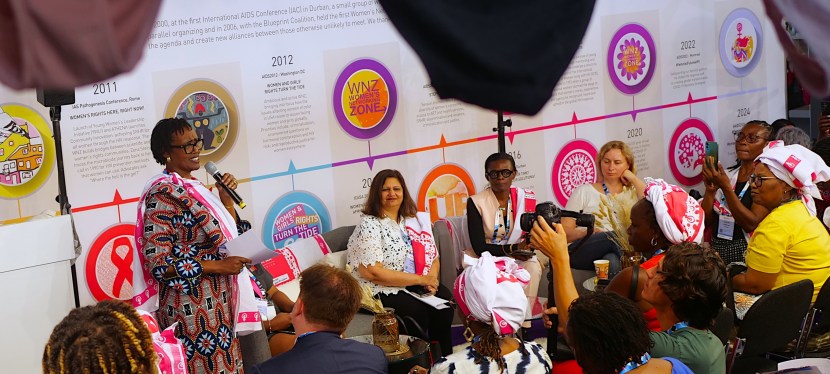
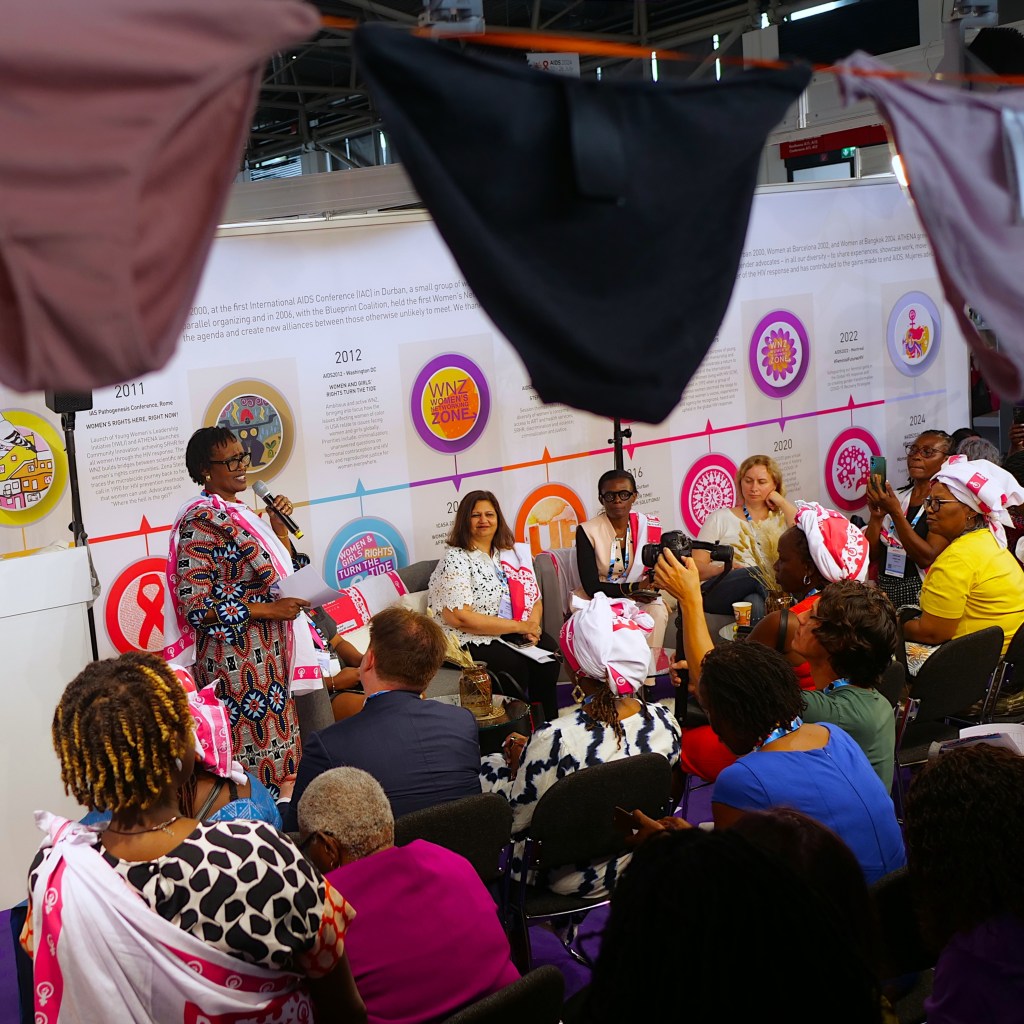
In the end, there are always many booths in the Global villages, some where very sleepy and not engaging at all, and then there were the noisy ones! Take International Community of Women for example. They were really on fire, demanding that women movements are supported, fighting for gender equality and human rights, recognising that women bear the brunt of HIV stigma and discrimination. We chanted repeatedly “we are ready”! For what? For being empowered in discussions and decision-making, for sharing power, for funding women-led HIV programming! Our existence matters and we need to be included as we cannot win the fight to end HIV and AIDS without women empowerment.
Making noise at ICW
The other inspiring noise was with the Red Umbrella Fund, a sex worker-led participatory fund. As our support to sex-workers in Burundi also highlights, HIV response is incomplete without support to sex-workers. At AIDS 2024, sex-workers and their HIV allies demanded long-term financial support to excercise their work in dignity. So we chanted “Sex work is work”, “Decriminalize sex work NOW!” Yes, we should put sex-worker communities first, they are the ones who deserve our attention the most! De-criminalizing their work and supporting them with access to HIV awareness and services will make a huge impact on our challenge to end the HIV and AIDS pandemic.
Greedy Pharma
On the other side of the huge AIDS 2024 space, shielded from the Global Village by guards who check if you have an exclusive conference badge, it seems that at every AIDS conference big Pharma devises a reason to celebrate so-called “ground-breaking news”. This time the buzz was around a miracle prevention tool called lenacapavir, a twice-yearly injectable for HIV prevention. Sounds like a perfect PrEP tool, right?
Then why is this not celebrated at the Global Village as ground-breaking news? Is it because we all have powerful stories to remind us that there are still people dying of AIDS every day? Or because we know that there are still millions people living with HIV who cannot afford HIV treatment? Or because we are concerned that there are still over one million new HIV infections each year?
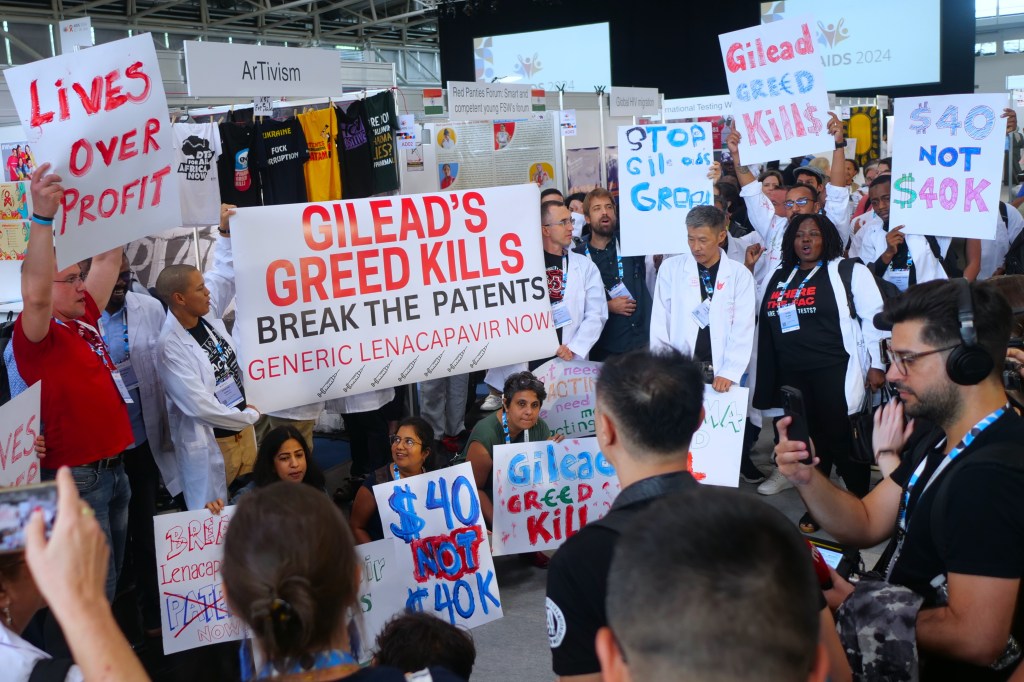
Yes, and… It hurts to know that for many years we already have effective HIV treatment and that we now have PrEP as an effective way to prevent new HIV infections from happening, but we also know that big Pharma is still interested in making as much money of the HIV community as possible. Who can afford 40,000 euros (!) each year for lenacapavir? While it only costs less than 40 euros to make? No wonder we have to stand up, break the conference barrier, and shout “Shame, shame. Access for all!”
When entering AIDS 2024 you are welcomed by colourful big Pharma banners with sentences like “We won’t stop until we end HIV and AIDS”. Do you really want to end it? Then remember this; the HIV virus is not going to sleep and more people get infected and will die unnecessarily while you continue making money. AIDS 2024 is a place where you come to shine, not to pretend you care about the HIV community while you forget that without us you won’t shine at all. Don’t forget that you owe us big time, start reducing the damn price and let everyone have access to HIV treatment and prevention!
We will continue making noise until you will finally hear our cry! Please, do not let the HIV community down and take action now!
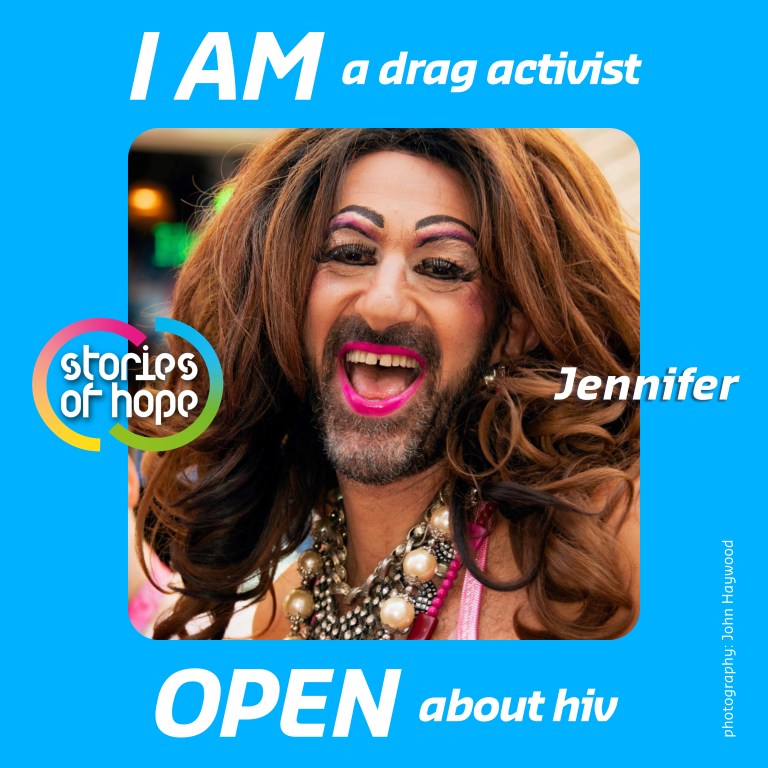
Since last year’s Mandela day, which is always on the 18th of July, STORIES OF HOPE includes portraits about our dear allies of PLWH in recognition of their contribution to ending HIV and AIDS. In August 2023, Jennifer Hopelezz, a truly remarkable HIV drag activist and ally, was induced into the Heroes of Hope gallery.
Almost one year later, while eagerly anticipating the start of AIDS 2024 in Munich on 22 July, we will be looking forward with Jennifer to AIDS 2024 and give her the honour to introduce our newest Hero of Hope who happens to be Jennifer’s family!
Jennifer; when you hear AIDS 2024’s theme ‘putting people first’, what does this really mean for you?
“Well to me, it’s a little bit too obvious because of course that’s what you expect, people first before profits and organizations and businesses. But sometimes that seems to get lost and it all seems about the whole infrastructure around HIV/AIDS that has been built up over the last 40 years.”
Jennifer, from your perspective, what do you think should change to ensure that community-based organisations are empowered to apply a ‘people first’ approach to their HIV response?
“I am always surprised at how little feedback is asked of us as a community group – but also as business owner with sex-on- premise venues. We have a whole heap of experience and information that is not tapped into. We have a totally different perspective to the government organizations, and we also have a certain freedom they don’t have as we are an independent voluntary group.”
Jennifer, you are the mother superior of a large drag family in the Netherlands. To celebrate diversity in the wonderful world of drag, in 2019 you added a new drag house to your family, called Lost Bois. One of your family members is Eric the Dragking. Could you introduce Eric in a few words?
“Eric personifies what our houses stand for. Using the power of drag as a tool of activism, to use the attention you get as a drag performer to get your message across. Because you surely get much more attention when you are in drag! Sex positivity, HIV and AIDS, fighting discrimination-these are really core values of our drag houses and that is what Eric is also about! (He also happens to be one of the best looking kids I have, haha, don’t tell the others!)”
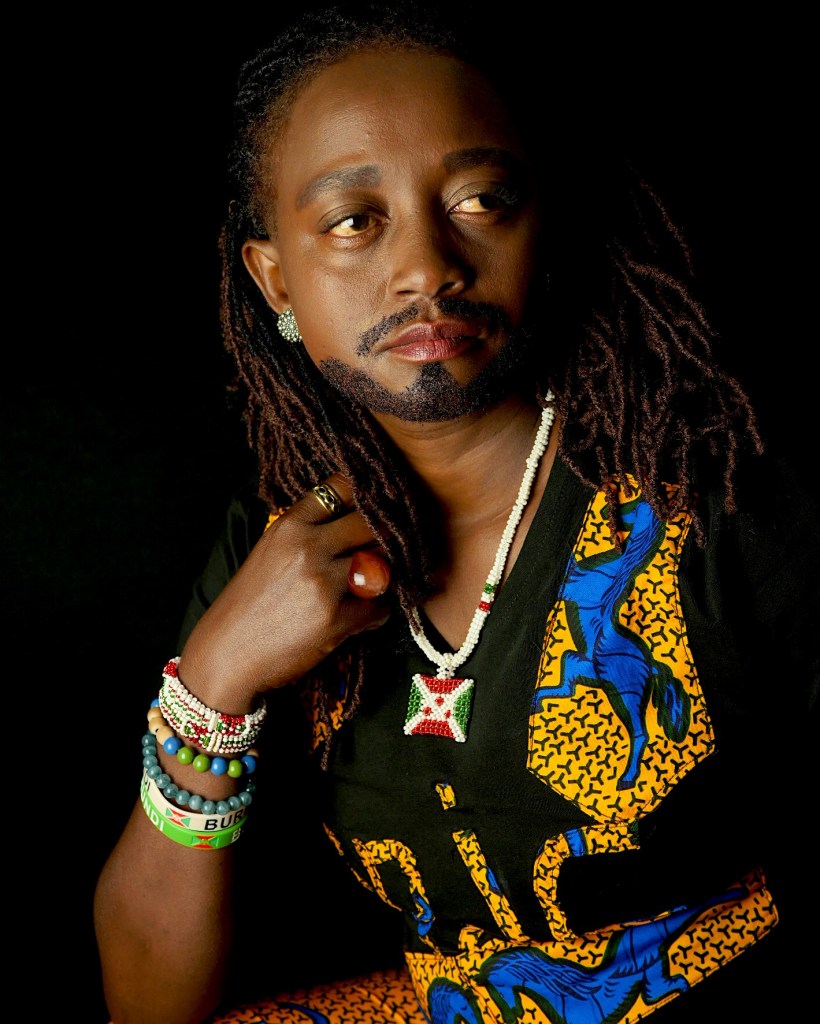
Eric, so nice to meet you and such an inspiring Story of Hope! Why did you decide to do drag and what is your link with the HIV community?
“I decided to perform drag because drag is another powerful way for me to fight stigma and discrimination, and bring change to people and communities. I am living with HIV for 20 years and I know what is like to be stigmatized or discriminated. As Eric the Dragking I can also contribute positively to reducing HIV stigma and improving PrEP awareness in the Queer community.”
Eric, how do you connect your HIV activism with your drag performances?
“I combine my HIV activism with my drag during my performance where I always make sure to be Stomping HIV stigma away. This means that on stage I will be bringing messages of hope for PLWHIV whilst also raising awareness on HIV stigma and access to health services. If together we want to end HIV and AIDS, everyone should know about access to HIV services and prevention and claim it as their right. I like being on stage with artifacts to amplify my HIV activism, it makes people curious and this is a great way to start a positive conversation on HIV.”
PrEP diversity
Jennifer, as a drag activist you are also strongly advocating for PrEP availability and access. How do you contribute to PrEP diversity and what do you think are the key priorities right now?
“We really need to open our focus from not only cis gay men but to women, transgender people and immigrants. That’s why we are so happy that Eric has joined the PrEPNu outreach team because he knows how to reach these other groups that we don’t. All our networking and all our knowledge is based around the gay scene, especially in Amsterdam. But if we are to end HIV and AIDS, then we need to step out of our bubble and reach these other groups as well.”
Jennifer Hopelezz and Eric the Dragking
So Eric, you will be joining AIDS 2024 in Munich, Germany. What will be your key message there?
“During AIDS 2024 you will find me mainly at the Global village, this is where the global HIV community will be meeting and I am hoping to see a lot of my fellow grassroot HIV allies. My main message will be to share the importance of PrEP Diversity. We should always remember that HIV does not care about gender, sexual orientation or ethnic background. PrEP is designed to prevent against HIV for everyone. I am confident that we can end new infections if we make sure to enable access to PrEP for those who need it. That is why #PrEPdiversity is very necessary.”
Eric, following Jennifer’s Story of Hope last year, you feature in this Story of Hope. How important is this for you?
“I am very grateful to be given this opportunity. In 2021, when Stories of Hope was launched, I shared that I was the first Burundian female to play the Indonongo here in Europe. Back then, Eric was not out of the closet yet. I realise that talent is like champagne, it cannot be bottled up, it has to released to be shared and enjoyed fullest. So today I am so proud to share Eric’s talent, the first Burundian and Dutch Dragking living with HIV and open about it. I hope that my HIV dragtivism will be an inspiration for PLWHIV who are still in the closet and also to serve as an example for those who think that life is over after an HIV diagnosis. I am living proof that HIV will never take away your talent!”
Are you talented and never let HIV stigma stand in your way? We are looking for talents to share their experience during World AIDS day on the 1st of December 2024.
Get in touch if you would like to share your story with the global HIV community!
The talk of ending HIV and AIDS has been going for ages, are we really going to end HIV and AIDS by 2030? To answer this question, we must ask ourselves what actions do we take in our HIV community to put people first? And more importantly, are we making sure to put women in charge?
There is always this inequality. We point it out, we are all aware of it, but concrete actions are hardly noticed. It seems that women are always the last to be thought about while their vulnerability around HIV is so visible. Yet, often we remain silent, indifferent. When will women be saved from this suffering of inequality? When will they not only be spoken about but also put in charge of addressing their challenges related to HIV and AIDS?
This January I am in my home country, Burundi, and my heart is broken when I talk to women in the communities. For example when I talk to a mother with child abandoned by the father, homeless women with children, or young girls begging on the street. Many of these women have no means or support network to take care of themselves and their children.
Put women in charge of HIV response!
Some women resort to becoming a sex worker. This is not without danger, many of them are still sleeping on the streets and through their profession or whilst living on the streets there is a high chance of them being raped. Some told me that happens at least 3 times per week!
The rights of these women are being violated and need to be supported. No wonder it makes me angry when we shamelessly announce we want to end HIV and AIDS in 2030 while basic rights and needs of these women are not even met yet, or when there is no plan of making PrEP available as a preventive strategy to help these women to protect themselves from HIV. Where are our HIV allies when we need them most?
This month my focus is to initiate the strengthening of community-based groups working with vulnerable women to increase their awareness about health & HIV services and PrEP as a life-saving measure for HIV prevention and stigma reduction.
To make a lasting impact we must work directly with local actors, so I have teamed up with a local organisation called BAWA (Burundian Association for Women in Action). The first thing we did was to make sure we listen. We must understand the societal challenges the women face on a daily basis. And my goodness, they are many!
Many women reported they face domestic violence, some sex workers end up with pregnancy during their work and experience problems to register their children as sometimes they are arrested and have their IDs taken, women sleep on the streets without mosquito nets and suffer from malaria and since they are not registered they cannot get mosquito nets, some are being detained by police and taken to the countryside where they live in places without services, etc. It is very shocking. All of them came to the same conclusion, we need safety and protection!
Distributing condoms
Having talked about these challenges and how they affect their lives, we moved to listening to their ideas about how to improve their situation. And it became so apparent to me that they have really great ideas about how they can create a better future for themselves. For example, many women would wish to have access to PrEP or be able to protect themselves for example through condoms.
As BAWA works together with others to address the needs of these vulnerable women, we also organised a session together with them to interact with the women of BAWA. We discussed their strategies on how women can stay healthy & safe, and how to seek help when needed. This was also a great opportunity for me to share the latest on HIV prevention and treatment. So, I shared with them a whole range of preventive measures such as the dapivirine vaginal ring , PrEP pill or injectable PrEP. This is a part of the world where I clearly see the need for injectable PrEP as this will positively impact upon the health of vulnerable women. We were also able to make female and male condoms available, and most strongly preferred female condoms because they are a better means for them to protect themselves.
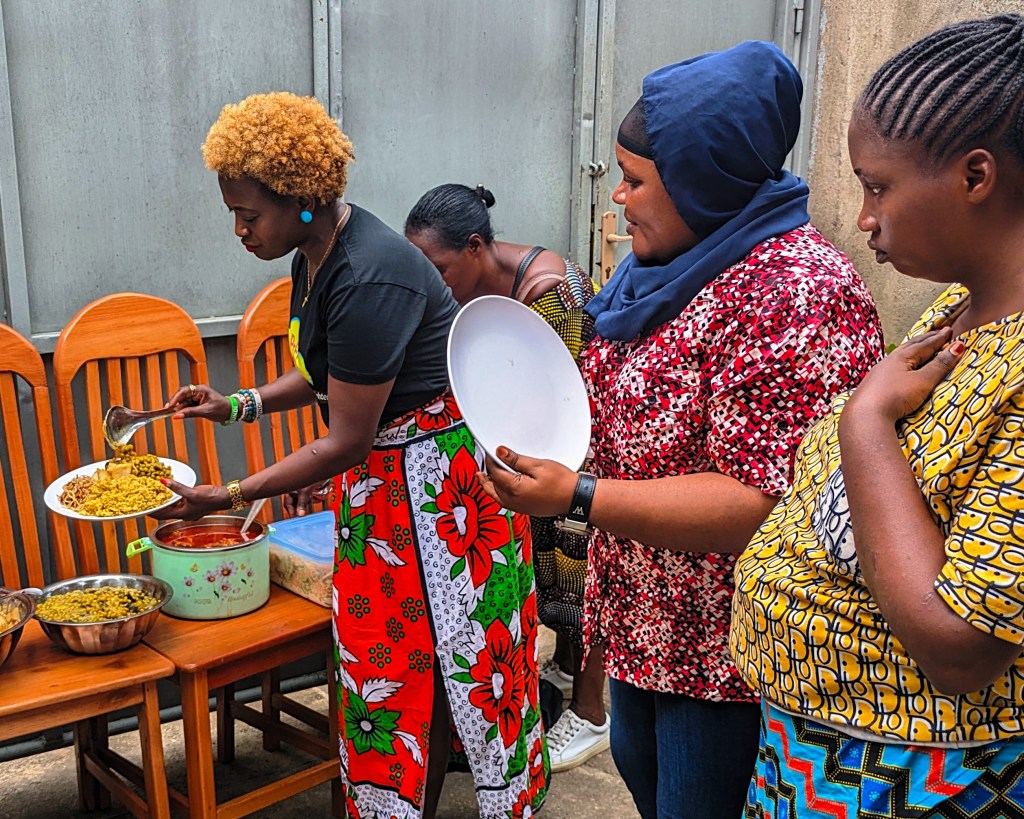
As is customary in our society, to end these fruitful sessions and collaborations in the Burundian grassroots (HIV) community we shared a great lunch together!
If we do not work with organisations such as BAWA and the vulnerable women they represent directly, ending HIV and AIDS by 2030 is an illusion! So, HIV allies pay attention, let’s make 2024 the year to get the balance right and make sure we address the challenges of women in the global South in our fight against HIV and AIDS.


 HIV stigmafighter