My lovely people, how have you been? These days it feels very fashionable to talk about equality in HIV action in many parts of the world, including the Netherland. Lately I have been wondering if people, especially our HIV allies, understand what equality means to people living with HIV with a migrant background.
For me, equality is about the state of all people living with HIV being equal in status, representation, rights, and opportunities to prioritise, co-design and act upon addressing HIV-related issues. While we have made great strides towards empowering people living with HIV (PLWHIV) in places such as the Netherlands, PLWHIV with a migrant background continue to be hardly seen or heard. Let me take some time to explain why I believe there is no equality in HIV action yet in the Netherlands and what we can do to change this.
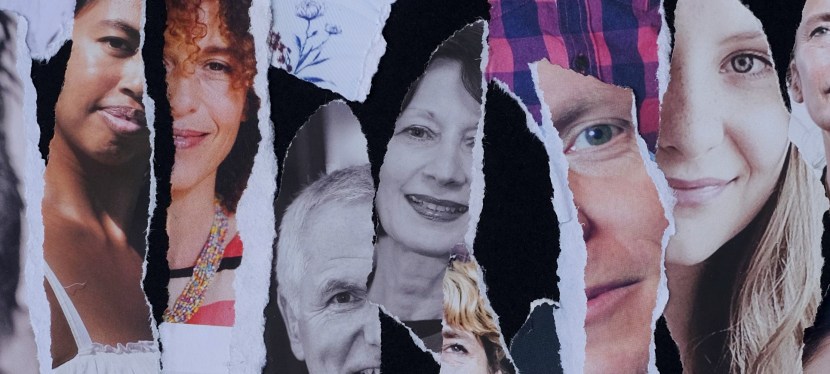
Every year around this time, statistics about HIV in the Netherlands are published in quite an excellent report. Already for years it is confirmed that about 42% of PLWHIV in the Netherlands have a migrant background. PLWHIV with an African background make up about 8% of the total.
I am not a data scientist, but these numbers tell me that there are over 8,300 PLWHIV with a migrant background in the Netherlands of which at least 1500 (!) people are from my beloved continent Africa. These numbers highlight the significant impact of HIV on migrant communities in the Netherlands and underscore the need for targeted and culturally appropriate support for us, PLWHIV with a migrant background.
So, now let me move on to what is being done by and for them here in the Netherlands. Considering we are well represented in the statistics over the past many years and to stay on topic, namely equality in HIV action, you would expect we deserve quite some attention from our HIV allies in the Netherlands HIV community, right?
So far I have observed that, despite some efforts made to reach out to PLWHIV with a migrant background, we remain largely unheard in the Netherlands HIV community. In fact, this was recently acknowledged by the Netherlands HIV association, one of the ‘big five’ organisations in the National HIV alliance, who stated that one of their aims for 2025 is to improve their engagement with people they haven’t engaged with sufficiently, including people living with a migrant background.
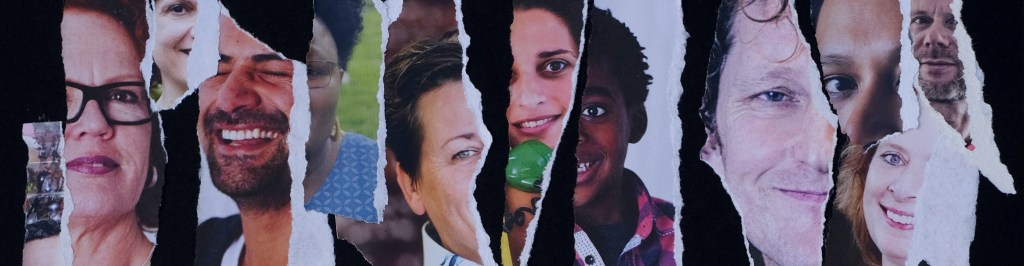
Yes, our faces and stories are always there in the glossy magazines made by some of the big five, we are always mobilised to appear on stage at big HIV-related events, and we are pampered at nice retreats organised for us. But in the end what matters is how many of us are holding positions of power in these organisations. After all they are the recepients of considerable funding from sister NGOs, government institutions, private donors and big Pharma. And unfortunately, money translates into power and responsibility.
So, I challenge the big five and others, how many of us are empowered to push the priorities of PLWHIV with a migrant background into strategies and workplans, decide upon the means needed to take culturally appropriate HIV action, and work with us on migrant-lead HIV actions? Are we equally represented in the operational centers and boardrooms of the big five? From what I can see it is not even close to 42%…
May this be driven by stereotyping of people with a migrant background, including belief that we are not capable to actively co-lead change in the Netherlands HIV community? Sure, some of us take part in these organisations and manage to influence the agenda for PLWHIV with a migrant background in the Netherlands. Yet, if we represent 42% of the total population living with HIV in the Netherlands, then don’t we deserve a bigger say about what should happen in our Netherlands HIV community?
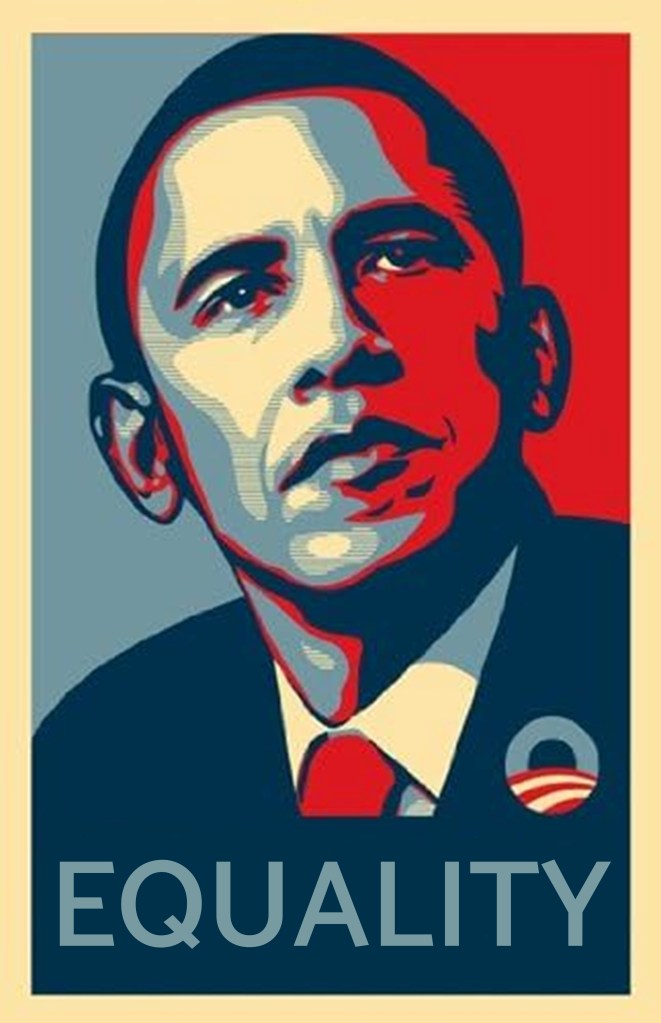
I firmly believe we deserve more equality. To eliminate this, let us instill a “Change we can believe in” attitude such during the Obama campaigning days in 2008. And let us draw inspiration from an organisations such as the Africa Advocacy Foundation (AAF) playing such an inspiring role in the UK HIV community. They are a community-led initiative aiming to equip diaspora communities and marginalised people with the tools they need to find better health, safety, prosperity and opportunity to lead fulfilling and happy lives.
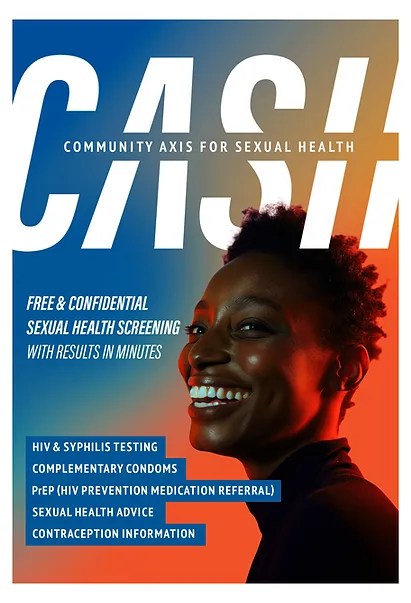
I am very inspired by an AAF initiative called Community Axis for Sexual Health. “CASH aims to engage Black communities in HIV awareness, prevention, testing and treatment. Management of HIV risk is not restricted to PLWHIV and includes those who are HIV negative but identified as being at higher risk of exposure to HIV. More broadly, the aim of the service is to tackle the stigma surrounding HIV and the barriers to engaging with HIV testing, treatment and prevention services experienced by Black communities”.
Comparing to AAF’s CASH programme, we are lagging far behind in the Netherlands. I admire how outspoken AAF is about the huge need to reach PLWHIV with a migrant background and how they take action by designing migrant-centered services that are culturally appropriate whilst making sure these are delivered by people with a migrant background.
I applaud their courage to stand up for the needs of PLWHIV with a migrant background and my dream is that one day we will be at a point in the Netherlands where we also have a Movement led by people with a migrant background that represents both the needs of our 42% of the HIV community as well as for people with a migrant background that are HIV negative.
In the beginning I mentioned the importance of ensuring equality across the Netherlands HIV landscape. We need change in so many ways: In the way the big five organise themselves to ensure people with a migrant background are better represented, the way PLWHIV with a migrant background are given opportunities to lead HIV action, and the way healthcare providers deliver culturally appropriate services for PLWHIV with a migrant background.
These changes can only come if people who are currently dominating our HIV community see us as equals, if they listen to our needs and wants, if they share power and resources with us, and if they provide more space in the HIV community for us. If we keep being seen as recipients of aid instead of equals in our fight against HIV, then some battles against HIV may be won but we shall never be victorious!
We have been ready for a long time, are you ready to join us?
Peace, Eliane
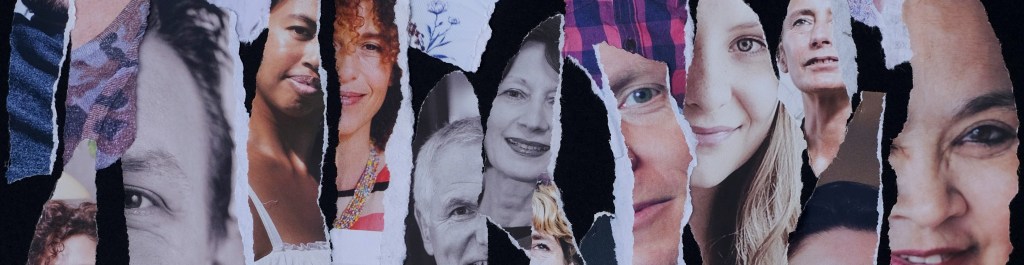
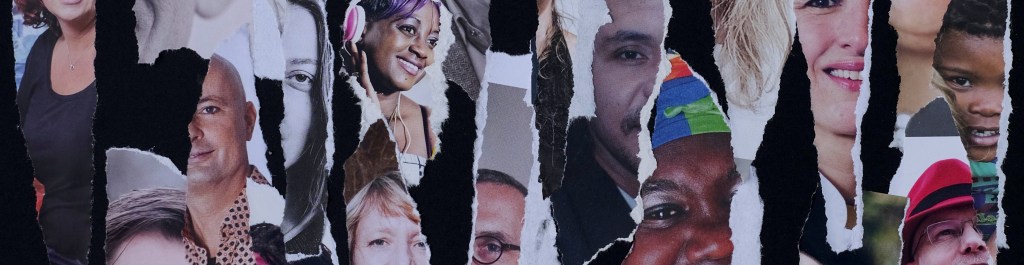
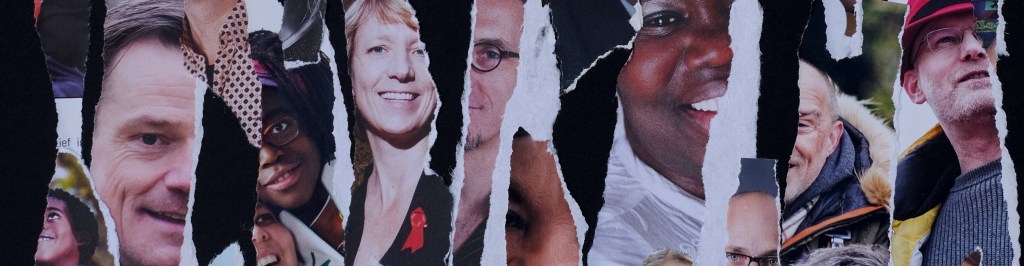
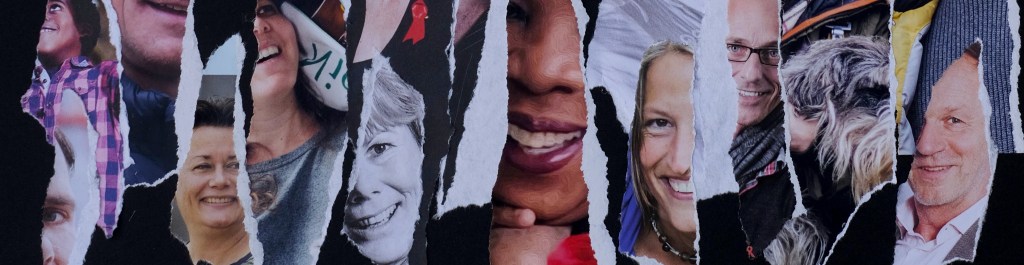
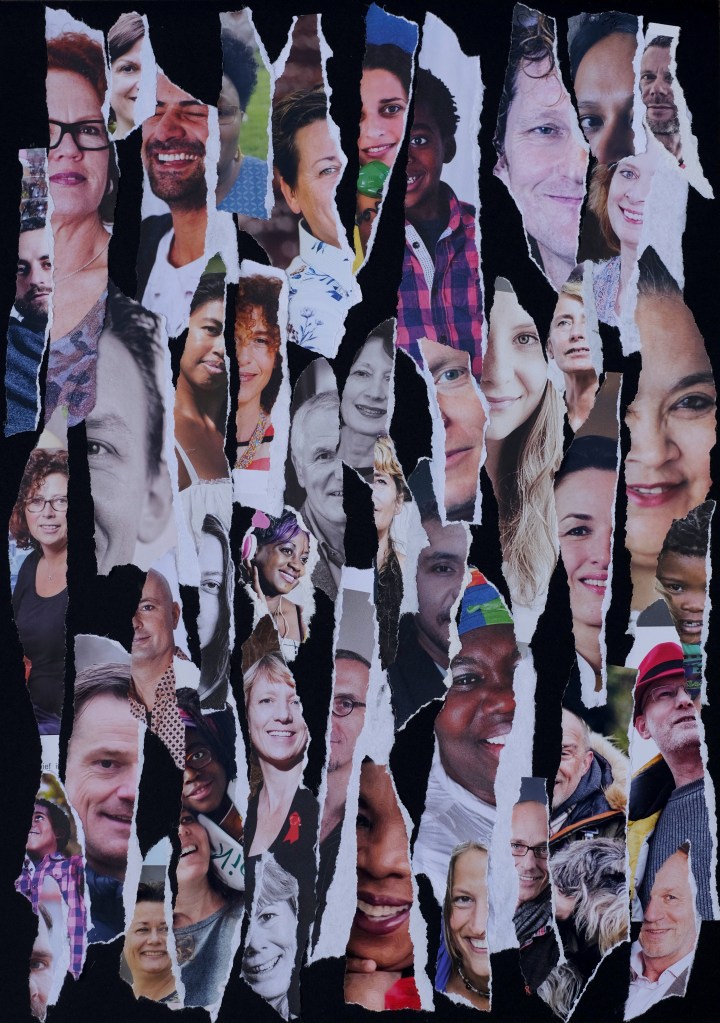
P.S. do you recognise these faces from the Netherlands HIV community? They have all appeared in over a decade of glossy magazines on HIV, so I made a collage of them as a reminder of our precious community. Some of them are not with us any more in our fight against HIV, let us remember them for always. Now let’s bring equality for PLWHIV with a migrant background!
 HIV stigmafighter